

Brow Lift vs Forehead Lift: Are They the Same Procedure?

A brow lift and a forehead lift usually mean the same or a very similar cosmetic procedure. The operation is designed to elevate low brows, soften forehead creases, and improve frown lines between the eyebrows.
Key Takeaways
- A brow lift and a forehead lift usually mean the same or a very similar cosmetic procedure.
- The operation is designed to elevate low brows, soften forehead creases, and improve frown lines between the eyebrows.
- Different surgical approaches, including endoscopic and open techniques, are chosen based on anatomy and aesthetic goals.
- The best candidates are healthy adults with realistic expectations and bothersome brow descent or upper-face aging changes.
- A specialist consultation is important to decide whether brow lift surgery, eyelid surgery, or another facial procedure is most appropriate.
Brow lift and forehead lift are often used interchangeably to describe a cosmetic procedure that raises the brows and improves forehead lines. In practice, the exact technique can vary, so understanding goals, methods, recovery, and candidacy helps patients make informed decisions.
Overview: Are Brow Lift and Forehead Lift the Same?
In most cosmetic surgery settings, the terms brow lift and forehead lift refer to the same general procedure. Both describe surgery aimed at lifting the position of the eyebrows, reducing horizontal forehead lines, and softening the vertical frown lines between the brows. The goal is usually a more rested, open, and refreshed upper-face appearance rather than a dramatic change in expression.
Even though the terms are often interchangeable, some surgeons use them slightly differently in conversation. “Brow lift” may emphasize raising the eyebrow position, while “forehead lift” may highlight smoothing the forehead and glabellar area. In real practice, however, these effects are closely connected because the brow and forehead work together as one anatomic unit.
Several techniques can achieve this result. These include endoscopic brow lift, coronal or open forehead lift, temporal lift, and other tailored approaches. The names may differ, but the key point for patients is that the procedure is customized to facial structure, skin quality, hairline position, and the desired degree of lift.
Why People Consider This Procedure
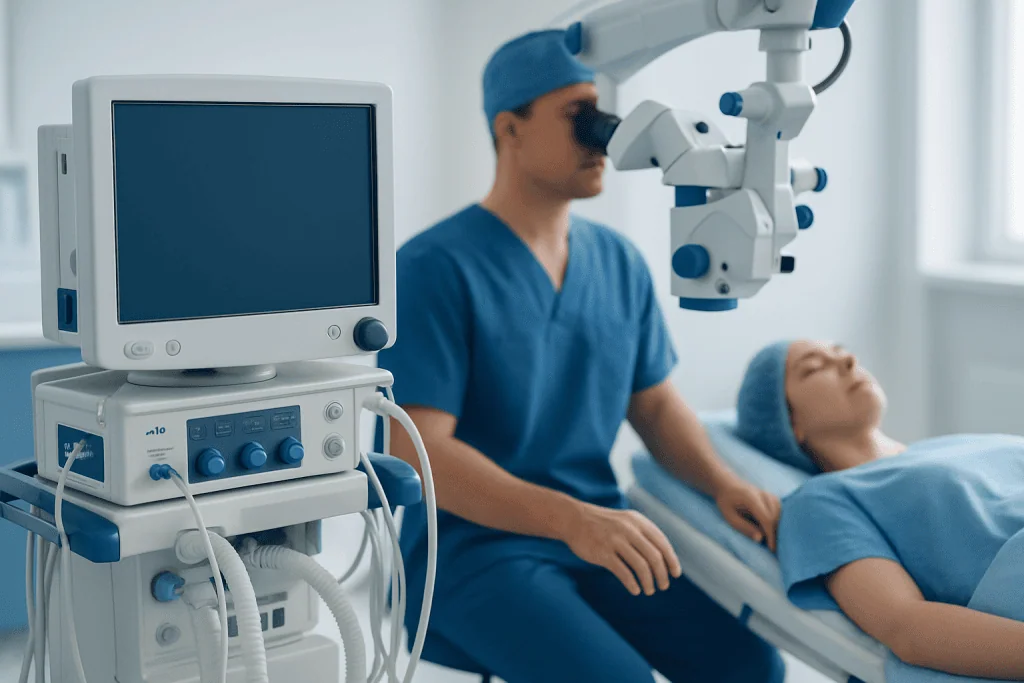
People often seek a brow or forehead lift because aging can gradually change the upper face. Over time, the brows may descend, forehead skin may loosen, and frown lines can become more noticeable. This may create a tired, stern, or heavy appearance even when the person feels well and relaxed.
Some patients also have a naturally low brow position that makes the upper eyelids look crowded. In these cases, a lifted brow can improve facial balance and make the eye area appear more open. It is important to understand that this procedure is usually chosen for appearance-related concerns, not because the forehead itself is unhealthy.
Common concerns that lead patients to seek consultation include:
- Drooping or flat outer eyebrows
- Deep horizontal forehead creases
- Frown lines between the eyebrows
- A heavy upper-face appearance
- A desire for a more refreshed, less tired look
In some cases, a low brow can contribute to upper eyelid hooding. A surgeon may then discuss whether a brow lift alone, eyelid surgery, or a combination approach would provide the most balanced result. For selected patients, this may involve coordination with specialists in reconstructive ophthalmology when the eye area also needs careful functional assessment.
How Brow Lift Surgery Is Performed

Brow lift surgery can be performed using different techniques. The choice depends on the patient’s brow position, forehead shape, skin elasticity, wrinkle pattern, hairline, and overall goals. A surgeon evaluates these details during consultation and recommends the safest and most suitable method.
An endoscopic brow lift uses several small incisions hidden in the hairline. A tiny camera and instruments are used to release and lift tissues with less visible scarring. This approach is commonly chosen for patients with mild to moderate brow descent and is often associated with a shorter recovery than more extensive open techniques.
An open or coronal forehead lift involves a longer incision placed within or behind the hairline. This may be more suitable in selected cases where broader correction is needed. Other methods, such as a temporal lift or a hairline-based lift, can focus on the outer brow or help address certain hairline concerns. Patients comparing options may naturally hear the procedure described as brow lift surgery, even though the term forehead lift may also be used.
The procedure is usually performed under appropriate anesthesia in a hospital or surgical setting. During surgery, the tissues are repositioned, some muscles that contribute to deep frown lines may be adjusted, and the skin is redraped without excessive tension. The overall aim is a natural-looking improvement that preserves normal facial expression.
Who Is a Good Candidate?
Good candidates are generally healthy adults who are bothered by brow drooping, forehead lines, or a heavy upper-face appearance. They should have realistic expectations and understand that the goal is improvement, not perfection. A consultation also helps identify whether the main issue comes from brow position, excess eyelid skin, forehead muscle activity, or a combination of factors.
Surgeons usually consider medical history, smoking status, medications, prior facial procedures, and healing tendencies. Patients who form thick or raised scars should mention this, especially if they have a history of keloid scars. Hairline shape and scalp flexibility are also important because they affect incision planning and final aesthetics.
Some people are better suited to non-surgical treatments or alternative procedures. For example, injectable treatments may help with dynamic forehead lines in selected patients, while eyelid surgery may be more appropriate when the main concern is excess upper eyelid skin. Others may benefit from combining upper-face surgery with related facial procedures, depending on their goals.
A surgeon will also assess whether there are special considerations such as previous operations, scars, or changes after facial trauma. This individualized assessment is one reason consultation with a qualified plastic surgeon is so important before deciding on treatment.
Benefits, Limits, and Possible Risks
The main benefits of a brow or forehead lift are a more elevated brow position, a smoother upper forehead, and a softer appearance in the area between the eyebrows. Many patients feel that the face looks less tired or less tense after recovery. When performed thoughtfully, the result should look balanced and natural rather than overly tight.
However, the procedure has limits. It does not stop the natural aging process, and it may not fully correct every concern in the eye or midface area. Fine surface wrinkles, sun-related skin changes, and eyelid puffiness may require different or additional treatments for the most complete rejuvenation plan.
As with any surgery, risks are possible. These may include swelling, bruising, temporary numbness, asymmetry, visible scarring, hairline changes, infection, bleeding, delayed healing, and dissatisfaction with the cosmetic result. Temporary tightness or altered sensation in the scalp can also occur while tissues heal.
Although uncommon, injury to nerves that affect forehead movement is a more serious consideration and should be discussed clearly before surgery. Choosing an experienced surgeon, following pre- and post-operative instructions, and having a careful assessment of facial anatomy all help reduce complications.
Recovery and Aftercare
Recovery varies with the technique used and the individual patient. It is common to have mild to moderate swelling, bruising, tightness, or temporary numbness in the forehead and scalp during the first days after surgery. Most patients are advised to rest with the head elevated and to avoid strenuous activity until their surgeon says it is safe.
Dressings, drains, or sutures may be used depending on the approach. Follow-up visits allow the surgical team to check healing, remove sutures when needed, and monitor brow position. Many people can return to light daily activities within a relatively short time, but the visible signs of surgery may take longer to settle fully.
Good aftercare matters. Patients are usually advised to protect the incisions, avoid smoking, follow washing instructions carefully, and use sun protection once healing allows. It is also important not to judge the final cosmetic outcome too early, because tissues need time to soften and settle.
Some individuals choose to combine upper-face rejuvenation with other procedures such as aesthetic neck contouring or facial contouring in a staged treatment plan. When several procedures are being considered, the surgeon explains how that may affect recovery time and aftercare needs.
Choosing the Right Approach and Surgeon
The best brow or forehead lift is not defined by a single technique. It is defined by how well the approach matches the person’s anatomy and goals. During consultation, the surgeon examines brow height, asymmetry, forehead length, hairline position, eyelid skin excess, and facial expression patterns before recommending a plan.
Patients may find it helpful to ask what type of lift is being proposed, where the incisions will be placed, what changes to expect, and whether additional procedures are being considered. Clear communication can help align expectations and reduce confusion about terminology. This is especially useful when one clinic says “brow lift” and another says “forehead lift,” even though they may be discussing very similar surgery.
Before deciding, patients should make sure the surgeon explains benefits, limits, risks, scarring, and recovery in a clear way. They should also discuss whether another procedure might be more suitable. In some cases, broader facial planning may include treatments such as cheek augmentation if overall facial harmony is part of the patient’s goal, though not everyone needs combined surgery.
For international patients seeking evaluation and treatment, Acibadem International offers care through multidisciplinary specialists in JCI-accredited hospitals. A personalized consultation can help clarify whether a brow lift, forehead lift, or another upper-face procedure is the most appropriate option.
When to Seek Medical Advice
Anyone thinking about brow lift surgery should arrange a consultation with a qualified plastic surgeon or relevant facial specialist. Medical advice is especially important if the brow droop affects vision, if there has been previous facial surgery or trauma, or if there are concerns about wound healing, scarring, or chronic medical conditions.
After surgery, patients should contact their care team promptly if they develop worsening pain, marked swelling on one side, fever, heavy bleeding, signs of infection, sudden changes in brow movement, or any symptom that feels unusual or concerning. Early review can help address problems quickly and support smoother healing.
It is also wise to seek advice if expectations change during the decision-making process. Some patients realize they prefer subtle, non-surgical improvement, while others learn that eyelid surgery may better address their main concern. A careful medical conversation helps ensure that treatment choices remain safe, appropriate, and aligned with the individual’s goals.
Frequently asked questions
Is a brow lift the same as a forehead lift?
Usually, yes. In most cases, the two terms describe the same or a very similar procedure that lifts the brows and improves forehead lines. Some surgeons may use one term more often than the other, but the treatment goals commonly overlap.
What does a brow lift improve?
A brow lift can raise a low or drooping brow, reduce horizontal forehead creases, and soften frown lines between the eyebrows. It may also make the eyes look more open by reducing heaviness in the upper-face area. The exact result depends on anatomy and the surgical method used.
Will a brow lift change facial expression?
The goal of modern brow lift surgery is to create a refreshed, natural appearance without making the face look surprised or overly tight. When the procedure is carefully planned, normal facial expression is preserved. Discussing goals clearly with the surgeon helps support a balanced outcome.
How is a brow lift different from eyelid surgery?
A brow lift primarily repositions the eyebrows and treats the upper forehead area. Eyelid surgery focuses on removing or reshaping excess skin, fat, or tissue around the eyelids. Some patients need one procedure, while others benefit from a combination approach.
How long does recovery take after brow lift surgery?
Initial recovery often takes days to a couple of weeks, depending on the technique and the person’s healing response. Swelling, bruising, and tightness generally improve gradually. Final results take longer to settle, so patience is important during healing.
Are there non-surgical alternatives to a brow lift?
In some cases, yes. Injectable treatments and skin-focused procedures may help selected patients with mild concerns, especially dynamic lines caused by muscle movement. However, non-surgical methods do not produce the same lifting effect as surgery when brow descent is more significant.
References
- American Society of Plastic Surgeons
- American Academy of Facial Plastic and Reconstructive Surgery
- National Health Service
- Mayo Clinic
- MedlinePlus
This article is for general information only and is not a substitute for professional medical advice. Please consult a qualified doctor about your individual situation.
Forehead Lift in Turkey — costs, top hospitals & a free quote
JCI-accredited · board-certified surgeons · reply within 24h
Add us as a Preferred Source to see more of our trusted health content across Google Search, AI Overviews and Discover.

Plastic, Reconstructive & Aesthetic Surgery
Reconstructive and aesthetic procedures for the face and body, performed by experienced surgeons.
35 specialists in this unitRelated Treatments
Related Conditions
More from the Health Library

Related Specialists
Assoc. Prof. Dr. Erdem Güven (m)
Aesthetic Plastic & Reconstructive Surgery
Prof. Dr. Şükrü Yazar
Aesthetic Plastic & Reconstructive Surgery
Prof. Dr. Hakan Ağır
Aesthetic Plastic & Reconstructive Surgery
Prof. Dr. Bülent Saçak
Aesthetic Plastic & Reconstructive Surgery