

Brow Lift vs Forehead Lift: Is There a Difference?

A brow lift and a forehead lift usually describe the same type of cosmetic surgery. The procedure can raise low brows, soften forehead creases, and reduce frown lines between the eyebrows.
Key Takeaways
- A brow lift and a forehead lift usually describe the same type of cosmetic surgery.
- The procedure can raise low brows, soften forehead creases, and reduce frown lines between the eyebrows.
- Different techniques, including endoscopic and open approaches, are chosen based on anatomy and goals.
- Not everyone with forehead lines needs surgery; some people may benefit from non-surgical options.
- A consultation with a qualified plastic surgeon helps determine the most suitable approach.
Brow lift and forehead lift are commonly used as different names for the same general procedure: surgery designed to raise the brows and improve forehead aging. The main differences usually relate to the surgical technique, treatment goals, and which parts of the upper face are being targeted.
Overview: Are Brow Lift and Forehead Lift Different?
In everyday use, the terms brow lift and forehead lift usually refer to the same general procedure. Both describe surgery intended to improve the appearance of the upper face by lifting drooping brows, softening horizontal forehead lines, and reducing frown lines between the eyebrows. In many clinics, the two names are used interchangeably.
What can cause confusion is that the surgery can be performed in different ways. Some techniques focus more directly on raising the eyebrows, while others also smooth a larger part of the forehead. For this reason, one surgeon may prefer the term “brow lift,” while another may say “forehead lift,” even when discussing a very similar operation.
The most accurate way to understand the difference is this: the name matters less than the surgical plan. A patient’s brow position, skin quality, hairline, forehead height, and desired result all help determine which method is most appropriate. The goal is a refreshed, natural appearance rather than a tight or surprised look.
What a Brow or Forehead Lift Can Improve
A brow or forehead lift is designed to address age-related changes and natural brow position in the upper face. Over time, skin loses elasticity, facial tissues descend, and repeated muscle movement can make lines more visible. This may create a tired, heavy, or stern expression, even when a person feels well rested.
The procedure may improve:
- Low or drooping eyebrows
- Heavy tissue over the outer upper eyelids
- Horizontal lines across the forehead
- Vertical frown lines between the eyebrows
- An upper face appearance that looks tired, tense, or angry
It is important to note that a brow lift does not treat every sign of facial aging. It does not directly correct loose lower-face skin, deep cheek descent, or eyelid puffiness caused by fat or excess eyelid skin. In some people, combined treatment may be considered, such as upper eyelid-related evaluation and surgical planning when brow position and eyelid heaviness overlap.
Some patients also seek treatment after injury or structural changes to the face. In those situations, assessment may include concerns related to facial trauma, scar patterns, or asymmetry, depending on the cause and the area affected.
Types of Brow Lift Techniques

There is no single “best” brow lift for everyone. Surgeons choose from several techniques based on anatomy, goals, hairline position, degree of brow descent, and whether asymmetry is present. The most commonly used methods include endoscopic brow lift, classic or open brow lift, temporal brow lift, and direct brow lift.
An endoscopic brow lift uses several small incisions hidden behind the hairline. A tiny camera and specialized instruments are used to release and reposition tissues. This approach is often chosen when a patient wants a less extensive incision pattern and has suitable anatomy for a minimally invasive method.
An open or classic forehead lift uses a longer incision, usually placed behind or along the hairline depending on forehead shape and hairline height. This can allow broad access to the forehead and may be useful in selected patients who need more significant correction. A temporal brow lift focuses more on the outer brow, while a direct brow lift places an incision closer to the eyebrow itself and is usually reserved for specific reconstructive or functional situations.
Although these are all forms of upper-face lifting, the recommended approach depends on careful examination. A surgeon balances visible signs of aging with scar placement, forehead proportions, muscle activity, and the patient’s preferences. In broader facial planning, this can sometimes be discussed alongside other cosmetic surgery options if multiple areas are being considered.
Who May Be a Good Candidate?
A good candidate for a brow or forehead lift is generally someone bothered by low brows, deep forehead creases, or frown lines that create an aged or tired expression. Many candidates are healthy adults with realistic expectations who want improvement rather than perfection. The procedure may be considered for cosmetic reasons or, in some cases, to help when brow drooping contributes to heaviness over the eyes.
Suitability depends on more than age alone. Some younger adults naturally have a low brow position and seek correction even before significant wrinkles appear. Others may have inherited asymmetry, forehead shape differences, or scarring that affects brow balance.
A surgeon will usually review:
- General health and medical history
- Smoking status and healing factors
- Eye symptoms and vision-related concerns
- Hairline position and forehead height
- Skin quality and degree of tissue descent
- Previous facial procedures or injuries
People who form raised scars may need special discussion before surgery. For example, a personal history of keloid scars can influence incision planning and expectations about healing. In these cases, a personalized risk assessment is especially important.
Consultation and Diagnosis Before Surgery
Before surgery, diagnosis is mostly based on a detailed physical examination rather than a scan or laboratory test. The surgeon evaluates brow position at rest, forehead movement, the strength of facial muscles, symmetry, and the relationship between the brows and upper eyelids. This helps determine whether the main issue is brow descent, eyelid skin excess, or a combination of both.
Photographs are often taken for planning and comparison. The surgeon may gently lift the brows by hand to show how the forehead and eye area might look after correction. This can be helpful because some people think they need eyelid surgery when the real issue is a descended brow, while others may need treatment directed at both areas.
During consultation, patients are encouraged to discuss what they hope to change. Examples may include a heavy outer brow, deep glabellar lines, or a forehead that looks tense even when relaxed. Honest discussion of goals helps avoid overcorrection and supports a more natural-looking outcome.
Questions about recovery, scarring, hairline changes, and the likely durability of results should also be addressed. A careful preoperative conversation is one of the most important parts of planning any facial aesthetic procedure.
Treatment Options, Recovery, and Results
Treatment depends on the degree of brow descent and the changes a person wants to address. Surgical lifting can reposition the brow and soften upper-face lines, while non-surgical options may provide temporary improvement in selected cases. Muscle-relaxing injections can reduce dynamic frown lines, and skin treatments may improve surface texture, but these do not truly lift tissues in the same way surgery can.
When surgery is chosen, it is typically performed under appropriate anesthesia in a hospital or surgical center. The surgeon repositions the brow tissues, adjusts the influence of selected forehead muscles when needed, and closes the incisions carefully to keep scars as discreet as possible. Sometimes a brow lift is combined with other facial contouring or rejuvenation procedures, such as cheek augmentation in selected facial balancing plans, although combination treatment is individualized.
Recovery varies by technique, but mild swelling, bruising, tightness, and temporary numbness are common early effects. Most patients are advised to rest, keep the head elevated, avoid strenuous activity for a period, and follow wound-care instructions closely. Final results are not immediate; the appearance settles gradually as swelling improves.
Results are typically long lasting, but they do not stop the natural aging process. A successful brow lift should leave the person looking more refreshed and open around the eyes without changing core facial identity. The aim is improvement that feels balanced and appropriate to the individual’s features.
Risks, Self-care, and When to See a Doctor
Like any surgery, a brow or forehead lift carries possible risks. These can include bleeding, infection, visible scarring, temporary or longer-lasting numbness, asymmetry, hairline changes, and dissatisfaction with cosmetic results. In rare cases, there may be issues related to wound healing or injury to structures that affect forehead movement. A qualified surgeon explains these risks in relation to the chosen technique and the patient’s anatomy.
Good self-care supports recovery. Patients are usually advised to avoid smoking, protect the healing skin from sun exposure, attend follow-up visits, and contact the care team if symptoms seem unusual. Following instructions on washing, medications, physical activity, and sleeping position can make the recovery period smoother.
Medical review is important if there is worsening pain, increasing redness, fever, drainage from incisions, sudden swelling, or concerns about vision. Even when problems turn out to be minor, early guidance is reassuring and can help prevent complications from becoming more significant.
For people exploring treatment abroad, centers with multidisciplinary teams can coordinate both aesthetic and functional assessment. Acibadem International’s specialists in JCI-accredited hospitals diagnose and treat brow and forehead concerns for international patients, especially when surgical planning overlaps with reconstructive needs.
Frequently asked questions
Is a brow lift the same as a forehead lift?
Usually, yes. The two terms are commonly used interchangeably for surgery that lifts the brow area and improves forehead lines. The main difference is often the technique used rather than the overall purpose of the procedure.
Does a brow lift remove forehead wrinkles completely?
A brow lift can soften forehead lines and frown lines, but it may not remove every wrinkle completely. Results depend on skin quality, muscle activity, and the specific surgical method. The goal is usually natural improvement rather than an artificial smoothness.
Will a brow lift help heavy upper eyelids?
It can help if brow drooping is contributing to heaviness over the upper eyelids. However, some people also have excess eyelid skin or fat that may need separate treatment. A consultation helps determine which area is mainly responsible for the concern.
How long does brow lift recovery take?
Early recovery often takes a few weeks, though the exact timeline varies by surgical approach and individual healing. Swelling and bruising usually improve gradually, while final settling may take longer. Patients should follow their surgeon’s activity and wound-care advice closely.
Are brow lift results permanent?
The structural changes from surgery are long lasting, but the face continues to age naturally over time. This means results can remain noticeable for years, though they do not stop future skin laxity or facial movement changes. Healthy habits and sun protection may help maintain the result.
Can a brow lift look unnatural?
It can if the brow is raised too much or shaped in a way that does not match the person’s features. Careful planning, realistic goals, and an experienced surgeon reduce this risk. Most modern approaches aim for a refreshed appearance, not an exaggerated one.
References
- American Society of Plastic Surgeons
- American Academy of Facial Plastic and Reconstructive Surgery
- National Health Service
- Mayo Clinic
- International Society of Aesthetic Plastic Surgery
This article is for general information only and is not a substitute for professional medical advice. Please consult a qualified doctor about your individual situation.
Forehead Lift in Turkey — costs, top hospitals & a free quote
JCI-accredited · board-certified surgeons · reply within 24h
Add us as a Preferred Source to see more of our trusted health content across Google Search, AI Overviews and Discover.

Plastic, Reconstructive & Aesthetic Surgery
Reconstructive and aesthetic procedures for the face and body, performed by experienced surgeons.
35 specialists in this unitRelated Treatments
Related Conditions
More from the Health Library


Related Specialists
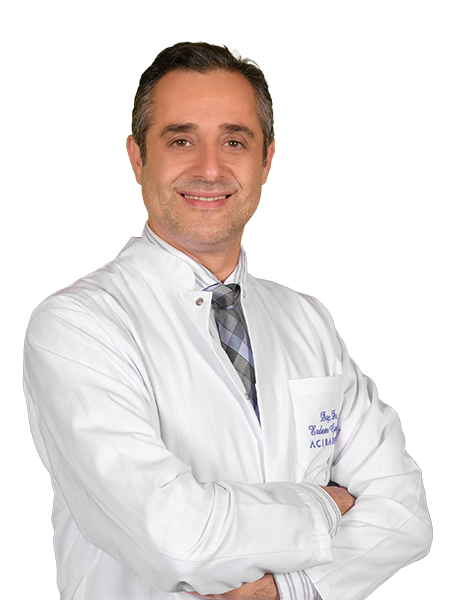
Assoc. Prof. Dr. Erdem Güven (m)
Aesthetic Plastic & Reconstructive Surgery
Prof. Dr. Şükrü Yazar
Aesthetic Plastic & Reconstructive Surgery
Prof. Dr. Hakan Ağır
Aesthetic Plastic & Reconstructive Surgery
Prof. Dr. Bülent Saçak
Aesthetic Plastic & Reconstructive Surgery