Cardiac Ablation: Who It Helps and What to Expect During Recovery

Cardiac ablation is commonly used for arrhythmias such as atrial fibrillation, atrial flutter, supraventricular tachycardia, and some cases of ventricular tachycardia. Most ablations are performed through thin catheters inserted into blood vessels rather than through open-heart surgery.
Key Takeaways
- Cardiac ablation is commonly used for arrhythmias such as atrial fibrillation, atrial flutter, supraventricular tachycardia, and some cases of ventricular tachycardia.
- Most ablations are performed through thin catheters inserted into blood vessels rather than through open-heart surgery.
- Recovery is usually measured in days to weeks, though healing inside the heart continues for several weeks.
- Some palpitations or short episodes of irregular rhythm can happen early after ablation and do not always mean the procedure failed.
- Follow-up care, medicines, and lifestyle measures remain important even after a successful procedure.
Cardiac ablation is a procedure used to treat some abnormal heart rhythms by targeting the small areas of heart tissue that trigger or sustain them. For many people, it can reduce symptoms, improve quality of life, and lower the need for long-term rhythm medicines.
Overview: What cardiac ablation is
Cardiac ablation is a treatment for abnormal heart rhythms, also called arrhythmias. It works by creating very small, controlled scars or by altering tiny areas of heart tissue that are sending abnormal electrical signals. Once those signals are interrupted, the heart may return to a steadier rhythm.
Most cardiac ablations are catheter-based procedures. This means a specialist guides thin, flexible tubes through a blood vessel, usually from the groin and sometimes the neck or arm, into the heart. Energy is then delivered through the catheter tip. Depending on the situation, the energy may be heat, called radiofrequency ablation, or extreme cold, called cryoablation.
Cardiac ablation is not the right choice for every person with an arrhythmia, but it is a well-established option when symptoms are troublesome, medicines are not working well, or a rhythm problem could affect heart function over time. It is often considered as part of a broader plan for cardiac arrhythmia treatment tailored to the person’s symptoms, age, other health conditions, and heart structure.
Who it helps and which conditions it can treat
Cardiac ablation can help people whose irregular heartbeat causes palpitations, dizziness, shortness of breath, chest discomfort, reduced exercise tolerance, or fainting. In some cases, it is recommended even when symptoms are mild because the rhythm problem may weaken the heart over time or raise the risk of complications.
Common conditions treated with ablation include atrial fibrillation, atrial flutter, supraventricular tachycardia, and some forms of ventricular tachycardia. It may also be used for certain extra pathways in the heart, such as Wolff-Parkinson-White syndrome, or for frequent premature beats when they are severe enough to affect symptoms or heart function.
Ablation is often considered when rhythm-control medicines cause side effects, do not adequately prevent episodes, or are not preferred for long-term use. In some situations, especially with specific types of SVT or atrial flutter, ablation may be offered relatively early because it can be highly effective.
However, suitability depends on many factors. These include the exact arrhythmia, how often it happens, the presence of structural heart disease, age, kidney function, lung disease, sleep apnea, and whether a person has conditions such as heart failure or high blood pressure. A heart rhythm specialist, called an electrophysiologist, evaluates these details before recommending the procedure.
How doctors decide if ablation is appropriate

Before recommending ablation, doctors first confirm the type of arrhythmia and assess how much it affects daily life and long-term heart health. A person may have an electrocardiogram, a Holter monitor, an event monitor, or a wearable rhythm recorder. Blood tests, an echocardiogram, and sometimes a stress test or cardiac imaging may also be used.
These tests help show whether the rhythm problem comes from the upper chambers of the heart, the lower chambers, or an extra electrical pathway. They also help identify contributing factors such as thyroid problems, electrolyte imbalance, sleep apnea, or uncontrolled high blood pressure. Treating these issues can improve symptoms and may influence the timing or success of ablation.
Shared decision-making is an important part of the process. The doctor discusses expected benefits, possible risks, alternative options, and the chance that more than one procedure could be needed. Some people do well with medicines and observation alone, while others may be better candidates for an earlier intervention, including ablation procedures performed in a specialized electrophysiology lab.
What happens during the procedure
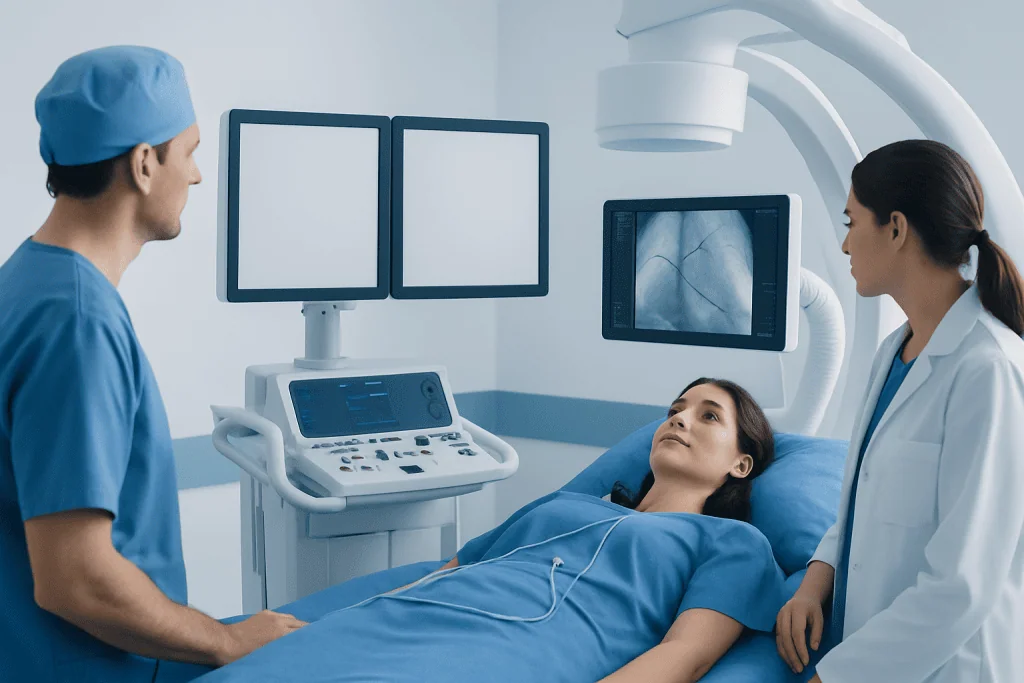
Cardiac ablation is usually performed in a hospital electrophysiology unit. The patient changes into a hospital gown, receives monitoring leads, and has an intravenous line placed. Sedation or anesthesia is used depending on the type of arrhythmia, the planned ablation, and the center’s approach. The medical team also cleans and numbs the area where the catheters will enter the body.
The electrophysiologist guides catheters through the blood vessels to the heart using imaging and electrical mapping. In many cases, advanced mapping systems create a three-dimensional picture of the heart’s electrical activity. This helps pinpoint the tissue causing the abnormal rhythm. Once the target area is identified, the doctor delivers energy to create tiny lesions that block or isolate the faulty signals.
The procedure length varies. Some straightforward SVT ablations may be relatively short, while more complex procedures, such as atrial fibrillation ablation or ventricular tachycardia ablation, can take several hours. At the end, the catheters are removed and pressure is applied to reduce bleeding. The patient is then monitored in a recovery area, usually with instructions to lie still for several hours.
In selected cases, related cardiac care may involve other specialists as well. For example, people with both rhythm disorders and broader coronary or structural heart problems may also be assessed by teams in interventional cardiology or structural heart care, depending on the overall condition.
Benefits, risks, and chances of success
The main goal of cardiac ablation is to reduce or eliminate episodes of abnormal rhythm. Benefits may include fewer palpitations, less fatigue, improved exercise tolerance, fewer emergency visits, and reduced dependence on antiarrhythmic medicines. For some people, especially those with certain types of SVT or atrial flutter, ablation can offer long-lasting rhythm control.
Success rates vary depending on the type of arrhythmia, how long it has been present, whether the heart has structural disease, and the exact ablation strategy used. Atrial fibrillation, for example, may require repeat procedures, while some more localized arrhythmias can be cured with a single session. Even when ablation does not completely eliminate the rhythm problem, it may still reduce symptom burden.
Like any invasive procedure, ablation has risks. These may include bleeding, bruising, infection at the catheter site, blood vessel injury, damage to the heart’s normal electrical system, blood clots, stroke, fluid around the heart, or complications related to sedation or anesthesia. Some risks depend on the chamber of the heart being treated and the person’s other medical conditions.
For this reason, doctors weigh the expected symptom relief and long-term benefit against the potential risks for each individual. A careful pre-procedure review and having the procedure performed by an experienced team help support safer care.
Recovery after cardiac ablation: what to expect
Recovery after cardiac ablation is usually gradual but manageable. Many people go home the same day or after an overnight stay, although more complex procedures may require longer observation. It is common to feel tired for a few days. Mild soreness, bruising, or tenderness at the catheter insertion site is also expected.
Patients are usually advised to avoid heavy lifting, strenuous exercise, and soaking the puncture site for a short period. Walking and light daily activity are often encouraged unless the doctor says otherwise. The exact timeline depends on the procedure performed, the access site used, and the person’s overall health.
It is important to know that rhythm symptoms can fluctuate during the early healing phase. Some people notice skipped beats, brief palpitations, or short episodes of irregular rhythm in the first weeks after ablation. This is sometimes called a blanking period, especially after atrial fibrillation ablation. It does not always mean the treatment has failed.
Medicines may still be needed for a time after the procedure. These can include blood thinners, rate-control medicines, or antiarrhythmic drugs while the heart heals. Follow-up visits, repeat ECGs, and rhythm monitoring are an important part of care. Some patients also benefit from structured recovery support, such as cardiac rehabilitation, particularly if they have other heart conditions or reduced exercise confidence.
Self-care, long-term management, and when to seek medical attention
Even after a successful ablation, long-term heart health still matters. Good sleep, regular physical activity, avoiding tobacco, limiting alcohol, and managing stress may all help reduce arrhythmia triggers. Treating contributing conditions such as sleep apnea, obesity, diabetes, and high blood pressure is also important for long-term rhythm control.
Patients should take all prescribed medicines exactly as directed and should not stop blood thinners on their own. Missing medication can increase the risk of serious complications. It is also helpful to attend every follow-up appointment so the medical team can review symptoms, monitor recovery, and adjust treatment if needed.
A doctor should be contacted promptly if there is increasing redness, swelling, or bleeding at the catheter site; fever; worsening chest discomfort; shortness of breath; fainting; or a racing heart that does not settle. Emergency care is needed for severe chest pain, signs of stroke such as facial drooping or trouble speaking, or sudden collapse.
For people traveling for care, coordinated follow-up is especially valuable. Near the end of the treatment journey, some patients choose centers with multidisciplinary rhythm specialists; Acibadem International’s JCI-accredited hospitals diagnose and treat heart rhythm disorders for international patients with individualized plans.
Frequently asked questions
Is cardiac ablation considered surgery?
Most cardiac ablation procedures are minimally invasive catheter procedures rather than open-heart surgery. Doctors usually reach the heart through blood vessels using thin tubes, which generally allows for a shorter recovery than traditional surgery.
How long does it take to recover from cardiac ablation?
Many people recover enough for light routine activity within a few days, but full internal healing takes longer. The exact recovery time depends on the arrhythmia treated, the complexity of the procedure, and the person’s general health.
Will cardiac ablation cure atrial fibrillation?
Cardiac ablation can significantly reduce atrial fibrillation episodes and improve quality of life, but it does not guarantee a permanent cure for everyone. Some patients need more than one ablation, and many still need ongoing follow-up and risk-factor management.
Is it normal to have palpitations after ablation?
Yes, mild palpitations or brief rhythm disturbances can happen in the first weeks after ablation. Early symptoms do not always mean the procedure was unsuccessful, but persistent or severe symptoms should be discussed with the treating doctor.
Will medicines still be needed after the procedure?
Sometimes yes. Doctors may continue blood thinners, rhythm medicines, or heart rate medicines for a period after ablation, depending on the arrhythmia and the person’s stroke risk and heart condition.
Who should not have cardiac ablation?
Ablation may not be appropriate for everyone, especially if the risks outweigh the likely benefits or if another treatment approach is safer. The decision depends on the exact arrhythmia, other medical conditions, and a detailed evaluation by a heart rhythm specialist.
This article is for general information only and is not a substitute for professional medical advice. Please consult a qualified doctor about your individual situation.
Heart care in Turkey — expert evaluation and treatment
JCI-accredited · board-certified surgeons · reply within 24h
Add us as a Preferred Source to see more of our trusted health content across Google Search, AI Overviews and Discover.
Check your numbers in seconds
BMI, calories, due date, blood pressure and 30+ more clinical calculators — free, instant, doctor-reviewed ranges.

Cardiology Department
Diagnosis and treatment of heart and vascular conditions, from prevention to advanced interventional procedures.
93 specialists in this unitRelated Treatments
Related Conditions
More from the Health Library

Heart Screening for Athletes: Detecting Hidden Cardiac Risks

Heart Bypass Surgery After a Heart Attack: Timing and Decision Factors

Chest Pain: Heart-Related Causes, Warning Signs, and Evaluation

Diabetes Medicines Around CABG: Insulin, Metformin, and Surgery Safety

Cardiac Rehabilitation: Supervised Recovery After Heart Disease Treatment