Contact Lenses: Who Is a Good Candidate and What Are the Limits?

Many people with common refractive errors can wear contact lenses successfully after a proper eye assessment. Good eye health, consistent hygiene, and regular follow-up visits are essential for safe contact lens use.
Key Takeaways
- Many people with common refractive errors can wear contact lenses successfully after a proper eye assessment.
- Good eye health, consistent hygiene, and regular follow-up visits are essential for safe contact lens use.
- Dry eye, allergies, recurrent infections, and some corneal conditions may limit or complicate contact lens wear.
- A professional fitting helps match the lens type to the person’s vision needs, eye shape, and lifestyle.
- Discomfort, redness, pain, or blurred vision should not be ignored and need prompt medical review.
Contact lenses can be a safe and convenient vision-correction option for many people, but they are not ideal for everyone. The best candidates usually have healthy eyes, realistic expectations, and a willingness to follow careful lens hygiene and follow-up care.
Overview: What Contact Lenses Can and Cannot Do
Contact lenses are thin medical devices worn on the surface of the eye to correct vision. They may help people with nearsightedness, farsightedness, astigmatism, and sometimes age-related focusing changes. For many users, they offer a wider field of vision than glasses and can be convenient for sports, social activities, and daily comfort.
However, contact lenses are not simply a cosmetic accessory. They sit directly on delicate eye tissues, so safe use depends on proper fitting, hygiene, and follow-up care. Even a well-fitting lens can cause problems if it is worn too long, cleaned incorrectly, or used despite eye irritation or infection.
Being a good candidate for contact lenses depends on more than a glasses prescription. An eye specialist considers eye health, tear quality, corneal shape, eyelid function, medical history, work and hobby demands, and the person’s ability to handle and care for lenses correctly.
Who Is Usually a Good Candidate for Contact Lenses
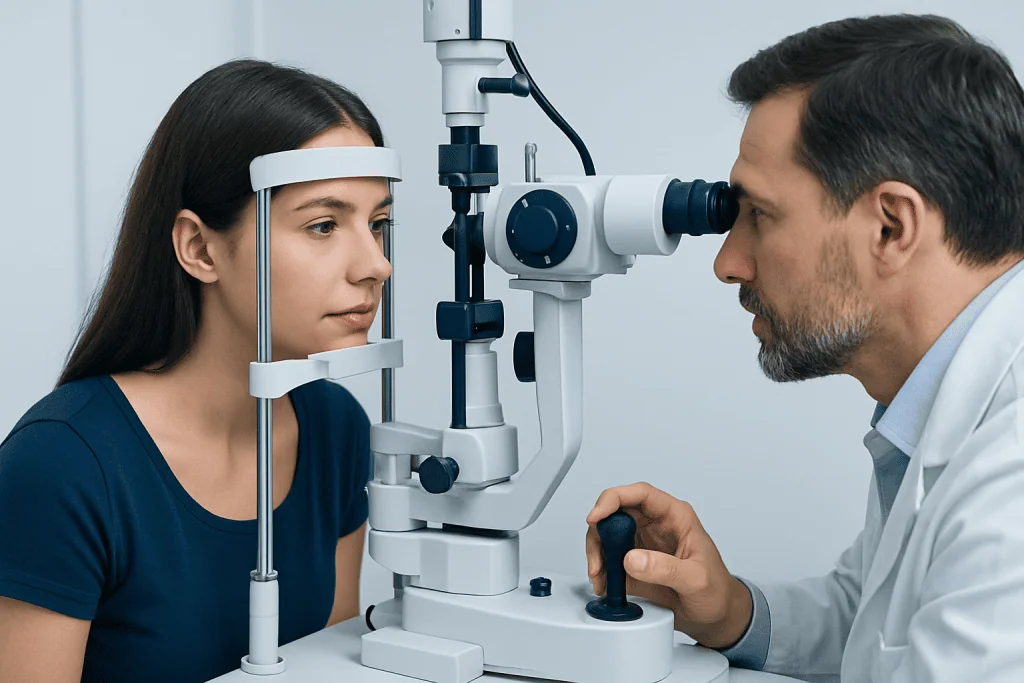
Many adults and teenagers can wear contact lenses safely if they are motivated and can follow instructions carefully. Good candidates typically have healthy corneas, stable vision, and enough tear production to keep the eyes comfortable. They are also willing to remove, clean, replace, and store lenses exactly as directed.
People with common refractive errors often do well with contact lenses. These include nearsightedness, farsightedness, and astigmatism. Some contact lenses can also help people who need multifocal correction for near and distance vision.
Lifestyle matters as much as the prescription. Contact lenses may be especially helpful for people who play sports, dislike eyeglass frames, or want unobstructed side vision. Candidates who work in dusty, smoky, or very dry environments may still be able to wear lenses, but they often need extra guidance, special lens materials, or more limited wearing times.
Children and adolescents may also be candidates in selected situations, but success depends on maturity, hygiene, and family support. The key question is not age alone, but whether the person can consistently use the lenses safely and responsibly.
What Can Limit Contact Lens Use

Some people are not ideal candidates for regular contact lens wear, or may only tolerate certain types of lenses. Dry eye is one of the most common limiting factors. If the tear film is unstable, lenses may feel scratchy, blurry, or irritating, especially late in the day or during screen use.
Eye allergies, inflamed eyelids, and a history of repeated eye infections can also make lens wear difficult. People with active eye redness or conjunctivitis should not wear contact lenses until an eye doctor confirms that it is safe to restart. Wearing lenses over an inflamed or infected eye can delay healing and increase the risk of more serious complications.
Corneal shape and surface health are also important. Irregular corneas, scarring, previous injuries, or certain eye diseases may require highly specialized fitting or may make standard soft lenses unsuitable. In some cases, lenses can still be used successfully, but the person may need a different lens design, closer follow-up, or care from a corneal specialist.
Some habits and health conditions can raise risk as well. Sleeping in lenses when not prescribed, poor hand hygiene, smoking, and water exposure such as showering or swimming in lenses can all increase the chance of irritation or infection. Certain medications and systemic conditions that affect tear production may also reduce comfort and tolerance.
How Doctors Decide If Someone Is a Candidate
A contact lens assessment begins with a detailed eye history and a full vision examination. During an eye examination, the doctor checks the prescription, corneal health, eyelids, tear film, and the front surface of the eye. This helps identify whether the eyes can support safe lens wear and what type of lens may work best.
The fitting process is individualized. The doctor measures the curvature and size of the eye and may test different lenses to evaluate movement, comfort, and visual clarity. A lens that feels acceptable at first still needs to fit correctly, allow enough oxygen to reach the cornea, and remain stable during blinking.
If symptoms such as dryness, fluctuating vision, or discomfort are present, the doctor may investigate the cause before prescribing lenses. Sometimes the best approach is to first treat the underlying surface problem, then reassess lens wear later. This is one reason self-prescribing cosmetic or online lenses without professional fitting is unsafe.
Follow-up visits are an important part of candidacy. A person is only a good candidate if they can return for checks when needed, report symptoms early, and update their prescription and lens plan over time.
Types of Contact Lenses and How They Affect Suitability
There is no single best contact lens for everyone. Soft daily disposable lenses are often a good starting option because they are convenient and reduce the need for cleaning and storage. For many users, this lowers the risk of buildup on the lens and may support better hygiene.
Other people may need reusable soft lenses, toric lenses for astigmatism, multifocal lenses, or rigid gas permeable lenses. Rigid lenses can provide excellent vision in selected cases, especially when the corneal surface is less regular, but they may take longer to get used to. Specialty lenses such as scleral lenses can be considered for some people with more complex corneal or surface problems.
Wearing schedule also matters. Some lenses are approved only for daily wear and must be removed before sleep. Others may be designed for longer wear, but overnight use still increases risk and is not appropriate for everyone. An eye specialist helps match lens type and wearing schedule to the person’s eye health and routine.
For people who want freedom from both glasses and contact lenses, refractive surgery may be discussed as an alternative. In carefully selected patients, options such as LASIK or ReLEx SMILE may reduce dependence on corrective lenses, though not everyone is eligible and an individual eye evaluation is essential.
Benefits, Risks, and Safe Self-care
When used correctly, contact lenses can provide clear vision, convenience, and confidence in everyday life. They do not fog like glasses, do not slide during movement, and can be practical for exercise and active work. Many users also appreciate the more natural visual field they provide.
Still, contact lenses carry real risks if they are used incorrectly. Problems can include dryness, irritation, allergy-related discomfort, corneal scratches, and infection. A serious corneal infection can threaten vision, which is why redness, pain, light sensitivity, discharge, or sudden blurred vision should always be taken seriously.
Safe self-care is central to successful lens wear. Helpful habits include:
- Washing and drying hands before touching lenses
- Using lenses only for the approved wearing time
- Replacing lenses and cases on schedule
- Never sharing lenses with another person
- Keeping lenses away from tap water, pools, and hot tubs unless specifically advised otherwise
- Stopping lens wear and seeking medical advice if the eyes become painful, red, or unusually sensitive to light
Comfort should not be forced. If a person repeatedly struggles with irritation despite doing everything correctly, it may mean the fit, material, wear schedule, or even the idea of contact lenses itself needs to be reconsidered.
When Contact Lenses May Not Be the Best Choice
Sometimes the limits of contact lenses are practical rather than medical. A person who frequently forgets lens care steps, sleeps in lenses unintentionally, or cannot keep hands clean during work may face a higher risk of complications. In these cases, glasses or another form of vision correction may be safer.
Some people simply do not feel comfortable with lens insertion and removal, even after training. Others have eyes that become too dry in air-conditioned offices, on long flights, or during extended screen use. These challenges do not mean failure, but they may make regular wear less realistic or less comfortable.
There are also situations where contact lenses should be paused, such as during an active eye infection, after some eye injuries, or when the eye surface is healing after certain treatments. People with changing prescriptions, significant corneal disease, or unexplained vision changes may need additional evaluation before continuing lens wear.
If contact lenses are not suitable, alternatives can still offer excellent vision correction. Glasses remain the safest option for many people, and some may be candidates for laser vision correction or other ophthalmic procedures after a full specialist review.
When to See a Doctor and Getting Expert Help
Anyone considering contact lenses should have a professional fitting rather than choosing lenses independently. Medical advice is especially important for people with dry eye symptoms, allergies, previous eye surgery, diabetes, recurrent infections, or a history of corneal problems. A tailored plan helps reduce avoidable complications and improve long-term comfort.
Prompt medical care is needed if symptoms develop while wearing lenses. Warning signs include increasing redness, pain, discharge, swelling, reduced vision, light sensitivity, or the feeling that something is stuck in the eye. Lenses should be removed unless a doctor has advised otherwise, and they should not be worn again until the eye has been assessed.
Ongoing review is part of safe lens use, even when the eyes feel fine. Regular checkups allow the doctor to detect silent surface changes, update the prescription, and confirm that the chosen lens still fits well over time.
For patients who need specialist evaluation or treatment, Acibadem International’s multidisciplinary eye specialists in JCI-accredited hospitals diagnose and manage a wide range of eye conditions affecting contact lens use, including corneal and surface disorders.
Frequently asked questions
Can anyone with a glasses prescription wear contact lenses?
Not always. Many people with a glasses prescription can wear contact lenses, but eligibility also depends on eye health, tear quality, corneal shape, and the ability to use lenses safely. A professional fitting is needed to determine whether contact lenses are appropriate.
Are contact lenses safe for people with dry eyes?
Some people with mild dry eye can still wear certain types of contact lenses, especially with careful management. Others may find lenses uncomfortable or may be advised to treat the dry eye first. The safest plan depends on the severity and cause of the dryness.
Is it safe to sleep in contact lenses?
Sleeping in contact lenses increases the risk of eye irritation and infection, even with lenses designed for extended wear. It should only be done if an eye doctor has specifically prescribed that schedule. In general, removing lenses before sleep is safer.
What symptoms mean contact lenses should be removed right away?
Pain, significant redness, sudden blurred vision, light sensitivity, discharge, or a strong feeling of something in the eye are important warning signs. The lenses should be removed and the eye assessed by a qualified clinician. Wearing them again before medical advice can worsen the problem.
Are daily disposable lenses better than reusable lenses?
Daily disposable lenses are often simpler to use and may reduce some hygiene-related risks because a fresh lens is used each day. Reusable lenses can also work well when cared for correctly. The best choice depends on eye health, budget, wearing pattern, and the doctor’s recommendation.
Can teenagers wear contact lenses?
Yes, many teenagers can wear contact lenses successfully if they are mature enough to handle them properly. Good hygiene, reliable routines, and parental support can make a big difference. The decision should be based on responsibility and eye health rather than age alone.
This article is for general information only and is not a substitute for professional medical advice. Please consult a qualified doctor about your individual situation.
Contact Lenses in Turkey — costs, top hospitals & a free quote
JCI-accredited · board-certified surgeons · reply within 24h
Add us as a Preferred Source to see more of our trusted health content across Google Search, AI Overviews and Discover.

Ophthalmology
Comprehensive eye care from laser vision correction to retina, cornea and cataract surgery.
75 specialists in this unitRelated Treatments
More from the Health Library
What Is LASIK Eye Surgery? A Beginner’s Guide
LASEK Surgery Side Effects: Risks and Recovery Tips

Retinal Tear vs Retinal Detachment: Key Differences and Urgent Signs
Glaucoma: Silent Vision Loss and How It Is Treated
Diabetic Retinopathy Screening: Early Warning Signs and Treatment Choices