Eyebrow Transplant Recovery: Healing Timeline and Aftercare

Mild redness, swelling, tiny crusts, and tenderness are common in the first days after an eyebrow transplant. Transplanted hairs often shed in the first few weeks before new growth starts later.
Key Takeaways
- Mild redness, swelling, tiny crusts, and tenderness are common in the first days after an eyebrow transplant.
- Transplanted hairs often shed in the first few weeks before new growth starts later.
- The final shape and density usually take several months to become clear.
- Gentle cleansing, avoiding rubbing, and following the surgeon’s instructions are essential for healing.
- Persistent pain, spreading redness, fever, pus, or sudden graft loss should be assessed by a doctor.
Eyebrow transplant recovery is usually gradual and predictable, with most early healing happening in the first two weeks and fuller cosmetic results developing over several months. Good aftercare, patience, and regular follow-up help protect the transplanted grafts and support natural-looking growth.
Overview of Eyebrow Transplant Recovery
Eyebrow transplant recovery refers to the healing period after hair follicles are moved, usually from the scalp, into the eyebrow area. The goal of the procedure is to restore eyebrow fullness, reshape the brow, or replace hair lost from overplucking, injury, scarring, aging, or some medical conditions. Recovery is generally well tolerated, but the area is delicate, so careful aftercare matters.
Most people notice a sequence of normal healing changes. In the first few days, the eyebrows may look darker or more textured because of tiny crusts around the grafts. Mild swelling, redness, and sensitivity can happen, especially around the forehead or eyelids. These early changes usually improve steadily.
It is also important to understand that recovery is different from final results. The transplanted hairs often shed after the first few weeks, which can be surprising but is usually expected. New growth then begins gradually, and the appearance continues to improve over several months.
Patients considering or recovering from eyebrow transplant may also hear their surgeon discuss donor harvesting techniques such as FUE hair transplant, which can influence how the donor area heals as well as the eyebrow area.
Healing Timeline: What to Expect Week by Week
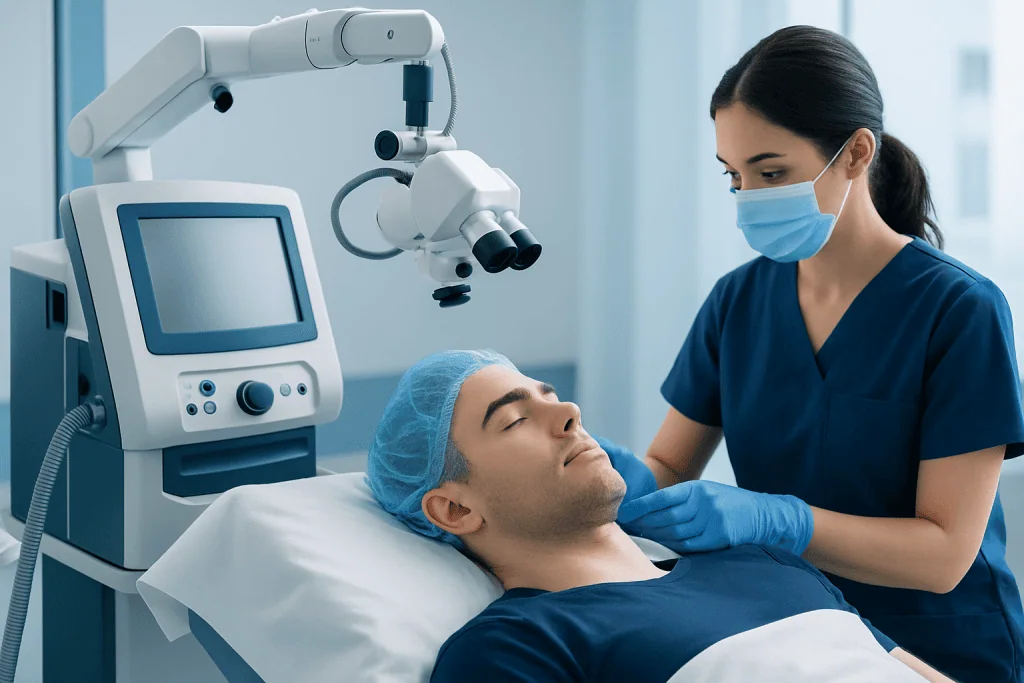
During the first 24 to 72 hours, the transplanted area often looks red and slightly swollen. Small pinpoint scabs form around each graft, and the brows can feel tight or tender. Some swelling may move downward toward the eyelids because of gravity, especially in the first few mornings. This usually settles on its own.
By the end of the first week, crusting becomes more noticeable before it starts to loosen and clear. The brows may appear uneven at this stage, but this does not reflect the final result. Patients are usually advised not to pick at scabs or rub the area, since this can disturb healing grafts.
From about two to six weeks, many transplanted hairs shed. This is often called shock shedding and is a common part of the cycle. The follicle remains under the skin even when the visible hair falls out. New growth often starts after a few months, usually becoming more visible between three and six months.
Fuller results typically continue to develop from six months onward, with many people seeing a more mature result by around nine to twelve months. Because scalp hairs may keep growing longer than natural eyebrow hairs, ongoing trimming is often part of long-term maintenance.
Common Symptoms During Recovery
Several symptoms are considered normal after an eyebrow transplant. These may include mild redness, swelling, itching, tightness, small crusts, temporary numbness, and light discomfort in the eyebrow or donor area. For many patients, these symptoms are manageable and improve within days to a couple of weeks.
Itching can occur as the skin heals, but scratching should be avoided. Small pimples or ingrown hairs may occasionally appear later as new hairs begin to emerge. These should not be squeezed unless a doctor specifically advises how to manage them.
The donor site, often on the scalp, may also feel sore or sensitive. If the surgeon used a method designed to keep surrounding hair more discreet, such as hair transplant without shaving, instructions for washing and caring for the donor area may differ slightly.
Some people need extra evaluation before or after eyebrow transplantation if they have skin or hair loss disorders that affect the face or scalp, such as alopecia areata, seborrheic dermatitis, or contact dermatitis. These conditions can influence comfort, healing, or graft survival and should be managed with a dermatologist or transplant specialist.
Aftercare Tips to Protect the Grafts
Good aftercare helps reduce irritation and supports graft healing. Patients should follow the specific washing, moisturizing, and medication plan given by their surgeon, because timing can vary by technique and clinic protocol. In general, the transplanted area should be handled very gently during the first days.
Useful aftercare steps often include:
- Sleeping with the head slightly elevated for the first few nights if advised
- Avoiding rubbing, scratching, or picking at crusts
- Using only the approved cleanser, spray, or ointment
- Keeping makeup, harsh skincare products, and fragranced products away from the brows until the doctor says they are safe
- Avoiding intense exercise, saunas, steam rooms, and swimming for the recommended period
- Protecting the area from strong sun exposure
Patients should also be careful with hats, towels, pillowcases, and clothing that could catch on the brows. If cleansing is recommended, it is usually done with light dabbing rather than pressure. Even when the area starts to look better, the grafts are still settling in during the early phase.
Some clinics may discuss broader options within hair operations if a person has both eyebrow thinning and scalp hair concerns. However, recovery guidance should always focus on the exact procedure the patient had.
What Can Affect Recovery and Final Results
Healing time and cosmetic outcome can vary from person to person. Factors that may influence recovery include overall health, smoking status, circulation, skin sensitivity, scar tendency, and how closely aftercare instructions are followed. The experience of the surgical team and the way grafts are placed also matter.
The reason for eyebrow hair loss is especially important. If thinning is related to repeated overplucking alone, graft survival may be more predictable than in someone with an ongoing inflammatory or autoimmune condition. Before surgery, a specialist may look for active skin disease, infection, or unstable hair loss that could affect results.
The natural behavior of transplanted hairs also influences the appearance. Because donor follicles usually come from the scalp, they can grow faster and longer than native eyebrow hairs. This is why transplanted brows often need regular trimming and sometimes careful styling to keep a natural shape and direction.
People seeking a revision after an unsatisfactory prior procedure may need a different plan, such as hair transplant repair. In these cases, healing may depend on scar tissue, previous graft placement, and the condition of the remaining donor hair.
Managing Daily Life During Recovery
Many people can return to non-strenuous daily activities relatively soon, depending on their comfort level and the advice of their surgeon. However, visible redness or crusting can make some patients prefer a short social break. It is usually best to avoid activities that cause heavy sweating or friction around the brows early on.
Face washing, showering, and hair care should be done carefully. Patients are often advised to avoid direct water pressure on the eyebrows at first. Brow pencils, gels, tinting products, and cosmetic treatments should only be restarted after medical clearance, since these can irritate healing skin or dislodge crusts too early.
Exercise commonly needs to be limited for a period recommended by the surgical team. Strenuous workouts can increase swelling and sweating, while swimming pools and open water may raise the risk of irritation or infection. Sun protection is also important because healing skin can be more prone to discoloration.
Emotional expectations are part of recovery too. The temporary shedding phase can feel disappointing, but it does not usually mean the transplant has failed. Patients often benefit from understanding the timeline in advance and keeping follow-up appointments so the doctor can monitor progress and answer questions.
Possible Complications and When to See a Doctor
Eyebrow transplant recovery is usually straightforward, but complications can happen. These may include infection, excessive swelling, prolonged redness, poor graft growth, ingrown hairs, noticeable scarring, or an unnatural direction or density of hair growth. Some issues become clear early, while others are only apparent once regrowth begins.
Patients should contact their doctor if they notice worsening pain instead of gradual improvement, spreading redness, warmth, foul-smelling drainage, pus, fever, significant bleeding, or sudden loss of many grafts. These signs do not always mean a serious problem, but they deserve medical review.
It is also sensible to seek advice if itching becomes severe, if the scabs do not improve as expected, or if pimples and inflammation develop later during regrowth. In people prone to raised scars or with a history of keloid, any unusual thickening or scar change should be assessed promptly.
Near the end of recovery, some patients may wish to discuss brow refinement, hair direction concerns, or overall facial hair restoration options. Acibadem International’s multidisciplinary specialists in JCI-accredited hospitals diagnose and treat this condition for international patients and can advise on follow-up care when needed.
Frequently asked questions
How long does eyebrow transplant recovery take?
Early healing usually happens within the first one to two weeks, when redness, swelling, and scabbing gradually improve. However, full cosmetic recovery takes longer because transplanted hairs often shed first and then regrow over several months.
Is shedding normal after an eyebrow transplant?
Yes, temporary shedding of the transplanted hairs is commonly expected in the first few weeks. The visible hairs fall out, but the follicles usually remain in place and can begin producing new growth later.
When can normal eyebrow grooming start again?
This depends on the surgeon’s instructions and how the skin is healing. In general, trimming, makeup, tinting, and other grooming steps should wait until the doctor confirms the grafts are stable and the skin has recovered enough.
How should the eyebrows be cleaned after surgery?
The area should only be cleaned exactly as the surgeon recommends, usually with very gentle washing or dabbing rather than rubbing. Picking crusts or using unapproved skincare products can irritate the area and may affect healing.
Will transplanted eyebrow hairs need maintenance?
Often, yes. Because the donor hairs usually come from the scalp, they may continue to grow longer and faster than natural eyebrow hairs, so regular trimming is commonly needed.
What signs suggest a problem during recovery?
Patients should seek medical advice if they develop increasing pain, spreading redness, pus, fever, unusual bleeding, or swelling that worsens rather than improves. A doctor should also assess delayed healing, severe itching, or concerns about poor graft growth.
References
- American Academy of Dermatology
- American Society of Plastic Surgeons
- International Society of Hair Restoration Surgery
- National Health Service
- Mayo Clinic
This article is for general information only and is not a substitute for professional medical advice. Please consult a qualified doctor about your individual situation.
Eyebrow Transplant in Turkey — costs, top hospitals & a free quote
JCI-accredited · board-certified surgeons · reply within 24h

Hair Transplant
Modern FUE and DHI hair restoration with natural, lasting results.