FUE Hair Transplant
FUE hair transplant is a minimally invasive hair restoration method that moves individual follicles from donor areas to thinning or bald regions for natural-looking, permanent growth.
Quick answer
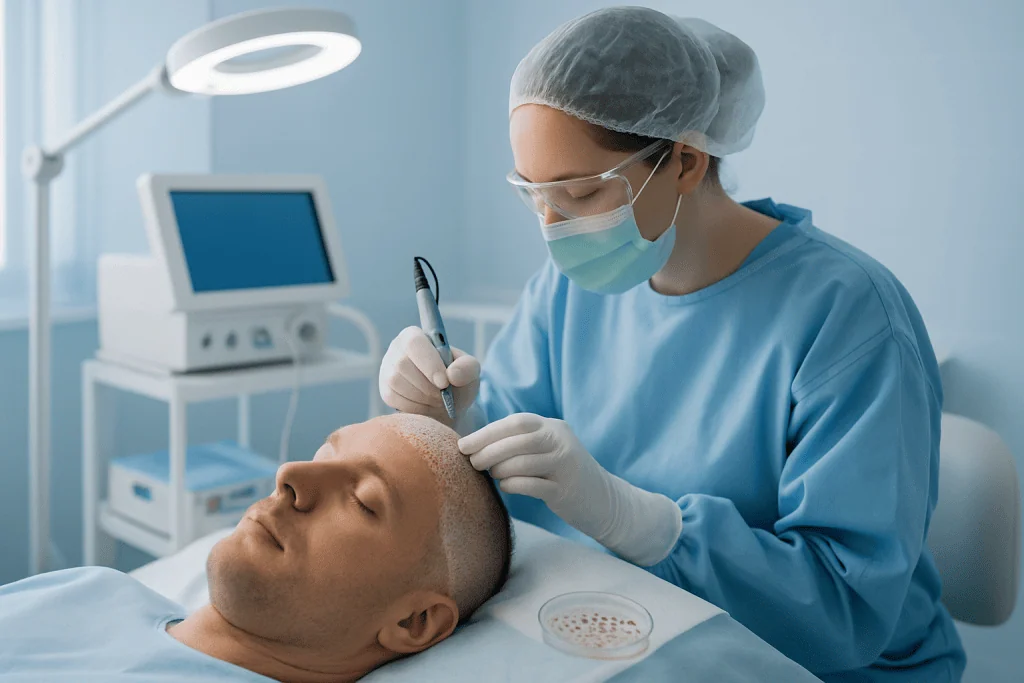
FUE (follicular unit extraction) is a hair transplant technique in which individual follicular units are removed one by one from the back and sides of the scalp and implanted into thinning or bald areas. It is performed under local anaesthesia, usually as an outpatient procedure, leaves no linear scar, and new growth develops gradually over the months that follow.
What Is FUE Hair Transplant?
FUE hair transplant, short for follicular unit extraction, is a minimally invasive surgical method in which individual follicular units are removed one by one from a donor area, usually the back and sides of the scalp, and implanted into areas of thinning or baldness. A follicular unit is a naturally occurring group of one to several hairs, and transplanting these units individually allows a surgeon to rebuild a hairline, improve density, fill the crown or restore hair in selected areas with a natural pattern. Turkey is one of the most established destinations for this procedure, and many international patients plan an FUE hair transplant in Turkey as a combined medical and travel decision. This page explains what the surgery actually involves, who it suits, what recovery looks like and how to weigh up the practicalities, wherever you choose to have it.
The logic behind the procedure is simple, even if the execution is not. Hair at the back and sides of the scalp is usually more resistant to the hormonal effects that drive common pattern hair loss. When follicles from these zones are moved to the front, top or crown, they generally keep many of their original characteristics and continue to grow in their new position. This is why transplanted hair is often described as permanent. The important caveat: your native, non-transplanted hair may continue to thin over time. A hair transplant redistributes the hair you already have, it does not create new follicles, so long-term planning matters as much as the surgery itself.
How does FUE differ from the older strip (FUT) method?
FUE differs from the strip method in how the donor hair is harvested. In strip surgery, a linear section of scalp is removed from the back of the head and the follicular units are dissected from it, which leaves a linear scar. FUE instead extracts follicular units through tiny circular openings. These heal as small dot-like marks that are typically difficult to see when the hair is worn at an appropriate length, and there is no long incision to close. Recovery is usually shorter and more comfortable, which is why FUE is often preferred by patients who wear shorter hairstyles or simply want a less invasive approach.
It is worth being clear about one thing early: FUE is not merely an extraction technique. A successful procedure also involves medical analysis, donor management, recipient site design, hairline artistry, careful graft preservation and disciplined postoperative care. The direction, angle, density and distribution of every graft influence how the final result looks, both in the first year and a decade later. That is why FUE should be planned by experienced physicians and performed by trained teams working under proper medical supervision, not treated as a commodity measured in graft counts.
Why People Consider a Hair Transplant
Hair loss tends to feel deeply personal. For some people it begins as a widening part, a receding hairline or gradual thinning at the crown. For others it follows scarring, surgery, burns or a previous procedure that did not meet expectations. Whatever the cause, the decision to seek treatment is rarely only cosmetic. Hair contributes to how people recognise themselves, present themselves professionally and feel in social situations, and losing it can affect confidence in ways that are easy to underestimate from the outside.
Most patients who research a hair transplant have already tried something else: medical treatment, cosmetic camouflage, supplements or styling changes. Their questions are usually practical. Will the result look natural? How much does it hurt? Will there be visible scarring? Do I have to shave my head? How long before I can go back to work without anyone noticing? A hair transplant and the decision about where to have it are two separate questions, and international patients add a third layer: how care is planned before arrival, how many days to stay, and what follow-up looks like after returning home. All of these are answered below.
One principle runs through everything on this page. The best results depend on more than the number of grafts. They require a medically sound diagnosis, a realistic design, respect for the donor area, precise handling of living follicles and an understanding of how hair loss may progress over time. At Acibadem, patients are evaluated with this broader perspective, so that FUE is considered not as a one-day cosmetic purchase but as one part of a personalised, long-term plan.
Who May Be a Candidate for FUE?
FUE may be considered for men and women with stable or progressive hair thinning when there is enough donor hair to create a meaningful improvement. The most common indication is androgenetic alopecia, male or female pattern hair loss. In men, this typically appears as recession at the temples, thinning at the crown, or both. In women, it more often presents as diffuse thinning over the top of the scalp or a widening part line, sometimes with the frontal hairline partly preserved; suitability in women depends heavily on the stability of the donor zone and often calls for dermatological assessment first, which is one reason candidacy criteria differ between the sexes.
People usually seek evaluation when hair no longer provides the coverage they want, when photographs show increasing scalp visibility, or when medical treatment alone has not achieved enough improvement. Some come for hairline restoration; others are more concerned about crown coverage or overall density. FUE can also be used, in selected cases, for eyebrow, beard, moustache or scar-related restoration, depending on tissue quality and donor availability.
How is hair loss diagnosed before surgery?
Diagnosis begins with a detailed medical history, not a graft quote. Your physician will want to know when the hair loss started, how quickly it is progressing, whether there is a family history, which treatments you have already used, and whether you have conditions such as thyroid disease, anaemia, autoimmune disease, recent major illness or hormonal changes. Medications, nutrition, stress, pregnancy, significant weight loss and prior scalp procedures may all be relevant to the picture.
A scalp examination then establishes the pattern and stage of loss, the density and quality of the donor hair, the condition of the scalp, the degree of follicle miniaturisation, and whether the loss appears stable enough for transplantation. In some patients, digital imaging, trichoscopy, laboratory tests or a dermatology referral may be recommended. This step is especially important for women, younger patients, anyone with diffuse thinning, and anyone with redness, scaling, itching, pain or scarring on the scalp, signs that something other than simple pattern loss may be at work.
When is FUE not the right first step?
FUE is not the right first step when the shedding is temporary, when the underlying cause is untreated, when the donor area is weak, or when expectations do not align with what surgery can safely deliver. In those situations, other treatment usually comes first. A careful consultation exists precisely to avoid the classic failure modes of rushed surgery: an overharvested donor area, an unnaturally low hairline, insufficient density spread too thin, or a result that looks acceptable at thirty and wrong at fifty.
Where does FUE fit among hair restoration options?
Hair restoration covers a spectrum, and surgery sits at one end of it. Medical therapy aims to slow or stabilise ongoing loss; camouflage and non-surgical approaches manage appearance; transplantation redistributes healthy follicles to where they are most visible. These approaches are not rivals, in many patients they work together, with medical management protecting native hair while transplanted grafts rebuild the areas that matter most. A responsible clinic will tell you honestly which combination fits your situation, including when surgery should wait.
Conditions and Indications FUE Hair Transplant Can Address
FUE hair transplant is most commonly used to treat androgenetic alopecia, but its applications extend beyond typical pattern loss. Suitability always depends on the cause of the hair loss, the condition of the scalp, the quality of the donor hair and what you actually want to achieve.
- Male pattern hair loss: FUE may restore a receding hairline, fill the temples, improve frontal density or add coverage to the crown in appropriately selected patients.
- Female pattern hair loss: Selected women with adequate donor hair and a defined area of thinning may benefit from increased density, often in combination with medical management. Planning for a hair transplant for women follows its own assessment pathway, because diffuse thinning must be ruled out or stabilised first.
- Hairline refinement: Patients with naturally high hairlines, or concerns about a previous hairline design, may be candidates if the donor area is suitable and expectations are realistic.
- Scarring after injury or surgery: FUE may help camouflage stable scars from trauma, burns, previous surgery or earlier transplant procedures, provided the tissue has adequate blood supply.
- Eyebrow restoration: In selected cases, individual grafts can improve eyebrow density or shape, work that demands very precise control of angle and direction.
- Beard and moustache restoration: FUE may improve patchy facial hair or reconstruct areas affected by scars, depending on skin quality and donor planning.
- Correction of previous results: Some patients seek revision for pluggy grafts, unnatural hairlines, low density or visible donor depletion. Hair transplant repair cases need particularly careful assessment, because donor reserves are often already reduced.
FUE is usually not appropriate as a first move when hair loss is caused by an active inflammatory scalp disease, an uncontrolled medical condition, temporary shedding or widespread miniaturisation of the donor zone. In these situations the underlying cause must be addressed before any surgical planning. The goal is never simply to place grafts: it is to create a result that remains appropriate as you age.
How FUE Hair Transplant Is Performed
FUE is typically performed as an outpatient procedure under local anaesthesia. The plan is personalised according to the recipient area, hair characteristics, donor capacity, scalp laxity, your age and your expected future hair loss. Depending on graft numbers and case complexity, the procedure may take several hours, and larger cases are sometimes divided into more than one session. In outline, the day follows a consistent sequence:
- Final examination and design, with the hairline or recipient plan marked and agreed.
- Donor area preparation and local anaesthesia.
- Extraction of follicular units, one by one.
- Sorting and preservation of grafts under controlled conditions.
- Creation of recipient sites at planned angles, directions and densities.
- Implantation of the grafts.
- Final check, dressing where needed, and a full review of aftercare instructions.
Preparation before the procedure
Preparation begins well before the surgical day. The physician evaluates the scalp, estimates donor capacity, discusses your goals and designs a hairline or recipient distribution suited to your facial proportions and pattern of loss. A natural hairline is not a straight, dense wall of hair. It uses fine single-hair grafts at the leading edge, subtle irregularity and age-appropriate positioning, details that separate a result people notice from one they cannot detect.
You will be asked about your medical history, current medications, allergies, previous surgeries and any history of bleeding problems or poor wound healing. Some medications and supplements can affect bleeding or healing; whether anything should be adjusted before surgery is a decision that belongs entirely to your treating doctor, made case by case. Smoking affects circulation and healing, so patients are often advised to stop before and after surgery, and alcohol may be restricted in the surrounding days.
For international patients, much of this planning can begin before travel, through secure exchange of photographs and medical information reviewed by a physician. The final design and confirmation of suitability, however, happen in person: a scalp examination and hands-on donor assessment cannot be fully replaced by photographs.
Donor area preparation and local anaesthesia
On the day, the donor and recipient areas are prepared. In most FUE cases the donor area is trimmed or shaved to allow precise extraction. Some patients are candidates for limited-shave or no-shave approaches: an unshaven (U-FUE) hair transplant is possible in selected cases, though it depends on graft numbers, hair length and technical requirements, and it is not suitable for everyone. The scalp is cleaned and local anaesthesia is administered; the injections themselves are the least pleasant moment for most people, after which the procedure is generally well tolerated. You remain awake throughout and can usually take breaks as needed.
Extraction of follicular units
The physician and surgical team extract follicular units one by one using fine circular punches. The aim is to remove grafts while preserving the surrounding tissue and keeping the donor area evenly distributed, overharvesting leaves visible thinning that no styling can hide, so careful spacing and donor management are essential. Extracted grafts are examined and sorted according to the number of hairs, size and quality.
Magnification and precise instrumentation reduce trauma to the follicles during this stage. Once outside the body, grafts are kept in appropriate holding solutions under controlled conditions to support their viability. Gentle handling genuinely matters here: follicles are living tissue and can be damaged by dehydration, crushing, temperature stress or prolonged exposure. Much of the quality difference between clinics is invisible to the patient and happens at exactly this step.
Do most hair transplant surgeons use manual FUE or NeoGraft?
Practice varies, and there is no single standard across clinics. Many teams use motorised rotary punch systems for extraction, NeoGraft is one branded example of such a device, because they can speed harvesting in suitable hair types. Manual punches remain in use as well, and some surgeons prefer them for fine, fragile or curly hair where a slower, more tactile approach reduces transection. The honest answer is that the instrument matters far less than the person holding it: extraction quality depends on the operator’s skill, the punch size chosen, and how carefully grafts are handled afterwards, not on the brand name of the tool.
Recipient site creation
The recipient area is then prepared: tiny openings are created in the scalp at specific angles, directions and densities. This step strongly shapes the final appearance. Hair at the front of the scalp grows differently from hair at the temples or crown: the crown has a swirl pattern, while the frontal hairline needs soft, irregular placement. Matching these natural patterns is what allows transplanted hair to blend seamlessly with what you already have.
The number of grafts allocated to each area is planned according to cosmetic priority and donor limitations. The frontal frame of the face may be prioritised in one patient, while crown coverage is deferred to a later session if donor supply allows. A responsible plan always balances what you want now against what you may need later.
Implantation of grafts
Once the sites are ready, the follicular units are implanted with careful attention to hydration, depth, orientation and distribution. Single-hair grafts typically form the leading edge of the hairline for softness, with two- and three-hair grafts placed behind them to build density. Technique variants exist within this framework: a Sapphire hair transplant uses sapphire blades to create the recipient incisions, while DHI hair transplant uses implanter pens that open the site and place the graft in one movement. Each has sensible use cases; none is a magic upgrade. Motorised extraction tools, high-magnification visualisation, refined implantation instruments, digital planning aids and controlled graft storage all support precision and consistency, but their value lies in how experienced clinicians use them, not in the devices themselves.
Immediately after the procedure
After implantation, the scalp is checked and your postoperative instructions are reviewed in detail. Some patients leave with a light dressing on the donor area, while the recipient area is usually left open or managed according to the clinic’s protocol. Mild swelling, redness, tightness and small crusts around the grafts are expected, and discomfort is typically manageable with the medication your team prescribes or recommends. You will receive specific guidance on sleeping position, washing, activity restrictions, sun protection and, above all, how to avoid rubbing or dislodging grafts in the first days. Patients travelling from abroad should build their schedule around an initial recovery period and a physician review before flying home; the right length of stay depends on the size of the procedure, your overall health and your travel distance.
Recovery After FUE Hair Transplant
Recovery varies from person to person, but most patients follow a recognisable pattern. The table below gives the broad shape; for a granular view, the guide to the hair transplant recovery timeline, day by day and month by month, walks through each stage, and the complete post-op aftercare instructions cover washing, sleeping and activity in practical detail.
| Time Period | What Patients Can Expect |
|---|---|
| Day 1 | Mild soreness, redness, swelling or tightness may be present. Patients receive instructions on sleeping position, medications and protecting the grafts. |
| First Week | Small crusts form around grafts and begin to loosen with proper washing. Strenuous exercise, sun exposure, rubbing and hats that press on the grafts are usually avoided. |
| First Month | Many transplanted hairs shed, which is expected. Redness gradually fades, and most patients return to normal social and professional activities. |
| Three to Six Months | New growth often begins as fine, soft hair. Coverage may appear uneven at first as follicles enter growth at different times. |
| Six to Twelve Months | Density, length and texture continue to improve. The frontal area often matures earlier than the crown. |
| Longer Term | The transplanted hair can be cut, washed and styled like other hair. Ongoing care may be recommended to protect native hair and maintain the overall result. |
When does new hair start to grow after FUE?
Growth follows shedding, and the shedding comes first. In the weeks after a hair transplant hair that was implanted commonly falls out: an alarming sight if nobody warned you, but a normal part of the hair growth cycle. The follicles remain safely in the scalp and gradually begin producing new hairs over the following months. Early growth is often fine, soft and uneven, because follicles enter their growth phase at different times. Density and texture then improve progressively, with the most visible change developing across the middle of the first year. Final maturation can take a year or longer, and the crown is consistently the slowest region to fill in, patience there is not optional.
Benefits of FUE Hair Transplant
The potential benefits of FUE depend on careful candidate selection, sound surgical planning and disciplined postoperative care. When those conditions are met, this is what the technique offers.
| Benefit | What It Means for You |
|---|---|
| Natural-looking hair growth | Individual follicular units can be placed to match the angle, direction and pattern of surrounding hair, helping the result blend with your existing hair. |
| No linear donor scar | Because follicles are extracted one by one, FUE avoids the long incision associated with strip surgery and may suit patients who prefer shorter hairstyles. |
| Long-term improvement | Transplanted follicles from stable donor areas generally continue to grow over time, although future thinning of native hair may still need management. |
| Minimally invasive approach | The procedure is performed through tiny extraction and placement sites, usually under local anaesthesia with outpatient recovery. |
| Personalised design | The hairline, density and graft distribution are planned according to your age, facial structure, hair characteristics and long-term donor supply. |
| Options for selected scars or facial hair areas | In appropriate cases, FUE may improve eyebrow, beard, moustache or scar-related hair loss with specialised planning. |
Why Acting Early Matters
Hair loss is often progressive, and early evaluation does not mean early surgery. What it means is that a physician can identify the cause, stabilise ongoing loss where possible, and plan on your timetable rather than the hair loss’s. Early diagnosis may reveal treatable contributors, nutritional deficiency, hormonal imbalance, scalp inflammation, medication-related shedding, and addressing these can protect existing hair and improve the timing of any transplant.
Delay carries a specific, physical cost. Donor hair is finite: once follicles are removed, they do not regrow in the donor site, and the donor zone does not expand to meet demand. The longer hair loss advances before planning, the larger the area that needs coverage and the greater the strain on a limited supply. Patients who wait a long time may still be candidates, but the strategy often has to become more conservative, prioritising the frontal frame over full coverage.
There is also a decision-quality cost. People who reach the point of desperation tend to make choices under emotional pressure: an overly low hairline, an excessive graft count, treatment without a proper diagnosis. These choices can permanently compromise future options. A measured approach ensures the design fits both your current appearance and your likely future pattern of loss.
For younger patients, early medical assessment matters most of all. A very dense, low hairline may look appealing at twenty-five but become obviously artificial if the surrounding native hair keeps thinning behind it. In many young patients the responsible recommendation is medical therapy, observation or staged transplantation rather than immediate surgery. Acting early is about informed timing, not rushing under the knife.
What Determines a Good FUE Result
A good FUE result is the product of biology, planning, technique and aftercare, in that order of immovability. The first factor is donor quality. Patients with dense, stable donor hair and favourable hair calibre have more options than those with fine hair, diffuse thinning or miniaturisation in the donor zone. Colour contrast matters too: dark hair against light skin makes thinning more visible, while lower contrast can create the appearance of greater coverage from the same graft numbers.
The extent of hair loss is the second major factor. FUE redistributes existing follicles; it cannot manufacture new ones. If the balding area is large and the donor supply limited, the physician must prioritise where grafts will have the greatest visual effect, usually the frontal frame of the face before any attempt at full crown density. Age and future loss risk shape the design itself: a hairline appropriate for a young adult may not be appropriate later in life, which is why experienced teams are cautious about aggressive hairline lowering or very high graft counts in patients whose pattern is still evolving.
Scalp and general health come next. Active dermatitis, infection, psoriasis flares, scarring alopecia or inflammation may affect healing and graft survival. Patients with conditions such as uncontrolled diabetes, clotting disorders or immune-related disease may need additional evaluation before an elective procedure. A safe operation begins with understanding the whole patient, not just the scalp.
Surgical technique then translates biology into a result. Follicles must be extracted without excessive transection, preserved properly outside the body, and implanted at the correct depth and angle. Recipient sites must be dense enough to create real improvement but not so dense that blood supply is compromised, and donor extraction must be balanced to avoid visible depletion. Finally, aftercare closes the loop: patients who follow washing instructions, avoid trauma to the grafts, protect the scalp from sun and attend recommended follow-up are better positioned for healthy healing, while smoking, poor nutrition, uncontrolled medical conditions and unmanaged ongoing hair loss can all erode the outcome.
Expectations should be set honestly. FUE can significantly improve framing, coverage and density, but it cannot restore unlimited teenage density in someone with advanced loss. Some patients need more than one session to reach the desired effect, particularly for larger areas or revision work. The most satisfying results consistently come from a clear plan, careful prioritisation and a realistic understanding of the gradual growth timeline.
FUE Hair Transplant Cost: Understanding the Expenses
Hair transplant cost is usually the first thing people research and the hardest thing to research well, because there is no universal price, only a set of drivers that explain why quotes differ so widely. You will notice this page quotes no figures at all. That is deliberate: any number printed here would be wrong for most readers, because pricing depends on your individual case and can only be given after assessment.
What actually drives the price? The number of grafts your plan requires; the technique and instruments used; who performs each stage of the procedure: a physician-led team costs more to run than a technician-led one, and the difference shows in more than the invoice; the type of facility, since a hospital setting carries sterility, anaesthesia safety and emergency-readiness standards that a converted office does not; and what the quote includes, from medication and aftercare products to follow-up reviews. Beyond the surgical fee itself, hair transplant expenses for international patients also include flights, accommodation, local transfers and time away from work, so the full budget is always larger than the clinical quote alone.
How much does a FUE hair transplant cost?
There is no single answer, and any clinic that gives you a firm price before examining you is pricing a product, not planning a treatment. Clinics quote either per graft or per procedure, and the same headline number can hide very different offerings depending on team composition, facility standards and included aftercare. The useful question is not “what is the price?” but “what exactly does the price cover, and who will be doing the work?” Comparing quotes line by line, evaluation, surgery, medication, aftercare, follow-up, tells you far more than comparing totals.
How much do 3,000 hair grafts cost?
The cost of any specific graft count depends entirely on how the clinic prices its work: under per-graft pricing the number scales directly, while package pricing may cover a range of graft counts at one rate. But there is a prior question worth asking: is 3,000 grafts actually the right number for you? Graft counts should come out of a donor assessment and a coverage plan, not out of a marketing page. A well-planned smaller session that respects your donor capacity is worth more than a large number harvested from a donor area that cannot afford it.
FUE Hair Transplant in Turkey: Planning as an International Patient
For international patients, an FUE hair transplant in Turkey follows a fairly consistent pathway. Planning usually begins remotely: photographs and medical history are reviewed by a physician, a provisional assessment is made, and travel is scheduled around it. On arrival, the in-person examination confirms, or revises, the plan, because donor capacity and scalp condition can only be finally judged by hand and eye. The procedure itself typically occupies one long day. In the days that follow, the first supervised wash and a physician review take place before you fly, and you leave with written instructions, medication guidance and a channel for follow-up from home, usually through photographic reviews at set intervals.
Is it a good idea to get a hair transplant in Turkey?
It can be, provided the treatment is physician-led and performed in a proper medical setting. Turkey has deep collective experience with hair transplantation and treats large numbers of international patients, but the country name on the airport tells you nothing about an individual provider. The meaningful markers are the same everywhere: a genuine medical evaluation before anything is booked, a physician who designs the plan and is present in the surgery, a sterile hospital-grade environment, an honest willingness to say no to unsuitable candidates, and a structured aftercare pathway that continues after you leave. Where those markers are present, the geography is a practical detail. Where they are absent, no destination discount compensates.
How many days should you plan to stay?
Most FUE patients plan around an arrival-and-assessment day, the procedure day, and at least one further day for the first wash and physician review before flying home. The exact length depends on the size of the procedure, your overall health and your travel distance; larger or staged cases need longer. Your surgical team will advise on when flying is appropriate in your specific case and how to protect the grafts in transit, headrests, seat recline and cabin dryness all become briefly relevant. Building a small buffer into the trip is wiser than booking the earliest possible return.
Follow-up after you return home is a planning question, not an afterthought. Before travelling, it is worth understanding how reviews will be conducted remotely, in what language written instructions will be provided, who answers questions in the weeks after surgery, and what happens if something concerns you once you are back. A clinic that treats international patients routinely will have clear answers to all four.
How Long Do the Results Last?
How long do Turkey hair transplants last?
A hair transplant performed in Turkey lasts exactly as long as one performed anywhere else, longevity depends on the biology of the follicles and the quality of the planning, not on the country. Follicles taken from a genuinely stable donor zone generally continue to grow in their new position over the long term, because they carry their donor characteristics with them. What changes over the years is not usually the transplanted hair but the native hair around it, which may continue to thin according to your underlying pattern.
What happens 10 years after a hair transplant?
Ten years on, well-selected transplanted follicles are typically still growing. The variable is the frame around them: if native hair has continued to recede behind or beside the grafted zone, the result can begin to look isolated unless the original design anticipated that progression, which is precisely why conservative, age-proof planning matters at the outset. Some patients choose a second session years later to address new thinning; others manage native hair medically over the long term. Whether ongoing medical therapy has a role in your case is a decision for your treating doctor, made against your individual pattern and health: the guide on hair transplant results at one month, three months, one year and beyond explains how outcomes typically evolve over time.
Why International Patients Choose Acibadem for FUE Hair Transplant
Patients travelling for FUE want medical quality, clear communication, privacy and a care team that understands the practical realities of receiving treatment abroad. At Acibadem, hair restoration is approached through structured medical evaluation, individualised planning and coordinated support for international patients before, during and after their visit: the procedure is treated as medicine first and aesthetics second.
Physicians assess not only the visible hair loss but also the underlying pattern, donor capacity, scalp condition, medical history and long-term goals. When needed, patients are referred for dermatology evaluation, laboratory testing or other specialist input. This multidisciplinary mindset is especially valuable for women with diffuse thinning, patients with suspected scarring alopecia, individuals with complex medical histories, and those seeking correction after previous procedures: the cases where a graft count alone answers nothing.
Treatment plans are personalised in the full sense. The number of grafts, donor strategy, hairline design, shaving plan and timing are discussed against your anatomy and expectations, with the explicit aim of a result that looks natural in person and remains appropriate years later if native hair continues to thin. Modern diagnostic pathways and refined surgical tools, magnification, controlled graft preservation, careful planning, appropriate local anaesthesia, support precision throughout, but the judgement of the physician and the consistency of the team remain central.
International patient services carry the practical load. Acibadem International assists patients in a wide range of languages, helping with appointment coordination, medical document transfer, hospital navigation, interpretation and travel-related details, so that the medical journey is understandable from first review to final follow-up. Privacy is handled with sensitivity: many hair transplant patients prefer discretion, and the care teams are accustomed to detailed questions about timing, appearance during recovery, return to work and follow-up from home, answered in a language the patient actually understands.
The broader hospital environment matters too. Access to a comprehensive healthcare group is reassuring for patients who have medical conditions, take regular medications or need specialist input before an elective procedure. Most patients will not need extensive testing, but when medical complexity exists, the care can adapt to it rather than ignore it. Details of the full service scope are on the hair transplant medical unit page.
A Considered Decision
FUE can be a meaningful option for people who want natural-looking, long-term improvement in areas of thinning or loss. It works best when it starts from an accurate diagnosis, a realistic design and honest attention to how your hair loss is likely to progress, and worst when it is bought as a package measured only in grafts. Understand your donor capacity, ask who will perform each stage of the work, plan the recovery weeks properly, and treat the growth timeline as the year-long process it is. The surgery takes a day; the result is built by everything decided before it and everything done after it.
Preparation
- Before FUE hair transplant, the scalp and donor area are assessed, and the hairline is planned according to facial proportions and donor capacity. Patients may be asked to stop blood-thinning medicines, alcohol, and smoking for a short period if medically appropriate. Hair washing and eating instructions are provided before the procedure day.
Aftercare
- After the procedure, patients receive instructions for gentle washing, sleeping position, and protecting the grafted area. Mild swelling, redness, or crusting can occur and usually improves within days. Strenuous exercise, sun exposure, and scratching should be avoided until the medical team confirms healing.
Frequently Asked Questions
What affects the cost of an FUE hair transplant?
The main factors are the size of the thinning area, donor hair availability, technique selected, surgeon and team involvement, hospital or clinic standards, aftercare needs and whether travel-related services are included. A personalised quote is only possible after medical assessment and treatment planning.
How can I get a personalised quote?
You can request a complimentary consultation and share clear scalp photos, medical history, previous hair treatments and your goals. A specialist team can then review your suitability, estimate the treatment scope and explain what is included in the package.
Are flights and hotel included in the treatment cost?
In many international patient packages, accommodation support, transfers and translation assistance may be included or coordinated, but flights are commonly arranged separately. The exact inclusions should be confirmed in writing before booking.
Does a lower package cost mean lower quality?
Not necessarily. Cost is influenced by local operating expenses, package structure, clinic model and included services. Patients should compare medical credentials, accreditation, hygiene standards, physician involvement, realistic planning and aftercare rather than cost alone.
Will I need more than one hair transplant?
Some patients achieve their goals with a single plan, while others may need staged care because of advanced hair loss, limited donor supply or future progression. A specialist can explain what is realistic for your donor area and long-term hair loss pattern.
Is FUE hair transplant covered by insurance?
Hair transplantation for cosmetic hair loss is generally self-pay. Coverage can vary for reconstructive indications, so patients should check directly with their insurer and request a personalised medical and financial review.
Medically reviewed by the Acıbadem International Medical Board September 1, 2026
See our medical review board →
Update history
- PublishedJune 8, 2026
- Medical review approvedSeptember 1, 2026
- Last content updateSeptember 1, 2026
Read this treatment guide in your language
Planning this treatment in Turkey
Our English guides for international patients: costs, timelines, safety and travel.
Planning tools for this treatment
Indicative figures for orientation only: your written plan and quote follow a free medical review.
Trusted care for international patients
Hair transplant cost in Turkeyledger-based guide ranges, or browse the full Turkey Medical Price Index.
From the Acibadem Blog
Which Sleeping Position Protects Grafts After an FUE Hair Transplant? Elevation and Pillows
After an FUE hair transplant, most care teams ask patients to sleep on their back with the head raised on pillows or a wedge…
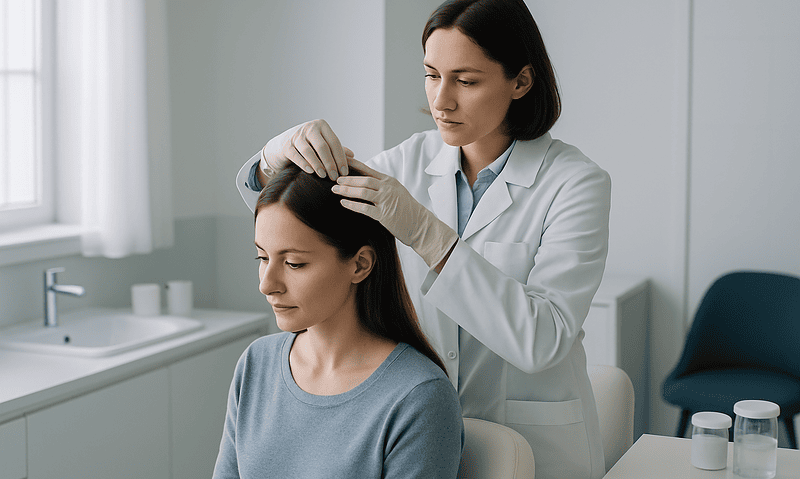
What Anesthesia for an FUE Hair Transplant Feels Like: Numbing Injections and Post-Op Soreness
FUE hair transplant anesthesia is typically local rather than general: a series of small injections numbs the back and top of the scalp while…
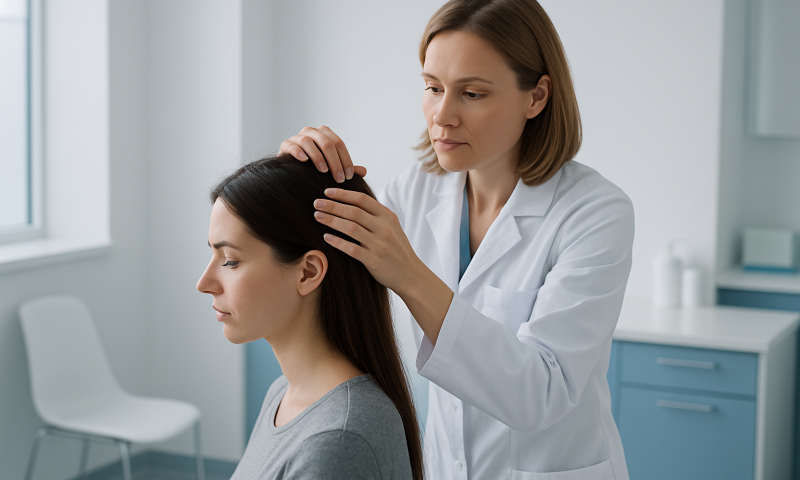
FUE Hair Transplant Cost: What the Technique Adds to the Price, and Why
An all-inclusive, maximum-graft FUE hair transplant package for international patients typically falls in our guide range of EUR 2,600-5,850, compared with roughly GBP 3,000-10,000…