Headaches That Wake You From Sleep: When to Seek Neurology Care

Many nighttime headaches are related to primary headache disorders, sleep problems, or medication effects, but some signal an underlying medical condition. Urgent care is needed for a sudden “worst headache,” headache with fever or confusion, new neurological symptoms, or headache after head injury.
Key Takeaways
- Many nighttime headaches are related to primary headache disorders, sleep problems, or medication effects, but some signal an underlying medical condition.
- Urgent care is needed for a sudden “worst headache,” headache with fever or confusion, new neurological symptoms, or headache after head injury.
- A doctor may use the headache history, neurological examination, sleep assessment, blood pressure checks, and imaging when needed to find the cause.
- Treatment depends on the diagnosis and may include lifestyle changes, headache-specific therapies, sleep treatment, or management of another medical condition.
- Keeping a headache diary can help identify triggers, timing, sleep links, and treatment response.
Headaches that wake a person from sleep are not always dangerous, but they deserve attention because some causes need prompt medical evaluation. Understanding the pattern, associated symptoms, and warning signs can help guide when routine care is enough and when urgent neurology assessment is needed.
Overview
Headaches that wake a person from sleep can be unsettling. In many cases, they are caused by conditions that are treatable and not life-threatening, such as migraine, cluster headache, poor sleep quality, teeth grinding, or medication-related rebound headaches. However, because nighttime headaches sometimes occur with high blood pressure, sleep apnea, infections, bleeding, or other neurological problems, they should not be ignored when the pattern is new, severe, or changing.
Doctors often divide headaches into primary headaches and secondary headaches. Primary headaches are the main condition themselves, such as migraine, cluster headache, or tension-type headache. Secondary headaches happen because of another issue, such as sinus disease, sleep disorders, head injury, medication overuse, or problems affecting the brain, blood vessels, or surrounding tissues.
Not every headache during the night is the same. Some wake a person at the same time each night, some appear in the early morning, and some are linked to snoring, jaw clenching, or poor sleep posture. Paying attention to timing, location, severity, and associated symptoms helps a clinician decide whether the cause is more likely benign or whether further testing is needed.
Symptoms and Patterns That Matter
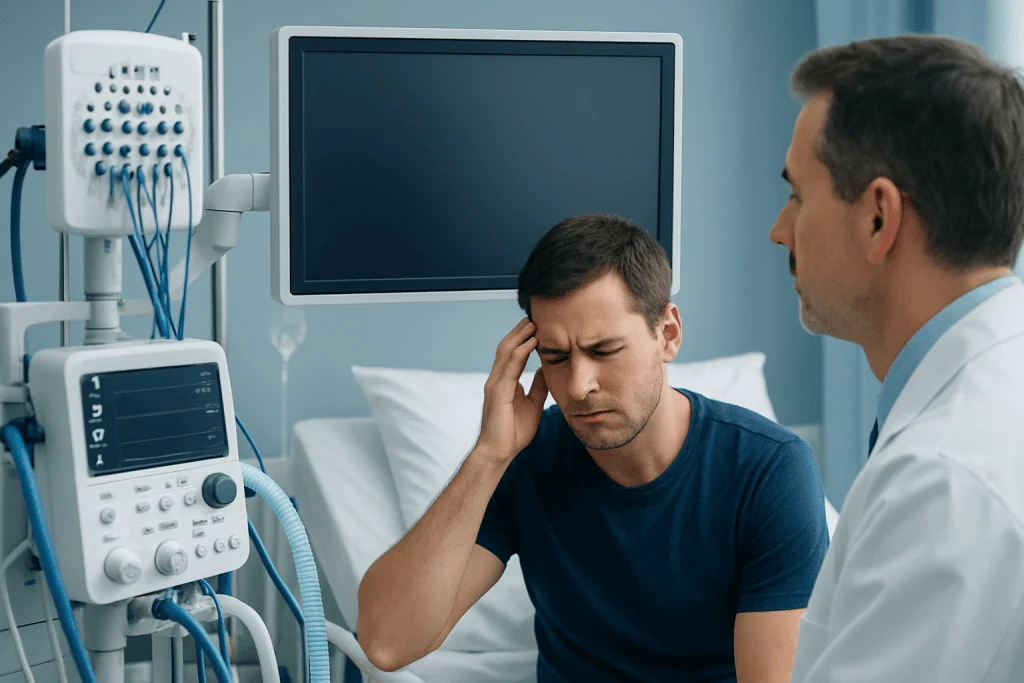
The headache itself may feel throbbing, pressure-like, stabbing, or burning. It may occur on one side of the head or both, around the eyes, at the back of the head, or across the forehead. Some people wake with pain already present, while others are awakened suddenly by it. The exact pattern can point toward different causes.
Associated symptoms are especially important. Nausea, vomiting, sensitivity to light or sound, visual changes, tearing of one eye, nasal congestion, neck stiffness, fever, numbness, weakness, imbalance, confusion, or trouble speaking can all help guide diagnosis. For example, migraines may bring light sensitivity and nausea, while cluster headaches often cause severe one-sided pain around the eye with tearing or nasal symptoms.
Early-morning headaches may also be linked to disrupted breathing during sleep, poor sleep quality, low oxygen levels, medication withdrawal overnight, or jaw clenching. Some people with sleep disorders wake feeling unrefreshed, sleepy in the daytime, or are told they snore loudly. In others, frequent pain reliever use can trigger a cycle of rebound headache that becomes more noticeable overnight or on waking.
- Does the headache wake the person from deep sleep?
- Is it new after age 50, or new for that individual?
- Has the pattern become more frequent or more severe?
- Are there neurological symptoms such as weakness, vision loss, or confusion?
- Is it linked to snoring, poor sleep, or recent medication changes?
Common Causes and Risk Factors

Primary headache disorders are a common explanation. Migraine can occur during the night or early morning and may be triggered by stress, changes in sleep schedule, dehydration, hormonal shifts, or certain foods. Cluster headache is well known for waking people from sleep, often with intense pain around one eye and restlessness. Tension-type headache is less likely to wake someone from sleep, but poor sleep, muscle tension, and stress can make it more noticeable on waking.
Sleep-related causes are also important. Obstructive sleep apnea may lead to morning headaches because breathing repeatedly stops and starts during sleep. Teeth grinding, insomnia, poor sleep posture, and circadian rhythm disruption can contribute as well. In some cases, a person may benefit from specialist assessment in neurological sleep medicine when headaches clearly relate to sleep patterns.
Secondary causes range from relatively minor to more serious. These include sinus inflammation, uncontrolled high blood pressure, medication overuse, caffeine withdrawal, infection, head trauma, and rare but important causes such as bleeding, inflammation, brain tumors, or vascular conditions including subarachnoid hemorrhage or stroke. Risk factors that raise concern include a history of cancer, immune suppression, blood-clotting problems, recent infection, pregnancy or postpartum status, and age over 50 with a new headache pattern.
When to Seek Neurology Care Urgently
Some nighttime headaches need prompt medical attention. A person should seek urgent care right away for a sudden, explosive headache that reaches maximum intensity within seconds to minutes, often described as the worst headache of their life. Immediate evaluation is also important when headache is accompanied by fainting, seizure, confusion, trouble speaking, weakness, numbness, severe dizziness, or loss of vision.
Other warning signs include headache with fever and stiff neck, headache after a head injury, a new headache during pregnancy or after delivery, or a headache that steadily worsens over days to weeks. A headache that is consistently worse when lying down, is triggered by coughing or straining, or comes with repeated vomiting should also be assessed promptly because it can suggest increased pressure inside the skull or another underlying problem.
Neurology care is especially appropriate when the diagnosis is unclear, standard treatments are not helping, headaches are frequent enough to affect sleep and daytime function, or the symptoms suggest a complex primary headache disorder. If a person has recurrent attacks that wake them at night, specialized assessment through headache medicine may help clarify the pattern and create a safer, more effective treatment plan.
How Doctors Diagnose Nighttime Headaches
Diagnosis starts with a detailed medical history. The doctor usually asks when the headaches began, how often they occur, how long they last, what the pain feels like, where it is located, and whether there are triggers or associated symptoms. Sleep habits, snoring, medications, caffeine use, blood pressure history, and prior head injury are also important parts of the picture.
A neurological examination helps look for signs that point to a problem involving the brain, nerves, vision, balance, or muscle strength. Depending on the history, the doctor may also examine the jaw, sinuses, neck, and eyes. An eye examination can be useful if there is concern about pressure changes, visual symptoms, or swelling of the optic nerve.
Tests are not always necessary, but they may be recommended if there are red flags. These can include blood tests, sleep studies, or brain imaging. When imaging is needed, clinicians may use CT or MRI, sometimes guided by specialists in neuroradiology to assess the brain and blood vessels in more detail. A headache diary that records sleep time, wake time, pain severity, symptoms, food intake, stress, and medication use can be extremely valuable in reaching the right diagnosis.
Treatment Options
Treatment depends on the cause. For migraine or cluster headache, doctors may recommend medicines to stop attacks and, when headaches are frequent, preventive treatment to reduce how often they happen. People with recurrent nighttime migraine may also benefit from identifying personal triggers and using a treatment plan that fits the time pattern of their attacks. In some situations, patients may be guided toward care focused on migraine management for ongoing prevention and symptom control.
If sleep apnea, insomnia, or another sleep disorder is contributing, treating the sleep problem can significantly improve headache frequency and morning symptoms. Teeth grinding may respond to dental assessment, stress reduction, or a night guard when appropriate. Medication-overuse headache often improves only after the overused pain medicines are reviewed and safely reduced under medical advice.
When a secondary cause is found, treatment targets the underlying problem. That may mean controlling blood pressure, treating infection, managing sinus disease, or addressing a neurological condition with urgent or specialized care. The goal is not only pain relief but also prevention of recurrence and protection from complications. Near the end of the care pathway, some patients choose evaluation at centers such as Acibadem International, where multidisciplinary specialists in JCI-accredited hospitals diagnose and treat neurological conditions for international patients.
Prevention and Self-Care
Self-care can reduce many types of nighttime headache, especially when they are linked to sleep disruption or primary headache disorders. A regular sleep schedule is one of the most helpful steps. Going to bed and waking up at consistent times, limiting screen exposure before bed, and creating a dark, quiet sleeping environment may improve both sleep quality and headache control.
Hydration, regular meals, moderate caffeine use, and stress management are also useful. Skipping meals, too much or too little caffeine, alcohol, and poor posture during the day can all contribute to headache patterns that appear at night or on waking. Gentle exercise and relaxation techniques may help some people, as long as these do not trigger symptoms.
It is wise to avoid frequent unsupervised use of pain relievers for recurring headaches, because this can sometimes make headaches more persistent. A headache diary can show whether attacks are linked to sleep changes, menstruation, stress, missed meals, or certain foods. Self-care should complement, not replace, medical evaluation when headaches are severe, new, or associated with warning signs.
When to See a Doctor
A person should arrange a medical appointment if headaches that wake them from sleep happen repeatedly, are getting worse, or are interfering with daily life. Medical review is also important if the person has a history of migraine but notices a different pattern, stronger intensity, or new symptoms. Children, older adults, and anyone with major medical conditions should be assessed sooner when nighttime headaches appear.
Urgent medical care is needed for sudden severe headache, headache with weakness, confusion, vision changes, fever, seizures, or after head trauma. It is also important to seek care if the headache is new during pregnancy, follows a recent infection, or is associated with high blood pressure symptoms or repeated vomiting. These situations deserve prompt evaluation rather than watchful waiting.
For ongoing symptoms, seeing a neurologist can help distinguish between primary headaches, sleep-related causes, and less common secondary disorders. A specialist can review whether further tests, preventive therapy, or referral to related services is needed. Timely assessment often brings reassurance as well as a clearer plan for treatment and follow-up.
Frequently asked questions
Are headaches that wake a person from sleep always serious?
No. Many nighttime headaches are caused by migraine, cluster headache, sleep problems, jaw clenching, or medication effects. Even so, a new, severe, or changing pattern should be assessed by a doctor to rule out a more serious cause.
What type of headache most commonly wakes people from sleep?
Cluster headache is classically associated with waking people from sleep, often with very severe pain around one eye. Migraine can also occur during the night or in the early morning, especially when sleep is disrupted.
Can sleep apnea cause morning or nighttime headaches?
Yes. Obstructive sleep apnea can cause headaches on waking because breathing repeatedly pauses during sleep, lowering sleep quality and affecting oxygen levels. Snoring, daytime sleepiness, and witnessed breathing pauses make this cause more likely.
When should someone go to the emergency department for a headache?
Emergency care is needed for a sudden, very severe headache, especially if it is the worst headache the person has ever had. Headache with weakness, speech trouble, confusion, seizures, fever, stiff neck, major vision changes, or head injury also needs urgent evaluation.
How do doctors test headaches that happen during sleep?
Doctors usually begin with a detailed history and neurological examination. Depending on the warning signs, they may recommend blood tests, brain imaging such as CT or MRI, eye assessment, or a sleep study.
Can stress or poor sleep habits cause headaches at night?
Yes. Irregular sleep, insomnia, stress, muscle tension, and teeth grinding can all contribute to headaches during the night or on waking. Improving sleep habits and reducing triggers may help, but persistent or severe headaches still need medical review.
References
- World Health Organization
- American Academy of Neurology
- National Institute of Neurological Disorders and Stroke
- International Headache Society
- Mayo Clinic
This article is for general information only and is not a substitute for professional medical advice. Please consult a qualified doctor about your individual situation.
Explore treatments in Turkey — costs, top hospitals & a free quote
JCI-accredited · board-certified surgeons · reply within 24h
Add us as a Preferred Source to see more of our trusted health content across Google Search, AI Overviews and Discover.
Check your numbers in seconds
BMI, calories, due date, blood pressure and 30+ more clinical calculators — free, instant, doctor-reviewed ranges.

Neurology
Diagnosis and treatment of disorders of the brain, spinal cord, nerves and muscles.
51 specialists in this unit