How to Conceive: When to Try Naturally and When Infertility Testing Helps

For most healthy couples, regular unprotected sex during the fertile window is the first step in trying to conceive. A fertility evaluation is usually advised after 12 months of trying if the woman is under 35, or after 6 months if she is 35 or older.
Key Takeaways
- For most healthy couples, regular unprotected sex during the fertile window is the first step in trying to conceive.
- A fertility evaluation is usually advised after 12 months of trying if the woman is under 35, or after 6 months if she is 35 or older.
- Earlier testing may be helpful when menstrual cycles are irregular, there is known reproductive disease, or the male partner may have a sperm problem.
- Infertility testing often includes ovulation assessment, semen analysis, hormone tests, and imaging of the uterus and fallopian tubes.
- Many fertility problems are manageable with lifestyle changes, medication, or treatments such as [[TREATMENT:insemination|insemination]] or [[TREATMENT:ivf-treatment|IVF treatment]].
Many couples conceive naturally with time, regular intercourse, and basic preconception care. If pregnancy does not happen within the usual timeframe, infertility testing can help identify treatable causes and guide the next steps.
Overview: How Conception Happens
Understanding how to conceive begins with knowing the basics of reproduction. Pregnancy usually occurs when an egg is released from the ovary, sperm travels through the cervix and uterus, and fertilization happens in the fallopian tube. The fertilized egg then moves to the uterus and implants in the uterine lining.
For many people, trying naturally is appropriate at first. This generally means having regular unprotected sex, especially during the fertile window, which is the few days before ovulation and the day of ovulation itself. Because sperm can survive for several days in the reproductive tract, intercourse every 1 to 2 days around that time can improve the chance of pregnancy without creating unnecessary pressure.
Conception is not always immediate, even in healthy couples. It is common for pregnancy to take several months. Age, ovulation patterns, sperm health, medical conditions, and lifestyle factors all influence fertility. A patient, informed approach can help people know when to continue natural trying and when to consider a fertility evaluation.
When to Try Naturally Before Testing
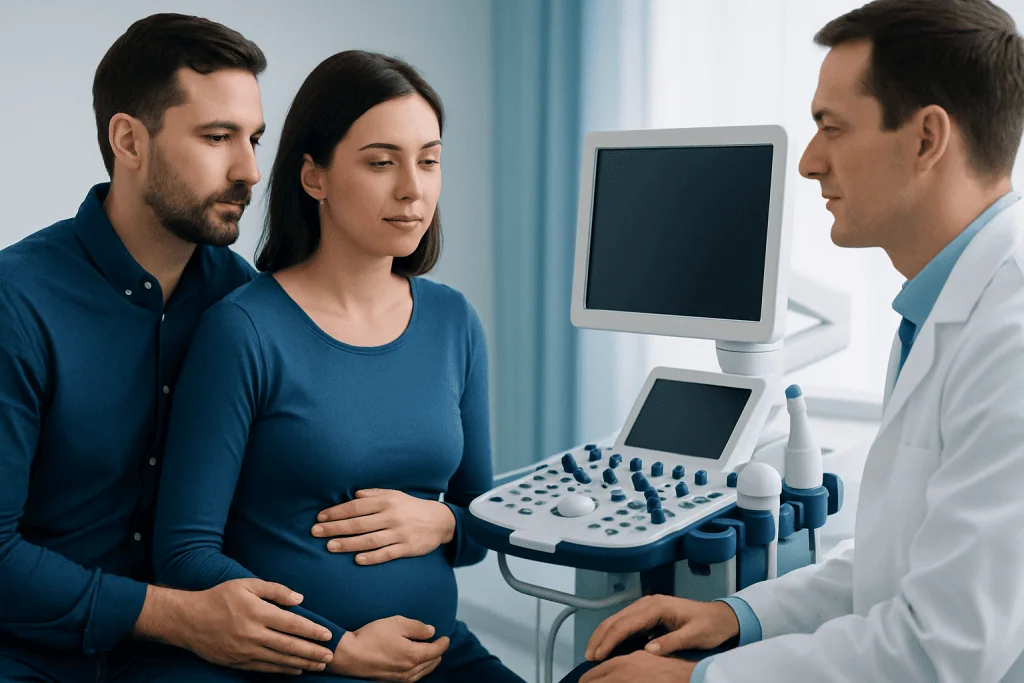
Most couples can try to conceive naturally for a period of time before seeking infertility testing. In general, a fertility evaluation is recommended after 12 months of regular unprotected intercourse if the woman is younger than 35. If the woman is 35 or older, evaluation is often recommended after 6 months because fertility gradually declines with age.
Some people should seek medical advice sooner rather than waiting. Earlier assessment may be appropriate for very irregular or absent periods, known ovulation problems, a history of pelvic surgery, suspected endometriosis, prior cancer treatment, repeated miscarriage, or a past pelvic infection such as pelvic inflammatory disease. Male-factor concerns, including prior testicular problems, erectile or ejaculatory difficulties, or previous abnormal semen analysis, are also reasons not to delay.
Natural trying is most effective when it is well timed. Helpful steps include tracking menstrual cycles, noticing changes in cervical mucus, or using ovulation predictor kits. However, perfect tracking is not required for everyone. For couples with fairly regular cycles, intercourse every 2 to 3 days throughout the cycle often provides good coverage of the fertile window.
Signs That Infertility Testing May Help Earlier

Infertility testing may be helpful before the usual 6- or 12-month mark when there are warning signs that conception could be more difficult. Menstrual cycles shorter than 21 days, longer than 35 days, or very unpredictable cycles may suggest irregular ovulation. Missing periods can point to conditions such as amenorrhea or hormone imbalance that should be assessed.
Symptoms such as severe pelvic pain, very heavy bleeding, pain during intercourse, or known uterine abnormalities can also affect fertility. Some structural conditions, including uterine septum, may interfere with implantation or increase the risk of miscarriage. Other gynecologic issues, such as ovarian disorders or a history of sexually transmitted infections, may affect the ovaries or fallopian tubes.
Age is another important factor. Female fertility declines more noticeably in the mid-30s and beyond, and egg quantity and quality both change over time. A fertility specialist may advise earlier testing when age, health history, or previous pregnancy complications suggest that prompt evaluation could save time and support better planning.
Common Causes and Risk Factors
Infertility can involve female factors, male factors, a combination of both, or remain unexplained after standard testing. In women, common causes include ovulation disorders, blocked or damaged fallopian tubes, endometriosis, uterine abnormalities, and age-related decline in ovarian reserve. Conditions such as polycystic ovary syndrome may affect ovulation and hormone balance, and some patients may need assessment for polycystic ovary syndrome.
In men, fertility may be affected by low sperm count, poor sperm movement, abnormal sperm shape, hormone problems, varicocele, prior infections, or exposure to heat, smoking, alcohol, or certain medications. Because male factors are common and often treatable, semen analysis is usually one of the earliest and most important tests.
General health and lifestyle also matter. Smoking, obesity, being significantly underweight, poor sleep, heavy alcohol use, unmanaged stress, and chronic medical conditions can all influence reproductive health. Although stress alone is not usually the sole cause of infertility, trying to conceive can be emotionally demanding, and support from healthcare professionals can be helpful throughout the process.
How Infertility Testing Is Done
A fertility workup usually starts with a detailed medical history and physical examination for both partners. The clinician asks about menstrual cycles, previous pregnancies, sexual history, surgeries, medications, family history, and lifestyle factors. This first step helps determine which tests are most useful and avoids unnecessary procedures.
For women, testing may include blood tests to evaluate ovulation, ovarian reserve, thyroid function, and other hormones. Ultrasound can assess the ovaries and uterus, including fibroids, cysts, or endometrial problems. Depending on the situation, doctors may also check whether the fallopian tubes are open using imaging tests. Conditions such as endometrial polyps or ovarian cysts may be found during evaluation and can sometimes affect fertility or implantation.
For men, semen analysis checks sperm count, movement, and shape. If results are abnormal, repeat testing or additional hormone and urologic assessment may be advised. When a broader evaluation is needed, specialists may review the reproductive system in a more detailed way to identify hormonal, structural, or genetic contributors to infertility.
- Female assessment may include ovulation testing, hormone tests, pelvic ultrasound, and tubal imaging.
- Male assessment commonly begins with semen analysis and may include hormone or urology review.
- Some couples also benefit from genetic counseling or testing based on personal or family history.
Treatment Options After a Fertility Evaluation
Treatment depends on the cause, age, duration of infertility, and personal preferences. Sometimes simple steps are enough, such as improving timing of intercourse, treating thyroid disease, adjusting medications, addressing weight concerns, or using ovulation-inducing medicine. In other cases, treating an underlying gynecologic issue or male-factor problem can improve the chance of natural conception.
If pregnancy does not occur with simpler measures, fertility treatment may be recommended. Options can include female infertility treatment plans tailored to ovulation disorders or uterine factors, as well as insemination when appropriate. More advanced options such as IVF treatment or ICSI may be considered when there are tubal problems, significant sperm issues, unexplained infertility, or when time is especially important.
No single treatment is right for everyone. Decisions are usually based on test results, age, how long pregnancy has been attempted, and the likelihood that a given method will help. A clear discussion with a fertility specialist can help couples understand benefits, limitations, and the emotional and practical aspects of each option.
Preconception Care and Self-Care While Trying
Good preconception health supports both natural conception and fertility treatment. Before pregnancy, many doctors recommend starting folic acid, reviewing medications, updating vaccinations if needed, and managing chronic conditions such as diabetes or thyroid disease. A balanced diet, regular physical activity, and avoiding tobacco and recreational drugs are all important steps.
Healthy body weight can influence ovulation, sperm quality, and pregnancy outcomes. Extreme exercise, rapid weight changes, and high alcohol intake may reduce fertility in some people. Caffeine does not usually need to be avoided completely, but moderation is sensible. It is also wise to reduce exposure to environmental toxins when possible and to discuss workplace exposures with a healthcare professional.
Emotional well-being matters too. Trying to conceive can be hopeful but also tiring, especially when months pass without success. Some people benefit from counseling, support groups, or simply taking breaks from cycle tracking. Near the end of the care journey, international patients may wish to know that Acibadem International’s multidisciplinary specialists and JCI-accredited hospitals diagnose and treat infertility with individualized evaluation and care.
When to See a Doctor
A doctor should be consulted if pregnancy has not happened after 12 months of regular unprotected sex in women under 35, or after 6 months in women 35 and older. Earlier evaluation is sensible for women over 40, those with very irregular or absent periods, known gynecologic disease, prior pelvic infection, or recurrent pregnancy loss. Men with possible sperm or sexual-function concerns should also be evaluated promptly.
Medical advice is also important when there is severe pelvic pain, heavy or unusual bleeding, previous ectopic pregnancy, or symptoms that suggest hormone imbalance. These issues do not always mean infertility, but they can affect conception and deserve proper assessment. Early discussion with a qualified clinician can prevent delays and help identify treatable problems.
A fertility evaluation does not automatically mean advanced treatment will be needed. In many cases, testing provides reassurance, clarifies timing, or uncovers a manageable issue. The goal is to make conception safer, more informed, and more efficient for each individual or couple.
Frequently asked questions
How long should a couple try naturally before infertility testing?
In general, couples should consider testing after 12 months of regular unprotected intercourse if the woman is under 35. If she is 35 or older, testing is usually recommended after 6 months. Earlier evaluation may be appropriate if there are irregular periods, known reproductive conditions, or male-factor concerns.
What is the best timing for sex when trying to conceive?
Pregnancy is most likely when intercourse happens during the fertile window, especially the few days before ovulation and the day of ovulation. Many clinicians suggest intercourse every 1 to 2 days during that time. For couples who prefer less tracking, sex every 2 to 3 days throughout the cycle is often a practical approach.
What tests are usually included in an infertility evaluation?
Common tests include a medical history, physical examination, ovulation assessment, hormone blood tests, and pelvic ultrasound for the female partner. Tubal imaging may be added to check whether the fallopian tubes are open. For the male partner, semen analysis is a key first test.
Can lifestyle changes improve fertility?
Yes, healthy habits can support fertility in both women and men. Avoiding smoking, limiting alcohol, maintaining a healthy weight, exercising moderately, and managing chronic conditions can all help. Lifestyle changes may not solve every fertility problem, but they often improve overall reproductive health.
Does age really affect the chance of conception?
Yes, age is one of the most important factors in female fertility because egg quantity and quality decline over time. Male fertility can also change with age, although usually more gradually. This is one reason doctors recommend earlier evaluation for women in their mid-30s and older.
If infertility testing is normal, can pregnancy still happen?
Yes. Some couples are diagnosed with unexplained infertility, which means standard tests do not show a clear cause. Pregnancy can still happen naturally or with treatment, and a fertility specialist can help choose the most suitable next step.
References
- World Health Organization
- American Society for Reproductive Medicine
- American College of Obstetricians and Gynecologists
- Centers for Disease Control and Prevention
- National Institute for Health and Care Excellence
This article is for general information only and is not a substitute for professional medical advice. Please consult a qualified doctor about your individual situation.
Infertility in Turkey — costs, top hospitals & a free quote
JCI-accredited · board-certified surgeons · reply within 24h
Add us as a Preferred Source to see more of our trusted health content across Google Search, AI Overviews and Discover.
Check your numbers in seconds
BMI, calories, due date, blood pressure and 30+ more clinical calculators — free, instant, doctor-reviewed ranges.

IVF & Reproductive Health
Assisted reproduction and fertility treatments tailored to each couple.
Related Treatments
Related Conditions
More from the Health Library

Related Specialists

Prof. Dr. Mehmet Cihat Ünlü
Gynecology & Obstetrics
Prof. Dr. Mete Güngör
Gynecology & Obstetrics
Prof. Dr. Bülent Tıraş
Gynecology & Obstetrics
Prof. Dr. Tansu Küçük
Gynecology & Obstetrics