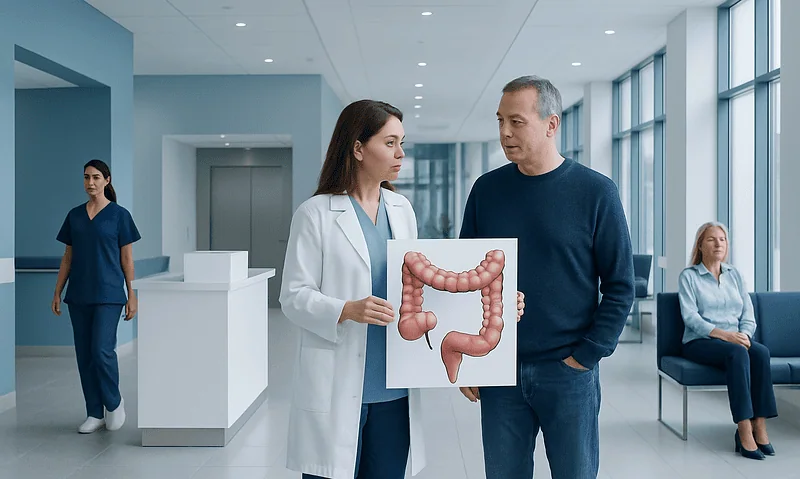
Intestinal Metaplasia: Symptoms, Causes, and Treatment Options

Intestinal metaplasia is a change in the stomach lining, found by biopsy during endoscopy, in which stomach cells come to resemble intestinal cells. It is not cancer, but it can raise stomach cancer risk in some people. Treating causes such as H. pylori infection, and endoscopic follow-up when advised, are the main approaches.
Key Takeaways
- Intestinal metaplasia is usually found during endoscopy with biopsy rather than from symptoms alone.
- A common trigger is long-standing inflammation of the stomach, often related to Helicobacter pylori infection.
- Treatment focuses on removing causes, protecting the stomach lining, and monitoring when needed.
- Not everyone with intestinal metaplasia develops cancer, but follow-up may be advised based on individual risk.
- Healthy lifestyle habits, smoking cessation, and medical review of persistent stomach symptoms are important.
Maybe you had an endoscopy for indigestion or reflux, and the report came back with two words you had never heard before: intestinal metaplasia. It sounds alarming. Here is what it actually means.
Intestinal metaplasia is a change in the lining of the stomach, where stomach cells are replaced by cells that resemble those of the intestine. It does not always cause symptoms. It matters because it can be linked to long-term irritation, especially Helicobacter pylori infection, and may increase the risk of stomach cancer in some people.
Overview
In intestinal metaplasia, the normal cells lining your stomach change into cells that look more like the ones found in the intestine. Doctors usually spot it on a biopsy taken during an upper endoscopy. This change itself is not cancer, but it is considered a marker of chronic irritation and, in some people, a step in a process that may increase the chance of stomach cancer over time.
Many people learn they have intestinal metaplasia after being investigated for indigestion, reflux, bloating, or stomach pain. Others have no symptoms at all, and the condition is found incidentally. Because symptoms are often vague or absent, diagnosis depends on looking at the stomach lining directly and examining tissue under a microscope.
Intestinal metaplasia can affect one small area of the stomach or be more widespread. How much it matters depends on how widespread the changes are, your family history, ethnic or regional risk, whether you smoke, and whether something is still driving it, such as Helicobacter pylori infection. A doctor uses all of this information to decide whether treatment alone is enough or whether endoscopic follow-up is also appropriate.
Symptoms and how it may feel

Intestinal metaplasia often causes no specific symptoms. When symptoms are present, they usually come from the underlying stomach problem rather than from the cell change itself. That is why most people notice nothing at all until they are tested for some other digestive complaint.
Possible symptoms can include upper abdominal discomfort, burning or indigestion, a feeling of fullness after eating small amounts, nausea, bloating, belching, and sometimes reflux-like symptoms. These symptoms can overlap with gastritis, peptic ulcer disease, or gastritis, so they do not confirm the diagnosis on their own.
A few symptoms need attention sooner rather than later, because they can point to bleeding, significant inflammation, or another condition that needs prompt care. These include unexplained weight loss, vomiting, trouble swallowing, black stools, vomiting blood, or persistent pain that is getting worse. A healthcare professional can assess whether endoscopy is needed and what testing is most appropriate.
Causes and risk factors

The most important known cause of intestinal metaplasia is chronic inflammation of the stomach lining. A major driver of this inflammation is infection with Helicobacter pylori, also called H. pylori. This common bacterium can live in the stomach for years and may lead to irritation, ulcers, and cellular changes if it is not identified and treated.
Other factors may also contribute. These include long-standing gastritis, autoimmune gastritis, smoking, high salt intake, heavy alcohol use, and a family history of stomach cancer. Risk can also vary by age, geographic background, and personal history of stomach conditions. In some people, acid-related irritation and bile reflux may play a role, although these links are more complex.
Doctors may describe intestinal metaplasia as complete or incomplete based on the appearance of the cells under the microscope. They may also note whether it is limited or extensive. These details help estimate future risk and guide follow-up plans, but they do not mean a person will definitely develop cancer.
- Common associated factor: H. pylori infection
- Important lifestyle risks: smoking and high-salt diet
- Medical contributors: chronic gastritis, autoimmune gastritis, prior stomach injury
- Higher-risk context: family history of gastric cancer or extensive stomach involvement
How intestinal metaplasia is diagnosed
The diagnosis is usually made with an upper endoscopy and biopsy. During endoscopy, a gastroenterologist passes a thin flexible camera through the mouth to examine the esophagus, stomach, and duodenum. Small tissue samples are taken from the stomach lining because intestinal metaplasia is confirmed by microscopic examination, not by symptoms alone.
Biopsy results may also show whether H. pylori is present and whether there are related changes such as chronic gastritis, atrophy, or dysplasia. Dysplasia is more concerning because it suggests more advanced abnormal cell change. If needed, the endoscopist may take samples from several areas of the stomach to understand how extensive the condition is.
Additional tests may be used to look for H. pylori, including breath, stool, or laboratory testing, especially after treatment to confirm that the infection has been cleared. If symptoms suggest another digestive problem, the doctor may evaluate for ulcers, anemia, or reflux disease as well. In many cases, endoscopy is the key step that clarifies the diagnosis and shapes the management plan.
Treatment options and follow-up
Treatment for intestinal metaplasia focuses on addressing the cause and reducing ongoing injury to the stomach lining. If H. pylori is found, the usual next step is eradication therapy with a doctor-prescribed combination of medications. Clearing the infection lowers inflammation and may reduce future risk, although the metaplastic change does not always fully reverse.
Doctors may also treat related stomach problems such as acid irritation, ulcers, or persistent gastritis. Depending on symptoms and findings, care may include acid-suppressing therapy, review of pain-relieving medicines that can irritate the stomach, and lifestyle advice. If the biopsy shows more advanced changes such as dysplasia, the person may need closer surveillance or specialized procedures to remove abnormal tissue, including endoscopic mucosal resection in selected cases.
Follow-up is not automatic for everyone; it is tailored to you. A specialist considers the extent of intestinal metaplasia, biopsy subtype, family history, H. pylori status, and regional or ethnic risk factors when deciding whether repeat endoscopy is helpful. If there are suspicious lesions or concerning findings, more advanced evaluation, including endoscopic submucosal dissection in carefully selected patients, may be discussed.
For people with persistent symptoms or changes limited to the stomach, a gastroenterology team can also evaluate for related disorders such as stomach cancer when clinically appropriate. Near the end of the care pathway, some international patients choose centers such as Acibadem International, where multidisciplinary specialists in JCI-accredited hospitals diagnose and treat digestive conditions using endoscopic and pathology-based assessment.
Prevention and self-care
Prevention comes down to calming chronic stomach irritation and dealing with risk factors early. Testing for and treating H. pylori when indicated is one of the most important steps. People with ongoing indigestion, ulcer history, or a family history of gastric cancer may benefit from discussing whether testing is appropriate with their doctor.
Lifestyle habits can also make a meaningful difference. Stopping smoking is especially important because smoking is linked to ongoing stomach injury and increased cancer risk. Limiting alcohol, reducing very salty or heavily processed foods, and eating a balanced diet rich in fruits and vegetables may help support overall stomach health.
If you have been diagnosed with intestinal metaplasia, self-care does not replace medical follow-up. It is important to take prescribed medications as directed, complete H. pylori treatment if given, and return for any recommended repeat testing. Avoiding unnecessary use of medicines that can irritate the stomach, such as certain anti-inflammatory drugs, may also be advised after medical review.
When to seek medical care
See a doctor if your digestive symptoms keep coming back, will not settle, or are getting in the way of eating and daily life. Ongoing indigestion, upper abdominal pain, nausea, early fullness, or reflux symptoms deserve assessment, especially in adults over midlife or in people with a family history of stomach cancer.
Some warning signs should send you to a doctor quickly. These include black stools, vomiting blood, unexplained weight loss, difficulty swallowing, repeated vomiting, severe weakness, or anemia. While these symptoms do not always mean a serious disease, they should be evaluated without delay.
Anyone who has already been diagnosed with intestinal metaplasia should keep follow-up appointments and ask what their biopsy results mean for long-term monitoring. A doctor can explain whether the changes are limited or extensive, whether H. pylori was found, and whether surveillance endoscopy would be useful in that individual situation.
Frequently asked questions
Is intestinal metaplasia cancer?
No. Intestinal metaplasia is not cancer, but it is a change in the stomach lining that can be associated with a higher future risk of stomach cancer in some people. That is why doctors focus on finding causes such as H. pylori and deciding whether follow-up is needed.
Can intestinal metaplasia go away?
Sometimes the process can stabilize, and in some cases certain changes may improve after the underlying cause is treated, especially if H. pylori is eradicated. However, it does not always completely reverse. Regular medical review helps determine what to expect in an individual case.
What causes intestinal metaplasia most often?
The most common cause is long-standing inflammation in the stomach, particularly from Helicobacter pylori infection. Other contributors may include chronic gastritis, smoking, autoimmune gastritis, and dietary factors such as very high salt intake.
Does intestinal metaplasia always need surveillance endoscopy?
Not always. The decision depends on factors such as how extensive the intestinal metaplasia is, the biopsy subtype, family history, and whether other high-risk features are present. A gastroenterologist can explain whether surveillance is useful for that person.
What foods should someone with intestinal metaplasia avoid?
There is no single required diet, but many doctors advise limiting heavily salted, smoked, or highly processed foods and reducing alcohol if it worsens symptoms. A balanced diet with fruits, vegetables, and generally nutritious meals is usually encouraged as part of overall stomach health.
How is H. pylori related to intestinal metaplasia?
H. pylori is a bacterium that can cause chronic stomach inflammation over many years. This persistent irritation may contribute to intestinal metaplasia. If the infection is found, treatment is important because it can reduce ongoing damage to the stomach lining.
This article is for general information only and is not a substitute for professional medical advice. Please consult a qualified doctor about your individual situation.
Persistent digestive symptoms? Get evaluated in Turkey
7 JCI-accredited hospitals · board-certified surgeons · reply within 24h
Add us as a Preferred Source to see more of our trusted health content across Google Search, AI Overviews and Discover.

Medically reviewed by the Acıbadem International Medical Board — August 24, 2026
See our medical review board →
Update history
- PublishedAugust 1, 2026
- Medical review approvedAugust 24, 2026
- Last content updateAugust 24, 2026
References1
- Stomach (Gastric) Cancer — National Cancer Institute — cancer.gov
Gastroenterology
Diagnosis and treatment of the digestive system and liver, with advanced endoscopy.
43 specialists in this unitGastroenterology Specialists at Acibadem





Related Treatments
Related Conditions
More from the Health Library

Esophageal Cancer Screening Is Reserved for Higher-Risk People

Gastric balloon Risks & Side Effects Explained by Surgeons

Can Coughing Release Gut Gas: An Evidence-Based Patient Guide

Diverticulosis: Early Signs, Risk Factors, and How It Is Treated

The Biliary Tree Carries Bile and Can Become Blocked