

Is Arm Liposuction Worth It? Benefits and Considerations

Arm liposuction is designed to improve contour, not to serve as a weight-loss treatment. People with good skin elasticity usually see the smoothest results after fat removal.
Key Takeaways
- Arm liposuction is designed to improve contour, not to serve as a weight-loss treatment.
- People with good skin elasticity usually see the smoothest results after fat removal.
- If loose skin is a major concern, an arm lift may be more appropriate than liposuction alone.
- Recovery involves swelling, bruising, and the use of compression garments for a period recommended by the surgeon.
- Choosing a qualified plastic surgeon and having realistic goals are key to patient satisfaction.
Arm liposuction is a cosmetic procedure that removes stubborn fat from the upper arms to create a slimmer, more defined contour. Whether it is worth it depends on a person’s anatomy, skin quality, expectations, and willingness to follow recovery instructions.
Overview: What arm liposuction is and who it helps
Arm liposuction is a body-contouring procedure that removes localized fat from the upper arms. It is usually chosen by people who feel their arms look fuller or less defined than they would like, even after regular exercise and a stable diet. The goal is not major weight reduction, but a more balanced arm shape that fits the rest of the body.
In many cases, fat deposits in the upper arms are influenced by genetics, age, hormones, and natural body-fat distribution. This means a person may be healthy and active yet still notice fullness in this area. For carefully selected patients, arm liposuction can help create a slimmer contour and improve how clothing fits.
Whether arm liposuction is “worth it” is a personal decision. It often feels worthwhile for patients whose main concern is excess fat rather than significant skin laxity. A consultation with a qualified surgeon helps clarify whether the expected improvement matches the patient’s goals.
Potential benefits of arm liposuction
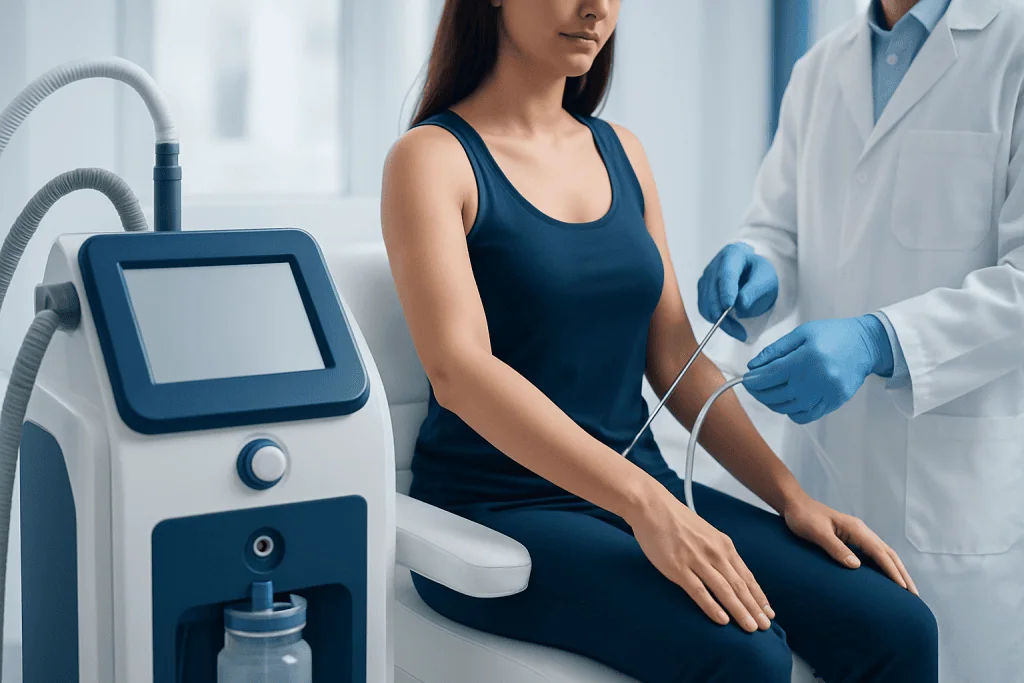
The main benefit of arm liposuction is improved upper-arm contour. By removing pockets of fat, the procedure can make the arms appear leaner and more proportionate. Many people also report feeling more comfortable wearing short sleeves, fitted tops, or swimwear after recovery.
Another advantage is that treatment can target a specific area that has not responded to lifestyle changes. Since the removed fat cells do not return, results can be long-lasting if body weight remains relatively stable. This makes the procedure appealing for those who have reached a healthy weight but still feel dissatisfied with arm shape.
Arm liposuction may also be combined with broader body contouring planning when several body areas are being addressed. In patients who have extra fullness together with loose or hanging skin, surgeons may discuss whether an arm lift would provide a better or more complete outcome than liposuction alone.
- Targets stubborn fat in the upper arms
- Can improve body proportions
- May enhance clothing fit and self-confidence
- Offers long-lasting contour improvement when weight is stable
Important considerations before deciding

Arm liposuction is not the right choice for everyone. It works best when excess arm volume is caused mainly by fat and the skin is able to shrink reasonably well after the fat is removed. If the skin is significantly stretched, thin, or sagging, liposuction alone may not produce the smooth, tight appearance a patient expects.
Realistic expectations matter. The procedure can refine contour, but it cannot make arms look identical to someone else’s anatomy or completely erase natural variation in muscle tone and skin texture. Small asymmetries may remain, and the final shape develops gradually as swelling improves.
Patients should also think about the practical side of surgery, including recovery time, temporary activity limits, cost, and the need to wear compression garments. For people exploring non-surgical fat reduction, options such as non-surgical body contouring may be discussed, although these methods are not direct substitutes and generally provide different levels of change.
Who may be a good candidate
A good candidate for arm liposuction is usually an adult in generally good health, close to a stable and manageable weight, with localized upper-arm fat and realistic cosmetic goals. Good skin elasticity is especially important because the skin needs to adapt to the new contour after fat removal.
Patients who have mild to moderate fullness in the arms often benefit most. Those who have had major weight loss may have a mix of residual fat and loose skin. In such cases, a surgeon may recommend a more comprehensive approach, sometimes similar to strategies used in post-weight-loss body contouring.
Not everyone is an ideal candidate. Smoking, uncontrolled medical conditions, poor wound healing, or a tendency to form thick scars such as keloid scars may affect planning and recovery. A full medical history and physical examination are important before surgery is scheduled.
How the procedure is performed and what diagnosis involves
Before the procedure, the surgeon evaluates arm shape, skin tone, fat distribution, medical history, and the patient’s goals. Standard preoperative assessment may include a physical examination, review of medications, and photographs for planning. This process helps determine whether arm liposuction alone is appropriate or whether another technique may be more suitable.
During arm liposuction, small incisions are made in discreet areas, and a thin tube called a cannula is used to remove fat. Depending on the case, different liposuction methods may be used, and the surgeon aims to remove fat evenly to preserve a natural contour. Some patients may also discuss classic liposuction if they are considering treatment of additional areas.
The exact experience varies by patient and surgical plan, but arm liposuction is usually performed as an outpatient procedure or with a short hospital stay. Careful planning is essential because the upper arm is a visible, mobile area, and achieving a smooth result requires attention to symmetry, skin quality, and overall body proportions.
Recovery, results, and possible risks
After arm liposuction, it is normal to have swelling, bruising, mild discomfort, and temporary tightness. Compression garments are commonly recommended to help support healing and reduce swelling. Most patients can return to light daily activities within a relatively short period, but strenuous exercise and heavy lifting usually need to wait until the surgeon advises it is safe.
Results are not immediate because swelling can last for weeks and sometimes longer. The arms generally look more defined as healing progresses and tissues settle. Final results depend on the amount of fat removed, the skin’s response, and whether body weight stays stable over time.
As with any surgical procedure, there are risks. These may include irregular contour, asymmetry, fluid collection, infection, bleeding, numbness, delayed healing, or dissatisfaction with the cosmetic result. Although uncommon with proper technique and care, scar-related concerns may be more relevant in people prone to abnormal scarring or in those with prior skin injury such as burns affecting the area.
Arm lift vs liposuction: which is better?
Arm liposuction and arm lift surgery address different problems. Liposuction is best for excess fat with fairly firm skin. An arm lift, also called brachioplasty, is designed to remove loose skin and reshape the arm when sagging is more significant. In some patients, both techniques may be used together to improve the contour more fully.
The choice depends on what is causing the appearance of the upper arms. If fullness is the main issue, liposuction may be enough. If the concern is hanging skin, especially after aging or substantial weight loss, an arm lift may produce a more satisfying result even though it involves a longer scar.
This is one of the most important parts of deciding whether arm liposuction is worth it. A person who chooses liposuction despite significant skin laxity may be disappointed, while a person with good skin tone may achieve a very good result without the need for skin excision. A detailed consultation helps match the procedure to the anatomy rather than to a trend or idealized image.
How to decide and when to seek professional advice
The best way to decide is to think about goals, skin quality, recovery commitment, and what level of change feels meaningful. Looking at before-and-after examples from a qualified surgeon can help patients understand what is realistic for body type and tissue characteristics. It is also helpful to ask whether results are likely to be subtle, moderate, or more noticeable.
A consultation is especially important if a person has major weight changes, visible skin laxity, prior arm surgery, or medical conditions that could affect healing. The surgeon can explain alternatives, expected scars, likely recovery, and whether a staged or combined approach is more appropriate. A second opinion can also be useful when a patient is unsure.
For international patients seeking evaluation and treatment, Acibadem International’s multidisciplinary specialists and JCI-accredited hospitals provide assessment and care for cosmetic concerns including upper-arm contouring. The right decision is one made with clear information, realistic expectations, and guidance from a qualified doctor.
Frequently asked questions
Is arm liposuction permanent?
The fat cells removed during arm liposuction do not grow back. However, remaining fat cells can still enlarge if a person gains weight, so maintaining a stable lifestyle helps preserve the result.
Does arm liposuction tighten loose skin?
Arm liposuction can improve contour, but it does not directly remove loose skin. Mild skin laxity may improve somewhat if the skin has good elasticity, but more significant sagging may require an arm lift.
How long does recovery take after arm liposuction?
Initial recovery is usually measured in days to a few weeks, depending on the individual and the extent of treatment. Swelling can take longer to settle, so final results develop gradually over time.
Will there be scars after arm liposuction?
The incisions used for arm liposuction are small, so scars are usually limited and placed as discreetly as possible. Even so, all incisions can leave some mark, and scar quality varies from person to person.
Is arm liposuction painful?
Most patients describe soreness, swelling, and tenderness rather than severe pain. Discomfort is usually temporary and managed with the surgeon’s aftercare plan.
Who is not a good candidate for arm liposuction?
People with significant loose skin, unrealistic expectations, unstable weight, or certain uncontrolled health conditions may not be ideal candidates. A personal consultation is needed to determine safety and whether another procedure would work better.
References
- American Society of Plastic Surgeons
- NHS
- Mayo Clinic
- International Society of Aesthetic Plastic Surgery
- National Institute for Health and Care Excellence
This article is for general information only and is not a substitute for professional medical advice. Please consult a qualified doctor about your individual situation.
Arm Liposuction in Turkey — costs, top hospitals & a free quote
JCI-accredited · board-certified surgeons · reply within 24h
Add us as a Preferred Source to see more of our trusted health content across Google Search, AI Overviews and Discover.

Plastic, Reconstructive & Aesthetic Surgery
Reconstructive and aesthetic procedures for the face and body, performed by experienced surgeons.
35 specialists in this unitRelated Treatments
Related Conditions
More from the Health Library



Related Specialists

Assoc. Prof. Dr. Erdem Güven (m)
Aesthetic Plastic & Reconstructive Surgery
Prof. Dr. Şükrü Yazar
Aesthetic Plastic & Reconstructive Surgery
Prof. Dr. Hakan Ağır
Aesthetic Plastic & Reconstructive Surgery
Prof. Dr. Bülent Saçak
Aesthetic Plastic & Reconstructive Surgery