Is LASIK Permanent? How Stable Are the Results?

LASIK permanently changes the shape of the cornea. Most people have stable vision for many years after LASIK.
Key Takeaways
- LASIK permanently changes the shape of the cornea.
- Most people have stable vision for many years after LASIK.
- Age-related changes such as presbyopia and cataracts can still affect vision later.
- A small number of patients may notice residual prescription or regression over time.
- Careful screening, realistic expectations, and follow-up visits help support good long-term outcomes.
LASIK permanently reshapes the cornea, so the treated tissue change does not wear off. However, vision can still change over time because the eyes continue to age and other conditions may develop.
Overview: What “permanent” means in LASIK
LASIK is a laser vision correction procedure that changes the shape of the cornea, the clear front surface of the eye. This reshaping is considered permanent because the corneal tissue that is removed does not grow back. In that sense, LASIK does not simply “wear off” like a medication or a temporary treatment.
At the same time, permanent corneal reshaping does not mean vision will stay exactly the same forever. The eye is a living structure that continues to change with age. Natural lens changes, shifting prescriptions, hormonal influences, or new eye conditions can all affect vision years after surgery.
For many people, LASIK provides long-lasting reduction in dependence on glasses or contact lenses. Whether those results remain highly stable depends on factors such as the original prescription, corneal health, age at the time of surgery, and whether the prescription was stable before treatment. Options such as bladeless LASIK techniques may be discussed based on individual eye findings.
How stable are LASIK results over time?
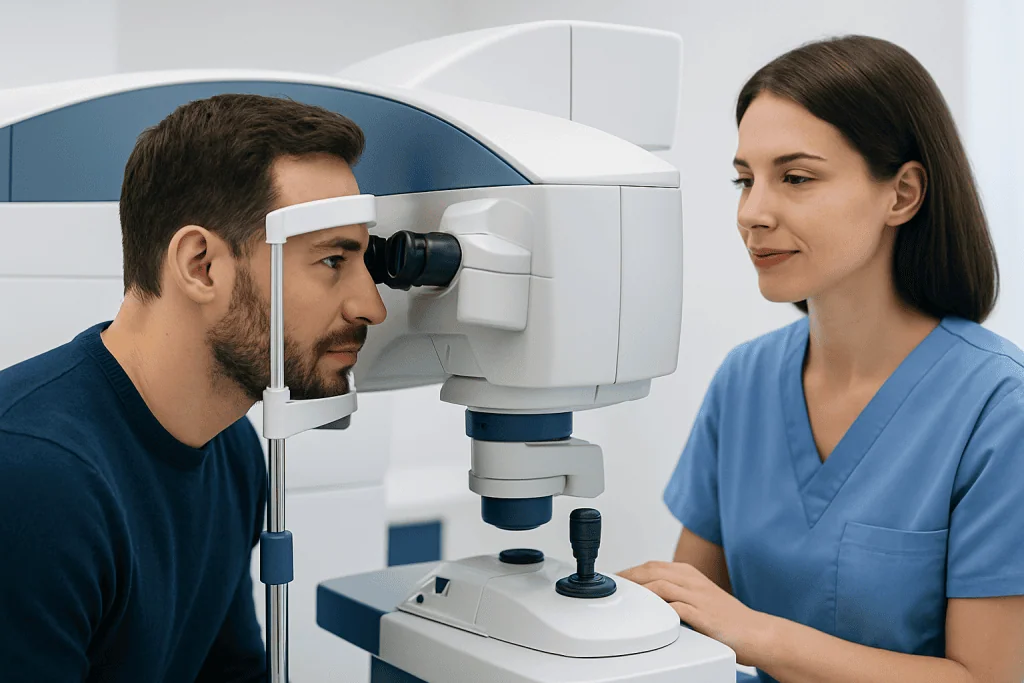
In general, LASIK results are very stable when the procedure is performed on a suitable candidate with a stable prescription. Most patients continue to enjoy improved distance vision for many years. The biggest predictor of long-term satisfaction is often proper preoperative assessment rather than the laser treatment alone.
Small vision changes can still happen over time. Some people have a mild return of nearsightedness, farsightedness, or astigmatism after surgery. This is sometimes called regression, although in many cases the change is small and may not require further treatment.
Long-term stability also depends on how much correction was needed in the first place. Very high prescriptions may have a slightly greater chance of residual refractive error or later change. Even so, many people with moderate or higher prescriptions still maintain good functional vision after LASIK when they are carefully selected and treated appropriately.
Why vision may change after LASIK

The most common reason vision changes after LASIK is not failure of the laser treatment itself but normal aging of the eye. Around the 40s, many adults develop presbyopia, a normal loss of near-focusing ability. This can make reading more difficult even if distance vision remains clear after LASIK. In these cases, patients may still need reading glasses or may ask about presbyopia treatment options.
Some people also develop cataracts later in life. Cataracts affect the eye’s natural lens, not the cornea, so LASIK cannot prevent them. If cataracts eventually become significant, vision may blur or become less crisp, and cataract surgery may be recommended.
Other causes of changing vision include dry eye, hormonal changes, pregnancy-related shifts, diabetes, certain medications, and progressive eye diseases. Less commonly, an unstable cornea can contribute to worsening vision, which is why people with conditions such as keratoconus or corneal instability are screened very carefully before refractive surgery.
Who is most likely to have long-lasting LASIK results?
The best candidates for durable LASIK results are adults with a stable eyeglass or contact lens prescription, healthy corneas, and no significant untreated eye disease. The prescription should usually be stable for a period before surgery, because treating an actively changing prescription raises the chance that vision will continue to shift afterward.
Age matters as well. Younger adults may still have subtle prescription changes, especially if nearsightedness has not fully stabilized. Older adults may have excellent LASIK outcomes too, but they are naturally closer to presbyopia or lens changes that can affect vision later.
Corneal thickness, tear film quality, pupil size, and overall eye health also influence candidacy. A detailed evaluation by an ophthalmologist helps determine whether LASIK, PRK, or another approach is more appropriate. In some cases, a person may not be a good candidate for corneal laser surgery and may be advised to consider glasses, contact lenses, or another refractive option instead.
Can LASIK be repeated or enhanced?
Yes, some people may be candidates for an enhancement procedure if they have a residual prescription or meaningful regression after the initial surgery. An enhancement is not needed for everyone, and it is only considered when the vision is stable, the cornea remains healthy, and the expected benefit outweighs the risks.
The exact method depends on the eye’s current condition. A surgeon may consider lifting the original flap, performing a surface procedure such as PRK, or recommending a different solution if the main issue is age-related near vision change rather than a true refractive regression. Enhancements are usually individualized rather than routine.
Before any repeat procedure, the eye should be remeasured carefully. Sometimes symptoms that seem like “LASIK wearing off” are actually caused by dry eye, allergy, cataract development, or another ocular problem. A full ophthalmology evaluation helps clarify the cause and guide treatment.
What to expect after surgery and how to support stable results
Vision often improves quickly after LASIK, but early fluctuations can happen during the healing period. Temporary dryness, halos, glare, or variable sharpness may occur, especially in the first days to weeks. These early changes do not necessarily predict the long-term outcome.
Following aftercare instructions is important for comfort and healing. Patients are usually advised to use prescribed drops, avoid rubbing the eyes, protect them from irritants, and attend follow-up appointments. Managing dry eye is especially helpful because an unstable tear film can make vision seem less clear even when the cornea is well shaped.
Long-term eye care still matters after successful LASIK. Regular eye examinations can identify new issues such as cataracts, glaucoma, retinal problems, or unrelated surface disease. Near the end of the care journey, some international patients choose centers such as Acibadem International, where multidisciplinary specialists in JCI-accredited hospitals assess and treat eye conditions with individualized planning.
- Use any prescribed eye drops as directed.
- Avoid eye rubbing, especially early after surgery.
- Wear UV-protective sunglasses outdoors.
- Keep routine eye checkups even if vision feels fine.
- Report new blur, pain, light sensitivity, or sudden vision changes promptly.
When to see a doctor about changing vision after LASIK
A person should contact an eye doctor if vision becomes noticeably blurrier, less stable, or more uncomfortable after LASIK, especially if the change is new or progressive. Although mild fluctuations can happen, persistent blur deserves evaluation to determine whether the cause is dry eye, residual refractive error, presbyopia, cataract, or another eye condition.
Urgent assessment is important if symptoms include significant pain, increasing redness, discharge, flashes of light, a curtain-like shadow, or a sudden drop in vision. These symptoms are not typical signs of LASIK simply “wearing off” and may point to another eye problem that needs prompt care.
Patients who are considering LASIK should also see a qualified ophthalmologist before surgery for a full refractive and corneal evaluation. Careful screening is one of the best ways to improve the chance of stable, long-lasting results and to identify whether another vision correction option would be safer or more effective.
Frequently asked questions
Does LASIK ever wear off?
The corneal reshaping created by LASIK is permanent, so the treatment itself does not wear off. However, vision can still change later because of aging, natural prescription shifts, dry eye, or new eye conditions.
How many years do LASIK results usually last?
For many people, LASIK results remain stable for many years. The exact duration varies from person to person and depends on age, original prescription, corneal health, and whether the vision was stable before surgery.
Can eyesight get worse again after LASIK?
Yes, eyesight can change after LASIK, but that does not always mean the surgery failed. Common reasons include mild regression, presbyopia in midlife, cataracts later on, or other unrelated eye problems.
Will LASIK stop the need for reading glasses?
Not necessarily. LASIK can correct distance vision, but it does not stop presbyopia, the age-related loss of near focus that usually begins around the 40s. Many people still need reading glasses later, even after successful LASIK.
Can LASIK be done twice?
In some cases, yes. If a patient has a meaningful residual prescription and enough healthy corneal tissue, an enhancement may be considered after the eye has fully healed and measurements are stable.
Is LASIK permanent for astigmatism too?
LASIK can permanently reshape the cornea to reduce astigmatism, just as it does for nearsightedness or farsightedness. Still, a small amount of residual or returning astigmatism can occur in some people over time.
This article is for general information only and is not a substitute for professional medical advice. Please consult a qualified doctor about your individual situation.
LASIK in Turkey — costs, top hospitals & a free quote
JCI-accredited · board-certified surgeons · reply within 24h
Add us as a Preferred Source to see more of our trusted health content across Google Search, AI Overviews and Discover.

Related Treatments
More from the Health Library
Eye Exam Near Me: What Happens During a Comprehensive Eye Check

Keratoconus Treatment: When Glasses Are Not Enough
Eye Care for Older Adults: Common Vision Changes After 60

Retinal Tear vs Retinal Detachment: Key Differences and Urgent Signs

Can You Get LASIK Twice? Enhancement Surgery Explained