IVF With Diminished Ovarian Reserve: How Doctors Personalize Treatment

Diminished ovarian reserve means the ovaries have fewer remaining eggs, but it does not always mean pregnancy is impossible. Doctors use age, ultrasound findings, AMH, and other hormone tests to tailor IVF treatment.
Key Takeaways
- Diminished ovarian reserve means the ovaries have fewer remaining eggs, but it does not always mean pregnancy is impossible.
- Doctors use age, ultrasound findings, AMH, and other hormone tests to tailor IVF treatment.
- Personalized IVF plans may adjust medication type, dose, cycle timing, fertilization methods, and embryo transfer strategy.
- Lifestyle support, realistic counseling, and close follow-up are important parts of care.
- Some people may need to discuss alternatives such as donor eggs, depending on age, egg quality, and response to treatment.
IVF with diminished ovarian reserve can still be an option, but treatment usually needs careful individual planning. Doctors personalize testing, stimulation, timing, and embryo strategies to make the best use of the eggs available.
Overview: What diminished ovarian reserve means in IVF
Diminished ovarian reserve means the ovaries have a lower number of remaining eggs than expected for a person’s age. In fertility care, this matters because IVF depends on retrieving eggs, fertilizing them, and selecting the best embryo or embryos for transfer. A lower egg supply can reduce the number of eggs collected in one cycle, which may affect the number of embryos available.
It is important to understand that ovarian reserve is not exactly the same as fertility potential. Ovarian reserve mainly describes egg quantity, while the chance of pregnancy also depends on egg quality, age, sperm factors, the uterus, and overall health. Some people with diminished ovarian reserve still conceive naturally or with fertility treatment, while others may need more intensive support.
Doctors often recommend a personalized plan rather than a standard IVF approach. The goal is to make the best use of the available eggs, avoid unnecessary delays, and choose the safest and most suitable treatment path. This is one reason people with low ovarian reserve are often evaluated in centers experienced in IVF treatment and broader female infertility care.
Symptoms and how it is usually discovered
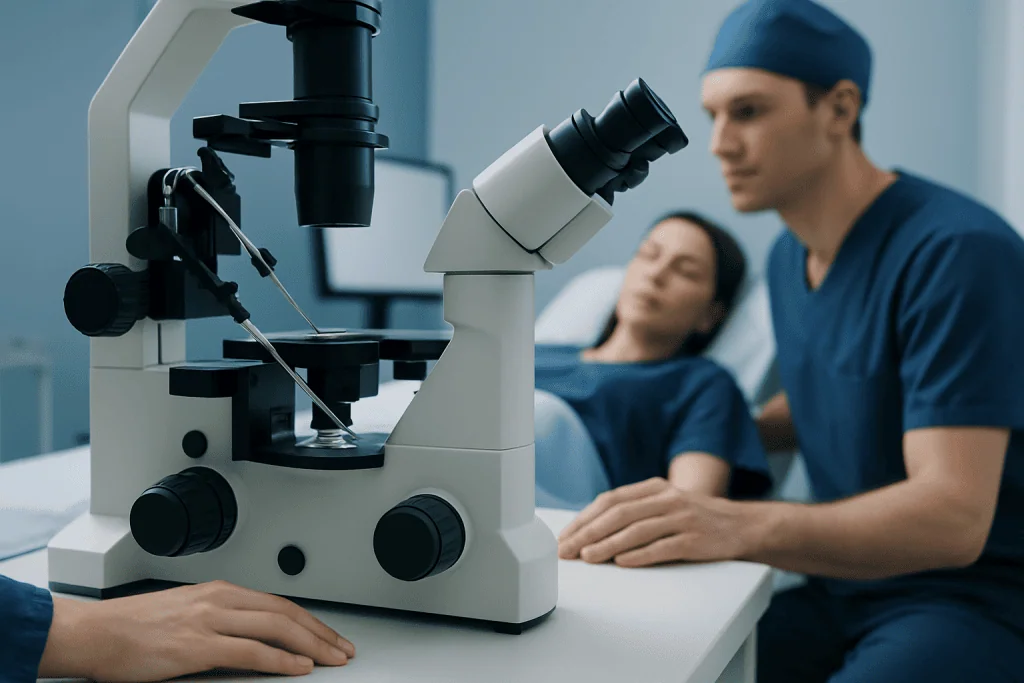
Diminished ovarian reserve often causes no obvious symptoms. Many people only learn about it during an infertility evaluation, especially if pregnancy has not happened after months of trying. Others may be tested earlier because of age, previous ovarian surgery, a family history of early menopause, or medical treatment that can affect the ovaries.
When symptoms do occur, they may be nonspecific. Some people notice shorter menstrual cycles, changes in bleeding patterns, or reduced cycle predictability, but these changes do not confirm low ovarian reserve on their own. Menstrual periods can still be regular even when ovarian reserve is reduced.
In some cases, diminished ovarian reserve is considered alongside other reproductive concerns such as premature ovarian insufficiency, although the two are not the same. Premature ovarian insufficiency usually involves a stronger loss of ovarian function and often more significant menstrual disruption. A fertility specialist helps distinguish between these conditions through hormone testing, ultrasound, and clinical history.
Causes and risk factors
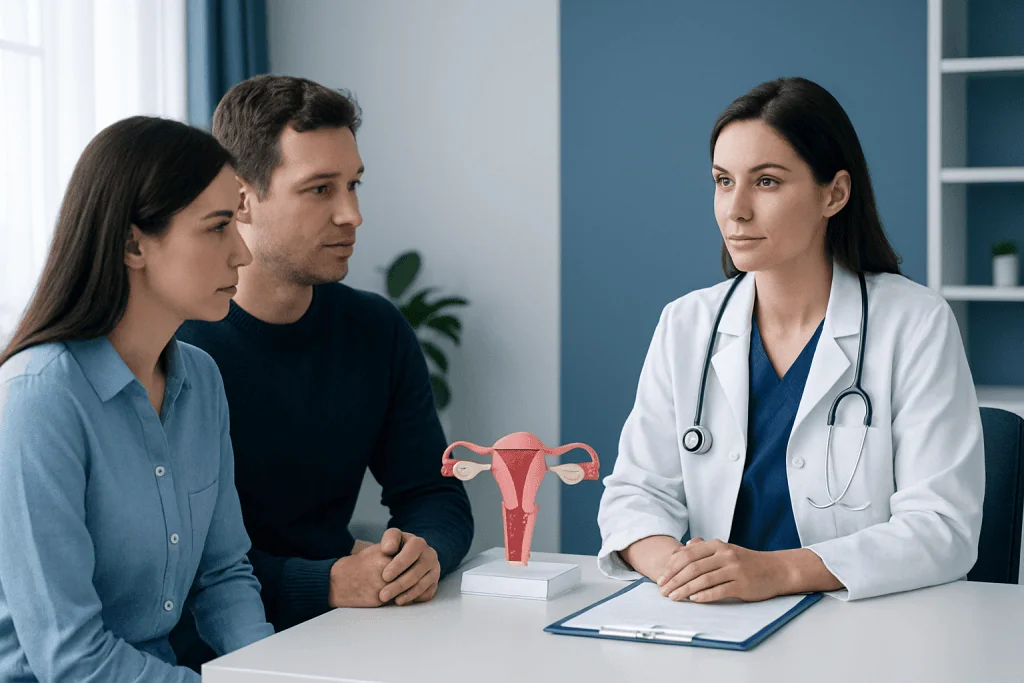
Age is the most common factor linked to diminished ovarian reserve. Egg numbers gradually decline over time, and egg quality also tends to decrease with age. This is why age remains one of the most important predictors of IVF success, even when hormone test results are considered.
Other factors can also contribute. These include prior ovarian surgery, endometriosis, certain genetic conditions, smoking, chemotherapy or pelvic radiation, and some autoimmune disorders. Occasionally, no clear cause is found. A low reserve can appear even in younger people, which is why individualized assessment matters.
Doctors also look for conditions that may reduce fertility in other ways at the same time. For example, tubal damage from pelvic inflammatory disease or uterine abnormalities such as a uterine septum can affect the treatment plan. In these situations, personalizing IVF means addressing the whole fertility picture, not only the ovarian reserve.
- Older reproductive age
- History of ovarian cyst surgery or endometriosis treatment
- Family history of early menopause
- Past chemotherapy or radiation
- Smoking or other exposures that may affect egg health
How doctors diagnose diminished ovarian reserve
Diagnosis usually combines blood tests, ultrasound findings, age, and reproductive history. The most commonly used blood test is anti-Müllerian hormone, or AMH, which gives an estimate of the remaining pool of small follicles in the ovaries. Follicle-stimulating hormone, often measured early in the menstrual cycle, may also be used, although it can vary from cycle to cycle.
Transvaginal ultrasound is another key tool. It allows the doctor to count small resting follicles in the ovaries, known as the antral follicle count. A lower count may suggest reduced ovarian reserve. Ultrasound also helps identify other findings that can influence treatment, such as ovarian cysts or uterine abnormalities.
No single test can predict with certainty whether IVF will lead to pregnancy. Instead, doctors interpret the full pattern: age, AMH, antral follicle count, prior response to stimulation, menstrual history, sperm evaluation, and uterine health. This combined assessment helps estimate how the ovaries may respond and guides the treatment strategy.
In some cases, further testing is advised if the reserve appears unusually low for age. Depending on the clinical picture, the fertility team may discuss genetic evaluation, thyroid testing, or other hormone studies. The purpose is to understand whether there is an underlying medical reason and whether treatment should be adapted.
How IVF treatment is personalized
Personalized IVF begins with setting realistic goals for the individual patient. For some, the plan focuses on retrieving as many mature eggs as possible in one cycle. For others, especially when the expected response is very low, the strategy may prioritize embryo quality, repeated cycles, or embryo banking over time.
Ovarian stimulation is often tailored carefully. Doctors may change medication types, starting doses, and timing according to age, AMH, antral follicle count, and previous cycle response. There is no single best protocol for every patient with diminished ovarian reserve. A person who had a poor response in one cycle may benefit from a different approach in the next.
The team may also individualize how eggs are fertilized and how embryos are managed. In some cases, ICSI may be recommended, particularly if there is also a sperm factor or when only a limited number of eggs are retrieved. Decisions about fresh versus frozen embryo transfer, blastocyst culture, and whether to consider genetic testing are made case by case.
Some patients are advised not to delay treatment once low reserve is confirmed, especially if age is also a concern. Others may be counseled about alternatives such as donor eggs if the chance of success with their own eggs appears very low. This discussion can be emotionally difficult, but clear counseling helps patients make informed choices.
- Adjusted stimulation medications and cycle protocol
- Monitoring designed to reduce missed timing and optimize egg maturity
- Fertilization planning, including assisted fertilization techniques when suitable
- Embryo transfer timing based on uterine readiness and embryo development
- Consideration of repeat cycles or embryo banking in selected cases
Treatment expectations, success factors, and emotional support
Success in IVF with diminished ovarian reserve depends on several factors, especially age and embryo quality. A lower egg count does not automatically mean treatment will fail, but it can mean fewer opportunities in each cycle. Because of this, doctors often discuss expected response before treatment starts so that patients understand the likely path ahead.
Some people may need more than one IVF cycle to obtain a transferable embryo. Others may produce only a small number of eggs but still achieve pregnancy if one healthy embryo develops. The goal of counseling is not to discourage treatment, but to align the plan with realistic expectations and personal priorities.
Emotional support is an important part of personalized care. Fertility treatment can bring uncertainty, disappointment, and stress, especially when test results suggest a reduced response. Support from counselors, nurses, reproductive endocrinologists, and trusted family members can help patients cope with decision-making and treatment fatigue.
Near the end of planning, some patients seek care at specialized centers that can coordinate reproductive, laboratory, and psychological support in one place. Acibadem International’s multidisciplinary specialists at JCI-accredited hospitals diagnose and treat fertility conditions for international patients, including complex cases of low ovarian reserve and infertility.
Self-care, preparation, and when to see a doctor
Self-care cannot reverse diminished ovarian reserve, but it can support overall reproductive health before and during treatment. Doctors usually encourage patients to avoid smoking, limit alcohol, maintain a healthy weight, sleep well, and manage chronic conditions such as thyroid disease or diabetes. A balanced diet and regular physical activity are generally recommended, although they do not replace medical treatment.
It is also wise to review all supplements and medications with the fertility team. Some supplements are commonly marketed for egg health, but evidence varies, and they are not suitable for everyone. Patients should avoid delaying evaluation while trying unproven methods, particularly when age is an important factor.
A doctor should be consulted if pregnancy has not occurred after a reasonable period of trying, if menstrual cycles become noticeably irregular, or if there is a known risk factor such as ovarian surgery or cancer treatment. Earlier assessment is often advised for people over 35 or for anyone with a history suggesting reduced ovarian function.
Medical review is also important if there are symptoms such as pelvic pain, very irregular periods, or prior pregnancy losses. These may point to additional conditions that need treatment alongside IVF planning. Early evaluation gives more time to discuss options and build an individualized fertility plan.
Frequently asked questions
Can someone with diminished ovarian reserve still get pregnant with IVF?
Yes, pregnancy is still possible for some people with diminished ovarian reserve. The chances depend on age, egg quality, sperm factors, and how the ovaries respond during treatment. A fertility specialist can estimate the likely response and discuss realistic options.
Is diminished ovarian reserve the same as early menopause?
No. Diminished ovarian reserve means the ovaries have fewer eggs than expected, but menstrual periods may still continue and pregnancy may still be possible. Early menopause or premature ovarian insufficiency usually involves a more significant loss of ovarian function.
Which tests are used to check ovarian reserve?
Doctors commonly use AMH blood testing and transvaginal ultrasound to measure the antral follicle count. They may also check follicle-stimulating hormone and review age, menstrual history, and past fertility treatment response. These results are interpreted together rather than relying on one test alone.
Why do doctors personalize IVF protocols for low ovarian reserve?
People with low ovarian reserve do not all respond the same way to treatment. Personalizing the protocol helps the team choose the most suitable medications, monitoring schedule, fertilization method, and embryo transfer plan. This approach aims to make the best use of the eggs available.
Does a low AMH level mean IVF will not work?
Not necessarily. A low AMH level suggests that fewer eggs may be retrieved, but it does not by itself determine whether pregnancy will happen. Age and embryo quality are also very important in predicting IVF outcomes.
Are there lifestyle changes that can improve ovarian reserve?
Lifestyle changes cannot usually increase the number of eggs remaining in the ovaries. However, avoiding smoking, managing weight, sleeping well, and treating other health problems may support overall fertility and treatment readiness. Patients should discuss any supplements with their doctor before using them.
References
- American Society for Reproductive Medicine
- European Society of Human Reproduction and Embryology
- Centers for Disease Control and Prevention
- National Institute for Health and Care Excellence
- World Health Organization
This article is for general information only and is not a substitute for professional medical advice. Please consult a qualified doctor about your individual situation.
IVF & fertility treatment in Turkey — success rates and costs
JCI-accredited · board-certified surgeons · reply within 24h
Add us as a Preferred Source to see more of our trusted health content across Google Search, AI Overviews and Discover.

Related Treatments
Related Conditions
More from the Health Library



Related Specialists

Prof. Dr. Mehmet Cihat Ünlü
Gynecology & Obstetrics
Prof. Dr. Mete Güngör
Gynecology & Obstetrics
Prof. Dr. Bülent Tıraş
Gynecology & Obstetrics
Prof. Dr. Tansu Küçük
Gynecology & Obstetrics