Multiple Sclerosis Relapse vs Pseudo-Relapse: How Doctors Tell the Difference

A true MS relapse usually involves new or clearly worsening neurologic symptoms lasting at least 24 hours without another explanation such as fever or infection. A pseudo-relapse is a temporary worsening of old symptoms triggered by factors like heat, stress, infection, poor sleep, or overheating.
Key Takeaways
- A true MS relapse usually involves new or clearly worsening neurologic symptoms lasting at least 24 hours without another explanation such as fever or infection.
- A pseudo-relapse is a temporary worsening of old symptoms triggered by factors like heat, stress, infection, poor sleep, or overheating.
- Doctors use the patient’s history, neurologic examination, and sometimes MRI and lab tests to tell the difference.
- Treatment depends on the cause: relapses may need corticosteroids, while pseudo-relapses improve by addressing the trigger.
- Sudden severe symptoms, especially weakness, speech trouble, or vision loss, need prompt medical evaluation to rule out emergencies.
Multiple sclerosis relapse vs pseudo-relapse can be confusing because both may cause a temporary return or worsening of symptoms. Doctors distinguish them by looking at how long symptoms last, whether a trigger is present, and whether there is evidence of new inflammation in the nervous system.
Overview: What Is the Difference?
In multiple sclerosis, the immune system damages myelin, the protective covering around nerve fibers in the brain and spinal cord. This can lead to episodes of neurologic symptoms such as numbness, weakness, vision changes, balance problems, or fatigue. When symptoms change, one of the most important questions is whether the person is having a true relapse or a pseudo-relapse.
A true relapse, also called an exacerbation or flare, usually means there is new inflammatory activity in the central nervous system. Doctors generally define it as new symptoms, or a clear worsening of previous symptoms, lasting at least 24 hours and happening after a period of relative stability. The symptoms should not be better explained by fever, infection, overheating, or another medical problem.
A pseudo-relapse does not mean new damage is occurring. Instead, it is a temporary worsening of existing MS symptoms caused by another trigger. Common examples include a urinary tract infection, a viral illness, hot weather, a hot bath, poor sleep, or emotional stress. Once the trigger improves, the neurologic symptoms usually return to the person’s baseline.
This distinction matters because treatment is different. A true relapse may call for anti-inflammatory treatment and a review of long-term MS management, often with support from a neuroimmunology team. A pseudo-relapse is managed by finding and treating the trigger while supporting recovery.
Symptoms of a True Relapse and a Pseudo-Relapse
The symptoms of both conditions can look very similar. A person may notice blurred vision, double vision, limb weakness, numbness, tingling, poor coordination, dizziness, walking difficulty, bladder problems, or extreme fatigue. Because the symptom pattern overlaps so much, the timing and context often provide the most helpful clues.
In a true relapse, symptoms are typically new or distinctly worse than the person’s usual baseline and persist for at least 24 hours. They may come on over hours to a few days. The symptoms often reflect inflammation affecting a particular area of the brain, spinal cord, or optic nerve, such as optic neuritis causing painful vision loss or a spinal cord lesion causing weakness and sensory changes.
In a pseudo-relapse, the symptoms usually involve old, familiar neurologic problems becoming more noticeable for a short time. For example, an older area of weakness may worsen during a fever, or blurry vision may return when the body overheats. Symptoms often fluctuate during the day and improve when the trigger is removed, such as cooling down, resting, or treating an infection.
Some symptoms are not specific to MS at all. Headache, dizziness, or facial symptoms may have other causes, including stroke, migraine, or inner ear disorders such as vestibular neuritis. That is why new or unusual neurologic symptoms should be discussed with a clinician rather than being assumed to be an MS flare.
Common Triggers and Risk Factors for Pseudo-Relapse

Pseudo-relapses are most often triggered by anything that stresses the body or temporarily affects nerve conduction in already damaged pathways. Heat sensitivity is especially common in MS. Hot weather, vigorous exercise, hot showers, saunas, or fever can make old symptoms briefly reappear or feel worse. This is sometimes called Uhthoff phenomenon.
Infections are another major trigger. Urinary tract infections, respiratory infections, stomach viruses, and even mild colds can make fatigue, weakness, balance issues, or bladder symptoms more noticeable. Because infection can mimic a relapse, doctors often ask about fever, cough, painful urination, frequency, or other signs of illness.
Other common contributors include poor sleep, emotional stress, dehydration, pain, overexertion, and missed medications. Hormonal changes and recovery from surgery or another medical illness may also temporarily worsen symptoms. Not every trigger is obvious, so careful questioning is important.
Risk factors for true relapses are somewhat different. They relate more to disease activity and whether MS is well controlled on a disease-modifying therapy. A neurologist may review recent symptom patterns, prior MRI findings, and treatment history to understand whether a new inflammatory episode is more likely.
How Doctors Tell the Difference
Doctors begin with a detailed history. They ask when the symptoms started, whether they are new or old, how long they have lasted, and whether there was a recent fever, infection, heat exposure, stress, or lack of sleep. A key question is whether symptoms improve when the person cools down, rests, or recovers from an illness. This can point strongly toward a pseudo-relapse.
A neurologic examination helps identify objective changes, such as new weakness, altered reflexes, vision abnormalities, sensory loss, or coordination problems. The examination may show signs that fit with a new lesion in the brain, spinal cord, or optic nerve. If symptoms are unclear, the doctor may compare the current examination with previous records to see whether there is truly a new deficit.
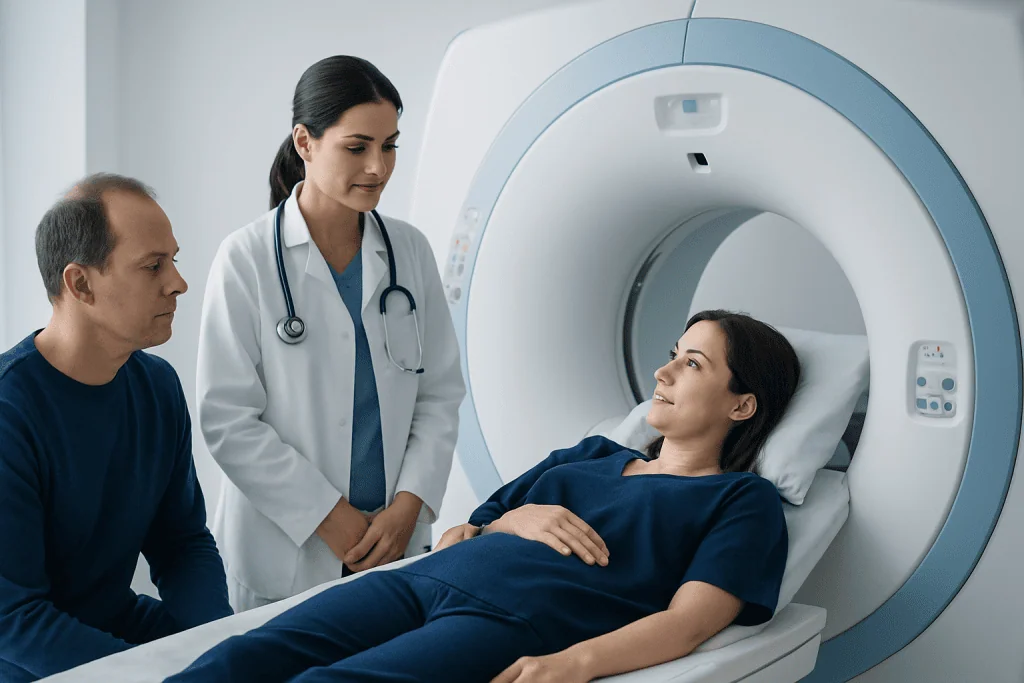
Additional tests may be used when needed. MRI of the brain or spinal cord can show new or active lesions, although not every relapse requires immediate MRI. Blood tests or a urine test may help detect infection or another medical issue. If vision symptoms are prominent, a doctor may involve neuro-ophthalmology specialists. Imaging may also be coordinated through neuroradiology when a closer look at possible new lesions is needed.
Just as importantly, doctors rule out other causes of sudden neurologic change. Conditions such as transient ischemic attack, migraine, medication side effects, metabolic problems, and other neurologic disorders can mimic MS activity. This step helps ensure that the right treatment is chosen and that urgent non-MS conditions are not missed.
Diagnosis Criteria Doctors Commonly Use
Although definitions can vary slightly, clinicians generally consider a true MS relapse to be an episode of new or significantly worsening neurologic symptoms lasting at least 24 hours, occurring in the absence of fever or infection, and separated from a previous relapse by at least 30 days. This time-based definition helps distinguish a new inflammatory event from day-to-day variation.
For pseudo-relapse, the pattern is different. Symptoms usually represent a temporary worsening of previous deficits rather than a genuinely new neurologic problem. They are often linked to a clear trigger and tend to improve once that trigger is corrected. A urine infection, a high body temperature, or severe sleep deprivation can all reproduce prior symptoms without causing new inflammatory injury.
MRI can support the diagnosis, but it is not always required to make a practical decision. Some true relapses show new enhancing lesions, while others may not be visible right away or may occur in areas that are harder to image. On the other hand, a person can have MRI activity without obvious symptoms. For this reason, doctors interpret imaging in the context of the whole clinical picture.
In complex cases, a multidisciplinary approach can be helpful. Specialists in neurophysiology may contribute functional testing in selected situations, while the broader evaluation remains centered on symptom history, neurologic examination, and exclusion of alternative explanations.
Treatment Options for Relapse and Pseudo-Relapse
Treatment depends on what is causing the symptom change. A pseudo-relapse improves by treating the trigger. This may mean antibiotics for a confirmed infection, rest and hydration during a viral illness, cooling strategies during hot weather, better sleep, or adjusting daily activities to avoid overexertion. As the trigger settles, symptoms usually return to baseline.
A true relapse may or may not need specific treatment. Mild relapses sometimes improve on their own, especially if symptoms are not causing major functional difficulty. For more significant relapses, doctors often use high-dose corticosteroids to shorten the duration of inflammation and speed recovery. Steroids do not cure MS or reverse all symptoms, but they can help many patients recover more quickly from a relapse.
If symptoms are severe or steroids are not suitable or effective, other treatments may be considered by the neurology team. Doctors may also review the person’s disease-modifying therapy to see whether long-term control of MS needs to be strengthened. Rehabilitation, including physiotherapy, occupational therapy, and support for fatigue or mobility, may be part of recovery after either type of episode.
Near the end of the care pathway, some patients benefit from a multidisciplinary setting that includes rehabilitation, imaging, and subspecialty neurology support. Acibadem International’s multidisciplinary specialists and JCI-accredited hospitals diagnose and treat neurologic conditions for international patients when this level of coordinated care is needed.
Self-Care, Prevention, and Monitoring
While not every relapse can be prevented, many pseudo-relapses can be reduced with daily self-care. Staying cool is one of the most practical steps. Air conditioning, cool showers, lightweight clothing, hydration, planned rest breaks, and avoiding outdoor heat during the hottest part of the day may help people who are heat-sensitive.
Preventing infection is also important. Good hand hygiene, staying up to date with vaccines recommended by a doctor, and seeking early care for symptoms such as painful urination, cough, or fever can reduce the risk of symptom worsening. Bladder management, bowel care, and skin care can also support overall stability in people with chronic neurologic symptoms.
Regular sleep, stress management, balanced nutrition, and pacing activities can make day-to-day symptoms easier to manage. Many people find it useful to keep a symptom diary that notes when symptoms began, how long they lasted, and whether there were triggers such as overheating or poor sleep. This record can help both patient and doctor recognize patterns over time.
Taking disease-modifying therapy as prescribed and keeping routine neurology appointments are central to long-term MS care. If symptoms are changing often, a doctor may reassess treatment goals, symptom control, and rehabilitation needs to help reduce future disruptions.
When to Seek Medical Help
People with MS should contact their doctor if they develop new neurologic symptoms, if old symptoms are clearly worse for more than 24 hours, or if they suspect an infection. Prompt evaluation helps identify whether the episode is a relapse, a pseudo-relapse, or something unrelated to MS. Early assessment can also prevent delays in treating infections or other medical problems.
Emergency care is important for sudden severe symptoms such as one-sided weakness, facial drooping, new trouble speaking, chest pain, loss of consciousness, a severe sudden headache, or major vision loss. These symptoms may not be due to MS and can point to urgent conditions requiring immediate treatment.
It is also wise to seek help if symptoms are affecting walking, balance, bladder function, work, sleep, or safety at home. Even when the cause is a pseudo-relapse, the trigger may still need treatment. Ongoing symptoms can sometimes reveal another issue, such as dehydration, medication side effects, or a non-MS neurologic condition.
Reassurance is important: not every symptom flare means new damage. With a careful history, examination, and appropriate testing, doctors can usually tell the difference between a true relapse and a pseudo-relapse and guide the next steps safely.
Frequently asked questions
How long does an MS pseudo-relapse usually last?
A pseudo-relapse usually lasts only as long as the trigger is present or until the body recovers from it. It may improve within hours or over a few days once factors like fever, infection, overheating, or exhaustion are addressed.
Can stress cause an MS relapse or only a pseudo-relapse?
Stress is more commonly linked to a temporary worsening of symptoms, which fits a pseudo-relapse. However, because stress can affect overall health and symptom perception, it is still worth discussing persistent or severe changes with a neurologist.
Do all MS relapses show up on MRI?
No. MRI can be very helpful, but not every clinical relapse is clearly visible on imaging at the time symptoms occur. Doctors use MRI together with the symptom history and neurologic examination rather than relying on one test alone.
Should every MS flare be treated with steroids?
Not always. Mild relapses that do not significantly affect function may be monitored without steroids, while more disabling relapses are more likely to be treated. The decision depends on symptom severity, location, medical history, and the doctor’s assessment.
Can heat really make MS symptoms worse?
Yes. Heat can temporarily slow nerve signaling in areas already affected by MS, which may make old symptoms feel worse. This effect does not necessarily mean new damage is happening, and symptoms often improve after cooling down.
How can someone tell at home whether symptoms are a relapse or pseudo-relapse?
At home, a person can note whether there is a trigger such as fever, infection, heat exposure, poor sleep, or unusual stress. If symptoms are new, severe, or last more than 24 hours, medical advice is important because home observation alone cannot reliably confirm the difference.
References
- National Multiple Sclerosis Society
- MS International Federation
- National Institute of Neurological Disorders and Stroke
- Mayo Clinic
- Cleveland Clinic
This article is for general information only and is not a substitute for professional medical advice. Please consult a qualified doctor about your individual situation.
Multiple Sclerosis in Turkey — costs, top hospitals & a free quote
JCI-accredited · board-certified surgeons · reply within 24h
Add us as a Preferred Source to see more of our trusted health content across Google Search, AI Overviews and Discover.

Physical Medicine & Rehabilitation
Restoring movement and function after injury, surgery or neurological conditions.
153 specialists in this unit