Neurology Near Me: How to Choose the Right Hospital for Specialist Care

The best neurology hospital is not only close by, but also suited to the person’s symptoms and likely condition. A strong neurology center should offer experienced specialists, advanced imaging, neurophysiology testing, and multidisciplinary care.
Key Takeaways
- The best neurology hospital is not only close by, but also suited to the person’s symptoms and likely condition.
- A strong neurology center should offer experienced specialists, advanced imaging, neurophysiology testing, and multidisciplinary care.
- Urgent symptoms such as sudden weakness, speech changes, seizures, or severe new headache need immediate emergency assessment.
- Patients can compare hospitals by asking about expertise, waiting times, rehabilitation support, and communication with families.
- Specialized care may be especially important for stroke, movement disorders, epilepsy, neuromuscular disease, and complex headaches.
Choosing the right neurology hospital involves more than finding a location nearby. It means looking for the right specialists, accurate diagnostics, emergency readiness, and coordinated long-term care for brain, spine, nerve, and muscle conditions.
Overview: What “Neurology Near Me” Should Really Mean
When people search for “neurology near me,” they are often looking for fast, reliable help for symptoms affecting the brain, spinal cord, nerves, or muscles. These may include headaches, dizziness, memory changes, numbness, tremor, seizures, weakness, or balance problems. While convenience matters, the nearest hospital is not always the most appropriate choice for specialist neurological care.
Neurology is a broad field. Some hospitals mainly provide general neurological evaluation, while others offer highly specialized services for stroke, epilepsy, movement disorders, sleep disorders, neuroimmunology, neuromuscular disease, and memory disorders. The right hospital depends on the patient’s age, symptoms, urgency, and whether care may involve multiple departments such as neuroradiology, rehabilitation, neurosurgery, psychiatry, or intensive care.
A thoughtful choice can improve the speed of diagnosis, the coordination of care, and the overall patient experience. A well-equipped neurology center should be able to assess symptoms accurately, explain the findings clearly, and create a treatment plan that addresses both immediate needs and long-term wellbeing.
When Specialist Neurology Care Is Needed
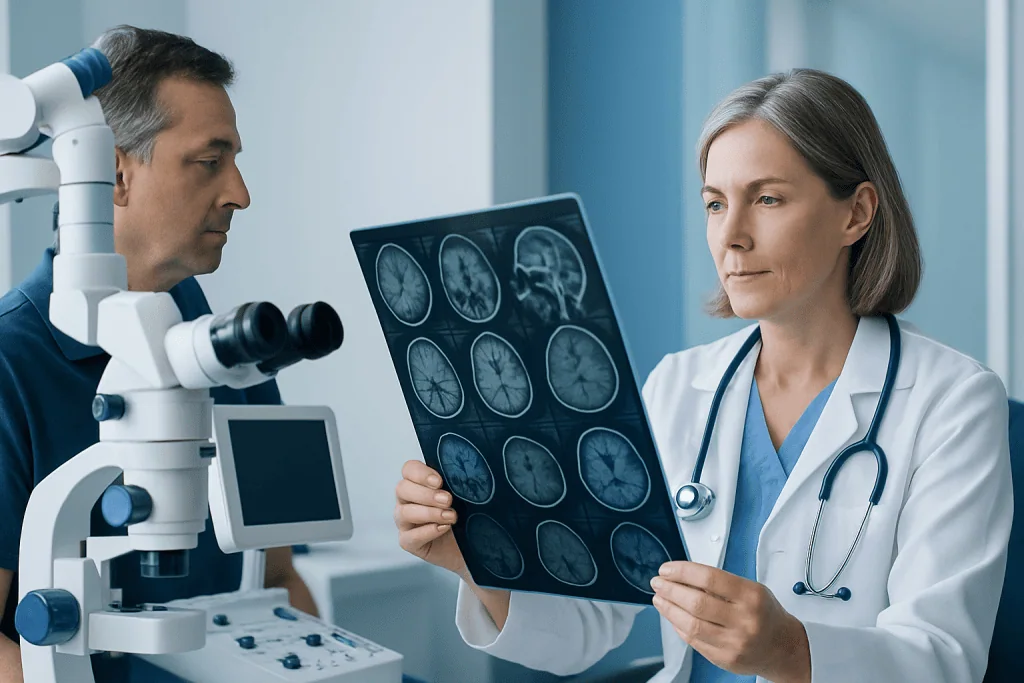
Some neurological symptoms can be evaluated first by a primary care doctor, but others are best assessed in a specialist hospital from the start. Ongoing headaches, unexplained fainting, repeated dizziness, muscle weakness, tremor, numbness, chronic pain with nerve features, sleep-related neurological problems, memory decline, and episodes that may be seizures often benefit from expert neurological review.
Specialist care is especially important when symptoms are progressive, recurring, affecting daily life, or difficult to explain. For example, a person with persistent tremor may need assessment for conditions such as essential tremor or other movement disorders. Someone with facial pain may require a careful evaluation for trigeminal neuralgia, while recurrent disabling headaches may need dedicated headache medicine support.
Children, older adults, and people with more than one neurological issue may need hospitals with tailored expertise. Pediatric neurological concerns differ from adult conditions, and older adults may benefit from services such as geriatric neurology when memory, gait, stroke risk, or age-related nerve and brain disorders are involved.
Features of a Good Neurology Hospital
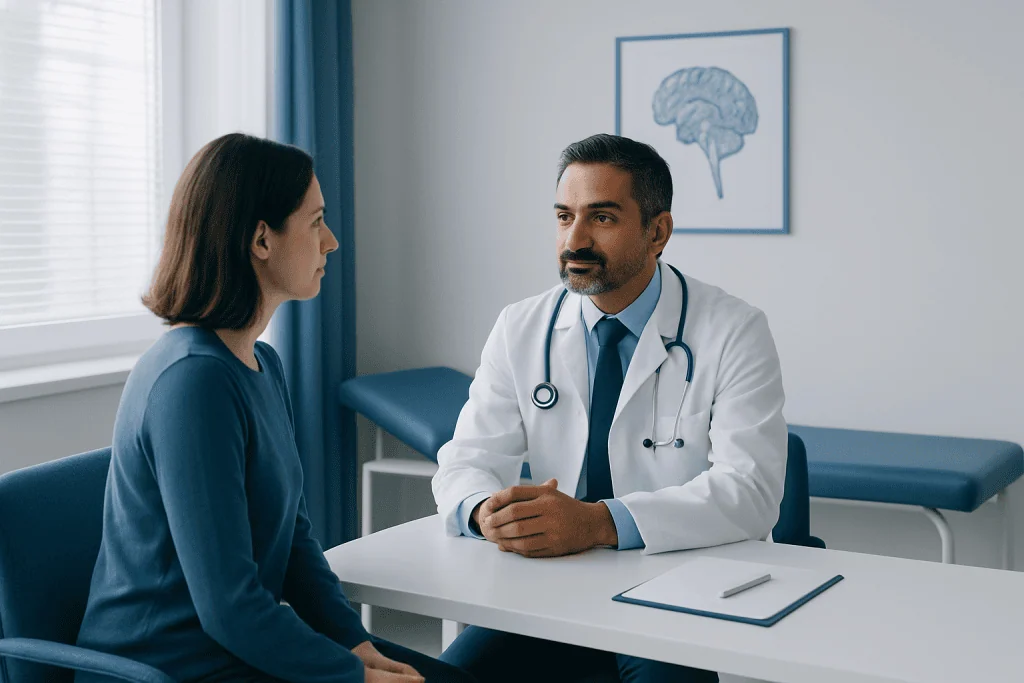
A strong neurology hospital usually offers more than outpatient consultations. It should have access to neurological examination, brain and spine imaging, laboratory support, neurophysiology testing, rehabilitation, and if needed, inpatient monitoring or urgent treatment. Hospitals that manage both common and complex neurological conditions are often better prepared when symptoms turn out to be more serious than first expected.
One important feature is multidisciplinary care. Neurological problems may overlap with internal medicine, cardiology, psychiatry, physical therapy, speech therapy, pain management, and neurosurgery. A hospital where specialists communicate well can help reduce delays and make treatment plans easier to follow. This is particularly valuable for conditions such as stroke, where diagnosis, imaging, emergency treatment, and rehabilitation may all need to happen quickly and in sequence.
Hospitals with advanced diagnostic support can also be helpful. Services such as neurophysiology may be used to evaluate nerve, muscle, and seizure-related disorders, while neuroradiology helps interpret detailed brain and spine imaging. These tools can improve diagnostic accuracy when symptoms are subtle or overlapping.
- Board-certified neurologists with condition-specific expertise
- 24/7 emergency support for acute neurological events
- Access to MRI, CT, EEG, EMG, nerve conduction studies, and vascular imaging
- Rehabilitation services such as physical, occupational, and speech therapy
- Clear communication with patients and family members
Questions to Ask Before Choosing a Hospital
Patients and families do not need medical training to ask useful questions. A hospital should be able to explain what type of neurology care it offers, whether it sees many patients with similar symptoms, and how quickly urgent cases are assessed. Asking practical questions can reveal a great deal about how organized and patient-centered a service is.
Helpful questions include whether the hospital has dedicated stroke pathways, epilepsy assessment, movement disorder clinics, memory clinics, sleep neurology services, or pediatric neurology. It may also help to ask how long diagnostic testing usually takes, whether multiple consultations can be coordinated, and whether rehabilitation is available onsite or through partner services.
Patients traveling for care may want to ask about medical records review, language support, remote second opinions, and follow-up planning once they return home. These points matter because neurology care often continues over time, and treatment is usually most effective when communication remains consistent between the specialist center and the local doctor.
Emergency Signs That Need Immediate Care
Some neurological symptoms should never wait for a routine appointment. Sudden weakness on one side of the body, facial drooping, trouble speaking, sudden confusion, loss of vision, a new seizure, severe head injury, or a sudden and unusually intense headache all need urgent medical attention. In these situations, the right place is an emergency department with rapid neurological assessment rather than a standard outpatient clinic.
Time-sensitive conditions such as stroke or bleeding around the brain can worsen quickly, and early treatment may protect brain function. Symptoms that come and go, such as a temporary loss of speech or vision, can still be serious and may suggest a transient ischemic attack. New severe dizziness with imbalance, especially with other neurological symptoms, also deserves prompt evaluation.
If there is any concern about a medical emergency, it is safest to call emergency services or go to the nearest emergency-capable hospital immediately. Specialist neurological follow-up can be arranged afterward if needed. In urgent settings, speed of care is usually more important than hospital preference.
How Diagnosis and Treatment Are Usually Organized
Neurology diagnosis typically begins with a detailed medical history and neurological examination. The doctor may ask when symptoms started, whether they are constant or episodic, what triggers them, and how they affect walking, speech, memory, sleep, strength, sensation, or vision. This first clinical assessment often guides which tests are most appropriate.
Depending on the symptoms, evaluation may include MRI or CT scans, EEG for seizure-like episodes, EMG and nerve conduction studies for nerve or muscle problems, blood tests, spinal fluid analysis, cognitive testing, or sleep studies. In some cases, related specialties are involved early. For example, movement symptoms may benefit from dedicated movement disorders expertise, and migraine care may be directed through migraine services when headaches are frequent or difficult to control.
Treatment varies widely because neurology includes many different conditions. Options may include medications, infusion therapies, rehabilitation, lifestyle changes, neuromodulation, psychological support, or interventional procedures. The best hospitals explain not only the diagnosis and treatment choices, but also what to expect over time, what warning signs to monitor, and how follow-up will be organized.
Practical Factors: Location, Access, and Continuity of Care
Location matters, but it should be considered together with access and continuity. A nearby hospital can be useful for routine visits and rehabilitation, especially for people with mobility limitations. However, for rare, complex, or progressive neurological disorders, traveling a little farther for specialist expertise may be worthwhile if it leads to a clearer diagnosis or better treatment planning.
Other practical factors include appointment availability, ease of contacting the clinic, waiting times for scans and tests, and whether the hospital offers integrated inpatient and outpatient services. Families may also value parking, accessibility, caregiver support, and the ability to receive clear written summaries after visits. These details can make ongoing neurological care less stressful.
For international patients or those seeking a second opinion, organized coordination is particularly helpful. Near the end of the care journey, patients may appreciate a center that can connect diagnostics, treatment, and follow-up planning across specialties. Acibadem International’s multidisciplinary specialists and JCI-accredited hospitals diagnose and treat neurological conditions for international patients, with care pathways designed to support communication across departments and after discharge.
How to Make the Final Decision
The final choice often comes down to matching the hospital’s strengths with the patient’s needs. For a sudden emergency, the nearest emergency-ready center is usually the right choice. For chronic or complex symptoms, it can help to compare one or two hospitals based on specialist expertise, testing capabilities, rehabilitation access, and how clearly the team communicates.
Patients may find it useful to bring a list of current symptoms, prior scans or reports, medication history, and questions for the first appointment. If possible, having a family member present can help with note-taking and decision-making. Neurological symptoms can be difficult to describe, so practical examples of what happens during an episode are often very useful.
A good neurology hospital should make the person feel listened to, informed, and supported. Even when diagnosis takes time, a coordinated specialist team can help clarify the next steps and guide safe, evidence-based treatment. If symptoms are ongoing or changing, seeking expert evaluation is a sensible and reassuring step forward.
Frequently asked questions
What does a neurologist treat?
A neurologist diagnoses and manages conditions affecting the brain, spinal cord, nerves, and muscles. These include headaches, seizures, stroke, tremor, neuropathy, memory problems, sleep-related neurological issues, and movement disorders.
How do people know if they need a neurology hospital instead of a regular clinic?
A hospital-based neurology service may be more appropriate when symptoms are severe, sudden, progressive, or hard to explain. It is also helpful when advanced tests, emergency support, rehabilitation, or input from multiple specialists may be needed.
Should people always choose the closest neurology center?
Not always. For emergencies, the closest emergency-capable hospital is usually best, but for chronic or complex neurological conditions, expertise and access to specialized testing may matter more than distance.
What tests are commonly done in neurology?
Common tests include MRI or CT scans, EEG, EMG, nerve conduction studies, blood tests, and sometimes cognitive or sleep assessments. The exact tests depend on the person’s symptoms and the doctor’s examination findings.
What symptoms need urgent neurological evaluation?
Sudden weakness, facial drooping, trouble speaking, severe new headache, a first seizure, sudden vision loss, or sudden confusion need urgent assessment. These symptoms can signal serious conditions that benefit from immediate treatment.
Can people seek a second opinion for neurological symptoms?
Yes. A second opinion can be helpful when a diagnosis is uncertain, symptoms are changing, or treatment options are complex. Bringing previous reports, scans, and medication lists can make the second opinion more useful.
References
- World Health Organization
- National Institute of Neurological Disorders and Stroke
- American Academy of Neurology
- National Health Service
- Centers for Disease Control and Prevention
This article is for general information only and is not a substitute for professional medical advice. Please consult a qualified doctor about your individual situation.
Joint and spine care in Turkey — expert assessment & treatment
JCI-accredited · board-certified surgeons · reply within 24h
Add us as a Preferred Source to see more of our trusted health content across Google Search, AI Overviews and Discover.

Neurology
Diagnosis and treatment of disorders of the brain, spinal cord, nerves and muscles.
51 specialists in this unit