Neurology Second Opinion: When It Helps and What to Bring
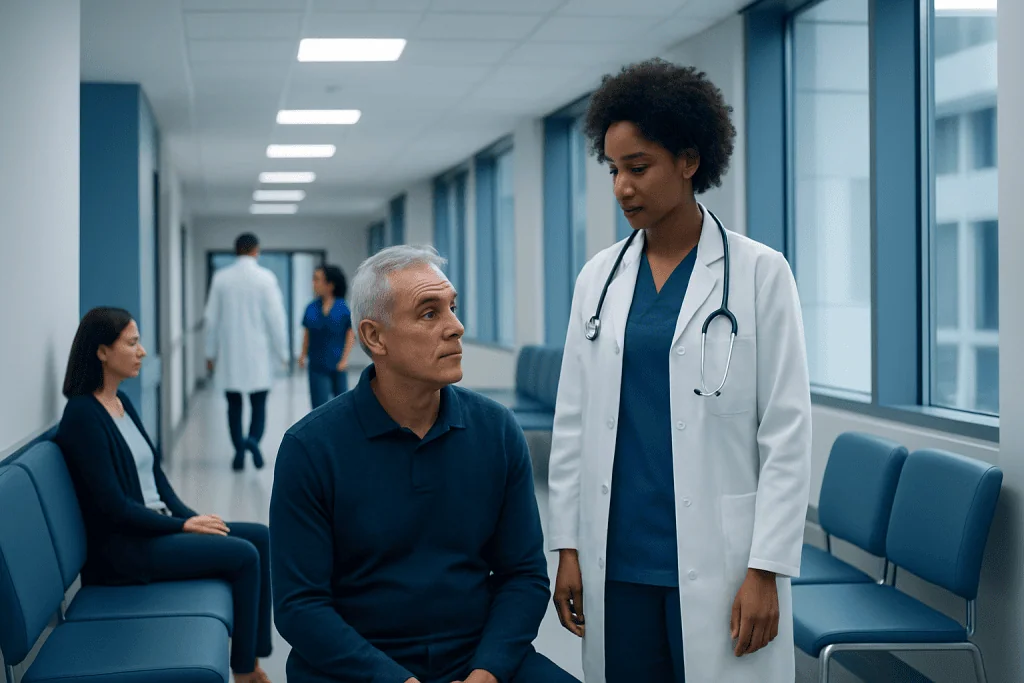
A neurology second opinion is common and can be helpful for complex, unclear, or changing symptoms. It may confirm the original diagnosis or suggest additional tests, different treatment options, or referral to a subspecialist.
Key Takeaways
- A neurology second opinion is common and can be helpful for complex, unclear, or changing symptoms.
- It may confirm the original diagnosis or suggest additional tests, different treatment options, or referral to a subspecialist.
- Bringing a clear timeline, medication list, imaging discs, and prior reports can make the visit more productive.
- A second opinion is especially useful before major procedures, for rare disorders, or when treatment is not working as expected.
- Urgent neurological symptoms such as sudden weakness, trouble speaking, or seizure emergencies need immediate care rather than a delayed review.
A neurology second opinion is a review of symptoms, test results, and treatment plans by another qualified specialist. It can help patients better understand a diagnosis, confirm the current approach, or explore other options for brain, spine, nerve, and muscle conditions.
Overview: what a neurology second opinion means
A neurology second opinion is an independent review by another neurologist or neurology team. The specialist looks at the patient’s symptoms, medical history, examination findings, scans, laboratory results, and treatment plan. The goal is not to criticize previous care, but to improve clarity and help the patient make informed decisions.
Neurological conditions can be complex because many disorders affect the brain, spinal cord, nerves, muscles, balance, vision, sleep, memory, or movement in overlapping ways. Headache, dizziness, numbness, weakness, tremor, seizures, or memory changes can sometimes have more than one possible cause. A second opinion can help sort through these possibilities.
In some cases, the second specialist agrees fully with the first diagnosis and plan. That confirmation alone can be reassuring. In other cases, the review may lead to a refined diagnosis, recommend additional testing, or suggest a subspecialty assessment such as neurophysiology testing or focused review in neuroradiology.
When a second opinion can be especially helpful
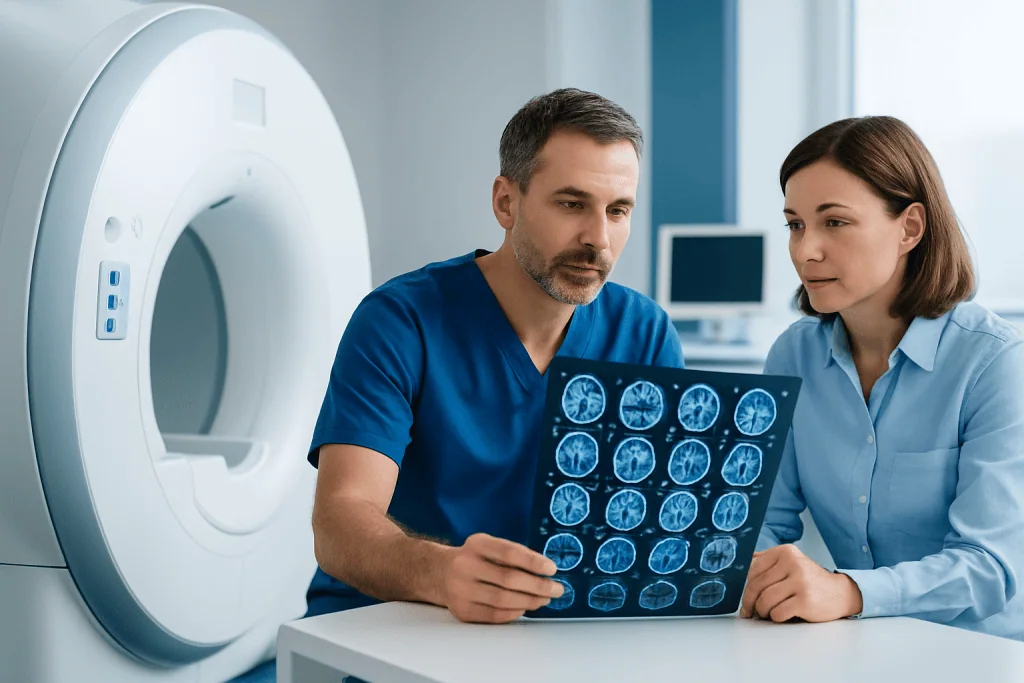
Many people seek a neurology second opinion when symptoms are persistent, unexplained, or affecting daily life despite treatment. It can be especially useful if the diagnosis is uncertain, more than one condition is being considered, or the patient has been told they may need an invasive procedure or long-term therapy.
Common situations include seizures that are difficult to classify, headaches that do not improve, tremor or movement symptoms with an unclear cause, possible autoimmune or neuromuscular disease, memory decline, sleep-related neurological problems, or suspected stroke-related complications. A second review may also help if test results do not seem to match the symptoms.
People often request another opinion when they have been diagnosed with a rare or potentially life-changing condition, such as stroke, essential tremor, or trigeminal neuralgia. It can also help when a patient feels they do not fully understand the diagnosis, prognosis, or reason for the recommended treatment.
A second opinion may be appropriate before decisions about advanced therapies, including device-based treatment, interventional procedures, or surgery. It can also be helpful for families who need a clearer picture of what to expect and how to plan care over time.
How it can help with diagnosis and treatment decisions

Neurology relies on a careful combination of clinical history, physical examination, imaging, laboratory tests, and sometimes electrical studies or cognitive assessment. Because symptoms may evolve gradually, a fresh review can identify details that were not obvious earlier. This does not necessarily mean the first opinion was wrong; neurological conditions can simply take time to declare themselves clearly.
A second specialist may confirm that the current treatment is appropriate, which can strengthen confidence in the plan. In other cases, the reviewer may recommend further testing, such as repeat imaging, EEG, EMG and nerve conduction studies, blood work, spinal fluid testing, sleep evaluation, or neuropsychological assessment. Depending on the concern, patients may be referred to services such as headache medicine, neuroimmunology, or a movement-disorders clinic.
Treatment recommendations may also change after review. The neurologist may suggest adjusting medication timing, reducing side effects, trying rehabilitation, adding psychological support, or involving another specialist such as neurosurgery, psychiatry, ophthalmology, or pain management. Sometimes the best recommendation is watchful follow-up to see how symptoms develop over time.
For chronic conditions, a second opinion can help patients understand goals of treatment more realistically. Some neurological disorders can be cured, while others are managed to reduce symptoms, prevent complications, and preserve quality of life. Clear communication about those goals is often one of the most valuable parts of the consultation.
What to bring to the appointment
Good preparation can make a neurology second opinion far more useful. Bringing organized records helps the specialist spend more time interpreting the information instead of trying to reconstruct it. If possible, patients should gather material from all relevant clinicians, not just neurology visits.
Helpful items to bring include:
- A written summary of symptoms, including when they started, how they changed, and what makes them better or worse
- A list of current medications, vitamins, supplements, and any past treatments tried
- Copies of clinic notes, hospital discharge summaries, and test reports
- Imaging reports and, importantly, the actual MRI or CT images on disc or secure digital access
- Results of EEG, EMG, nerve conduction studies, blood tests, spinal fluid tests, sleep studies, or neuropsychology testing if available
- A list of past medical problems, surgeries, allergies, and family history of neurological disease
It is also useful to bring a symptom diary. For example, people with headaches can record frequency, triggers, and response to treatment, while those with spells or possible seizures can note timing, duration, and witness descriptions. Video recordings of events, when safe and appropriate, may sometimes help the neurologist understand abnormal movements or episodes.
If the patient has memory, language, or mobility difficulties, bringing a family member or trusted companion can be very helpful. That person may provide extra details, take notes, and help with questions after the visit. A short written list of priorities can also keep the discussion focused on what matters most to the patient.
What happens during the evaluation
The neurologist usually begins by listening to the patient’s story in detail. The timing of symptoms is often crucial in neurology. Sudden problems can suggest different causes than symptoms that slowly progress over months or fluctuate from day to day. Even small details, such as whether numbness began in the feet or face, can change the diagnostic thinking.
Next comes a neurological examination. This may include checking strength, sensation, reflexes, coordination, balance, walking, eye movements, speech, memory, and other cognitive functions. The exam helps the doctor identify where in the nervous system the problem may be located.
The specialist then reviews prior tests and decides whether the available information is enough. Sometimes no additional tests are needed. In other cases, the neurologist may advise repeat imaging if earlier scans were incomplete, outdated, or technically limited, or may recommend targeted evaluation in areas such as neurological sleep medicine if sleep disorders could be contributing to symptoms.
At the end of the visit, the patient should ideally leave with a clearer understanding of the working diagnosis, what remains uncertain, what further testing is recommended, and the reasons behind each treatment option. Asking for this summary in plain language can be very helpful.
Tips for getting the most from a second opinion
Patients often get the best results when they approach the consultation with clear questions. Helpful examples include: What diagnosis best fits these symptoms? Are there other possibilities? Which tests are most important? What are the benefits and downsides of treatment options? What warning signs would require urgent care?
It is also important to be honest about what is and is not working. If a medication caused side effects, if symptoms are interfering with work or sleep, or if anxiety about the diagnosis is becoming overwhelming, saying so helps the neurologist tailor the plan more effectively. In neurology, quality of life is an important part of treatment decisions.
Patients should remember that a second opinion may not provide instant certainty. Some neurological conditions need time, follow-up examinations, or repeated testing before a confident diagnosis can be made. That uncertainty can feel frustrating, but careful monitoring is sometimes safer and more accurate than rushing to a conclusion.
Near the end of the process, patients may wish to ask whether care should remain with the original neurologist, transfer to a subspecialist, or involve a multidisciplinary team. Acibadem International’s multidisciplinary specialists and JCI-accredited hospitals evaluate and treat neurological conditions for international patients when coordinated expert review is needed.
When urgent symptoms need emergency care instead
A second opinion is useful for many situations, but it should not delay emergency treatment. Sudden neurological symptoms can signal a medical emergency and need immediate evaluation. Examples include sudden weakness on one side, facial droop, trouble speaking, sudden severe headache unlike usual headaches, new confusion, sudden loss of vision, loss of consciousness, or a first seizure.
Rapidly worsening numbness or weakness, severe back pain with bladder or bowel changes, high fever with neck stiffness and altered mental status, or persistent dizziness with new neurological deficits also need urgent medical attention. In these situations, emergency services or the nearest emergency department are more appropriate than waiting for an outpatient review.
After urgent treatment, a second opinion may still be helpful during recovery or follow-up, especially for diagnosis confirmation, rehabilitation planning, or prevention of future events such as transient ischemic attack. The key is timing: emergencies come first, and second opinions can follow once the patient is stable.
Frequently asked questions
Is it normal to ask for a neurology second opinion?
Yes. Seeking a second opinion is common, especially when symptoms are complex, the diagnosis is unclear, or treatment decisions are significant. Most clinicians understand that patients want clarity and confidence in their care.
Will a second opinion mean the first neurologist was wrong?
Not necessarily. Neurological diagnoses can be difficult because symptoms overlap and may change over time. A second opinion may simply confirm the original assessment, which can be reassuring.
Do patients need a referral for a neurology second opinion?
That depends on the healthcare system, insurance plan, and clinic. Some centers accept self-referrals, while others require a referral from a primary doctor or current specialist. It is best to check before booking.
What records are most important to bring?
The most useful items are a symptom timeline, medication list, prior clinic notes, test reports, and the actual MRI or CT images if available. Bringing discs or secure image access is often more helpful than written reports alone.
Can a second opinion be helpful even after treatment has started?
Yes. It can help if symptoms are not improving, side effects are difficult, or there are questions about next steps. A review may confirm the current plan or suggest reasonable adjustments.
How long does it take to get answers from a second opinion?
Sometimes answers come during the first visit, but not always. Additional tests, image review, or follow-up over time may be needed before the neurologist can give a more definite conclusion.
References
- World Health Organization
- American Academy of Neurology
- National Institute of Neurological Disorders and Stroke
- NHS
- Mayo Clinic
This article is for general information only and is not a substitute for professional medical advice. Please consult a qualified doctor about your individual situation.
Joint and spine care in Turkey — expert assessment & treatment
JCI-accredited · board-certified surgeons · reply within 24h
Add us as a Preferred Source to see more of our trusted health content across Google Search, AI Overviews and Discover.

Neurology
Diagnosis and treatment of disorders of the brain, spinal cord, nerves and muscles.
51 specialists in this unit