Neurosarcoidosis: Symptoms, MRI Findings, and When Specialist Care Is Needed

Neurosarcoidosis happens when inflammatory sarcoidosis involves the nervous system. Symptoms vary widely and may include facial weakness, headache, vision problems, numbness, balance issues, or seizures.
Key Takeaways
- Neurosarcoidosis happens when inflammatory sarcoidosis involves the nervous system.
- Symptoms vary widely and may include facial weakness, headache, vision problems, numbness, balance issues, or seizures.
- MRI can help show inflammation in the brain, spinal cord, meninges, or cranial nerves, but diagnosis usually requires more than imaging alone.
- Treatment often involves corticosteroids and other immune-modulating medicines tailored to the affected nervous system area.
- Urgent medical attention is important for sudden weakness, severe vision loss, seizures, confusion, or stroke-like symptoms.
Neurosarcoidosis is a form of sarcoidosis that affects the brain, spinal cord, nerves, or muscles. Because symptoms can mimic other neurological conditions, careful evaluation with MRI, laboratory tests, and specialist assessment is often needed.
Overview
Neurosarcoidosis is an inflammatory condition in which sarcoidosis affects the nervous system. Sarcoidosis is a disease marked by clusters of inflammatory cells called granulomas. These granulomas can develop in many organs, most commonly the lungs and lymph nodes, but in some people they involve the brain, spinal cord, cranial nerves, peripheral nerves, or muscles.
Although neurosarcoidosis is uncommon, it can cause a wide range of neurological symptoms. Some people already know they have sarcoidosis elsewhere in the body before neurological symptoms begin. Others first come to medical attention because of facial weakness, headaches, vision changes, numbness, or problems with movement, balance, or thinking.
One reason neurosarcoidosis can be challenging is that it may resemble infections, autoimmune diseases, multiple sclerosis, tumors, or other neurological disorders. For that reason, doctors usually diagnose it by combining the medical history, neurological examination, MRI findings, laboratory testing, and sometimes biopsy evidence of sarcoidosis in another organ or, less often, in nervous tissue itself.
Symptoms of neurosarcoidosis
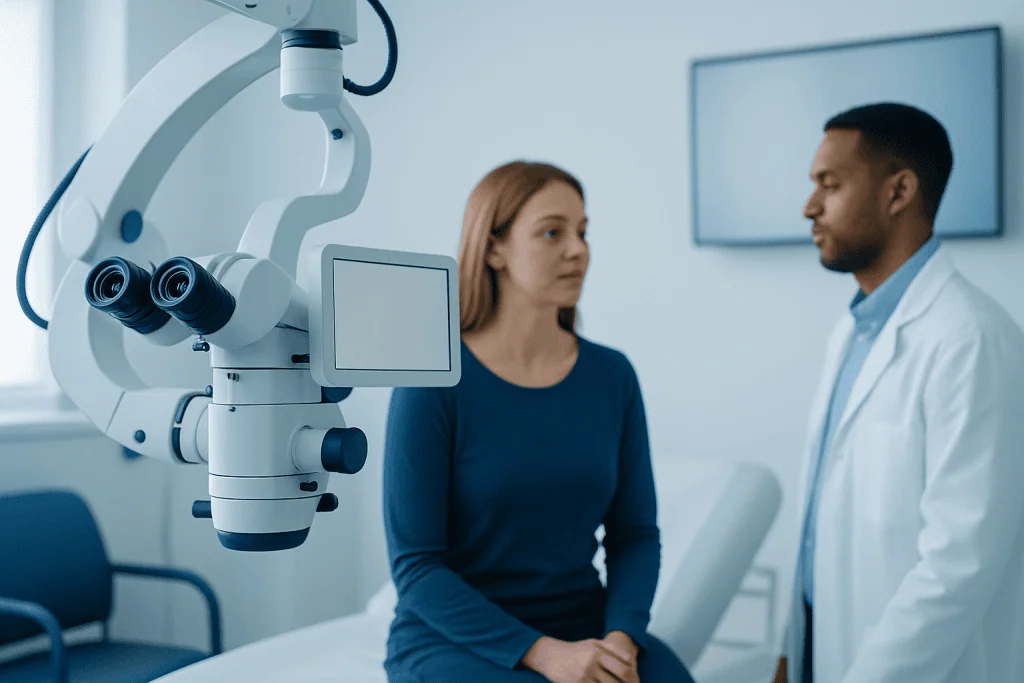
Neurosarcoidosis symptoms depend on which part of the nervous system is affected. If cranial nerves are involved, a person may develop facial weakness, double vision, hearing changes, swallowing difficulty, or loss of smell or taste. Facial nerve palsy can sometimes look similar to Bell palsy, but the broader clinical picture may suggest an inflammatory cause such as sarcoidosis.
When the brain or its coverings are affected, symptoms may include headache, seizures, confusion, memory problems, mood changes, or changes in sleep and concentration. Vision problems can occur if inflammation affects the optic nerves or nearby structures. Involvement of the pituitary gland or hypothalamus may lead to excessive thirst, increased urination, menstrual changes, fatigue, or hormonal imbalance.
If the spinal cord or nerve roots are involved, neurosarcoidosis may cause back or neck pain, weakness, numbness, tingling, trouble walking, bowel or bladder dysfunction, or sexual dysfunction. Peripheral nerve involvement can lead to burning pain, altered sensation, or loss of reflexes. Muscle involvement may cause weakness or aching.
Symptoms may appear gradually or more suddenly. In some people they come and go, while in others they become more persistent. Because these symptoms are not specific to one disease, professional evaluation is important whenever new neurological symptoms develop.
MRI findings and how diagnosis is made
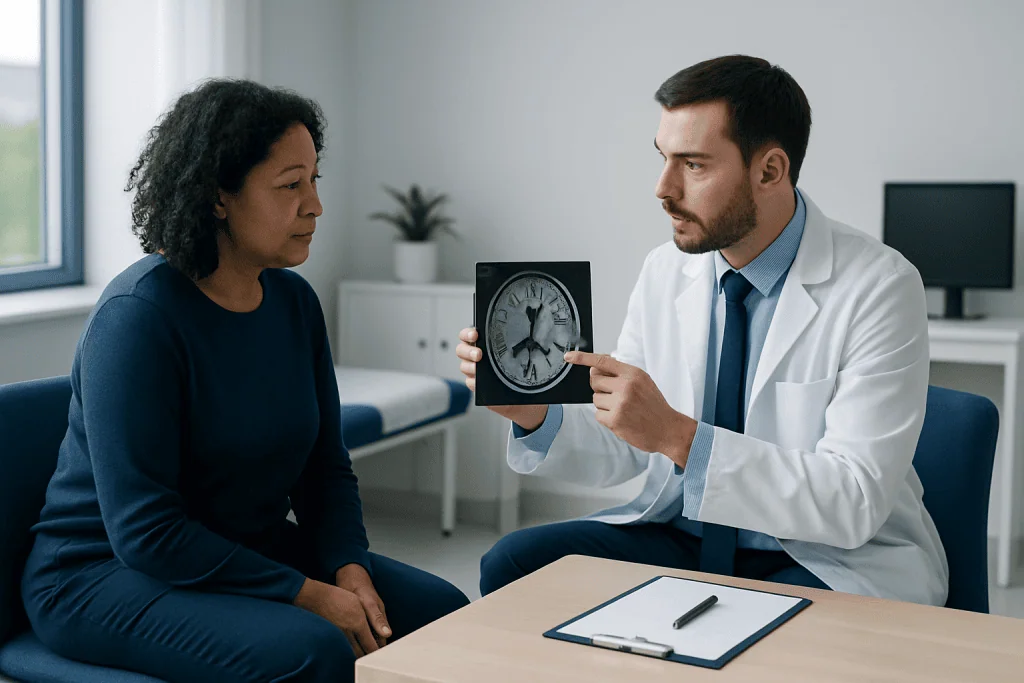
MRI is one of the most important imaging tests in suspected neurosarcoidosis. It can help show inflammation in the brain, spinal cord, meninges, cranial nerves, or pituitary region. Typical findings may include areas of abnormal enhancement after contrast, thickening or enhancement of the meninges, lesions within the brain or spinal cord, or enlargement and enhancement of affected cranial nerves. However, MRI findings are not unique to neurosarcoidosis, so imaging is only one part of the diagnostic process.
Doctors often request contrast-enhanced brain MRI and, if symptoms suggest it, spinal MRI. In many cases, imaging is interpreted together with cerebrospinal fluid analysis from a lumbar puncture, blood tests, and chest imaging to look for sarcoidosis in the lungs or lymph nodes. Because tissue confirmation is valuable, a biopsy from a safer, more accessible site outside the nervous system is often preferred when possible.
Additional tests may include nerve conduction studies, electromyography, hormone testing, eye examination, and hearing assessment depending on the symptoms. Specialists in neuroradiology and neuroimmunology may help interpret complex findings and distinguish neurosarcoidosis from infections, cancer, demyelinating disease, or vascular conditions.
Doctors sometimes describe the diagnosis as possible, probable, or definite neurosarcoidosis based on the pattern of symptoms, imaging, laboratory evidence, and biopsy results. This careful approach matters because treatment often involves suppressing the immune system, which is only appropriate once other causes have been assessed.
Causes and risk factors
The exact cause of sarcoidosis, including neurosarcoidosis, is not fully understood. Experts believe it results from an abnormal immune response in genetically susceptible people after exposure to one or more environmental triggers. It is not considered a contagious disease.
Not everyone with sarcoidosis develops nervous system involvement. In many people with neurosarcoidosis, sarcoidosis is also present in the lungs, skin, eyes, or lymph nodes. A personal history of systemic sarcoidosis can therefore raise suspicion when neurological symptoms appear, but neurosarcoidosis can occasionally be the first major manifestation.
Doctors also look at risk factors for conditions that can mimic neurosarcoidosis. These may include autoimmune disorders, infections, and neurological diseases affecting the brain, nerves, or spinal cord. For example, weakness, numbness, or walking difficulty may overlap with other inflammatory nerve disorders such as Guillain-Barre syndrome or structural spinal problems. Careful testing helps clarify the cause.
There is no single symptom pattern or blood test that confirms neurosarcoidosis in every person. That is why assessment by clinicians familiar with inflammatory neurological diseases is often helpful, especially when symptoms involve multiple areas of the nervous system or MRI findings are complex.
Treatment options
Treatment aims to reduce inflammation, protect nervous system function, and relieve symptoms. Corticosteroids are commonly the first treatment because they can quickly reduce immune-driven inflammation. If symptoms are severe, involve critical structures such as the optic nerves or spinal cord, or return during steroid tapering, doctors may add other immune-modulating medicines to help control disease and reduce long-term steroid exposure.
The exact treatment plan depends on the location and severity of inflammation, the person’s overall health, and whether other organs are affected. Some people need treatment for seizures, pain, hormonal problems, or bladder symptoms in addition to anti-inflammatory therapy. Rehabilitation, vision support, and physical therapy may also be important when weakness, balance, or coordination problems are present.
When numbness, weakness, or nerve pain suggest peripheral nerve involvement, input from teams experienced in neuromuscular diseases can be useful. If visual symptoms, optic nerve inflammation, or double vision occur, assessment in neuroophthalmology may help guide both diagnosis and follow-up.
Response to treatment varies. Some people improve significantly, while others need longer-term monitoring because symptoms can recur or leave lasting effects. Regular follow-up appointments and repeat imaging may be recommended to track how active the inflammation is and whether treatment should be adjusted.
Prevention, self-care, and living with neurosarcoidosis
There is no known way to fully prevent neurosarcoidosis because the underlying cause is not yet clear. Still, good follow-up care can help reduce the risk of complications. Taking medicines exactly as prescribed, attending scheduled appointments, and reporting new symptoms early can make management safer and more effective.
Daily self-care focuses on supporting general health and coping with symptoms. This may include pacing activities during periods of fatigue, protecting vision if eye symptoms are present, using mobility aids when needed, and asking about physical or occupational therapy for strength, balance, and function. Keeping a symptom diary can help identify changes over time and make specialist visits more productive.
Because treatment may involve immune-suppressing medicines, patients should ask their doctor about infection precautions, vaccine planning, and routine monitoring tests. It is also important to discuss mood changes, memory issues, sleep problems, or chronic pain, as these can affect quality of life and deserve attention rather than being overlooked.
When care is coordinated among neurology, pulmonology, rheumatology, ophthalmology, endocrinology, and radiology teams, management is often more comprehensive. Near the end of the care pathway, some international patients may seek evaluation at centers such as Acibadem International, where multidisciplinary specialists and JCI-accredited hospitals diagnose and treat complex neurological inflammatory conditions.
When specialist care is needed
Specialist care is especially important when symptoms affect vision, walking, bladder control, thinking, or facial movement, or when MRI shows inflammation in the brain, spinal cord, meninges, or cranial nerves. These situations may require urgent evaluation by a neurologist and, depending on the symptoms, by ophthalmology, endocrinology, or other specialists. Because neurosarcoidosis can mimic infection, tumor, or vascular disease, expert review helps avoid delays and guides safer treatment decisions.
Immediate medical attention is needed for seizures, sudden severe weakness, loss of consciousness, rapidly worsening confusion, severe new headache, or sudden trouble speaking. Stroke-like symptoms should always be treated as an emergency, since they may reflect stroke or another urgent condition rather than inflammation alone.
People should also seek prompt assessment if they develop progressive vision loss, new bowel or bladder dysfunction, worsening numbness, or marked difficulty walking. Even when symptoms are not dramatic, persistent or unexplained neurological changes deserve evaluation because earlier treatment may improve the chance of preserving function.
If sarcoidosis has already been diagnosed in another organ, any new neurological symptom should be mentioned to a doctor. Equally, if a person has unexplained neurological symptoms and MRI findings suggest inflammation, specialist review can help determine whether neurosarcoidosis is the cause and what further tests are most appropriate.
Frequently asked questions
What is neurosarcoidosis?
Neurosarcoidosis is sarcoidosis that affects the nervous system, including the brain, spinal cord, cranial nerves, or peripheral nerves. It happens when inflammatory granulomas develop in these areas and interfere with normal nerve function.
What are common neurosarcoidosis symptoms?
Symptoms vary depending on the affected area but may include facial weakness, headaches, seizures, numbness, weakness, balance problems, vision changes, hearing changes, or hormonal symptoms. Some people have mild symptoms, while others need urgent medical attention.
What does MRI show in neurosarcoidosis?
MRI may show inflammation of the meninges, cranial nerves, brain tissue, spinal cord, or pituitary region, often with contrast enhancement. These findings can strongly support the diagnosis, but they are not specific enough to confirm it on their own.
How is neurosarcoidosis diagnosed?
Diagnosis usually combines the neurological examination, MRI, blood tests, cerebrospinal fluid testing, and evidence of sarcoidosis on biopsy, often from a non-nervous-system site such as lymph nodes or lung tissue. Doctors also work to rule out infections, tumors, and other inflammatory neurological diseases.
Is neurosarcoidosis treatable?
Yes, neurosarcoidosis is treatable, and many people improve with anti-inflammatory and immune-modulating therapy. Treatment often starts with corticosteroids, but some patients need additional medicines and long-term follow-up.
When should someone seek specialist care for neurosarcoidosis?
Specialist care is important when there are vision problems, facial weakness, seizures, walking difficulty, bladder symptoms, or MRI evidence of nervous system inflammation. Emergency care is needed for stroke-like symptoms, sudden severe weakness, seizures, or rapidly worsening confusion.
References
- National Institute of Neurological Disorders and Stroke
- National Organization for Rare Disorders
- American Academy of Neurology
- Radiological Society of North America
- National Institutes of Health
This article is for general information only and is not a substitute for professional medical advice. Please consult a qualified doctor about your individual situation.
Neurosarcoidosis in Turkey — costs, top hospitals & a free quote
JCI-accredited · board-certified surgeons · reply within 24h
Add us as a Preferred Source to see more of our trusted health content across Google Search, AI Overviews and Discover.

Neurology
Diagnosis and treatment of disorders of the brain, spinal cord, nerves and muscles.
51 specialists in this unit