Neurosarcoidosis: When Inflammation Affects the Brain, Nerves, or Spinal Cord

Neurosarcoidosis happens when sarcoidosis causes inflammation in the nervous system. Symptoms vary widely and may affect the brain, cranial nerves, spinal cord, or peripheral nerves.
Key Takeaways
- Neurosarcoidosis happens when sarcoidosis causes inflammation in the nervous system.
- Symptoms vary widely and may affect the brain, cranial nerves, spinal cord, or peripheral nerves.
- Diagnosis usually combines medical history, neurological examination, imaging, lab tests, and sometimes biopsy.
- Treatment often includes corticosteroids and other medicines that calm the immune system.
- Regular follow-up is important because symptoms can flare, improve, or change over time.
Neurosarcoidosis is a form of sarcoidosis that affects the brain, spinal cord, or nerves. Although it can cause a wide range of neurological symptoms, careful evaluation and timely treatment can help control inflammation and protect nervous system function.
Overview of neurosarcoidosis
Neurosarcoidosis is an inflammatory condition that develops when sarcoidosis involves the nervous system. Sarcoidosis is a disease in which small clusters of inflammatory cells, called granulomas, form in different tissues of the body. It most often affects the lungs and lymph nodes, but in some people it also involves the brain, spinal cord, cranial nerves, or peripheral nerves.
Because the nervous system controls many different body functions, neurosarcoidosis can look very different from one person to another. Some people develop headaches, facial weakness, numbness, or balance problems. Others may have vision changes, hearing changes, seizures, memory difficulties, or weakness in the arms or legs. Symptoms may appear suddenly or develop gradually over time.
Neurosarcoidosis is considered uncommon, but it is an important diagnosis because inflammation in delicate nervous tissue can sometimes lead to lasting problems if not treated. The good news is that many people improve with medical care. Management usually involves neurologists and other specialists who work together to confirm the diagnosis, look for sarcoidosis in other organs, and choose the most suitable treatment plan.
Symptoms and how it can present
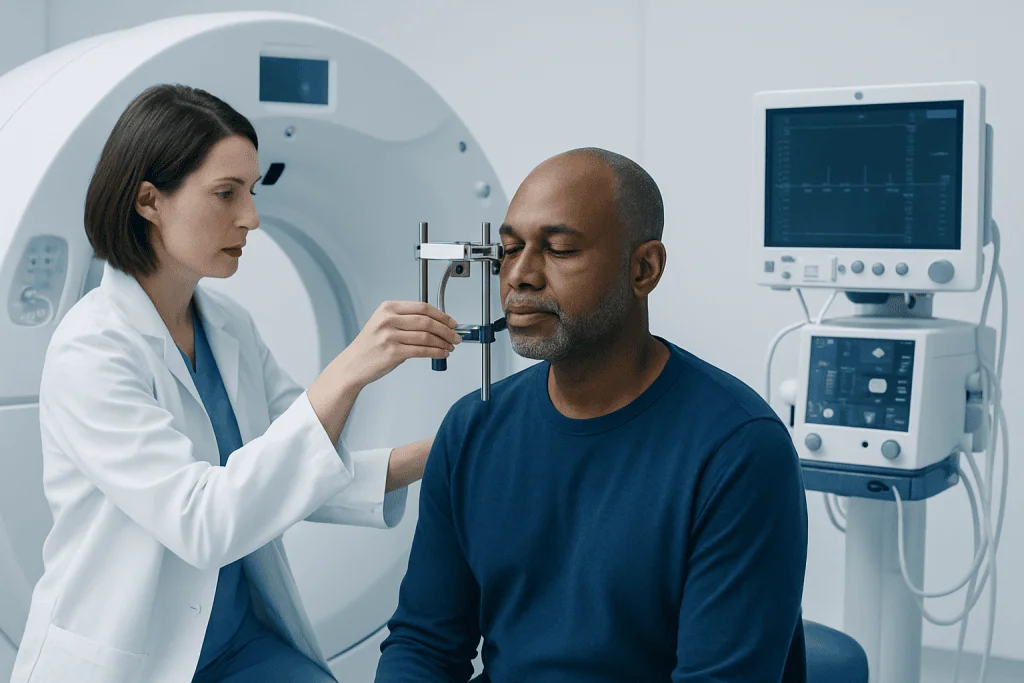
The symptoms of neurosarcoidosis depend on which part of the nervous system is affected. When cranial nerves are involved, a person may notice facial drooping, double vision, reduced hearing, swallowing difficulty, or loss of smell or taste. Facial nerve inflammation can sometimes resemble Bell palsy, which is why a careful medical assessment is important.
When the brain is affected, symptoms may include headaches, seizures, confusion, mood changes, memory trouble, or problems with concentration. Headaches are common in many conditions, including tension-type headache, so doctors look at the full pattern of symptoms rather than relying on one complaint alone. Inflammation around the brain or its lining may also cause dizziness, nausea, or visual symptoms.
Spinal cord involvement may lead to limb weakness, stiffness, numbness, walking difficulty, bladder or bowel changes, or pain that radiates through the back or limbs. Peripheral nerve involvement can cause tingling, burning pain, muscle weakness, or reduced reflexes. Some people also have fatigue, fever, weight loss, cough, skin changes, or eye inflammation related to sarcoidosis elsewhere in the body.
- Headache or seizures
- Facial weakness or other cranial nerve symptoms
- Vision or hearing changes
- Numbness, tingling, or nerve pain
- Weakness, balance problems, or walking difficulty
- Bladder, bowel, or cognitive changes
Causes and risk factors

The exact cause of neurosarcoidosis is not fully understood. Experts believe it results from an overactive immune response that leads to granuloma formation in nervous system tissues. Why this happens in one person and not another is still being studied. Genetics, environmental triggers, and immune system differences may all play a role.
Neurosarcoidosis is not usually considered contagious, and it is not something a person can pass to others. It can occur in people who already know they have sarcoidosis, but in some cases neurological symptoms are the first sign of the disease. This can make diagnosis more challenging, especially when symptoms mimic other neurological conditions.
Doctors also consider other causes of inflammation, infection, tumors, and autoimmune disease before making the diagnosis. Conditions such as brain abscess, multiple sclerosis, vasculitis, and certain cancers may cause similar symptoms or imaging findings. That is why a thorough evaluation is important before treatment begins.
How neurosarcoidosis is diagnosed
Diagnosing neurosarcoidosis often requires several steps. A doctor first reviews the person’s symptoms, past medical history, and any known sarcoidosis in other organs. A neurological examination helps identify which areas of the nervous system may be affected. Because symptoms can overlap with many other conditions, diagnosis is usually based on a combination of findings rather than a single test.
Magnetic resonance imaging, especially MRI of the brain or spinal cord, is often central to the evaluation. Imaging may show inflammation of the brain lining, cranial nerves, spinal cord, or other structures. Doctors may also order blood tests, cerebrospinal fluid testing from a lumbar puncture, chest imaging, and eye examinations to look for evidence of sarcoidosis elsewhere in the body. In many cases, support from neuroradiology and neurophysiology services can help clarify the pattern of nervous system involvement.
Whenever possible, doctors try to confirm sarcoidosis with a biopsy from the most accessible affected tissue, such as a lymph node, skin lesion, or lung tissue, rather than the nervous system itself. A nervous system biopsy may be considered in selected cases but is not always necessary. The final diagnosis may be described as possible, probable, or definite neurosarcoidosis depending on the evidence available and whether tissue confirmation has been obtained.
Treatment options
The main goal of treatment is to reduce inflammation, relieve symptoms, and prevent lasting nerve damage. Corticosteroids are commonly the first treatment because they can work quickly to calm active inflammation. Some people respond well to steroids alone, while others need additional medicines to reduce long-term steroid exposure or to control disease that returns or remains active.
Other treatments may include immunosuppressive or immune-modulating medicines prescribed and monitored by specialists. The exact choice depends on symptom severity, which part of the nervous system is affected, overall health, and how the disease responds over time. In more complex cases, multidisciplinary care through services such as neuroimmunology and neurotherapeutics can help guide ongoing management.
Supportive care is also important. Depending on symptoms, a person may benefit from pain management, physical therapy, occupational therapy, speech therapy, seizure treatment, or eye care. If hydrocephalus, severe compression, or another structural complication develops, a neurosurgical opinion may occasionally be needed, although surgery is not the main treatment for most patients.
Living with neurosarcoidosis: self-care and follow-up
Living with neurosarcoidosis often means balancing treatment, symptom monitoring, and regular follow-up. Symptoms can improve gradually, stay stable, or occasionally flare again. Keeping follow-up appointments is important because doctors may need to adjust medicines, repeat imaging, or monitor for treatment side effects affecting blood pressure, blood sugar, bone health, mood, or infection risk.
Practical self-care can support recovery and daily function. Many people find it helpful to pace activities, get adequate rest, stay hydrated, and maintain a balanced diet. Gentle exercise, when approved by a doctor, may help maintain strength, mobility, and mood. If balance, vision, or weakness is a problem, home safety measures can reduce fall risk.
Emotional support matters too. Chronic neurological symptoms can affect work, family life, and confidence. Clear communication with the care team, symptom diaries, and support from loved ones can be valuable. Near the end of a care journey or during long-term management, some international patients may seek evaluation at centers such as Acibadem International, where multidisciplinary specialists in JCI-accredited hospitals diagnose and treat neurosarcoidosis.
When to see a doctor
Any new neurological symptom should be discussed with a qualified doctor, especially in a person who already has sarcoidosis. Symptoms such as facial weakness, persistent numbness, severe headache, new vision problems, seizures, confusion, or trouble walking deserve prompt medical attention. Early assessment can help identify whether active inflammation is affecting the nervous system.
Emergency care is especially important for sudden severe symptoms, such as a seizure, sudden one-sided weakness, loss of consciousness, severe confusion, or sudden speech difficulty. These symptoms can occur in neurosarcoidosis, but they can also suggest urgent conditions such as stroke. It is safest not to assume the cause without immediate medical evaluation.
People already diagnosed with neurosarcoidosis should also contact their care team if symptoms worsen, if medicine side effects appear, or if infection is suspected while taking immune-suppressing treatment. Ongoing communication helps the team respond early and protect nervous system function as much as possible.
Frequently asked questions
Is neurosarcoidosis the same as sarcoidosis?
Neurosarcoidosis is a type of sarcoidosis, but it specifically means the disease is affecting the nervous system. Sarcoidosis can also involve the lungs, skin, eyes, lymph nodes, and other organs.
Can neurosarcoidosis be cured?
There is not always a simple permanent cure, but many people improve with treatment and careful follow-up. The main aim is to control inflammation, ease symptoms, and prevent further nerve damage.
What are the first signs of neurosarcoidosis?
The first signs vary widely and depend on the area involved. Common early symptoms can include headache, facial weakness, numbness, vision changes, balance problems, or unusual fatigue.
How serious is neurosarcoidosis?
Neurosarcoidosis can be serious because the brain, spinal cord, and nerves are sensitive structures. However, severity differs from person to person, and many patients benefit from early diagnosis and treatment.
Which tests are used to diagnose neurosarcoidosis?
Doctors often use neurological examination, MRI scans, blood tests, cerebrospinal fluid analysis, chest imaging, and tests looking for sarcoidosis in other organs. In some cases, a biopsy is needed to confirm sarcoidosis.
Can neurosarcoidosis come back after treatment?
Yes, in some people symptoms can return or flare after improving. This is one reason long-term monitoring is important, even when the person feels well.
References
- National Institute of Neurological Disorders and Stroke
- National Organization for Rare Disorders
- American Academy of Neurology
- National Heart, Lung, and Blood Institute
- Mayo Clinic
This article is for general information only and is not a substitute for professional medical advice. Please consult a qualified doctor about your individual situation.
Neurosarcoidosis in Turkey — costs, top hospitals & a free quote
JCI-accredited · board-certified surgeons · reply within 24h
Add us as a Preferred Source to see more of our trusted health content across Google Search, AI Overviews and Discover.

Neurology
Diagnosis and treatment of disorders of the brain, spinal cord, nerves and muscles.
51 specialists in this unit