

Oculoplastic Surgery for Watery Eyes: Causes and Treatment Options

Watery eyes can result from either too many tears or poor tear drainage. Common causes include blocked tear ducts, eyelid laxity, irritation, dry eye, and infection.
Key Takeaways
- Watery eyes can result from either too many tears or poor tear drainage.
- Common causes include blocked tear ducts, eyelid laxity, irritation, dry eye, and infection.
- Diagnosis usually involves an eye examination and, in some cases, tear drainage testing or imaging.
- Treatment depends on the cause and may include drops, lid care, minor procedures, or surgery.
- Oculoplastic surgery can improve tear drainage and eyelid position when anatomy is the main problem.
Watery eyes, also called epiphora, happen when tears are produced in excess or cannot drain normally. Oculoplastic surgery may be recommended when the problem is caused by blocked tear ducts, eyelid position changes, or other structural issues around the eye.
Overview of Watery Eyes
Watery eyes are very common and can affect one or both eyes. In medical terms, persistent tearing is called epiphora. Tears are essential for eye comfort and vision because they keep the surface of the eye moist, wash away debris, and help protect against infection. However, when tears overflow onto the cheeks, they can become uncomfortable, blurry, and socially bothersome.
There are two main reasons watery eyes happen. The first is excess tear production, often triggered by irritation, inflammation, allergy, or dry eye. The second is poor tear drainage, which means tears are made normally but cannot flow through the tear ducts into the nose as they should. In many adults, drainage problems are a frequent cause of ongoing tearing.
Oculoplastic surgery focuses on conditions affecting the eyelids, tear drainage system, and tissues around the eyes. When watery eyes are caused by blocked ducts, narrowed drainage passages, or eyelid position changes, surgery may be considered after a careful evaluation. In these cases, treatment aims to restore more normal tear flow and improve everyday comfort.
Symptoms and How Watery Eyes May Feel

The main symptom is tears overflowing from the eye, sometimes enough to run down the face. Some people notice this only outdoors in wind or cold weather, while others experience it throughout the day. Vision may become temporarily blurry because of the tear film pooling over the eye.
Watery eyes may also come with redness, burning, stinging, itching, or a feeling that something is in the eye. Paradoxically, dry eye can lead to excessive tearing because the eye responds to irritation by producing reflex tears. This is one reason self-diagnosis can be difficult.
Symptoms suggesting a drainage problem include constant tearing, mucus at the inner corner of the eye, recurrent eye infections, or swelling near the nose. Eyelid changes may also be noticeable. For example, the lower lid may sag outward or turn inward, preventing tears from entering the normal drainage openings.
- Overflowing tears
- Blurred vision from excess tearing
- Redness or irritation
- Mucus or discharge
- Recurrent infections or lid swelling
- Worsening symptoms in wind, cold, or bright light
Causes and Risk Factors

Watery eyes can be caused by many different conditions. Common reasons include dry eye syndrome, allergies, blepharitis, conjunctivitis, corneal irritation, and blocked or narrowed tear ducts. In some people, the issue lies in the pump mechanism of the eyelids. Blinking normally helps move tears toward the drainage openings, so weakness or laxity of the eyelids can interfere with this process.
Age is an important risk factor because the eyelids and tear drainage system can change over time. The lower eyelid may become looser, or the small drainage openings called puncta may narrow or shift out of position. Previous eye surgery, facial aging, sinus disease, nasal problems, injury, or scarring may also contribute. In some cases, tearing can follow trauma such as facial trauma, especially if the structures near the tear ducts have been affected.
Inflammation and infection can also play a role. Recurrent eyelid inflammation may alter the tear film and make the eyes water more. Conditions affecting the ocular surface may trigger protective tear production. Less commonly, tumors, congenital abnormalities, or facial nerve weakness may interfere with normal drainage and lid function.
Because the causes vary widely, effective treatment starts with identifying whether the main problem is overproduction of tears, under-drainage, or both. This is why a specialist assessment is often useful when tearing persists or keeps returning.
How Doctors Diagnose the Cause
Diagnosis begins with a detailed history and eye examination. The doctor asks when tearing happens, whether one or both eyes are involved, and whether there are symptoms such as pain, discharge, dryness, allergy, or recent infection. Medication use, past surgery, injury, and nasal or sinus history may also be relevant.
The eye and eyelids are then examined closely. The specialist checks the tear film, eyelid position, blink function, puncta, and the inner corner of the eye. A slit-lamp examination may be used to look for dry eye, inflammation, corneal irritation, or other surface problems that can cause reflex tearing.
If a drainage problem is suspected, additional tests may be performed. These can include tear drainage irrigation, probing, dye disappearance tests, or imaging in selected cases. The goal is to determine where the blockage or narrowing is located and whether the problem involves the puncta, canaliculi, lacrimal sac, or nasolacrimal duct.
This step-by-step approach helps match treatment to the specific cause. Not everyone with watery eyes needs surgery, and many people improve with simpler treatments once the underlying issue is identified.
Treatment Options, Including Oculoplastic Surgery
Treatment depends on the reason for the tearing. If irritation, allergy, blepharitis, or dry eye is contributing, the first approach may include artificial tears, lid hygiene, warm compresses, allergy management, or prescription medication when appropriate. Infections are treated according to the cause, and inflammation may need targeted care from an eye specialist.
When the drainage openings are narrowed, a minor procedure may help widen them. If the tear ducts are blocked farther down, surgery may be recommended to create or restore a drainage pathway. One common procedure is dacryocystorhinostomy, often called DCR, which creates a new connection between the lacrimal sac and the nose so tears can drain better.
Eyelid surgery may be advised if the lower eyelid turns outward, inward, or becomes too lax to support proper drainage. Correcting the lid position can help tears enter the drainage system more normally and reduce irritation at the same time. In some patients, treatment falls within the scope of reconstructive ophthalmology because the problem involves both eyelid function and the structures around the eye.
For people with complex anatomy, scarring, or problems after trauma or prior procedures, an oculoplastic surgeon can tailor treatment to the underlying anatomy. Surgical planning may also overlap with care used in other reconstructive settings, such as brow lift or periocular support procedures when eyebrow or upper face position affects lid function. The right option depends on examination findings, overall eye health, and the person’s symptoms and goals.
Recovery, Prevention, and Self-care
Recovery after treatment varies according to the procedure. Minor in-office procedures often involve a short recovery, while tear duct surgery or eyelid repair may cause temporary swelling, bruising, watering, or nasal discomfort. Most people receive specific aftercare instructions, which can include cleaning the area gently, using prescribed drops or ointment, and attending follow-up visits.
Self-care can also reduce symptoms when surgery is not needed or while waiting for further evaluation. Helpful steps include avoiding rubbing the eyes, managing allergies, using lubricating drops if recommended, and keeping the eyelid margins clean. If screen use worsens dryness, taking regular blinking breaks may help support a healthier tear film.
Prevention is not always possible, especially when watery eyes are related to aging or anatomical changes. Still, prompt treatment of eyelid inflammation, infections, and chronic dry eye may lower the chance of persistent tearing. Protecting the face and eyes from injury is also important, as trauma can affect both the eyelids and tear drainage system.
In some situations, reconstructive planning may be part of broader eye-area care after injury or scarring. Specialists in oculoplastic and reconstructive eye surgery evaluate these issues carefully and aim to preserve both comfort and function.
When to See a Doctor
Watery eyes should be assessed by a doctor if they persist, keep coming back, or affect daily life. Ongoing tearing may seem minor, but it can point to treatable eye surface disease, eyelid problems, or a blocked drainage system. A proper diagnosis is especially helpful if symptoms have lasted for weeks or months.
Medical attention is also important if tearing is accompanied by pain, swelling near the inner corner of the eye, significant redness, discharge, light sensitivity, or changes in vision. These symptoms can suggest infection, corneal irritation, or another condition that needs timely treatment. New tearing after injury should also be checked.
People who have had previous eyelid or facial surgery may need specialist review if tearing begins afterward. In complex cases, multidisciplinary care can be useful. Acibadem International’s multidisciplinary specialists and JCI-accredited hospitals evaluate and treat watery eyes and related eyelid or tear duct disorders for international patients.
If surgery is recommended, patients can ask about the exact cause of tearing, the expected benefits, possible alternatives, and recovery time. Clear communication with an ophthalmologist or oculoplastic surgeon helps support informed and confident decision-making.
Frequently asked questions
What causes watery eyes in adults?
Watery eyes in adults are often caused by irritation, dry eye, allergies, eyelid inflammation, or a blocked tear drainage system. Age-related eyelid changes can also make it harder for tears to drain normally.
Can dry eyes really cause excessive tearing?
Yes. Dry eye can irritate the eye surface and trigger reflex tearing, which means the eyes produce extra tears in response to dryness. This is a common reason watery eyes and dry-eye symptoms happen at the same time.
When is surgery needed for watery eyes?
Surgery may be considered when watery eyes are caused by a structural problem such as a blocked tear duct, narrowed drainage passage, or eyelid malposition. It is usually recommended after an examination shows that medical treatment alone is unlikely to solve the problem.
What doctor treats watery eyes?
An ophthalmologist evaluates watery eyes and looks for problems affecting the eye surface, eyelids, and tear drainage system. If surgery may be helpful, an oculoplastic surgeon is often the specialist involved.
Is watery eyes surgery painful?
Most procedures are performed with anesthesia to keep the patient comfortable. After surgery, there may be temporary soreness, swelling, or bruising, but the care team usually provides guidance on managing recovery.
How long does recovery take after tear duct or eyelid surgery?
Recovery time depends on the exact procedure and the individual patient. Many people can return to light activities relatively soon, but swelling and healing may continue for days to weeks, and follow-up visits are important.
References
- American Academy of Ophthalmology
- National Eye Institute
- Royal College of Ophthalmologists
- Mayo Clinic
- NHS
This article is for general information only and is not a substitute for professional medical advice. Please consult a qualified doctor about your individual situation.
Oculoplastic Surgery in Turkey — costs, top hospitals & a free quote
JCI-accredited · board-certified surgeons · reply within 24h
Add us as a Preferred Source to see more of our trusted health content across Google Search, AI Overviews and Discover.

Related Treatments
Related Conditions
More from the Health Library



Related Specialists
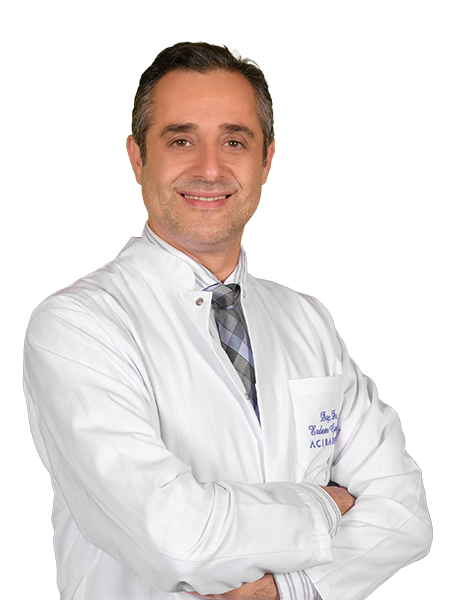
Assoc. Prof. Dr. Erdem Güven (m)
Aesthetic Plastic & Reconstructive Surgery
Prof. Dr. Şükrü Yazar
Aesthetic Plastic & Reconstructive Surgery
Prof. Dr. Hakan Ağır
Aesthetic Plastic & Reconstructive Surgery
Prof. Dr. Bülent Saçak
Aesthetic Plastic & Reconstructive Surgery