Parkinson’s Disease Treatment: When Deep Brain Stimulation Is Considered
Deep brain stimulation is not a cure for Parkinson's disease, but it can improve certain movement symptoms in carefully selected patients. DBS is usually considered when medication benefit becomes unpredictable or causes troublesome side effects such as dyskinesia.
Key Takeaways
- Deep brain stimulation is not a cure for Parkinson's disease, but it can improve certain movement symptoms in carefully selected patients.
- DBS is usually considered when medication benefit becomes unpredictable or causes troublesome side effects such as dyskinesia.
- A detailed evaluation by a multidisciplinary movement disorders team is essential before DBS.
- Symptoms such as tremor, stiffness, slowness, and motor fluctuations may improve more than balance, speech, or memory problems.
- Medication, rehabilitation, and long-term follow-up remain important even after DBS.
Parkinson's disease treatment usually begins with medication, exercise, and supportive therapies. Deep brain stimulation may be considered later for some people whose symptoms are not well controlled or whose medicines cause significant fluctuations or involuntary movements.
Overview: Parkinson's Disease Treatment and the Role of DBS
Parkinson’s disease is a progressive neurological condition that mainly affects movement. It happens when brain cells that produce dopamine gradually decline, leading to symptoms such as tremor, stiffness, slowness of movement, and changes in balance. Many people also experience non-motor symptoms, including sleep problems, constipation, mood changes, and a reduced sense of smell.
For most patients, Parkinson’s disease treatment starts with medication. Drugs that increase or mimic dopamine can significantly improve symptoms, especially in the earlier stages. Over time, however, some people notice that each dose works for a shorter period, symptoms return before the next dose, or involuntary movements called dyskinesias develop.
Deep brain stimulation, often called DBS, is a surgical treatment that may help selected patients when medication alone no longer provides steady control. In DBS, thin electrodes are placed in specific areas of the brain and connected to a small device that sends electrical impulses. This form of neuromodulation therapy does not reverse the disease, but it can reduce certain symptoms and improve daily function in the right candidate.
Symptoms and Problems That May Lead to Considering DBS
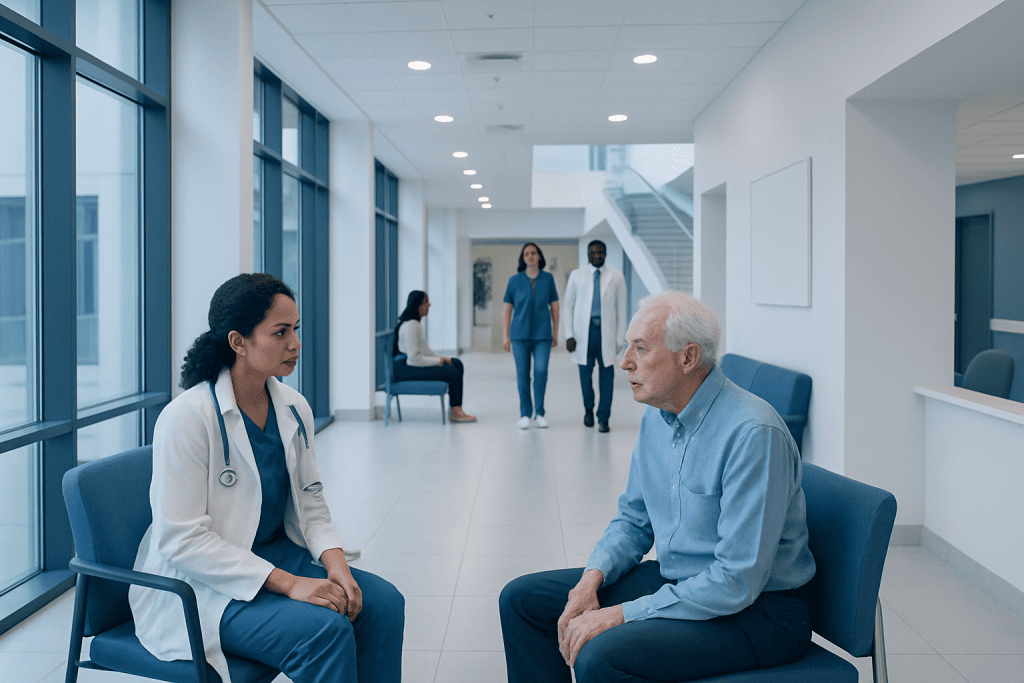
Doctors consider DBS mainly for movement-related symptoms that continue despite well-managed medication. These may include significant tremor, slowness, rigidity, and motor fluctuations, sometimes described as “on” and “off” periods. During “on” times, medication is working and movement is better; during “off” times, symptoms return and daily tasks become more difficult.
Another common reason for discussing DBS is dyskinesia, which refers to involuntary, writhing, or jerky movements often linked to long-term levodopa treatment. For some people, dyskinesias become as disruptive as the Parkinson’s symptoms themselves. DBS may help reduce these fluctuations and allow more stable symptom control.
DBS may also be considered when tremor remains disabling even though medications have been tried appropriately. Sometimes the challenge is distinguishing Parkinson’s tremor from other movement conditions such as essential tremor or identifying associated posture problems like dystonia. Careful assessment by specialists in movement disorders helps clarify which symptoms are most likely to respond.
Who May Be a Good Candidate for Deep Brain Stimulation?
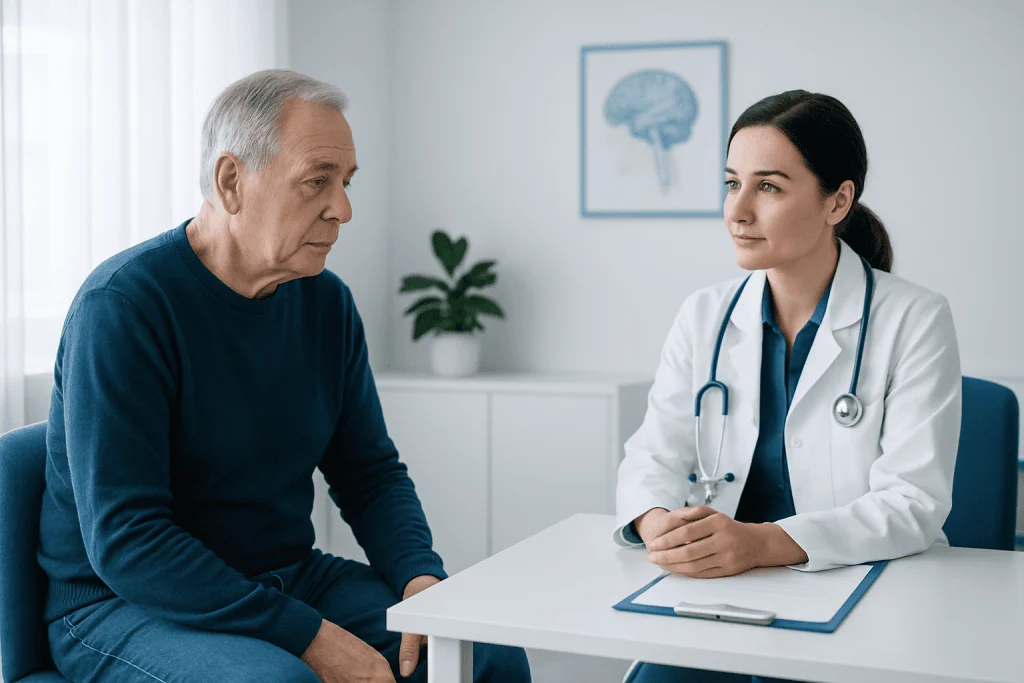
DBS is not suitable for everyone with Parkinson’s disease. In general, the best candidates are people who have a clear diagnosis of Parkinson’s disease, still respond to levodopa, but have troublesome motor fluctuations, dyskinesias, or medication-resistant tremor. A good response to levodopa often suggests that DBS may also improve similar movement symptoms.
Doctors also look at overall health, age-related factors, thinking and memory, mood, and the person’s goals for treatment. Significant uncontrolled depression, major cognitive impairment, or serious medical illness may make surgery less suitable or shift the focus toward non-surgical management. The aim is to choose a treatment plan that offers meaningful benefit with an acceptable level of risk.
Before surgery, patients usually undergo a structured evaluation that may include neurological examination, medication testing, brain imaging, and cognitive or emotional assessment through services such as neuropsychology. In some cases, support from geriatric neurology specialists is especially helpful for older adults with multiple health concerns.
How Doctors Evaluate Parkinson's Disease Before DBS
Evaluation for DBS is detailed because the treatment works best when the diagnosis and symptom pattern are well understood. The neurology team reviews symptom history, how medications are taken, how much benefit each dose provides, and whether side effects interfere with quality of life. Patients may be asked to keep a symptom diary that records “on” and “off” times.
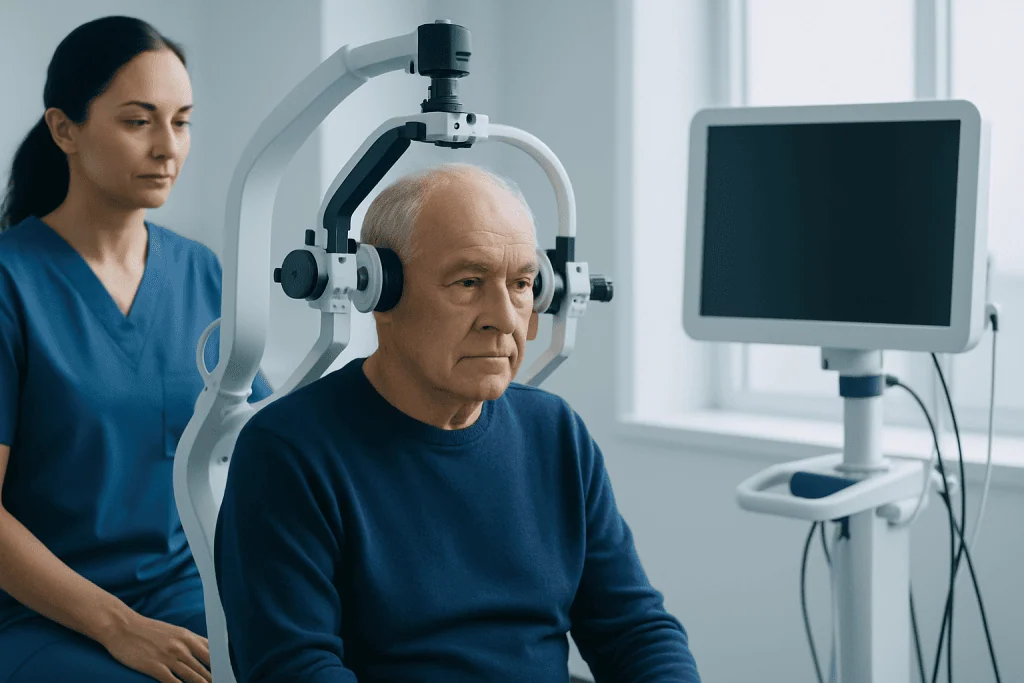
Examinations are often performed both when medication is working and when it has worn off. This helps doctors measure how strongly symptoms improve with levodopa. Brain imaging, often with MRI, helps plan surgery and rule out structural problems that could affect safety. These imaging steps may involve specialists in neuroradiology.
Additional testing may be used to assess speech, swallowing, mood, sleep, and cognition. In selected cases, neurophysiological studies or medication reviews help refine the diagnosis, especially when symptoms could overlap with other neurodegenerative diseases. This full assessment allows the team to explain clearly what DBS is likely to help, what it may not improve, and what follow-up will be needed.
What Deep Brain Stimulation Involves
Deep brain stimulation is usually performed in stages. First, electrodes are placed in carefully chosen brain targets that help regulate movement. Common targets in Parkinson’s disease include the subthalamic nucleus and the globus pallidus interna. A pulse generator, similar to a pacemaker, is then implanted under the skin of the chest and connected to the electrodes.
After surgery, the device is programmed over several clinic visits. This part is very important because DBS does not work as a simple on-off treatment. Specialists adjust the electrical settings gradually to improve symptoms while limiting side effects. Medication doses may also be changed over time, depending on the person’s response.
DBS can improve tremor, stiffness, slowness, and motor fluctuations in many appropriately selected patients. However, it generally does not stop disease progression. Symptoms such as speech difficulty, freezing of gait, balance problems, or memory decline may respond less well, especially if they are prominent before surgery.
- Possible benefits: better control of motor symptoms, fewer “off” periods, reduced dyskinesia, and improved day-to-day function
- Possible risks: infection, bleeding, device-related complications, mood or thinking changes, and stimulation side effects
- Ongoing care: device programming, battery monitoring, medication review, and rehabilitation support
Treatment Options Beyond Surgery
DBS is only one part of Parkinson’s disease treatment. Many people continue to do well for years with carefully adjusted medication plans. Levodopa remains the most effective medicine for motor symptoms, and other drugs may be added to smooth out symptom control. Treatment is individualized because symptom patterns and side effects differ from person to person.
Rehabilitation also plays an important role. Physical therapy can support mobility, balance, and flexibility. Occupational therapy may help with dressing, writing, and home safety, while speech and language therapy can address soft voice or swallowing difficulties. Regular exercise is strongly encouraged because it supports movement, endurance, and overall well-being.
Non-motor symptoms should not be overlooked. Sleep disturbance, constipation, anxiety, depression, and fatigue can have a major impact on quality of life and often need separate treatment. Comprehensive care through experienced neurology teams helps patients and families manage both the movement and non-movement aspects of the condition.
Self-care, Planning, and When to See a Doctor
Living well with Parkinson’s disease often involves medication routines, exercise, nutrition, sleep support, and regular medical follow-up. Taking medicine exactly as prescribed and reporting changes in benefit or side effects can help doctors fine-tune treatment. A home exercise program, fall-prevention measures, and support from caregivers can also make daily life safer and more manageable.
A patient should speak with a doctor if tremor, stiffness, slowness, or walking problems are becoming harder to control, if medication benefit is wearing off sooner, or if dyskinesias are interfering with function. Worsening mood, sleep problems, swallowing difficulty, frequent falls, confusion, or hallucinations also deserve prompt medical review. These symptoms do not automatically mean DBS is needed, but they may signal that treatment should be reassessed.
Near the stage when advanced therapy is being discussed, evaluation by a specialized multidisciplinary team can be very helpful. Acibadem International’s multidisciplinary specialists in JCI-accredited hospitals diagnose and treat Parkinson’s disease for international patients, including assessment for advanced therapies when appropriate. The main goal is to match each person with the safest and most suitable care plan.
Frequently asked questions
Is deep brain stimulation a cure for Parkinson's disease?
No. Deep brain stimulation does not cure Parkinson's disease or stop it from progressing. It is used to improve certain symptoms, especially movement-related problems, in carefully selected patients.
When is DBS usually considered in Parkinson's disease treatment?
DBS is usually considered when medications still help but no longer provide steady control throughout the day. It may also be discussed when tremor remains disabling or when dyskinesia and motor fluctuations become difficult to manage.
What symptoms does DBS help the most?
DBS often helps tremor, stiffness, slowness of movement, and medication-related motor fluctuations. It may also reduce dyskinesia. Symptoms such as balance trouble, speech changes, or memory problems may improve less.
Will a person still need Parkinson's medication after DBS?
Many patients still need medication after DBS, although the dose or schedule may change. The exact plan depends on symptom control, the DBS target used, and how the person responds over time.
How do doctors decide if someone is a good candidate for DBS?
Doctors look at the diagnosis, response to levodopa, type of symptoms, overall health, thinking and memory, and emotional well-being. A detailed evaluation helps predict likely benefits, identify risks, and decide whether surgery is appropriate.
Is DBS surgery safe?
DBS is a well-established procedure, but like any brain surgery it carries risks. Possible complications include bleeding, infection, hardware problems, and stimulation-related side effects, so careful selection and follow-up are essential.
References
- World Health Organization
- National Institute of Neurological Disorders and Stroke
- Parkinson's Foundation
- National Health Service
- American Academy of Neurology
This article is for general information only and is not a substitute for professional medical advice. Please consult a qualified doctor about your individual situation.
Persistent digestive symptoms? Get evaluated in Turkey
JCI-accredited · board-certified surgeons · reply within 24h
Add us as a Preferred Source to see more of our trusted health content across Google Search, AI Overviews and Discover.

Neurology
Diagnosis and treatment of disorders of the brain, spinal cord, nerves and muscles.
51 specialists in this unit