Pediatric Neurology: Warning Signs That Children Need Specialist Care

Repeated seizures, unexplained weakness, severe headaches, or loss of skills should be evaluated promptly. Developmental delay, movement changes, and persistent balance or coordination problems can point to neurological causes.
Key Takeaways
- Repeated seizures, unexplained weakness, severe headaches, or loss of skills should be evaluated promptly.
- Developmental delay, movement changes, and persistent balance or coordination problems can point to neurological causes.
- A pediatric neurologist uses the child’s history, examination, and targeted tests to identify the cause.
- Early assessment can help guide treatment, protect development, and reassure families when symptoms are not serious.
- Emergency care is needed for sudden severe symptoms such as prolonged seizure, new paralysis, or altered consciousness.
Pediatric neurology focuses on conditions affecting a child’s brain, spinal cord, nerves, and muscles. Many symptoms are minor or temporary, but some warning signs suggest a child should be assessed by a specialist for timely diagnosis and treatment.
Overview: What pediatric neurology covers
Pediatric neurology is the area of medicine that evaluates and treats disorders of the brain, spinal cord, nerves, and muscles in infants, children, and adolescents. A child’s nervous system is still developing, so symptoms may look different from those seen in adults. For that reason, children with certain warning signs benefit from assessment by a specialist who understands both neurology and child development.
Not every headache, stumble, or brief staring spell means there is a serious problem. Children often have symptoms related to fever, dehydration, stress, poor sleep, minor infections, or normal developmental variation. Still, when symptoms are repeated, worsening, unusual for the child’s age, or affecting daily function, a specialist review can help identify whether the cause is neurological.
A pediatric neurologist may assess concerns such as seizures, recurrent headaches, developmental delay, sudden weakness, tremor, tics, abnormal movements, sleep-related neurological symptoms, or changes in balance and coordination. In some cases, a child may also need input from related services such as neuropediatrics evaluation, neurophysiology testing, rehabilitation, or developmental specialists.
Warning signs that may need specialist care
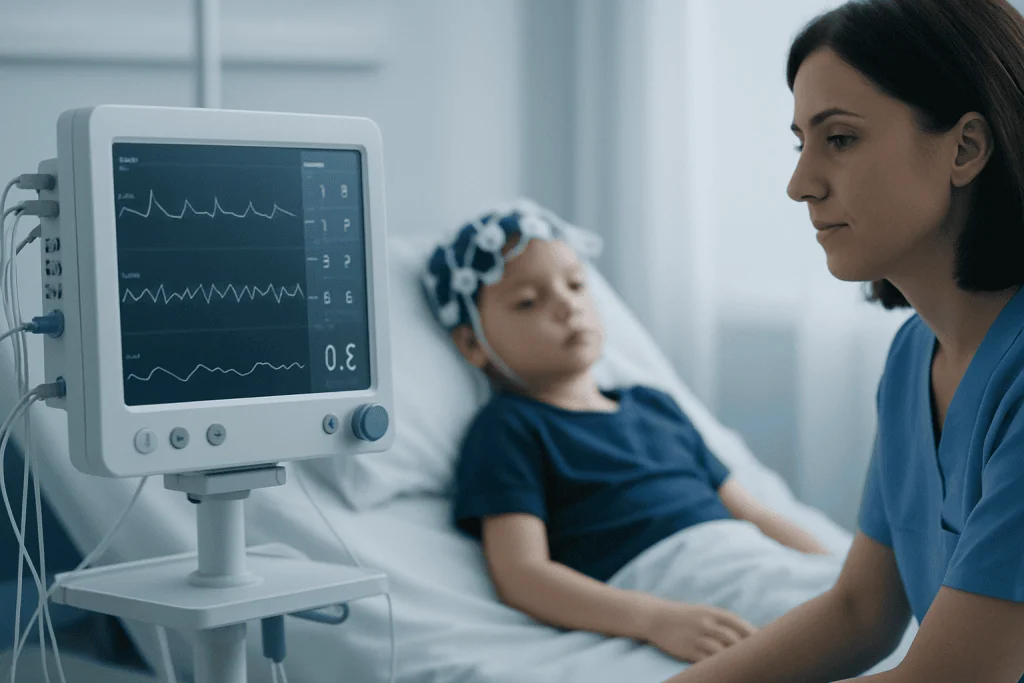
Some symptoms deserve closer attention because they can reflect a problem in the nervous system. Seizures are a common reason for referral. These may involve shaking, stiffening, loss of awareness, sudden falls, repeated blank staring, or unusual episodes that happen in a similar pattern. A first seizure should always be discussed with a doctor, and any seizure lasting several minutes or affecting breathing is an emergency.
Headaches also need specialist review when they are frequent, severe, associated with vomiting, wake a child from sleep regularly, or come with visual changes, weakness, confusion, or personality change. Although many childhood headaches are not dangerous, persistent or unusual patterns should not be ignored. Some children may later need support through headache medicine services if symptoms are recurrent.
Parents should also seek advice if a child loses previously acquired skills, such as walking, speaking, feeding independently, or bladder control. Regression can be an important neurological sign. Other concerns include persistent weakness, floppy muscles in a baby, toe walking with stiffness, repeated falls, tremor, unusual movements, facial droop, one-sided limb use, or poor coordination beyond what would be expected for the child’s age.
- Repeated seizures or unexplained staring spells
- Sudden weakness, numbness, facial droop, or trouble walking
- Severe, worsening, or unusual headaches
- Loss of developmental skills or delay in milestones
- Persistent balance, coordination, or movement problems
- Changes in consciousness, confusion, or extreme sleepiness
Symptoms in babies, toddlers, and older children
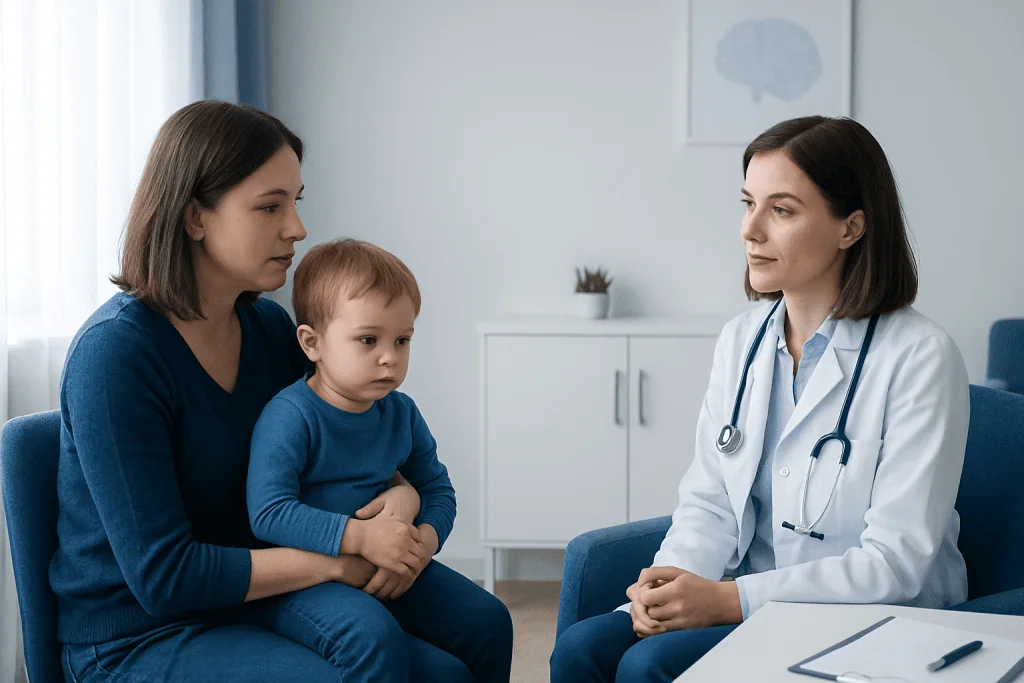
In babies, neurological symptoms can be subtle. Warning signs may include poor feeding, marked floppiness or stiffness, unusual eye movements, repeated jerking, persistent irritability without clear cause, or delayed milestones such as poor head control. An infant who is difficult to wake, has a bulging soft spot, or develops fever with reduced responsiveness needs urgent medical assessment.
In toddlers and preschool children, common reasons for referral include delayed speech with other developmental concerns, unusual gait, frequent falling, hand preference very early in life, repetitive spells that may be seizures, or behavior changes linked with possible neurological problems. Balance issues, abnormal posture, or involuntary movements may suggest disorders affecting the brain, spinal cord, or nerves.
In school-age children and teenagers, symptoms may be easier to describe. These can include recurrent headaches, blackout episodes, fainting that is hard to distinguish from seizures, weakness during exercise, tingling, visual symptoms, tremor, memory or concentration changes, and sleep-related events. Some adolescents also develop complex headache patterns, including migraine, while others need assessment for movement or neuromuscular symptoms through services such as neuromuscular disease evaluation.
Possible causes and risk factors
Neurological symptoms in children can have many causes, ranging from mild and treatable to more complex conditions. Common examples include epilepsy, migraine, infections affecting the nervous system, developmental disorders, concussion, genetic conditions, neuromuscular disorders, inflammatory disease, sleep disorders, and metabolic problems. In many children, symptoms are ultimately found to be manageable or not due to a dangerous illness.
Risk factors depend on the symptom. A family history of seizures, migraine, developmental conditions, or inherited neurological disease can be relevant. Premature birth, difficult delivery, previous brain injury, severe infections, immune-related disorders, or certain genetic syndromes may also increase the chance of neurological problems. Sometimes there is no clear risk factor, and symptoms still need proper evaluation.
Doctors also consider rare but important causes. For example, persistent headaches with vomiting or balance change can occasionally relate to a space-occupying problem such as a childhood brain tumor. Progressive weakness may point to nerve or muscle disease, while new problems after infection can raise concern for conditions such as Guillain-Barre syndrome. The purpose of specialist assessment is to sort common causes from less common ones safely and systematically.
How a pediatric neurologist makes the diagnosis
Diagnosis begins with a detailed history. The specialist will ask when symptoms started, how often they happen, what the child is doing during an episode, whether there is fever or illness, and whether development has been typical. Videos recorded by parents can be very helpful for events such as staring spells, tremor, unusual movements, or episodes during sleep.
The neurological examination checks strength, tone, reflexes, coordination, gait, sensation, eye movements, and developmental skills. In younger children, the exam is adapted to age and may include observation through play. This step often gives important clues and helps decide whether tests are needed urgently or can be arranged routinely.
Possible tests may include blood tests, brain or spine imaging, electroencephalography for suspected seizures, nerve or muscle studies, genetic testing, or developmental and cognitive assessment. Some children need advanced imaging through neuroradiology services or targeted evaluation by related teams. The goal is to use the right tests for the child’s symptoms, not to perform every test routinely.
Treatment options and ongoing care
Treatment depends on the diagnosis and the child’s age, symptoms, and overall development. Some children need only monitoring and reassurance. Others may benefit from medication, physical therapy, occupational therapy, speech and language therapy, sleep management, dietary advice, psychological support, or school-based accommodations. A multidisciplinary approach is often the most helpful, especially when symptoms affect learning or daily life.
For seizure disorders, treatment may involve seizure medicines, a safety plan, and education for family and school staff. Children with recurrent seizures may need more focused care such as pediatric epilepsy treatment. Headaches may improve with hydration, regular meals, sleep correction, trigger management, and sometimes preventive or acute medicines prescribed by a doctor.
When symptoms are linked to infection, inflammation, autoimmune disease, or nerve and muscle disorders, treatment may involve highly specific therapies and close follow-up. Rehabilitation can be important for weakness, coordination problems, or developmental impact. Near the end of the care pathway, some families seeking international care may choose centers such as Acibadem International, where multidisciplinary specialists in JCI-accredited hospitals assess and treat pediatric neurological conditions.
Prevention, self-care, and support for families
Not all neurological conditions can be prevented, but healthy routines can reduce some symptoms and support overall brain health. Children benefit from regular sleep, consistent meals, good hydration, age-appropriate physical activity, and limited exposure to known headache or seizure triggers when these have been identified. Head injury prevention through car seats, seat belts, helmets, and safe play is also important.
Parents can help by keeping a symptom diary. It may include the date, time, duration, triggers, associated symptoms, and recovery after an episode. For headaches, note sleep, fluids, screen time, and meals. For possible seizures or unusual movements, a brief phone video can help the doctor understand what happened, as long as recording does not delay making the child safe.
Family support matters as much as medical care. Children with neurological symptoms may feel anxious, frustrated, or tired, especially if symptoms affect school or friendships. Clear communication with teachers, caregivers, and healthcare professionals can make daily life easier. If a child’s symptoms are mild but persistent, specialist assessment can still be useful to provide reassurance, a plan, and follow-up if needed.
When to seek urgent or emergency help
Some neurological symptoms require immediate medical attention. Emergency help is needed if a child has a seizure lasting several minutes, repeated seizures without full recovery between them, breathing difficulty during an episode, severe head injury with confusion, sudden one-sided weakness, new facial droop, trouble speaking, or loss of consciousness. A sudden stroke-like picture is uncommon in children but must be treated urgently; doctors may also consider rare events such as stroke.
Urgent medical review is also important for a severe headache that is sudden or unlike previous headaches, especially if it comes with fever, stiff neck, repeated vomiting, rash, confusion, or light sensitivity. Persistent drowsiness, a child who cannot be awakened normally, or major behavior change should not be watched at home. Babies with a bulging fontanelle, poor feeding, or unusual limpness also need prompt assessment.
Even when symptoms are not emergencies, families should arrange specialist review if concerns keep returning, interfere with daily activities, or seem to be progressing. Trusting parental instincts is reasonable. If something about a child’s movements, development, awareness, or coordination seems clearly different from usual, it is appropriate to ask for medical advice and, when indicated, referral to pediatric neurology.
Frequently asked questions
What does a pediatric neurologist treat?
A pediatric neurologist evaluates conditions affecting a child’s brain, spinal cord, nerves, and muscles. This can include seizures, headaches, developmental concerns, weakness, movement disorders, coordination problems, and some sleep-related neurological symptoms.
Should every child with headaches see a pediatric neurologist?
Not always. Many headaches in children are related to common issues such as dehydration, lack of sleep, viral illness, or migraine and can first be assessed by a pediatrician. Specialist care is more important when headaches are severe, frequent, worsening, or linked with vomiting, weakness, visual changes, or nighttime waking.
How can parents tell if a staring spell is a seizure?
It is not always possible to tell at home. A seizure is more likely if the child cannot be interrupted, has repeated similar episodes, shows eyelid fluttering or automatisms, or seems confused afterward. A doctor may recommend an EEG or other tests depending on the history.
When is developmental delay a neurological concern?
Developmental delay should be discussed with a doctor when milestones are clearly late, skills are lost, or delay appears alongside abnormal tone, weakness, unusual movements, or poor coordination. Not all delays are caused by neurological disease, but some benefit from specialist assessment and early therapy.
What tests might a child need in pediatric neurology?
Testing depends on the symptoms. A child may need a neurological examination alone, or may be advised to have blood tests, EEG, MRI, nerve studies, genetic testing, or developmental assessments. The doctor chooses tests selectively to answer specific clinical questions.
Are neurological symptoms in children always serious?
No. Many symptoms have benign or treatable explanations, and some are temporary. The main reason for evaluation is to identify children who need treatment early and to reassure families when symptoms are not due to a serious condition.
References
- World Health Organization
- American Academy of Neurology
- Child Neurology Society
- National Institute of Neurological Disorders and Stroke
- American Academy of Pediatrics
This article is for general information only and is not a substitute for professional medical advice. Please consult a qualified doctor about your individual situation.
Pediatric Neurology in Turkey — costs, top hospitals & a free quote
JCI-accredited · board-certified surgeons · reply within 24h
Add us as a Preferred Source to see more of our trusted health content across Google Search, AI Overviews and Discover.

Neurology
Diagnosis and treatment of disorders of the brain, spinal cord, nerves and muscles.
51 specialists in this unit