

Rhinoplasty in LA: What International Patients Should Know

Rhinoplasty can be cosmetic, functional, or both, and treatment goals should be clearly discussed before surgery. International patients need extra planning for medical records, travel dates, accommodation, recovery time, and follow-up care.
Key Takeaways
- Rhinoplasty can be cosmetic, functional, or both, and treatment goals should be clearly discussed before surgery.
- International patients need extra planning for medical records, travel dates, accommodation, recovery time, and follow-up care.
- The best candidates are in good general health, have realistic expectations, and understand that swelling can take months to fully settle.
- Choosing a board-certified plastic surgeon or facial plastic surgeon with rhinoplasty experience is central to safety and results.
- Breathing problems, prior trauma, and revision surgery often require especially careful assessment and individualized planning.
Rhinoplasty in LA may be sought to change nose shape, improve breathing, or address concerns after injury or previous surgery. International patients benefit from understanding candidacy, evaluation, recovery, travel timing, and how to choose a qualified surgical team.
Overview: What Rhinoplasty Involves
Rhinoplasty is surgery that changes the shape, structure, or function of the nose. Some people seek it for aesthetic reasons, such as refining the bridge, tip, or overall balance of the face. Others need rhinoplasty to improve breathing, correct a structural problem, or restore the nose after injury.
For international patients considering rhinoplasty in LA, it helps to know that this is not a one-size-fits-all procedure. Surgical planning depends on nasal anatomy, skin thickness, facial proportions, ethnic features, breathing function, and the person’s own goals. In many cases, cosmetic and functional concerns are addressed together.
Rhinoplasty may be performed using an open or closed technique. In an open approach, a small incision is made across the columella, the strip of tissue between the nostrils, allowing the surgeon a fuller view of the nasal structures. In a closed approach, incisions are placed inside the nose, leaving no external scar. The best method depends on the complexity of the case.
People sometimes use the term “nose job,” but the medical reality is more precise. A well-planned rhinoplasty aims to create a natural result that fits the face while preserving or improving nasal support and airflow. This is why a detailed evaluation and realistic goal-setting are so important before surgery.
Why International Patients Seek Rhinoplasty
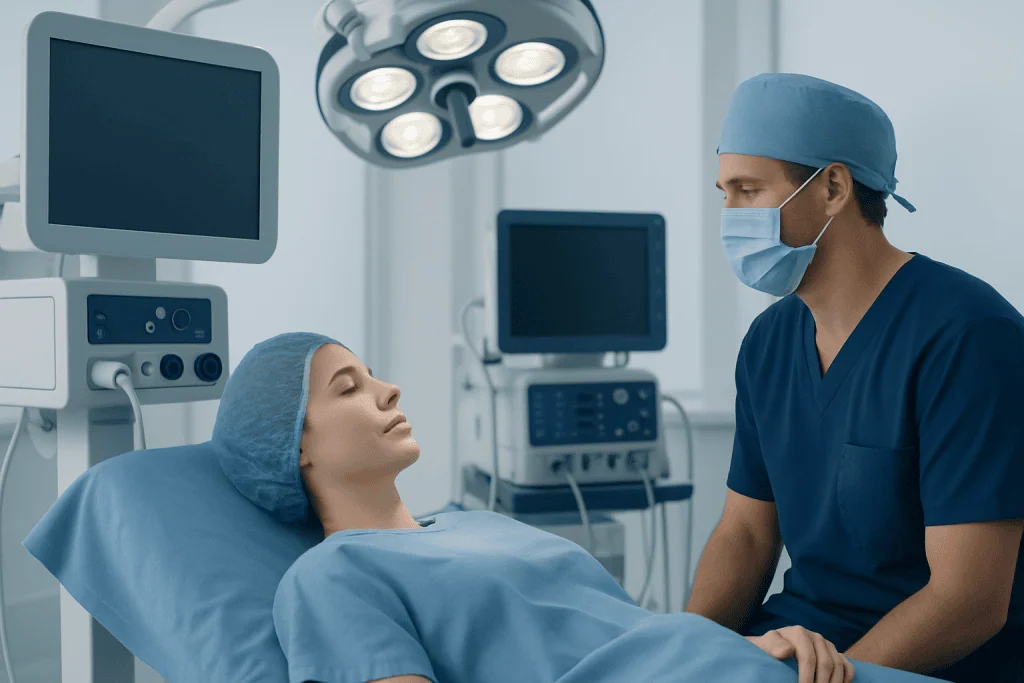
International patients travel for rhinoplasty for many reasons, including access to experienced surgeons, the desire to combine treatment with travel, or the need for a second opinion after previous surgery. Some want subtle cosmetic refinement, while others need correction of a deviated septum, collapse of nasal support, or changes related to injury.
Rhinoplasty is also sometimes part of broader facial assessment. A surgeon may discuss whether the nose alone is the main concern or whether harmony with the chin, cheeks, or neck also affects the overall appearance. In some cases, patients exploring facial balance may ask about procedures such as brow lift or cheek augmentation, but these decisions should only be made after careful consultation rather than as routine additions.
Patients who have had a broken nose or other facial trauma may need reconstructive as well as cosmetic planning. Likewise, people with thick scar tendencies may benefit from discussing wound healing history, including any past keloid scars, because this can influence postoperative care and expectations for scar maturation.
For international patients, practical matters are just as important as surgical goals. Language support, medical record sharing, video consultations, local transport, and access to postoperative checks all influence the experience. A successful treatment journey depends on both sound medical planning and thoughtful travel preparation.
Who Is a Good Candidate

A good candidate for rhinoplasty is generally someone in good physical health, without uncontrolled medical problems, and with clear, realistic expectations. The person should understand that surgery can improve proportion and function, but it cannot create absolute perfection or guarantee an exact image.
Age matters as well. Rhinoplasty is usually considered after nasal growth is complete, although timing varies by individual. Emotional readiness is also important. Surgery should be a personal decision, not something done mainly to meet outside pressure or unrealistic social media standards.
Patients should tell the surgeon about prior nasal surgery, allergies, sinus symptoms, snoring, trauma, smoking or nicotine use, and any tendency toward easy bruising or bleeding. If the nose has already been operated on, revision rhinoplasty may be more complex because of scar tissue, altered anatomy, or reduced cartilage support.
There are times when surgery may need to be delayed. Active nasal infection, uncontrolled chronic illness, heavy nicotine use, or inability to stay for the necessary recovery period may make immediate surgery less appropriate. In these situations, addressing health and planning issues first usually leads to safer care.
Consultation, Assessment, and Surgical Planning
The consultation is one of the most important parts of rhinoplasty care. The surgeon will usually ask about the patient’s concerns, breathing symptoms, prior injuries, previous operations, medications, and overall health. Photographs are commonly taken from several angles to study facial proportions and help guide planning.
A nasal examination often includes checking the septum, skin quality, tip support, symmetry, and airflow through the nasal passages. Some patients also need internal assessment for structural causes of obstruction. If there is a history of injury, congenital difference, or previous surgery, the surgeon may explain that the operation is partly reconstructive rather than purely cosmetic.
During planning, the discussion should be specific. Helpful questions include what changes are realistic, whether breathing will also be treated, where cartilage grafts may come from, what scars to expect, how long swelling may last, and what the revision policy or follow-up plan is. Digital imaging may sometimes be used to support communication, but it is only a guide, not a promise of the final outcome.
International patients should send records and clear photographs in advance when requested. They should also confirm how long they must remain nearby after surgery, whether a companion is recommended, and how postoperative concerns will be handled once they return home. If broader facial surgery is being considered, it should only be because it is medically and aesthetically relevant, such as coordination with aesthetic neck contouring in selected facial profile cases.
How the Procedure Is Performed and What Recovery Is Like
Rhinoplasty is usually performed under general anesthesia, although the exact anesthesia plan depends on the case and the treating team. During surgery, the surgeon reshapes bone, cartilage, soft tissue, or all three. This may involve smoothing a hump, refining the tip, narrowing the nasal bones, straightening the septum, or placing grafts to support breathing and contour.
After surgery, a splint is commonly placed on the nose for protection and support. Some patients also have internal splints or soft packing, depending on the work performed. Bruising and swelling around the nose and eyes are common in the early period, and mild bleeding or congestion may occur for a short time.
Recovery takes place in stages. Many people feel comfortable resuming light daily activities within about one to two weeks, but visible swelling improves gradually over a much longer period. The nose can continue to refine for many months, especially at the tip. This is one reason patients should be cautious about judging the result too early.
International patients should plan enough time in the destination city for the initial postoperative visits. Flying home too soon can make follow-up difficult if there is significant swelling, bleeding, or concern about healing. Surgeons often advise avoiding strenuous activity, contact sports, heavy lifting, and eyeglasses resting on the nose for a period of time, depending on the surgical details.
Risks, Limitations, and How to Choose a Surgeon
Like any operation, rhinoplasty carries risks. These include bleeding, infection, anesthesia-related problems, asymmetry, prolonged swelling, visible or internal scar tissue, numbness, dissatisfaction with appearance, and persistent breathing issues. In some cases, healing changes over time may lead to the need for revision surgery.
Not every nose can safely be made much smaller or more sharply defined. Skin thickness, cartilage strength, prior surgery, and ethnic or inherited anatomy all affect what is possible. A responsible surgeon will explain both the potential benefits and the limits of surgery in a clear and realistic way.
Choosing a surgeon is one of the most important decisions for anyone considering rhinoplasty in LA. Patients should look for a surgeon with formal specialist credentials, hospital operating privileges, and substantial experience in rhinoplasty, especially if they have breathing concerns, previous surgery, or post-traumatic changes. Before-and-after photos of similar cases can be helpful, but they should support discussion rather than replace it.
It is also wise to ask where the surgery will be performed, who will provide anesthesia, what emergency support is available, and how follow-up is organized for patients traveling from abroad. A careful team approach matters. Near the end of the care journey, some international patients choose centers such as Acibadem International, where multidisciplinary specialists and JCI-accredited hospitals diagnose and treat reconstructive and aesthetic concerns for patients traveling internationally.
Travel Planning, Self-Care, and When to Seek Medical Advice
Good travel planning can make recovery smoother. Patients should arrange accommodation close to the clinic or hospital, have a responsible adult available during the first day or two, and avoid scheduling major sightseeing or work commitments right after surgery. They should also pack any regular medications, copies of test results, and comfortable clothing that does not need to be pulled over the head.
Self-care after rhinoplasty usually includes sleeping with the head elevated, avoiding nose blowing unless the surgeon says it is safe, taking medications exactly as prescribed, and protecting the nose from accidental bumps and sun exposure. Smoking and nicotine products should be avoided because they can interfere with healing. If the skin is healing slowly or thick scarring is a concern, discussing scar history remains useful, especially in patients with a background of keloid-type scarring.
Patients should contact their surgeon promptly if they develop increasing pain that is not improving, fever, heavy bleeding, sudden marked swelling on one side, breathing difficulty, or signs that a splint or dressing has become displaced. Early communication is especially important for travelers who may be preparing to fly home soon.
Some people considering facial surgery are also researching other aesthetic procedures, such as body contouring, but combining surgeries should never be assumed to be appropriate. The decision depends on safety, operating time, recovery burden, and the patient’s medical status. A personalized treatment plan is always the safest approach.
Frequently asked questions
How long should international patients stay after rhinoplasty?
The exact length of stay depends on the complexity of the surgery and the surgeon’s follow-up protocol. Many patients are advised to remain nearby for at least several days to about two weeks so the team can monitor healing, remove dressings if needed, and address early concerns before travel.
Can rhinoplasty improve breathing as well as appearance?
Yes. Rhinoplasty can sometimes be combined with correction of structural problems that affect airflow, such as a deviated septum or weak nasal support. This should be assessed during consultation so the plan addresses both appearance and function when appropriate.
When will the final result be visible?
Early changes are often visible after the splint is removed, but swelling can remain for a long time. Most patients see gradual refinement over months, and the tip in particular may take up to a year or more to fully settle.
Is rhinoplasty very painful?
Most patients describe more pressure, congestion, and swelling than severe pain. Discomfort is usually manageable with the medications and care instructions provided by the surgical team.
What should patients bring to a rhinoplasty consultation?
It is helpful to bring a list of medications, allergy information, past surgical records, and details about any breathing problems or prior nasal injuries. International patients should also share recent medical history and travel plans so the team can coordinate safe timing and follow-up.
Can rhinoplasty be done after a previous nose surgery?
Yes, but revision rhinoplasty is often more complex than a first operation. Scar tissue, altered support, and limited cartilage can make surgical planning more demanding, so it is especially important to choose a surgeon with relevant experience.
References
- American Society of Plastic Surgeons
- American Academy of Facial Plastic and Reconstructive Surgery
- NHS
- Mayo Clinic
- U.S. National Library of Medicine
This article is for general information only and is not a substitute for professional medical advice. Please consult a qualified doctor about your individual situation.
Rhinoplasty in Turkey — costs, top hospitals & a free quote
JCI-accredited · board-certified surgeons · reply within 24h
Add us as a Preferred Source to see more of our trusted health content across Google Search, AI Overviews and Discover.

Related Treatments
Related Conditions
More from the Health Library



Related Specialists
Assoc. Prof. Dr. Erdem Güven (m)
Aesthetic Plastic & Reconstructive Surgery
Prof. Dr. Şükrü Yazar
Aesthetic Plastic & Reconstructive Surgery
Prof. Dr. Hakan Ağır
Aesthetic Plastic & Reconstructive Surgery
Prof. Dr. Bülent Saçak
Aesthetic Plastic & Reconstructive Surgery