

What Does Fertile Mean? Signs and Timing of the Most Fertile Days

Fertile usually means able to conceive, and the fertile window is the few days before ovulation plus the day of ovulation. Common signs of the most fertile days include clear, slippery cervical mucus and a positive ovulation predictor test.
Key Takeaways
- Fertile usually means able to conceive, and the fertile window is the few days before ovulation plus the day of ovulation.
- Common signs of the most fertile days include clear, slippery cervical mucus and a positive ovulation predictor test.
- Cycle tracking can help estimate ovulation, but timing may vary from month to month, especially with irregular periods.
- Age, hormone disorders, stress, weight changes, and some medical conditions can affect fertility.
- A doctor should be consulted if pregnancy does not happen after a reasonable period of trying or if cycles are irregular.
Fertile means having the ability to conceive a pregnancy, and fertility is usually highest during a short monthly fertile window around ovulation. Understanding cycle timing, body signs, and common factors that affect ovulation can help a person recognize their most fertile days more accurately.
Overview: What does fertile mean?
The word fertile generally means able to conceive a pregnancy. In everyday use, it often refers to a person who is ovulating regularly and has a reasonable chance of becoming pregnant through unprotected sex at the right time in the menstrual cycle. Fertility is not limited to one day each month, but it does rise and fall across the cycle.
For most women of reproductive age, the best chance of conception happens during the fertile window. This is the group of days leading up to ovulation and the day ovulation occurs. Sperm can survive in the female reproductive tract for several days, while an egg usually lives for about 12 to 24 hours after it is released. That is why pregnancy is most likely when intercourse happens in the days before ovulation rather than only afterward.
It is also helpful to remember that being fertile does not guarantee pregnancy in any single cycle. Conception depends on many factors, including egg quality, sperm health, timing, fallopian tube function, and the health of the uterus. Fertility can also change with age, health conditions, and lifestyle factors.
When are the most fertile days?
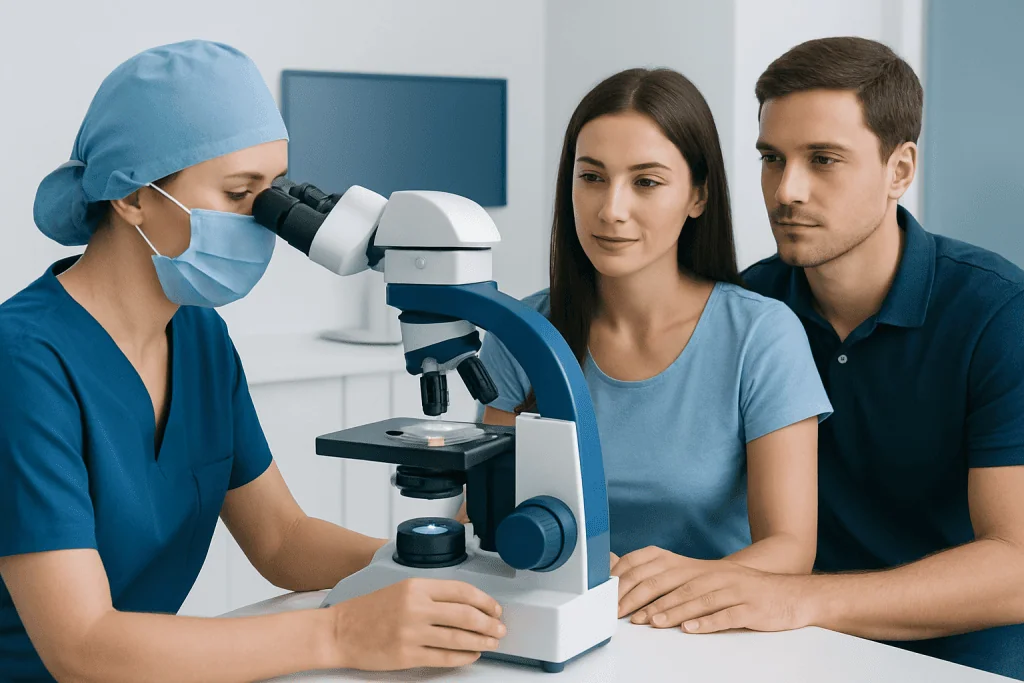
The most fertile days are usually the five days before ovulation, plus the day of ovulation itself. In a textbook 28-day cycle, ovulation often happens around day 14, but many healthy cycles are shorter or longer than 28 days. Because of this, the most fertile days are not the same for everyone.
Ovulation is the release of an egg from the ovary. After release, the egg travels into the fallopian tube, where fertilization may occur if sperm are present. Since sperm can live for up to five days in fertile cervical mucus, intercourse during the days before ovulation often provides the highest chance of pregnancy.
People with regular cycles may estimate ovulation by counting backward about 14 days from the start of the next expected period. Those with irregular cycles may find this much less reliable. In that case, combining methods such as cervical mucus observation, ovulation predictor kits, or guidance from a doctor can be more helpful.
- Cycle days 1-7: usually low fertility
- Days leading up to ovulation: fertility rises
- One to two days before ovulation: often the highest fertility
- Day of ovulation: still fertile
- After ovulation: fertility drops quickly
Signs that may suggest the fertile window
One of the most useful natural signs of fertility is a change in cervical mucus. As ovulation approaches, mucus often becomes clear, stretchy, slippery, and similar to raw egg white. This type of mucus helps sperm move more easily and survive longer, making it a practical sign that the fertile window is open.
Some women also notice mild one-sided pelvic discomfort around ovulation, sometimes called ovulation pain. Others may feel more interested in sex, notice light spotting, or observe that the cervix feels softer and higher. These signs can be normal, but they are not always present and should not be used alone to confirm ovulation.
Ovulation predictor kits detect a rise in luteinizing hormone in the urine. A positive result often means ovulation is likely within the next day or so. Basal body temperature tracking can also help, but it confirms that ovulation has already happened because temperature usually rises after the egg is released.
These signs can support cycle awareness, but they are not perfect. Hormone changes, illness, stress, travel, and conditions such as polycystic ovary syndrome may make ovulation harder to predict. When signs are unclear or cycles are inconsistent, medical advice can be useful.
What affects fertility and ovulation?
Fertility depends on more than ovulation alone. Age is one of the most important factors, because both egg number and egg quality decline over time. A person may still have regular periods but find that conception takes longer than it did at a younger age.
Hormonal and gynecologic conditions can also affect fertility. Examples include thyroid disorders, polycystic ovary syndrome, endometriosis, and problems affecting the uterus or fallopian tubes. Irregular or absent periods may suggest that ovulation is not happening regularly. Conditions such as amenorrhea, ovarian cysts, or pelvic inflammatory disease can sometimes interfere with normal fertility.
Lifestyle factors matter as well. Major stress, significant weight loss or gain, eating disorders, smoking, heavy alcohol use, poor sleep, and intense exercise can all disrupt menstrual cycles in some people. Certain medications and chronic illnesses may also play a role.
Male factors are equally important in conception. Even when ovulation is regular, pregnancy may be delayed if sperm count, movement, or shape is affected. This is why fertility evaluation often considers both partners rather than focusing on one person alone.
How fertility is assessed
If someone wants to understand their fertility, a doctor will usually begin with a detailed history. This includes cycle length, bleeding patterns, pain, past pregnancies, previous pelvic infections or surgery, medications, and family history. The doctor may also ask about timing of intercourse and how long pregnancy has been attempted.
Basic fertility assessment may include blood tests to look at hormone levels, thyroid function, and ovarian reserve. Ovulation can sometimes be checked through cycle history, ultrasound, or blood progesterone testing after the expected time of ovulation. A pelvic ultrasound may be used to look at the ovaries and uterus.
In some cases, the uterus and fallopian tubes are assessed to make sure the egg and sperm can meet normally. A semen analysis is also a standard part of fertility evaluation because male factors are common and treatable. Depending on the findings, a person may be referred for female infertility evaluation or broader infertility care.
Assessment does not always mean there is a serious problem. Often, it helps identify the fertile window more accurately, detect treatable hormone issues, or clarify whether more support is needed. Early evaluation can be especially helpful for people with irregular cycles, known pelvic disease, or concerns about age-related fertility decline.
Ways to support fertility and improve timing
For many people trying to conceive, the most practical step is timing intercourse during the fertile window. Sex every one to two days in the five days before ovulation and on the day of ovulation can improve the chance that sperm will be present when the egg is released. If daily tracking feels stressful, a simpler pattern of regular intercourse throughout the cycle may also be effective.
Healthy lifestyle habits can support ovulation and overall reproductive health. These include maintaining a balanced weight, eating a varied diet, staying physically active without overtraining, managing stress, sleeping well, and avoiding smoking. It is also sensible to review medications with a doctor and begin a prenatal vitamin with folic acid when planning pregnancy.
If natural conception is delayed, treatment depends on the cause. Options may range from ovulation-inducing medication and cycle monitoring to procedures such as intrauterine insemination or IVF treatment. The right approach is based on age, diagnosis, duration of infertility, and personal preferences.
Near the end of the fertility pathway, some people benefit from care in specialized centers. Acibadem International’s multidisciplinary specialists in JCI-accredited hospitals diagnose and treat fertility-related conditions for international patients, with care tailored to the individual situation.
When to see a doctor
It is a good idea to speak with a doctor if pregnancy has not happened after 12 months of regular unprotected sex for women under 35, or after 6 months for women aged 35 and older. Earlier assessment may be appropriate if periods are very irregular, absent, very painful, or unusually heavy, or if there is a known history of endometriosis, pelvic infection, or previous reproductive surgery.
Medical advice is also important if there are repeated positive ovulation tests without pregnancy, signs of hormone imbalance, or symptoms such as severe pelvic pain. Men should consider evaluation too, especially if there is a history of testicular problems, surgery, or known sperm issues.
People approaching menopause may notice cycle changes and reduced fertility even before periods stop completely. If there are concerns about earlier-than-expected loss of fertility, conditions such as premature ovarian insufficiency may need assessment. A doctor can help explain what is normal, what may need testing, and what options are available.
Seeking advice does not mean something is seriously wrong. In many cases, a timely review offers reassurance, improves cycle tracking, and identifies straightforward steps that can increase the chance of conception.
Frequently asked questions
What does fertile mean in simple terms?
Fertile means able to conceive a pregnancy. In practical terms, it usually refers to having the biological ability to become pregnant, especially when sex happens during the fertile window around ovulation.
How many days a month is a woman fertile?
A woman is usually most fertile for about six days in each menstrual cycle. These are the five days before ovulation and the day ovulation happens, because sperm can survive for several days while the egg lives for a much shorter time.
What are the signs of the most fertile days?
Common signs include clear, stretchy, slippery cervical mucus and a positive ovulation predictor test. Some women also notice mild ovulation pain, light spotting, or increased sexual desire, but these signs vary from person to person.
Can someone be fertile with irregular periods?
Yes, pregnancy can still happen with irregular periods, but ovulation may be harder to predict. Irregular cycles can also sometimes signal a hormone or ovulation problem, so medical advice may be helpful if cycles are often unpredictable.
Does having regular periods mean someone is definitely fertile?
Not always. Regular periods often suggest regular ovulation, but fertility also depends on egg quality, sperm health, the fallopian tubes, the uterus, and general reproductive health. A person can have regular cycles and still face fertility challenges.
When should someone seek help for fertility concerns?
A doctor should usually be consulted after 12 months of trying for women under 35, or after 6 months for women 35 and older. Earlier evaluation is sensible if periods are absent or very irregular, or if there is a known reproductive health condition.
This article is for general information only and is not a substitute for professional medical advice. Please consult a qualified doctor about your individual situation.
IVF & fertility treatment in Turkey — success rates and costs
JCI-accredited · board-certified surgeons · reply within 24h
Add us as a Preferred Source to see more of our trusted health content across Google Search, AI Overviews and Discover.
Check your numbers in seconds
BMI, calories, due date, blood pressure and 30+ more clinical calculators — free, instant, doctor-reviewed ranges.

Related Treatments
Related Conditions
More from the Health Library

Open vs Minimally Invasive IVF: What Changes for Patients?

IVF Medication Protocols: Ovarian Stimulation and Monitoring Explained

IVF With Diminished Ovarian Reserve: What Treatment Planning May Involve

IVF After Tubal Ligation: Options, Success Factors, and Patient Selection

Male Age and IVF: Sperm Quality, Embryo Development, and Risks

Hysteroscopy Before IVF: When the Uterus Needs a Closer Look
Gynecology & Obstetrics Specialists at Acibadem

Assoc. Prof. Dr. Aylin Önder Dirican
Gynecology & Obstetrics
Dr. Aylin Tatlıadım
Gynecology & Obstetrics
Dr. Ayşe Dişli Gürler
Gynecology & Obstetrics
Dr. Aysel Özkaynak
Gynecology & Obstetrics