

What Is Aesthetic Surgery and Who Can Benefit?

Aesthetic surgery focuses on improving appearance and, in some cases, comfort or function. Good candidates are generally healthy, emotionally prepared, and have realistic expectations.
Key Takeaways
- Aesthetic surgery focuses on improving appearance and, in some cases, comfort or function.
- Good candidates are generally healthy, emotionally prepared, and have realistic expectations.
- Procedures range from facial surgery to body contouring and breast surgery, with individualized planning.
- Every procedure has risks, recovery time, and limitations that should be discussed with a qualified surgeon.
- A detailed consultation helps match the right procedure to a person’s goals, anatomy, and health needs.
Aesthetic surgery is a branch of plastic surgery that aims to improve appearance, balance, and body proportions. It may benefit people who want to address long-standing cosmetic concerns, age-related changes, or physical features that affect comfort, confidence, or daily life.
Overview: What Is Aesthetic Surgery?
Aesthetic surgery, often called cosmetic surgery, is a specialized area of plastic surgery focused on improving appearance. It may be used to refine facial features, reshape body contours, address signs of aging, or correct physical traits that a person has found bothersome for many years. The goal is not to create perfection, but to achieve natural-looking changes that suit the individual’s body and personal preferences.
Although aesthetic surgery is commonly associated with appearance, its benefits may go beyond looks alone. Some procedures can also improve comfort, clothing fit, posture, skin irritation, or self-confidence. For example, breast reduction may ease physical discomfort, and some reconstructive procedures overlap with aesthetic goals after injury, congenital differences, or illness.
Aesthetic surgery is different from reconstructive surgery, but the two fields are closely connected. Reconstructive surgery is primarily performed to restore form and function after trauma, cancer treatment, birth differences, or disease. In practice, many plastic surgeons use both reconstructive and aesthetic techniques, especially when treating concerns such as facial trauma, burns, or visible scarring.
Who Can Benefit from Aesthetic Surgery?
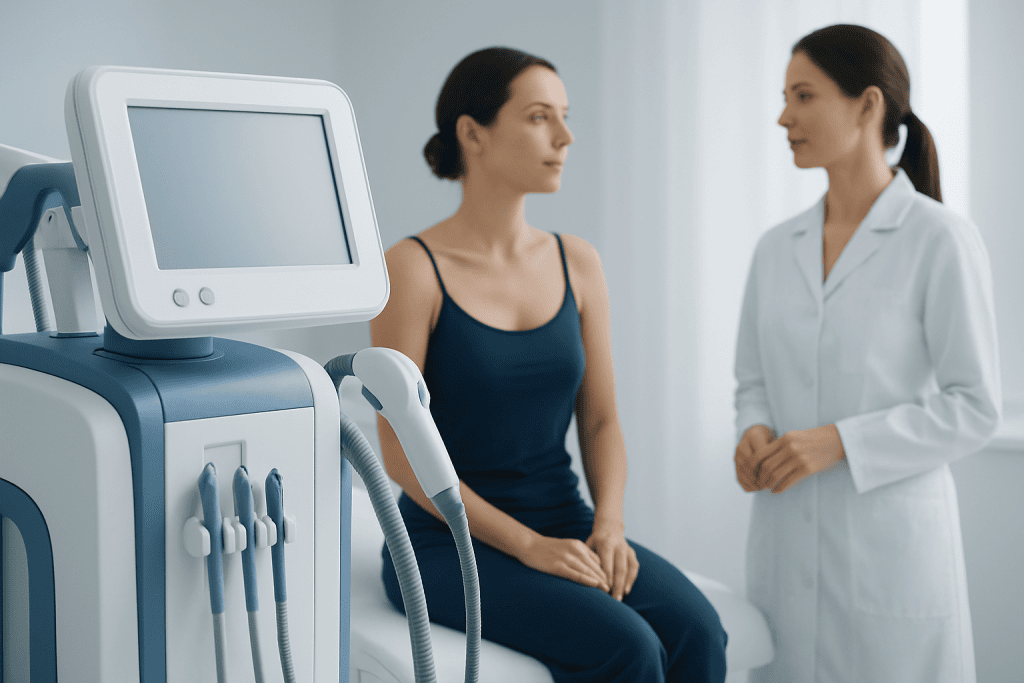
People seek aesthetic surgery for many reasons, and there is no single “right” motivation. Some want to address a feature they have disliked since adolescence, while others are interested in age-related changes such as sagging skin, facial volume loss, or changes after pregnancy or weight loss. The best candidates are those making a personal choice for themselves, rather than feeling pressured by family, social media, or other outside influences.
In general, a person may benefit from aesthetic surgery if they are in reasonably good health, understand the procedure, and have realistic expectations about the result. Realistic expectations are important because surgery can improve shape, proportion, or symmetry, but it cannot guarantee perfection or completely change someone’s life circumstances. Surgeons also consider emotional readiness, smoking status, weight stability, and any medical conditions that may affect healing.
Aesthetic surgery may be especially helpful for people with concerns such as excess skin after major weight loss, enlarged breast tissue, stubborn localized fat, facial aging, or contour changes after pregnancy. Some patients also seek treatment for specific conditions that affect body image or comfort, such as gynecomastia in men or prominent scar tissue such as keloid scars.
Common Types of Aesthetic Surgery
Aesthetic surgery includes a wide range of procedures for the face, breasts, and body. Facial procedures may aim to restore a more refreshed appearance or improve harmony between features. Examples include eyelid surgery, brow surgery, chin contouring, facial fat transfer, and neck contouring. For patients with concerns about the upper face, surgeons may discuss options such as a brow lift or neck contouring.
Breast procedures are another major part of aesthetic surgery. Depending on the person’s goals, surgery may enhance size, improve shape, lift sagging tissue, reduce heaviness, or revise previous implants. Common examples include breast augmentation, breast lift, breast reduction, implant removal, and fat transfer to the breasts. These procedures are tailored carefully to body proportions, skin quality, and personal preferences.
Body contouring procedures may target areas such as the abdomen, arms, thighs, hips, or buttocks. They may remove or redistribute fat, tighten skin, or reshape proportions after weight changes or pregnancy. Examples include liposuction, arm lift, buttock lift, and post-bariatric contouring. The right option depends on whether the main issue is excess fat, loose skin, muscle laxity, or a combination of these factors.
Not all appearance concerns require major surgery. In some cases, patients may be better suited to a less invasive approach, staged treatment, or even no procedure at all. A qualified plastic surgeon can explain which options are surgical, which are minimally invasive, and which are unlikely to provide a meaningful benefit.
How Doctors Decide if Someone Is a Good Candidate
A thorough consultation is one of the most important steps in aesthetic surgery. During this visit, the surgeon asks about the person’s medical history, medications, allergies, previous operations, and lifestyle factors such as smoking or alcohol use. They also discuss the patient’s goals, what bothers them most, and what kind of result they hope to achieve.
The physical examination helps the surgeon assess anatomy, skin quality, symmetry, body proportions, and healing factors. Standardized medical photographs may be taken for planning and comparison. In some situations, laboratory tests, imaging, or specialist clearance may be needed before surgery, particularly for people with chronic health conditions.
Psychological readiness matters as much as physical readiness. A good candidate generally understands the likely recovery process, possible scars, and limits of surgery. If a person is seeking surgery during a period of major emotional stress, has expectations that are not achievable, or shows signs of body image distortion, the surgeon may recommend delaying treatment and seeking additional support first.
Risks, Limitations, and Recovery
All surgery carries some degree of risk, even when performed by experienced teams. General risks may include bleeding, infection, anesthesia-related problems, fluid collection, scarring, delayed wound healing, and dissatisfaction with the cosmetic outcome. Depending on the procedure, there may also be risks such as asymmetry, contour irregularities, changes in sensation, implant-related issues, or the need for revision surgery.
Recovery varies widely based on the type of surgery, the extent of treatment, and the person’s overall health. Swelling, bruising, tightness, and temporary discomfort are common in the early healing period. Many patients can return to light daily activities relatively soon, but exercise, lifting, and full social recovery may take longer. Final results often appear gradually as swelling settles and tissues soften.
It is also important to understand the limits of aesthetic surgery. Surgical results are influenced by skin quality, age, genetics, scarring tendency, and healing patterns. A procedure can improve a concern significantly, but it may not stop natural aging or keep results unchanged forever. Careful planning and honest discussion help patients make balanced decisions and feel prepared for the recovery process.
- Follow all preoperative and postoperative instructions closely.
- Avoid smoking and nicotine exposure, which can impair healing.
- Attend scheduled follow-up visits so the surgeon can monitor recovery.
- Ask about scars, timelines, and signs that should prompt medical advice.
Preparing for Surgery and Supporting Results
Preparation can improve both safety and satisfaction. Before surgery, patients are often advised to stop smoking, review their medications with the doctor, maintain a stable weight, and arrange help at home if needed. It is also wise to plan time away from work or social commitments, since visible swelling or reduced mobility may last longer than expected.
Healthy habits support recovery and long-term results. A balanced diet, good hydration, adequate sleep, and following activity restrictions all play a role in healing. For body contouring procedures, maintaining a stable weight is especially important, because major weight fluctuations can affect the final shape. Sun protection is also useful after many procedures to help scars mature more favorably.
Patients should feel comfortable asking practical questions before surgery. Useful topics include where the procedure will take place, what type of anesthesia may be used, when normal activities can resume, what scars may look like, and what kind of follow-up care is included. Near the end of the decision process, some patients choose centers with multidisciplinary support; for international patients, Acibadem International’s multidisciplinary specialists in JCI-accredited hospitals diagnose and treat a wide range of aesthetic and reconstructive concerns.
When to See a Qualified Plastic Surgeon
A consultation with a qualified plastic surgeon can be helpful when a person has a long-standing appearance concern, physical discomfort related to body shape, or questions about whether surgery is appropriate. It may also be useful after pregnancy, major weight loss, visible aging changes, or prior surgery that did not produce the expected result. The purpose of the consultation is not only to discuss procedures, but to understand whether the person’s goals can be met safely and realistically.
Choosing the right surgeon matters. Patients should look for appropriate specialist training, experience with the procedure being considered, and clear communication about benefits, limitations, alternatives, and risks. A trustworthy surgeon will explain when surgery is not the best option and will encourage informed decision-making rather than pressure.
Prompt medical review is also important if a person has a complication after a cosmetic procedure, such as increasing redness, fever, severe pain, shortness of breath, wound separation, or sudden swelling. Even after routine recovery, anyone unhappy with healing, scars, or symmetry should seek professional advice rather than trying to manage a problem alone.
Frequently asked questions
What is the difference between aesthetic surgery and plastic surgery?
Aesthetic surgery is a part of plastic surgery that focuses on improving appearance, proportion, and visible signs of aging. Plastic surgery as a whole also includes reconstructive procedures used to restore form and function after injury, illness, or congenital differences.
Who is a good candidate for aesthetic surgery?
A good candidate is usually someone in good general health who has realistic expectations and wants surgery for personal reasons. Surgeons also look at smoking status, weight stability, emotional readiness, and whether any medical conditions could affect safety or healing.
Can aesthetic surgery improve confidence?
Many people feel more comfortable and confident after addressing a long-standing appearance concern. However, surgery works best when it supports an already healthy sense of self rather than serving as a solution to deeper emotional distress.
Are the results of aesthetic surgery permanent?
Some changes from aesthetic surgery are long-lasting, but no procedure can stop the natural aging process. Weight changes, pregnancy, sun exposure, and normal tissue changes over time can all affect how results look in the future.
What are the main risks of aesthetic surgery?
Risks vary by procedure, but may include bleeding, infection, scarring, anesthesia-related problems, asymmetry, and the possibility of revision surgery. A qualified surgeon will explain the specific risks and how they can be reduced before treatment.
How long does recovery usually take?
Recovery depends on the type and extent of surgery. Many people return to basic daily activities within days to weeks, but swelling can take longer to settle and final results may take several months to fully appear.
References
- American Society of Plastic Surgeons
- International Society of Aesthetic Plastic Surgery
- American Board of Plastic Surgery
- National Health Service
- Mayo Clinic
This article is for general information only and is not a substitute for professional medical advice. Please consult a qualified doctor about your individual situation.
Explore treatments in Turkey — costs, top hospitals & a free quote
JCI-accredited · board-certified surgeons · reply within 24h
Add us as a Preferred Source to see more of our trusted health content across Google Search, AI Overviews and Discover.

Related Treatments
Related Conditions
More from the Health Library



Related Specialists
Assoc. Prof. Dr. Erdem Güven (m)
Aesthetic Plastic & Reconstructive Surgery
Prof. Dr. Şükrü Yazar
Aesthetic Plastic & Reconstructive Surgery
Prof. Dr. Hakan Ağır
Aesthetic Plastic & Reconstructive Surgery
Prof. Dr. Bülent Saçak
Aesthetic Plastic & Reconstructive Surgery