

What Is Lipo and How Does It Work?

Liposuction removes stubborn pockets of fat to improve body shape and proportion. It is a body-contouring procedure, not a weight-loss treatment.
Key Takeaways
- Liposuction removes stubborn pockets of fat to improve body shape and proportion.
- It is a body-contouring procedure, not a weight-loss treatment.
- The procedure works by using a thin tube and suction to remove fat from selected areas.
- Best results are usually seen in people near a stable weight with good skin elasticity.
- Recovery involves swelling, bruising, compression garments, and gradual improvement over weeks to months.
- A consultation with a qualified plastic surgeon is important to discuss goals, safety, and realistic expectations.
Liposuction is a cosmetic procedure designed to remove localized fat deposits that do not improve enough with diet and exercise alone. It is mainly used to reshape body contours rather than to treat obesity or replace healthy lifestyle habits.
Overview: What Is Liposuction?
Liposuction, often called “lipo,” is a surgical body-contouring procedure that removes localized fat deposits from specific areas of the body. Common treatment areas include the abdomen, waist, hips, thighs, buttocks, arms, back, chest, and under the chin. The goal is to create a more balanced body shape when certain fat pockets remain despite healthy eating and regular physical activity.
It is important to understand that liposuction is not a treatment for obesity and does not take the place of long-term weight management. Instead, it is usually considered when body weight is relatively stable but fat distribution remains uneven or resistant to lifestyle changes. Many people choose it to refine contours rather than to achieve a large drop on the scale.
Modern liposuction techniques have evolved to improve precision and recovery, but the basic principle remains the same: fat is loosened and removed through a small tube called a cannula. In some cases, liposuction may also be combined with other cosmetic procedures to enhance overall shape, such as body contouring or arm liposuction for selected areas.
How Liposuction Works
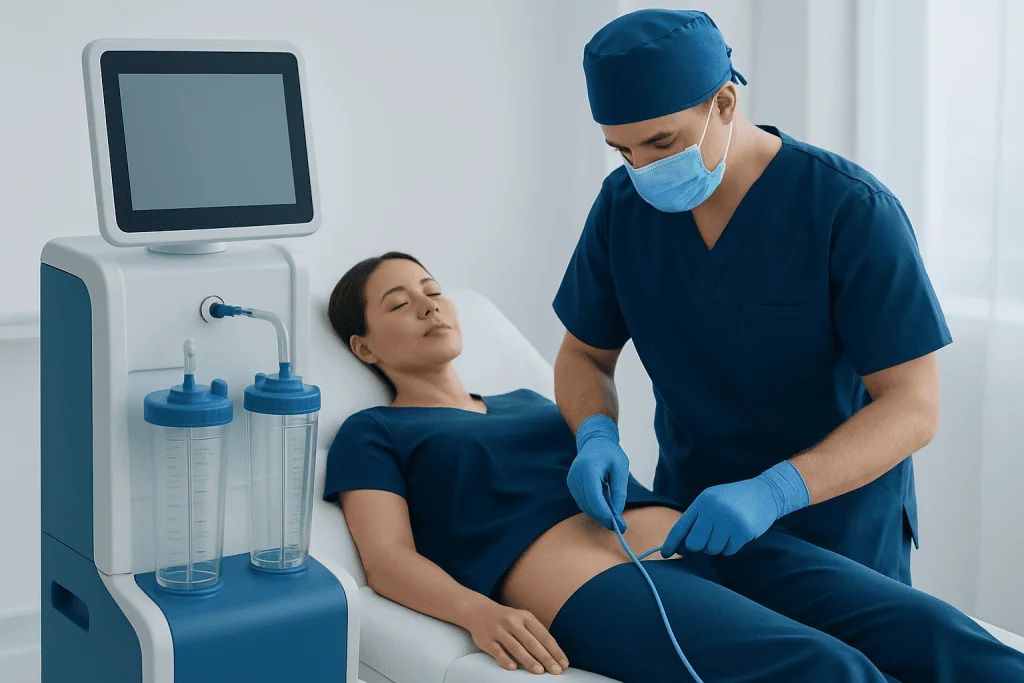
Liposuction works by physically removing fat cells from targeted areas. During the procedure, the surgeon makes very small incisions in the skin and inserts a thin hollow tube called a cannula. This tube is connected to a suction device that draws out fat after it has been loosened from the surrounding tissue.
In many cases, a special fluid is first placed into the treatment area. This fluid may help reduce bleeding, make fat easier to remove, and improve comfort. The surgeon then moves the cannula carefully through the fat layer to sculpt the area as evenly as possible. Precision is important because the aim is not simply to remove fat, but to create smooth, natural-looking contours that fit the person’s anatomy.
Several liposuction methods may be used depending on the area treated, the amount of fat, skin quality, and the surgeon’s judgment. Traditional approaches remain common, including classic liposuction. In some situations, removed fat may be processed and used elsewhere in the body for volume enhancement, such as fat transfer procedures.
Because fat cells are removed from the treated area, the change can be long lasting. However, remaining fat cells can still enlarge if a person gains weight later. For that reason, long-term results depend not only on the procedure itself, but also on maintaining stable habits afterward.
Who May Be a Good Candidate?
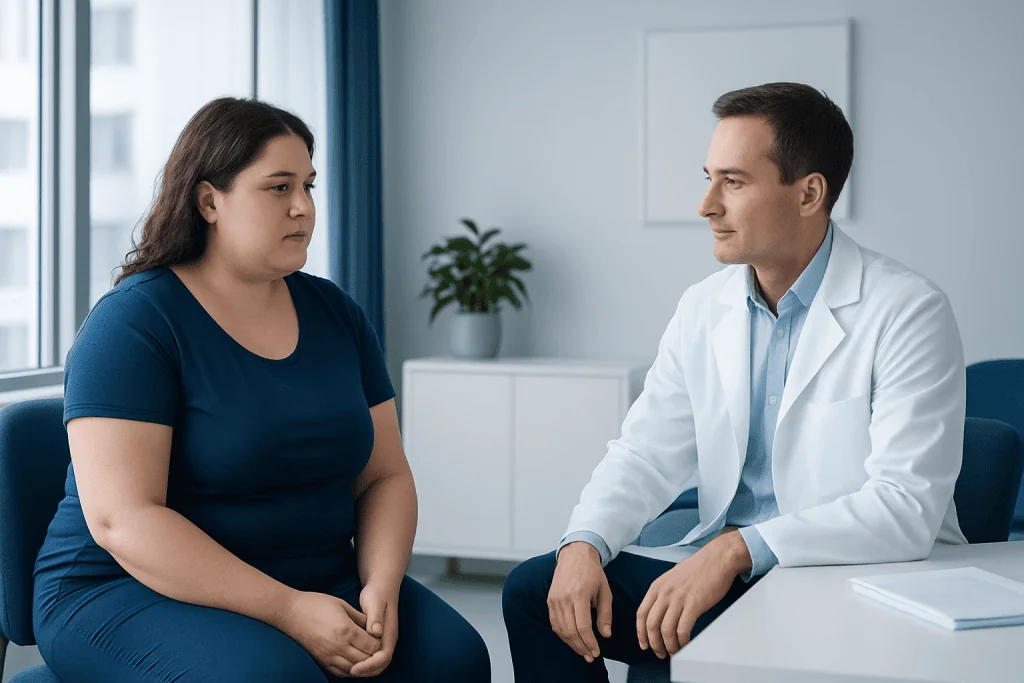
A good candidate for liposuction is usually an adult in generally good health who has bothersome areas of localized fat and realistic expectations about what the procedure can and cannot achieve. Many surgeons look for patients who are close to their target weight, have relatively firm skin, and want contour improvement rather than major weight loss.
Skin elasticity matters because after fat is removed, the skin needs to adapt to the new shape. If the skin is very loose, liposuction alone may not create the desired result, and another contouring procedure may be discussed. A consultation also helps identify whether concerns are caused mainly by fat, excess skin, glandular tissue, or a combination of these.
For example, fullness in the male chest is not always due only to fat. In some people it may relate to glandular enlargement, such as gynecomastia, which may require a different surgical approach. Similarly, patients who have had major weight loss may need more extensive reshaping, sometimes involving procedures such as post-weight-loss body contouring.
Liposuction may not be suitable for everyone. People with certain medical conditions, poor wound healing, uncontrolled chronic disease, or unrealistic expectations may need to postpone the procedure or consider alternatives. A personalized evaluation is the safest way to decide.
Common Treatment Areas and Expected Results
Liposuction can be used on many parts of the body where fat tends to collect unevenly. Frequently treated areas include the abdomen, flanks, outer and inner thighs, knees, upper arms, back, chest, and chin. Some people choose treatment in one area, while others have several areas addressed during the same operation if this can be done safely.
The expected result is improved contour, not perfection. Treated areas often look slimmer, more proportionate, and better defined once swelling decreases. Clothing may fit differently, and the body’s overall silhouette may appear more balanced. However, small asymmetries can exist naturally before surgery and may still be present afterward.
Results are influenced by the amount of fat removed, the quality of the skin, the person’s healing response, and whether other procedures are performed at the same time. In some patients, liposuction may be combined with operations that remove excess skin or tighten tissues, such as abdominal contouring surgery.
Liposuction is not intended to treat cellulite, stretch marks, or significant skin laxity. It also does not replace medical care for unrelated skin or soft-tissue conditions, such as keloid scars, which have different causes and treatments.
Diagnosis, Planning, and Pre-Procedure Assessment
Before liposuction, the plastic surgeon performs a detailed consultation and physical examination. This includes discussing the patient’s goals, current weight, medical history, previous surgeries, allergies, and medications or supplements. The surgeon also examines fat distribution, skin elasticity, and the quality of the underlying tissues.
Photographs may be taken for planning and to help compare results later. The surgeon explains which areas can be treated, how much improvement is realistically possible, what scars to expect, and whether another procedure might better match the patient’s goals. Honest planning is an important part of safe, satisfying care.
Some patients may need laboratory tests or medical clearance before surgery, especially if they have chronic health conditions. They may also be advised to stop smoking and avoid certain medications or supplements that can increase bleeding risk, but only under medical guidance. Following these instructions carefully can support safer surgery and smoother healing.
During the consultation, the care team will also review anesthesia options, recovery time, and postoperative support. This is a good time for patients to ask practical questions about returning to work, activity restrictions, compression garments, and how results usually evolve over time.
Treatment Options, Procedure Steps, and Recovery
Liposuction is usually performed in a hospital or surgical center using local anesthesia with sedation or general anesthesia, depending on the area treated and the extent of the procedure. After the treatment zones are marked, the surgeon makes small incisions, inserts the cannula, and removes fat in a controlled way. The operation length varies depending on how many areas are treated.
After surgery, swelling, bruising, soreness, and temporary numbness are common. A compression garment is often worn to support healing, help control swelling, and encourage the tissues to adapt to their new contour. Many people return to light daily activity within days, but full recovery takes longer and should follow the surgeon’s advice.
Visible improvement often begins once early swelling starts to settle, but final results may take several weeks or months to appear. Patience is important because healing happens gradually. Good hydration, light walking, avoiding smoking, and attending follow-up visits can all support recovery.
As with any surgery, liposuction has possible risks and complications. These may include bleeding, infection, fluid buildup, contour irregularity, asymmetry, changes in skin sensation, scarring, and anesthesia-related risks. Choosing an experienced surgeon and an appropriate care setting can help reduce these risks, but no procedure is completely risk free.
Prevention, Self-Care, and Long-Term Results
The best way to protect liposuction results is to maintain stable lifestyle habits after recovery. Although removed fat cells do not grow back in the same quantity in the treated area, weight gain can enlarge remaining fat cells and affect overall shape. A balanced eating pattern, regular physical activity, and steady weight management are therefore important.
Self-care during recovery also matters. Patients should follow wound-care instructions, wear compression garments as directed, avoid strenuous exercise until cleared, and contact their doctor if something does not seem right. Temporary swelling can make early results appear uneven, so it is helpful to let the body heal before judging the final outcome.
Emotional expectations are another part of self-care. Liposuction can improve contour, but it does not change every aspect of appearance or guarantee a certain body image. Clear goals and open communication with the surgeon can make the experience more positive and realistic.
For international patients seeking evaluation and treatment, Acibadem International’s multidisciplinary specialists and JCI-accredited hospitals provide assessment and care for cosmetic procedures including liposuction and related body-shaping surgery.
When to See a Doctor
A person may wish to see a plastic surgeon if stubborn fat deposits continue to bother them despite consistent lifestyle efforts, or if they want to understand whether liposuction is a suitable option. A consultation is especially useful when body contour concerns affect clothing fit, self-confidence, or comfort in certain areas.
Medical advice is also important before any cosmetic surgery if there is a history of heart disease, diabetes, circulation problems, blood clotting disorders, or past complications with anesthesia. A doctor can help weigh the benefits, limitations, and safety considerations based on the individual’s health profile.
After the procedure, urgent medical attention may be needed for warning signs such as severe or worsening pain, heavy bleeding, shortness of breath, chest pain, fever, spreading redness, or sudden swelling in one leg. These symptoms do not always mean a serious complication, but they should be assessed promptly.
Even when recovery seems routine, follow-up visits remain important. They allow the surgeon to monitor healing, answer questions, and guide a safe return to normal activity.
Frequently asked questions
Is liposuction a weight-loss procedure?
No. Liposuction is mainly a body-contouring procedure used to remove localized fat deposits. It is generally most suitable for people who are already near a stable weight and want shape improvement rather than major weight reduction.
How long does it take to see liposuction results?
Some change may be visible after early swelling begins to improve, but final results usually take weeks to months to develop. This is because the body needs time to heal and the tissues need time to settle into their new shape.
Are the fat cells removed by liposuction gone permanently?
The fat cells removed from the treated area are permanently taken out. However, remaining fat cells in the body can still enlarge if weight is gained later, so long-term results depend on maintaining healthy habits.
Does liposuction tighten loose skin?
Liposuction removes fat, but it does not reliably tighten significantly loose skin. If skin laxity is a major concern, a surgeon may discuss whether another procedure would better address that issue.
Is liposuction painful?
The procedure itself is performed with anesthesia, so patients should not feel pain during surgery. Afterward, soreness, swelling, and bruising are common, but these symptoms are usually temporary and managed with the surgeon’s postoperative plan.
What areas of the body can be treated with liposuction?
Common areas include the abdomen, waist, hips, thighs, arms, back, chest, and under the chin. The exact areas that can be treated depend on the person’s anatomy, goals, and overall health.
References
- American Society of Plastic Surgeons
- National Health Service
- Mayo Clinic
- American Board of Cosmetic Surgery
- U.S. Food and Drug Administration
This article is for general information only and is not a substitute for professional medical advice. Please consult a qualified doctor about your individual situation.
Medical weight-loss options in Turkey — costs & eligibility
JCI-accredited · board-certified surgeons · reply within 24h
Add us as a Preferred Source to see more of our trusted health content across Google Search, AI Overviews and Discover.

Related Treatments
Related Conditions
More from the Health Library



Related Specialists
Assoc. Prof. Dr. Erdem Güven (m)
Aesthetic Plastic & Reconstructive Surgery
Prof. Dr. Şükrü Yazar
Aesthetic Plastic & Reconstructive Surgery
Prof. Dr. Hakan Ağır
Aesthetic Plastic & Reconstructive Surgery
Prof. Dr. Bülent Saçak
Aesthetic Plastic & Reconstructive Surgery