Bladder Diseases Treatment
Bladder diseases include infections, stones, overactive bladder, incontinence and tumors. Diagnosis and treatment are tailored by urologists according to symptoms, test results and overall health.
Quick answer
Bladder disease treatment is a personalised plan built after a urologist identifies the cause of urinary symptoms, infection, stones, overactive bladder, incontinence, interstitial cystitis, retention or a tumour. Depending on the diagnosis, it may involve medication, bladder training, pelvic floor therapy, bladder instillations, endoscopic procedures such as stone removal or tumour resection, or surgery. Diagnosis usually combines urine tests, imaging, cystoscopy and, where needed, urodynamic testing.
Understanding Bladder Diseases
Bladder diseases are conditions that affect the muscular organ that stores and empties urine. They range from common urinary tract infections and overactive bladder to bladder stones, urinary incontinence, interstitial cystitis, urinary retention and bladder tumours. Some are short-lived and respond quickly to the right treatment. Others need careful evaluation, long-term management, scheduled surveillance or surgery. This page explains how urologists diagnose and treat the main bladder diseases, what each condition typically looks like, and what recovery usually involves, so that you can weigh up your options with a clear picture rather than guesswork.
Bladder symptoms can affect daily life in ways that are both physically uncomfortable and emotionally draining. Pain or burning with urination, frequent trips to the bathroom, urine leakage, blood in the urine, pelvic pressure, or waking repeatedly at night interfere with work, travel, sleep, intimacy and confidence. For many people, the hardest part is uncertainty. Is this a simple infection? Is it a stone? Is leakage an inevitable part of ageing, or is there a treatable cause? Could blood in the urine mean something more serious? None of those questions can be answered reliably from symptoms alone, which is exactly why a structured evaluation exists.
Because bladder symptoms overlap heavily between conditions, accurate diagnosis matters more than fast treatment. A person with frequent urination may have an infection, overactive bladder, diabetes-related urinary changes, a stone, prostate-related obstruction, a medication side effect or, less commonly, a bladder tumour. Treating the symptom without identifying the cause can delay the right care, and in the case of repeated antibiotic courses for what is not actually an infection, it can add harm without benefit.
Chronic bladder pain deserves particular attention within this group of conditions. Interstitial cystitis, also called bladder pain syndrome, is a long-term condition that causes bladder pressure, bladder pain and urinary frequency without a demonstrable infection. It is frequently mistaken for recurrent cystitis, and many people with interstitial cystitis describe years of negative urine cultures and unhelpful antibiotic courses before the condition is recognised. Because it is diagnosed largely by excluding other causes, it is one of the clearest examples of why bladder symptoms should be investigated systematically rather than treated by pattern-matching.
What Bladder Disease Treatment Involves
Bladder disease treatment is not a single procedure. It is a personalised plan developed after a urologist identifies the underlying condition, the severity of symptoms, and any related problems in the kidneys, ureters, prostate, pelvic floor or nervous system. The bladder stores urine at low pressure and empties through the urethra when you decide to void. That apparently simple function depends on a healthy bladder lining, normal nerve signalling, unobstructed urine flow and coordinated pelvic muscles. A problem in any one of these areas can produce bladder symptoms, and different problems often produce very similar symptoms.
Treatment may involve medication, lifestyle changes, physical therapy, minimally invasive procedures, endoscopic surgery, open or laparoscopic surgery in selected cases, or cancer-directed therapies. An uncomplicated urinary tract infection is usually treated with targeted antibiotics and prevention advice. Overactive bladder may need bladder training, medication or advanced therapies if standard treatment is not enough. Bladder stones are typically removed endoscopically. Urinary incontinence may improve with pelvic floor therapy, medication, injections or surgery, depending on the type of leakage. Bladder tumours usually require cystoscopic evaluation with biopsy or transurethral resection, followed by a strategy based on tumour type, stage, grade and the patient’s overall health.
A well-run bladder care pathway sets out to answer a specific series of questions. What is causing the symptoms? Is there an infection, obstruction, stone, functional disorder or tumour? Are the kidneys at risk? Is the condition urgent? Which treatment is most likely to help with the least unnecessary burden? How can recurrence be reduced? For complex or recurrent disease, the strongest plans usually come from combining urological expertise with radiology, pathology, oncology, gynaecology, nephrology, infectious diseases, rehabilitation or pain specialists, depending on what the evaluation finds.
It is worth stating a limit plainly: not every bladder condition can be resolved permanently. Interstitial cystitis, neurogenic bladder and some recurrent stone or infection problems are managed rather than eliminated. Honest treatment planning distinguishes between conditions where the goal is resolution and conditions where the goal is durable symptom control and protection of kidney and bladder function.
Who May Need Evaluation for Bladder Disease
Evaluation by a urologist is appropriate when bladder symptoms are persistent, recurrent, severe or unexplained. Some symptoms are common and often benign, but they still warrant assessment when they affect quality of life or fail to improve with initial treatment. Others carry more weight in clinical practice: urologists treat visible blood in the urine, an inability to urinate, and fever combined with flank pain as findings that need prompt assessment, because these can signal tumours, acute retention or kidney involvement.
Typical symptoms include burning or pain when urinating, frequent urination, an urgent need to urinate, urine leakage, difficulty starting urination, a weak urine stream, the feeling that the bladder does not empty fully, lower abdominal or pelvic discomfort, cloudy or foul-smelling urine, and blood in the urine. Some groups are more prone to bladder problems: women after menopause, people with diabetes, individuals with urinary tract abnormalities, and patients who use catheters tend to have more frequent or more complicated infections. Men with an enlarged prostate may develop bladder symptoms because the bladder is working against obstruction. Neurological conditions such as stroke, spinal cord injury, Parkinson’s disease or multiple sclerosis can alter bladder control by disrupting the nerve signals the bladder depends on.
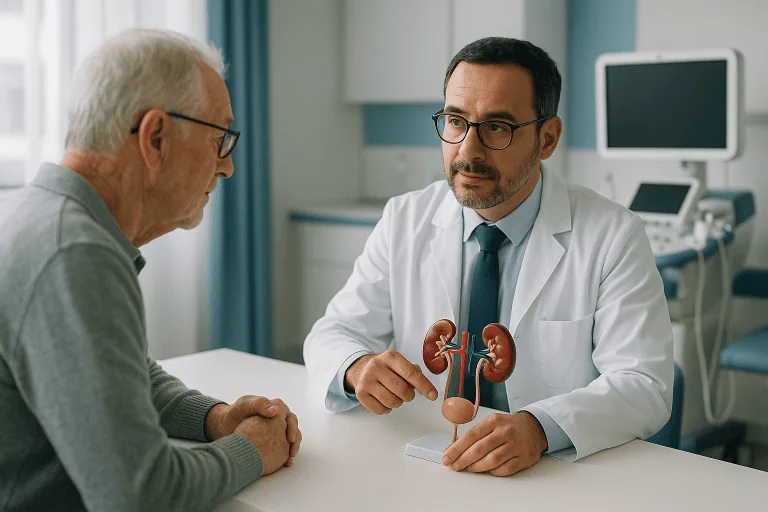
Diagnosis begins with a detailed consultation. The urologist asks about symptoms and their timing, fluid intake, medications, prior infections, surgeries, pregnancies, sexual health, smoking history, occupational exposures, neurological conditions and family history. A urine test is usually one of the first steps. Depending on the picture, testing may extend to urine culture, blood tests, ultrasound, CT or MRI imaging, cystoscopy, urine cytology, uroflowmetry, post-void residual measurement or urodynamic testing. For suspected tumours, direct visualisation of the bladder and tissue sampling are usually needed to establish a diagnosis, imaging alone rarely settles the question.
People often pursue a fresh evaluation, or a second opinion, when symptoms have become long-standing or previous treatment has not delivered enough relief. Common scenarios include recurrent urinary tract infections despite multiple antibiotic courses, persistent urgency and leakage, bladder stones that keep returning, blood in the urine with no clear cause, urinary retention, suspected bladder cancer, or a wish to review the options before committing to surgery. A comprehensive re-evaluation protects against both undertreatment, missing a tumour or an obstructed kidney, and overtreatment, such as surgery for leakage that pelvic floor therapy could have improved.
Conditions Treated in Bladder Disease Care
Urinary Tract Infections
Urinary tract infections may involve the bladder, the kidneys or, in men, the prostate. A simple bladder infection can usually be treated quickly with culture-guided antibiotics. Recurrent or complicated infections are different: they require a deliberate search for contributing factors such as stones, incomplete bladder emptying, anatomical narrowing, catheter use, diabetes, immune suppression or resistant bacteria. Treating each recurrence as an isolated episode, without asking why the infections keep coming back, is one of the most common gaps in bladder care. Where bacteria prove resistant or the infection pattern is unusual, urologists often work alongside an infectious diseases department to guide antibiotic selection and prevention strategy.
What Are Cystitis Symptoms?
Cystitis symptoms typically include burning or stinging when urinating, needing to urinate more often and more urgently, cloudy or strong-smelling urine, lower abdominal discomfort and sometimes blood in the urine. In a straightforward infection these symptoms develop over hours to days and settle with treatment. When cystitis symptoms recur repeatedly, persist despite antibiotics, or occur with consistently negative urine cultures, the working diagnosis needs to be questioned: the same complaints can be produced by stones, tumours, overactive bladder or interstitial cystitis, and each of these is managed entirely differently.
Bladder Stones
Bladder stones are hard mineral formations that develop when urine is concentrated or the bladder does not empty well. They can cause pain, infection, blood in the urine or blockage of urine flow, and they are more common in people with bladder outlet obstruction, neurogenic bladder, long-term catheter use or foreign bodies in the urinary tract. Treatment usually involves fragmenting and removing the stone through an endoscopic approach, passed through the natural urinary channel without external incisions in most cases. Just as important is addressing the reason the stone formed, if obstruction or chronic retention is left untreated, new stones tend to follow.
Urinary Incontinence and Overactive Bladder
Incontinence and overactive bladder are among the most common reasons people consult a urologist, and among the most undertreated, because many patients assume leakage is simply part of ageing. Overactive bladder is characterised by urgency, frequency and sometimes urgency incontinence; it may occur without an obvious structural problem, or be associated with neurological disease, bladder irritation, infection or previous pelvic surgery. Urinary incontinence itself has several distinct types, stress, urgency, mixed, overflow and functional incontinence, and the treatment depends entirely on the mechanism. A woman who leaks when coughing or exercising needs a different approach from a man who leaks because his bladder never empties, or from a patient whose bladder contracts involuntarily. Pelvic floor problems also rarely travel alone: patients with urinary leakage sometimes have coexisting bowel control problems, and fecal incontinence is assessed and treated through related pelvic floor pathways.
Interstitial Cystitis (Bladder Pain Syndrome)
Interstitial cystitis, also called bladder pain syndrome, is a chronic condition that causes pelvic pain, urinary frequency and discomfort linked to bladder filling, typically pain that builds as the bladder fills and eases briefly after voiding. It is not an infection, and antibiotics do not treat it. Diagnosis usually requires excluding infection, stones, tumours and other pelvic disorders first, which is why many patients carry the diagnosis only after a long and frustrating search. Acibadem provides a dedicated page on interstitial cystitis covering the condition in greater depth; the essentials are summarised below.
What Are Interstitial Cystitis Symptoms?
Interstitial cystitis symptoms include chronic pelvic or bladder pain, pressure or discomfort lasting months, urinary frequency during the day and night, urgency driven by pain rather than by fear of leakage, and pain that worsens as the bladder fills. Some people also notice pain during or after sexual activity. Symptoms fluctuate: many patients have quieter periods interrupted by flares. Unlike infectious cystitis symptoms, these complaints persist despite negative urine cultures: that mismatch between symptoms and test results is often the first real diagnostic clue.
What Causes an Interstitial Cystitis Flare?
Flares are commonly triggered by dietary irritants, often acidic or caffeinated drinks, alcohol, artificial sweeteners or spicy food, as well as stress, hormonal changes, prolonged sitting, sexual activity, tight pelvic floor muscles, constipation or an unrelated urinary infection layered on top of the condition. Triggers vary considerably between individuals, which is why urologists frequently ask patients to keep a symptom and food diary rather than handing out a universal banned list. Identifying your personal triggers is one of the few interventions that costs nothing and reliably helps.
What Does an Interstitial Cystitis Flare Feel Like?
A flare typically feels like a sharp worsening of the baseline condition: burning or aching bladder and pelvic pain, a bladder that seems to fill within minutes of emptying, an unrelenting need to urinate small amounts, disturbed sleep from night-time voiding, and sometimes pain radiating to the urethra, lower back or inner thighs. Many patients describe it as similar to a severe urinary infection, but with a negative urine test. Flares can last hours to weeks and usually settle back towards the individual’s baseline.
What Are the Treatment Options for Interstitial Cystitis?
Treatment for interstitial cystitis is stepwise, starting with the least invasive options and escalating only when needed. First-line measures include trigger identification, dietary adjustment, stress management, bladder training and pelvic floor physical therapy, particularly valuable when pelvic muscle tension contributes to the pain. Oral medications may be used to modify pain signalling or support the bladder lining. Bladder instillations deliver medication directly into the bladder through a temporary catheter. For selected patients, cystoscopy under anaesthesia with bladder distension, treatment of specific bladder-wall lesions where present, bladder injections or nerve modulation therapies may be considered. There is no single treatment that works for everyone, and honest care means expecting some trial and adjustment: most patients end up on a combination of measures tailored over several visits rather than a single fix.
Bladder Tumours
Bladder tumours range from low-risk superficial growths to aggressive cancers that invade the bladder’s muscle layer. Warning signs may include visible blood in the urine, microscopic blood found on testing, urinary urgency, or irritative symptoms that do not resolve. Care may involve transurethral resection, intravesical therapies placed directly into the bladder, systemic treatment, radiation therapy or major surgery, depending on tumour characteristics. Because recommendations hinge on precise staging and grading, review of pathology and imaging is especially valuable before major decisions. The dedicated bladder cancer page covers diagnosis, staging and treatment sequencing in detail.
Urinary Retention and Neurogenic Bladder
Urinary retention, the inability to empty the bladder fully or at all, can result from obstruction, weak bladder muscle, medication effects or nerve dysfunction. Neurogenic bladder describes bladder dysfunction caused by neurological disease or injury, and it can produce retention, leakage, high bladder pressures or combinations of all three. These conditions matter beyond their symptoms because sustained high pressure or chronic residual urine can put the kidneys at risk. Management may include catheterisation strategies, medication, treatment of the obstruction, or procedures that lower bladder pressure, chosen after urodynamic assessment rather than by symptoms alone.
How Bladder Disease Treatment Is Performed
Preparation and Initial Assessment
Preparation begins well before any procedure is considered. Existing medical records, imaging reports, laboratory results, operative notes, pathology reports and medication lists are reviewed whenever available, with translation support arranged where needed for patients whose records are in another language. The urologist then decides which tests should be repeated, updated or added, particularly important when symptoms have changed since earlier testing, when prior results are incomplete, or when cancer is suspected and pathology needs independent review.
During the clinical visit, the care team performs a physical examination and requests urine and blood tests as needed. A bladder diary is often recommended for patients with frequency, urgency or leakage: a simple record of fluid intake, urination times, leakage episodes and triggers that frequently reveals patterns a single consultation would miss. For suspected infection, urine culture identifies the bacteria and guides antibiotic choice. For blood in the urine, imaging and cystoscopy evaluate the bladder, kidneys and ureters. For suspected incomplete emptying, ultrasound measures how much urine remains after voiding.
Medication review is part of preparation, because some medicines increase urination, affect bladder emptying or raise bleeding risk before procedures. Any adjustment to blood thinners, diabetes medication, immune-suppressing drugs or long-term antibiotics is decided and directed by the treating doctors as part of the procedural plan, never something a patient should change independently. If anaesthesia is planned, a pre-anaesthesia evaluation assesses heart, lung and general health risks beforehand.
Diagnostic Tests and Technologies
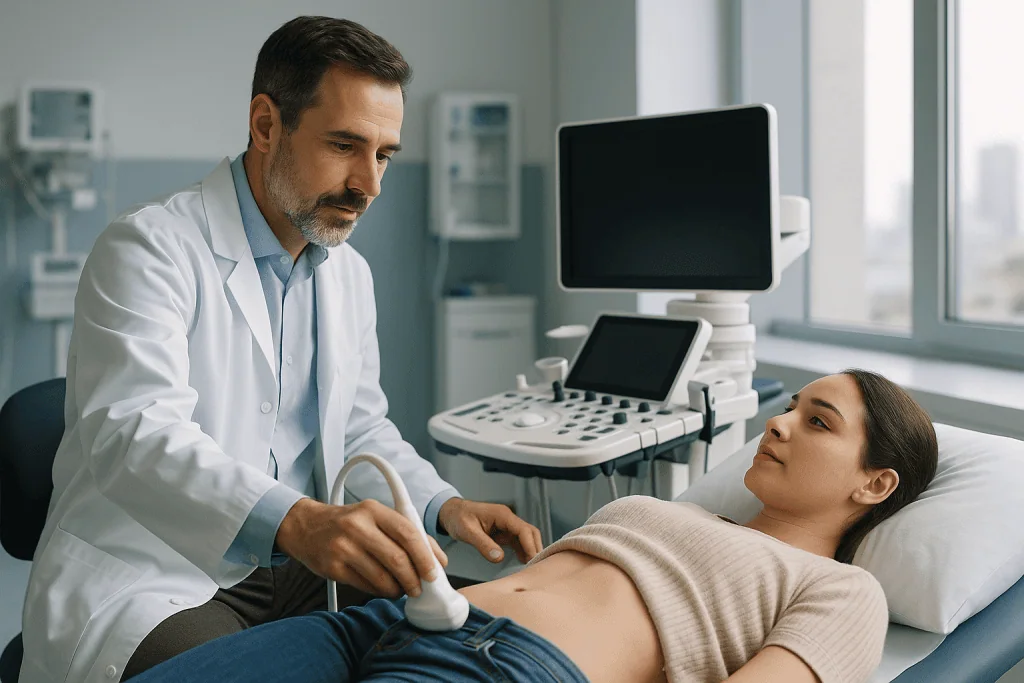
Bladder diagnosis draws on several technologies, selected according to symptoms and risk level rather than applied wholesale. Ultrasound assesses the bladder, kidneys, prostate size in men, residual urine, and sometimes stones or masses. CT imaging is used to evaluate stones, tumours, obstruction or blood in the urine. MRI helps define pelvic anatomy and the extent of certain tumours. Laboratory testing supports the diagnosis of infection, kidney function, inflammation and general readiness for treatment. Where kidney involvement is suspected, evaluation may extend towards the kidney itself, conditions such as tubulointerstitial diseases sit within nephrology pathways that run alongside urological care.
Cystoscopy is one of the most important tools in bladder care. A thin camera is passed through the urethra to view the inside of the bladder directly. Flexible cystoscopy is usually performed with local anaesthetic gel in an outpatient setting and takes a matter of minutes; rigid cystoscopy is used in the operating theatre, particularly when biopsy, stone treatment or tumour removal is planned in the same session. Enhanced visualisation methods may be used in selected cases to help identify suspicious changes in the bladder lining more clearly than standard white-light inspection.
Urodynamic testing evaluates how the bladder stores and releases urine, measuring bladder pressure, capacity, sensation, urine flow and sphincter function. It is most useful in complex incontinence, neurological bladder problems, unexplained retention, and cases where surgery is being considered and the surgeon needs to understand the mechanism before operating. On the treatment side, endoscopic instruments, laser and energy-based stone fragmentation tools, tissue resection systems, imaging-guided procedures and minimally invasive surgical platforms are used where intervention is required. The purpose of the technology is specific: improve diagnostic accuracy, reduce unnecessary tissue injury, and support a safer recovery.
Treatment Approaches by Condition
For infections, treatment is guided by whether the infection is simple, recurrent, complicated or resistant. Antibiotics are chosen on the basis of urine culture wherever possible. Prevention strategies may include hydration guidance, addressing incomplete emptying, managing vaginal and hormonal changes after menopause, reviewing catheter practices, and evaluating for stones or obstruction. The principle is consistent: recurrent infections are a signal to investigate, not merely to re-prescribe.
For overactive bladder, care usually begins with behavioural strategies, bladder training, timed voiding, reducing bladder irritants, managing constipation, combined with pelvic floor therapy. Medications can calm involuntary bladder contractions or improve storage. If symptoms remain severe despite these measures, advanced options such as bladder injections or nerve modulation therapies may be considered. These decisions are individualised according to age, neurological status, other medications, side-effect profiles and the patient’s own priorities.
For incontinence, treatment follows the type. Stress incontinence may respond to pelvic floor rehabilitation, pessary support in some women, or surgical procedures that support the urethra. Urgency incontinence is treated along the same lines as overactive bladder. Overflow incontinence requires assessment for obstruction or a weak bladder muscle before any treatment makes sense. In men, prostate enlargement, prior prostate surgery, urethral narrowing or neurological disease shape the plan; in women, pelvic organ prolapse and the effects of childbirth or previous surgery are often relevant.
For bladder stones and bladder tumours, endoscopic surgery is the usual route, and the sequence is broadly similar:
- Anaesthesia is administered, general or spinal, depending on the case and the patient’s health.
- An endoscope is passed through the urethra into the bladder; no external incision is made.
- For stones, the stone is fragmented with laser or mechanical energy and the pieces are removed. For tumours, the visible tumour tissue is resected in a procedure known as transurethral resection of bladder tumour (TURBT) and sent to pathology.
- A urinary catheter may be placed temporarily to allow the bladder to rest and drain.
- For tumours, the pathology report then determines type, grade and depth of invasion, and whether further treatment is needed, such as medication instilled into the bladder, repeat resection, systemic therapy, radiation therapy or, in selected muscle-invasive cases, surgery to remove the bladder.
Higher-risk tumour cases benefit particularly from multidisciplinary review, where urologists, medical oncologists, radiation oncologists, radiologists and pathologists evaluate the imaging, pathology and treatment sequencing together before a recommendation is made.
Typical Duration and Recovery
The length of treatment varies widely. A consultation and basic testing may be completed within a day, while complex evaluation can take several days when imaging, cystoscopy and urodynamics all need to be scheduled. Office cystoscopy itself is brief, though the visit includes preparation and observation time. Endoscopic procedures such as stone removal or tumour resection may take under an hour in straightforward cases and longer in complex ones. Hospital stay depends on the procedure, the anaesthesia used, bleeding risk, catheter needs and overall health: many diagnostic and minor therapeutic procedures are outpatient or short-stay, while major cancer surgery involves longer hospitalisation and a structured recovery.
Recovery follows the same logic. After cystoscopy, mild burning, temporary frequency or small amounts of blood in the urine can occur for a short period. After stone removal or tumour resection, patients may have a catheter for a few days, temporary urinary urgency, and activity restrictions until the bladder lining heals. After incontinence surgery or major bladder surgery, recovery is more structured, with follow-up visits, catheter care where needed, wound care and a gradual return to daily activities. Patients who have travelled for treatment are advised on when flying is reasonable, which symptoms the surgical team wants reported during healing, and how follow-up can be coordinated with doctors at home.
Why Acting Early Matters
Bladder symptoms are often ignored because they are embarrassing, intermittent or assumed to be a normal part of ageing. Early evaluation matters because most bladder diseases are simpler to treat before complications develop. A urinary infection that ascends to the kidneys becomes a more serious illness. Repeated infections can contribute to scarring, resistant bacteria and a steadily shrinking quality of life. Bladder stones can enlarge, bleed, trigger infection or obstruct urine flow. Chronic incomplete emptying raises pressure inside the bladder and, over time, can affect the kidneys.
Incontinence and overactive bladder carry consequences beyond inconvenience. Patients often reduce social activity, restrict fluids excessively, sleep badly, or develop skin irritation and recurrent infections. Older adults face increased fall risk when rushing to the bathroom at night. Prompt assessment identifies treatable causes while the condition is still easy to influence, rather than after habits, complications and frustration have accumulated.
Blood in the urine deserves particular respect, even when it appears once and disappears. Infections, stones and benign prostate conditions can all cause bleeding, but so can bladder tumours, and a single painless episode of visible blood is a recognised presenting sign of bladder cancer. Earlier diagnosis widens the range of treatment options and improves the chance that the bladder can be preserved; delayed evaluation risks allowing disease to progress to the point where treatment must be more intensive. The same logic applies to chronic pelvic pain: the sooner interstitial cystitis is correctly identified, the sooner ineffective antibiotic cycles stop and targeted management begins.
Benefits of Bladder Disease Treatment
The benefits depend on the diagnosis, but effective bladder care can relieve symptoms, prevent complications and clarify long-term health risks. The table below summarises what a properly conducted pathway offers.
| Benefit | What It Means for You |
|---|---|
| Accurate diagnosis | Testing distinguishes infection, stones, functional bladder disorders, obstruction, interstitial cystitis and tumours, so treatment targets the real cause. |
| Relief of urinary symptoms | Many patients experience improvement in urgency, frequency, pain, leakage or difficulty emptying when therapy is matched to the condition. |
| Reduced risk of recurrence | Identifying contributing factors, stones, incomplete emptying, resistant bacteria, helps reduce repeated episodes rather than merely treating each one. |
| Protection of kidney and bladder function | Treating obstruction, retention, infection or high bladder pressure helps prevent damage further up the urinary tract. |
| Earlier cancer detection when present | Evaluation of blood in the urine or suspicious findings leads to timely biopsy, staging and treatment planning. |
| Improved daily comfort and confidence | Better bladder control supports sleep, travel, work, exercise and social life with less disruption. |
Recovery Timeline After Bladder Disease Treatment
Recovery varies by treatment type, but the following timeline describes what many patients can generally expect after common diagnostic or endoscopic bladder procedures. Major reconstructive or cancer surgery follows a longer, individually planned course.
| Time Period | What Patients Can Expect |
|---|---|
| Day 1 | Mild burning, urgency or blood-tinged urine may occur after cystoscopy or endoscopic treatment. Some patients go home the same day; others stay for observation. |
| First week | Symptoms usually improve gradually. A catheter, if placed, may be removed during this period. Patients are typically advised on fluid intake and asked to avoid strenuous activity until cleared. |
| First month | Follow-up may include urine testing, pathology review, medication adjustment, or discussion of further treatment such as bladder instillation therapy, pelvic floor therapy or additional imaging. |
| Longer term | Patients with recurrent infections, stones, incontinence, overactive bladder, interstitial cystitis or tumours may need scheduled monitoring and prevention strategies to maintain results and detect recurrence early. |
Factors That Influence Outcomes
Outcomes in bladder disease care depend on the underlying diagnosis, how long symptoms have been present, and what other conditions travel alongside. A young, healthy patient with a simple infection has a different outlook from an older patient with recurrent infections, diabetes, incomplete emptying and bladder stones. Incontinence outcomes depend on the type of leakage, pelvic floor strength, prior surgeries, body weight, neurological health and how consistently therapy is followed.
For overactive bladder, improvement is typically best when behavioural measures and medication are used consistently and adjusted over time; some patients respond quickly, others need a staged approach across several visits. For interstitial cystitis, progress is often gradual because symptoms are influenced by pelvic floor tension, diet, stress, pain sensitisation and overlapping pelvic disorders. A realistic plan, regular follow-up and careful monitoring of side effects matter more here than any single intervention, and expecting steady management rather than instant resolution is part of setting the treatment up to succeed.
For bladder stones, a good result depends not only on removing the stone but on preventing the next one. If urinary retention, prostate enlargement, catheter problems or neurogenic bladder are left unaddressed, stones tend to return. For recurrent infections, culture-guided treatment and investigation of contributing factors are essential, especially when bacteria are resistant to common antibiotics.
For bladder tumours, outcome is strongly influenced by tumour stage, grade, number, size, recurrence pattern, response to intravesical therapy where used, and overall health. Complete resection, accurate pathology, appropriate staging and timely follow-up are the foundations. Some tumours require long-term cystoscopic surveillance because recurrence can occur even after a successful initial treatment: a fact worth knowing before treatment begins, because surveillance is part of the commitment, not an optional extra. In higher-risk cases, multidisciplinary discussion balances cancer control, bladder preservation, urinary function and quality of life.
Patient participation shapes results across every diagnosis. Following medication instructions as prescribed by the treating doctor, attending follow-up appointments, keeping the care team informed about symptoms during healing, maintaining hydration as advised, avoiding smoking, managing constipation, and completing pelvic floor exercises where prescribed all influence recovery and long-term control. For patients who travel for treatment, coordination between the treating team and local physicians after returning home supports continuity, pathology reports, operative notes and follow-up schedules are prepared so that a doctor at home can pick up the plan without gaps.
Bladder Disease Care at Acibadem
Patients considering bladder disease treatment away from home usually want more than an appointment with a single specialist. They need a reliable diagnostic process, clear communication, careful planning around travel, and access to further levels of care if the diagnosis turns out to be more complex than expected. At Acibadem, bladder care sits within hospital urology teams that work alongside radiology, pathology, anaesthesiology, oncology, gynaecology, nephrology, infectious diseases and rehabilitation services when the case requires it.
This multidisciplinary structure matters most for patients with blood in the urine, suspected bladder cancer, complicated infections, recurrent stones, neurogenic bladder or previously unsuccessful treatment. Complex cancer cases can be reviewed through tumour boards, where different specialists evaluate imaging, pathology, treatment sequencing and surgical options together. This does not replace the personal relationship with the urologist; it strengthens the plan by bringing the relevant expertise to the table before decisions are made.
Diagnostic pathways may include advanced imaging, high-resolution endoscopic evaluation, laboratory testing, urodynamic assessment, pathology review and minimally invasive treatment options where appropriate. Technology serves precision rather than spectacle: imaging defines anatomy and disease extent, endoscopy allows direct visualisation and treatment through the natural urinary passage, energy-based tools fragment stones or remove abnormal tissue, and urodynamic systems explain complex bladder function. The specific tools are selected according to the individual condition, not applied as a one-size-fits-all package.
Experienced physicians remain central, because many bladder decisions require judgement rather than protocol. A urologist must decide when antibiotics are enough and when further evaluation is needed; when leakage is best treated with therapy, medication, injection or surgery; when a bladder tumour requires repeat resection or additional therapy; and when urinary retention needs urgent intervention. Personalised treatment plans weigh medical history, age, kidney function, travel limitations, prior procedures, personal preferences and the expected recovery period. For patients arriving from abroad, international coordination teams handle the practical layer, appointment sequencing, medical record transfer, interpreter support and admission logistics, so that several tests and consultations can be organised within a limited travel window while the clinical focus stays on quality and safety.
Second opinions are a routine part of this work. Before committing to long-term medication, repeated antibiotics, incontinence surgery, stone treatment or cancer surgery, an independent review can confirm the diagnosis, clarify whether additional tests are needed, compare the options honestly, or identify a less invasive approach where one exists. In bladder cancer specifically, re-review of pathology and imaging is often the single most valuable step, because every downstream recommendation depends on precise staging and grading.
Moving Forward
Bladder diseases can be uncomfortable, disruptive and sometimes worrying, but they are also among the conditions where a careful evaluation makes a measurable difference to daily life. Whether your symptoms point towards infection, stones, overactive bladder, incontinence, interstitial cystitis, urinary retention or a bladder tumour, the first and most important step is the same: understand the cause before treating the symptom. From there, treatment can be planned in a way that is medically appropriate, practical for your circumstances and honest about what it can and cannot achieve, resolution where resolution is possible, and durable, well-monitored control where it is not.
Preparation
- Patients may need urine tests, blood tests, ultrasound, CT, MRI or cystoscopy before treatment planning. Bring previous medical reports, medication lists and details of urinary symptoms. Some procedures may require fasting or temporary adjustment of blood thinners as advised by the doctor.
Aftercare
- Aftercare depends on the diagnosis and may include medication, hydration guidance, bladder training or follow-up imaging. Patients should report fever, severe pain, blood clots in urine or inability to urinate promptly. Regular urology follow-up helps monitor recurrence and treatment response.
Frequently Asked Questions
What affects the cost of bladder disease treatment?
The main factors are the diagnosis, required tests, whether treatment is medical or procedural, anesthesia needs, hospital stay, pathology, follow-up and any long-term medication or catheter care. A urologist must review your symptoms and test results before a reliable estimate can be prepared.
How can I get a personalised quote from Acibadem?
You can request a free consultation and share your symptoms, previous reports, urine tests, imaging, cystoscopy notes or pathology results if available. The international patient team can help arrange a urology review and prepare a personalised treatment and cost plan.
Is a package price available for bladder disease care in Turkey?
A package may be possible when the diagnosis and planned treatment are clear. For broad symptoms or suspected tumors, the quote may be staged because diagnosis, pathology and specialist decisions can change the treatment plan.
Why can the final cost change after arrival?
The final cost may change if additional imaging, cystoscopy, biopsy, culture tests, pathology review, anesthesia, hospital stay or a different procedure becomes medically necessary. Your care team should explain any change before proceeding whenever possible.
Does international patient support affect the overall experience?
Yes. Coordination for appointments, translation, hospital admission, follow-up planning, transfers and accommodation guidance can make the care pathway easier for international patients. These services should be clarified when requesting a quote.
Is this information medical or financial advice?
No. This is general information only. Diagnosis, treatment suitability and cost planning should be confirmed through a specialist consultation and a personalised quote.
Medically reviewed by the Acıbadem International Medical Board September 1, 2026
See our medical review board →
Update history
- PublishedJune 8, 2026
- Medical review approvedSeptember 1, 2026
- Last content updateSeptember 8, 2026
References2
- Bladder Diseases medlineplus.gov
- Bladder Cancer Treatment (PDQ) - Patient Version cancer.gov
Trusted care for international patients
From the Acibadem Blog

Cystoscopy, CT or MRI for Bladder Diseases: Which Test Is Ordered and What It Reveals?
For most bladder problems, cystoscopy is the test that lets a doctor look directly at the bladder lining, while CT and MRI show what…