Buccal Fat Removal
Buccal fat removal is a facial contouring procedure that reduces cheek fullness by removing part of the buccal fat pads, creating a more defined mid-face and jawline.
Quick answer
Buccal fat removal is a facial contouring operation that removes part of the buccal fat pad, a deep pocket of fat in the lower cheek. Through a small incision inside the mouth, a surgeon takes out a measured portion of this fat to sharpen the transition between cheekbone and jawline. It is usually a short outpatient procedure, leaves no external facial scar, and the removed fat does not grow back.
What Is Buccal Fat Removal?
Buccal fat removal is a surgical procedure that reduces a portion of the buccal fat pad, a naturally occurring compartment of fat that sits deep in the lower part of each cheek. It is intended for healthy adults whose lower-cheek fullness remains out of proportion with the rest of the face even at a stable body weight, and its purpose is to make the natural hollow beneath the cheekbone slightly more visible. You may also see the operation called buccal lipectomy or cheek reduction surgery; all three names describe the same procedure.
Interest in buccal fat removal has grown quickly in recent years, and a significant share of that interest is international. Many patients research buccal fat removal in Turkey as part of a planned treatment trip, combining the operation with a short recovery stay before flying home. That can work well when the trip is organised around clinical needs rather than around a holiday itinerary. This page explains what the procedure involves, who it genuinely suits, how recovery unfolds, what determines cost, and how the pathway typically runs for a patient travelling to Turkey.
One point deserves stating at the outset. Buccal fat removal does not treat loose skin, jowls, a double chin, enlarged jaw muscles, or facial swelling caused by dental, sinus or medical conditions. It changes one specific deep fat compartment and nothing else. Patients whose concern lies elsewhere need a different plan, and an honest assessment will say so plainly.
What is buccal fat pad removal?
Buccal fat pad removal is simply the fuller name for the same operation, and the phrase points to the anatomy involved. The buccal fat pad, sometimes called Bichat’s fat pad in older medical texts, is a distinct, encapsulated pocket of fat lying between the muscles of the cheek, below the cheekbone and above the jawline. It is present in everyone. Its size is shaped by genetics, anatomy, age and overall facial structure, and it does not reliably shrink with weight loss the way subcutaneous fat elsewhere in the body often does.
Because the pad is a defined anatomical structure rather than a diffuse layer, a surgeon can access it through a small opening inside the mouth and remove a measured portion without cutting the skin of the face. That is what makes the procedure comparatively contained: the incision is internal, the target is specific, and the surrounding muscles and skin are left in place.
How do you pronounce buccal?
If you have typed b u c c a l letter by letter into a search bar, you are in good company: the word confuses many people. It comes from the Latin bucca, meaning cheek, and it is pronounced like “buckle”. Anything described as buccal in medicine relates to the cheek or the inside of the mouth, which is why the deep cheek fat compartment carries the name.
Is buccal fat removal permanent?
Yes, in one specific sense: the portion of buccal fat that is removed does not grow back. The buccal fat pad does not regenerate the way some tissues do, so the reduction itself is lasting. That permanence cuts both ways, however. If too much fat is removed, the resulting hollowness is also lasting, and it can become more pronounced as the face naturally loses volume with age. Facial appearance continues to change over a lifetime, weight fluctuates, skin elasticity declines, and fat compartments shift, so the operated face will not look identical at fifty to how it looked at thirty. This is precisely why responsible surgeons remove fat conservatively and why the amount taken must be individualised rather than standardised.
A Personal Decision About Facial Balance
Fullness in the lower cheeks is a defining facial feature, and whether it is welcome depends entirely on the person. For some, it creates a soft, youthful look they value. For others, persistent cheek roundness feels out of proportion with the rest of the face, particularly when weight is stable and the cheekbones or jawline are less visible than they would like. The decision to change that is personal, and it is rarely as simple as wanting a thinner face.
Most people weighing this procedure carry sensible worries alongside their goals. They wonder whether they will look unnatural, hollow, older, or unlike themselves. They wonder whether diet, exercise or time might change their cheek shape without surgery. These are the right questions to ask. Buccal fat pads are set largely by anatomy and genetics, and they do not always respond meaningfully to weight loss, but the answer differs from face to face, which is why a careful examination matters more than a general rule.
Facial contouring should be guided by proportion, not by trends. Fashion in faces changes; surgical removal of deep fat does not reverse. The aim of a well-planned buccal fat removal is not to make every face narrower. It is to create a refined, balanced contour in appropriately selected patients while preserving the character that makes a face recognisably theirs. At Acibadem, plastic and aesthetic surgery assessments consider the whole face rather than a single area: cheek structure, skin quality, facial width, jawline definition, age-related volume change, weight stability, and the individual features worth protecting. That whole-face view is what determines whether this operation is likely to help, whether another treatment fits better, or whether no surgery at all is the wiser course.
Who Is a Good Candidate for Buccal Fat Removal?
The best candidates are healthy adults with genuine, persistent lower-cheek fullness that stays disproportionate to their facial frame despite a stable body weight, and who have enough overall cheek volume and skin quality to support a balanced result. Candidacy is about anatomy and expectations together, and neither can be judged from a mirror alone.
Because this is an aesthetic operation, most patients do not have medical symptoms in the usual sense. Instead they describe concerns: a round or “baby-faced” appearance, cheeks that look fuller in photographs than in person, limited definition beneath the cheekbones, or a face that seems wider than the jawline and chin suggest it should be. Some feel their lower cheeks obscure naturally high cheekbones that would otherwise show.
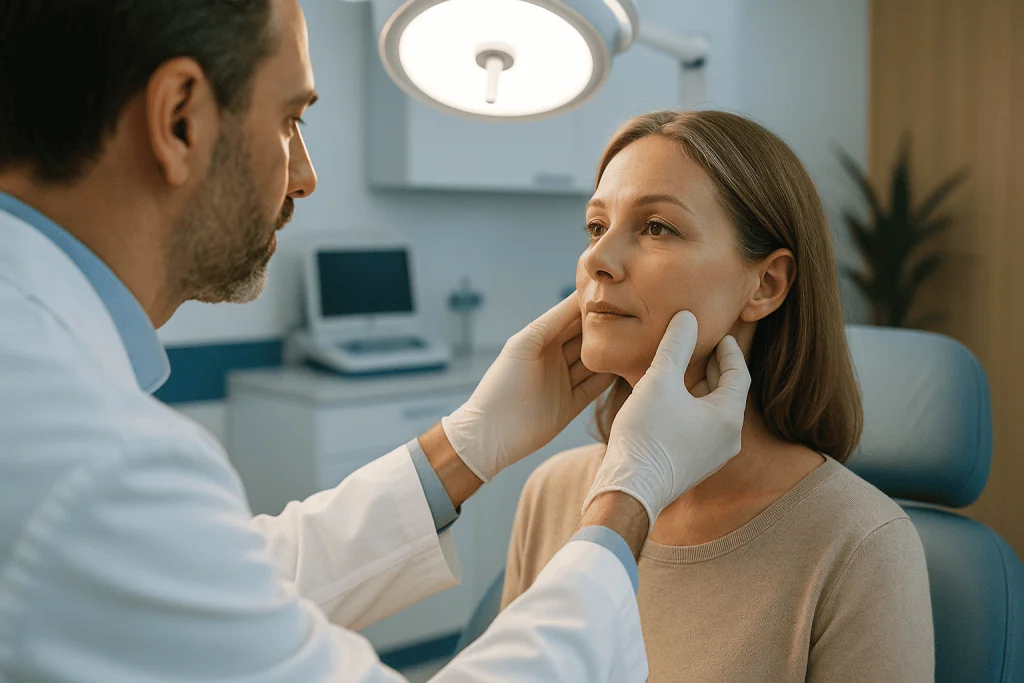
An assessment begins with a detailed conversation about your goals, health history, medications, smoking or nicotine use, previous facial procedures, weight history and expectations. The surgeon then examines facial proportions from multiple angles, the relationship between cheekbones, lower cheeks, jawline, chin, lips and nose, and photographs are usually taken to support planning and an honest conversation about what is realistically achievable.
Is there a test that confirms excess buccal fat?
No. There is no scan or laboratory test that diagnoses “excess buccal fat”; the assessment is clinical and aesthetic, made by direct examination of the face. That said, certain findings change the picture. Facial asymmetry that has appeared suddenly, unexplained swelling, pain, dental problems, jaw symptoms or unexplained changes in facial volume all warrant proper evaluation before any cosmetic surgery is considered. In such cases a dental specialist, an oral and maxillofacial surgeon, a dermatologist or another relevant physician may need to assess the underlying cause first.
Who should avoid buccal fat removal?
People with naturally narrow faces, visible cheek hollows, marked skin laxity, low body fat or age-related volume loss carry a higher risk of looking overly gaunt after surgery, because the face tends to lose volume further with time. The procedure may also be unsuitable for people with untreated medical conditions, active oral infections, significant bleeding disorders, unrealistic expectations, or an inability to pause smoking and nicotine use around the operation as their surgical team advises.
Weight stability matters too. Patients still going through major weight changes are usually advised to wait until their weight has been steady for a meaningful period, weight loss may reduce facial fullness on its own, while later weight gain can alter the contour surgery created. Surgeons also approach younger adults with particular caution, because facial features and soft-tissue volume continue to evolve well into adulthood, and a face that looks full at twenty-two may slim considerably by thirty without any intervention.
Can You Lose Face Fat Without Surgery?
How to lose face fat is one of the most searched questions in facial aesthetics, and the honest answer is: partly, sometimes, and not selectively. If your facial fullness reflects overall body fat, then losing weight through diet and activity will usually slim the face along with everything else: the face cannot be targeted on its own, because the body decides where fat comes off. If your fullness comes chiefly from the buccal fat pad, weight loss often changes it far less than people expect, because this deep compartment behaves differently from the subcutaneous fat under the skin.
Searches such as “how to get rid of face fat” or the shorthand how to get rid fat on face usually lead to advice about facial exercises, massage tools, or so-called slimming devices. None of these has a credible mechanism for shrinking the buccal fat pad. Facial exercises may build muscle tone, but they do not remove deep fat, and in some faces added muscle bulk can make the lower face look wider rather than slimmer.
There are also non-fat causes of a full-looking face worth ruling out before anyone considers surgery: fluid retention, enlarged masseter (jaw) muscles from clenching or grinding, salivary gland changes, medication effects and hormonal conditions can all add width or roundness. Each of these has its own appropriate management, and none of them is treated by removing buccal fat. This is one of the strongest arguments for a proper clinical assessment: it separates the fullness that surgery can address from the fullness it cannot, before any irreversible step is taken.
Concerns Buccal Fat Removal Can and Cannot Address
Buccal fat removal is an aesthetic contouring procedure rather than a treatment for disease. In appropriately selected patients, it may improve the appearance of:
- Persistent fullness in the lower cheeks despite stable body weight
- A rounded mid-face that appears out of proportion with the cheekbones or jawline
- Limited definition in the area beneath the cheekbones
- A facial contour that appears broad or soft in photographs and profile views
- Subtle imbalance between full cheeks and a relatively defined chin or jawline
- Asymmetry related to differences in the size or position of the buccal fat pads, when clinically appropriate
It does not replace treatment for obesity or for generalised facial fullness linked to weight gain, and it does not address swelling caused by inflammation, dental infection, salivary gland disease, medication effects or hormonal conditions. It also does not tighten sagging skin. If jowling or laxity is the main concern, removing deep cheek fat alone is unlikely to produce the hoped-for result and can actually make volume loss more visible.
How does it compare with fillers, jaw injections or a facelift?
These treatments work on different anatomy, so they are not interchangeable. Dermal fillers add volume or structural support to selected areas: the opposite direction of travel from fat removal, though the two are sometimes discussed together when the goal is contrast between cheekbone and hollow. Neuromodulator injections can slim the lower face in patients whose width comes from enlarged jaw muscles rather than fat. Skin-tightening treatments may modestly improve laxity and texture. Surgical lifting procedures reposition deeper tissues and remove excess skin. Buccal fat removal does one thing: it reduces a specific deep fat compartment in the mid-cheek. A specialist examination is what sorts out which of these, if any, matches your anatomy and your goal. Sometimes the right recommendation is a different procedure; sometimes it is none.
How Buccal Fat Removal Is Performed
Buccal fat removal is usually an outpatient procedure. Depending on the surgical plan, your preference and whether other procedures are being performed at the same time, it may be done under local anaesthesia with sedation or under general anaesthesia. Your surgical team explains the recommended option, fasting instructions, any medication adjustments, and the requirement to have transport and support arranged for after surgery.
Preparation before surgery
Preparation starts with a comprehensive consultation and medical review. The surgeon may request laboratory tests or medical clearance depending on your age, health history, medications and the anaesthesia plan. Tell the team about every prescription medicine, over-the-counter product, herbal supplement, allergy, previous operation and prior injectable or surgical facial treatment, some medicines and supplements affect bleeding or anaesthesia, and your treating physician will give you individual instructions about what to stop, continue or adjust. How this is coordinated in practice is described in the guide to how medicines are managed before and after treatment at Acibadem.
Smoking, vaping and nicotine products impair healing and raise surgical risk, so patients are typically asked to stop for the period their surgical team advises, both before and after the operation. Alcohol may also need to be avoided in the days beforehand. Because the surgery is performed through the mouth, oral health matters more than many patients expect: any active dental infection, gum disease, mouth ulcer or oral inflammation should be assessed and treated first. It is also practical to stock soft foods for the first few days and to have a responsible adult with you after sedation or general anaesthesia.
The procedure step by step
- Anaesthesia. Local anaesthesia with sedation or general anaesthesia takes effect, according to the agreed plan.
- Internal incision. The surgeon makes a small incision inside the cheek, typically in the upper inner cheek towards the back of the mouth. This gives access to the fat pad with no cut on the skin of the face.
- Identifying the fat pad. With gentle external pressure on the cheek, the surgeon identifies the buccal fat pad through the internal opening, working carefully around the facial muscles, the salivary duct and branches of the facial nerve that pass through this region.
- Measured removal. Only a controlled portion of the fat is released and removed. This is the most consequential stage of the operation: enough must remain to preserve natural contour now and to allow for the volume the face will lose with age.
- Closure. The incision is closed with absorbable sutures where needed, so there is usually nothing to remove later. The remaining fat settles naturally within the cheek.
- The other side. The process is repeated on the opposite cheek, with adjustments for the natural asymmetry that almost every face carries.
Performed on its own, the operation itself often takes less than an hour. The total time at the hospital is longer, because it includes admission, anaesthesia preparation, recovery monitoring and discharge instructions.
Technology and surgical planning
This procedure depends primarily on anatomical knowledge, careful technique and individual planning rather than on any single device. Preoperative photography and facial analysis support the assessment of proportion, asymmetry, skin quality and the relationship between cheek volume and jawline; in selected cases, three-dimensional imaging or digital planning tools help surgeon and patient discuss contour goals more concretely. During surgery, precise lighting, magnification, fine instruments and contemporary anaesthesia monitoring allow controlled work through a small intraoral incision with minimal disturbance to surrounding tissue. The decisive factor, though, remains judgement: a conservative, anatomy-based plan protects the result far better than aggressive removal ever could.
Immediately after the procedure
You recover in a monitored area until you are alert and comfortable enough to return to your accommodation or home. Mild swelling, a feeling of tightness, some numbness and soreness inside the cheeks are all common. Expect one counterintuitive thing: because swelling adds volume, your cheeks will likely look fuller, not slimmer, in the first days. That is normal and settles progressively. Your team gives you written instructions covering pain relief, oral rinses, diet, activity, sleeping position and the changes in your recovery that should be reported. If you are visiting from abroad, the plan also accounts for your hotel recovery period, your follow-up appointment and the medically appropriate timing of your journey home.
Potential Benefits of Buccal Fat Removal
For carefully selected patients, the operation may offer the following:
| Benefit | What It Means for You |
|---|---|
| More defined lower-cheek contour | Reducing selected cheek fullness may make the natural transition between the cheekbones and jawline more visible. |
| No external facial scar | Incisions are generally made inside the mouth, so there is usually no visible scar on the skin of the face. |
| Permanent reduction of removed fat | The portion of buccal fat removed does not return, although overall facial appearance can still change with ageing and weight fluctuation. |
| Personalised facial refinement | The procedure can be planned conservatively around your individual facial width, cheekbone structure, skin quality and long-term aesthetic needs. |
| Potential combination with other facial procedures | When clinically appropriate, it may be coordinated with selected facial contouring or rejuvenation procedures under one carefully planned treatment plan. |
| Relatively short procedure time | When performed on its own, buccal fat removal is commonly an outpatient procedure with a comparatively brief surgical duration. |
Read this table with realistic expectations in mind. Results are typically subtle rather than dramatic; the objective is facial balance, not an artificially narrow face. A responsible surgeon will advise against treatment when the likely benefit is small or when long-term risks outweigh the improvement, and hearing that advice is itself a mark of a good consultation.
Buccal Fat Removal Recovery Timeline
Recovery varies with the extent of surgery, individual healing, the type of anaesthesia and whether other procedures were performed at the same time. The following is a general guide, not a schedule your body is obliged to follow:
| Time Period | What Patients Can Expect |
|---|---|
| Day 1 | Temporary swelling, mild discomfort and a sensation of fullness inside the cheeks are common. Patients usually begin with liquids or very soft foods and follow prescribed oral hygiene instructions. |
| First week | Swelling and bruising, if present, begin to settle. Many patients return to light daily activities within several days, but strenuous exercise, alcohol, smoking and foods that irritate the mouth should be avoided as advised. |
| Weeks 2 to 3 | Most internal healing progresses, tenderness decreases, and normal eating gradually resumes according to the surgeon’s instructions. The face begins to look less swollen, though early contour changes remain subtle. |
| First month | Most patients feel comfortable in social and professional settings. Residual swelling may still show, particularly in photographs or towards the end of the day. |
| Longer term | Facial definition develops gradually as deeper swelling resolves. The final contour is often assessed over several months, once tissues have settled and healing is more complete. |
Attend every recommended follow-up, whether in person or through coordinated remote review when that is clinically appropriate. Your written aftercare instructions will set out which symptoms and changes should be reported to your team and on what timescale; if you are recovering away from home, the guide on warning signs to report after surgery in Turkey before flying home explains how that reporting works in practice for travelling patients. Because the incisions sit inside the mouth and are usually closed with absorbable sutures, most patients have no external stitches to manage, but oral hygiene, gentle rinsing and a soft diet in the early days all protect the healing incision.
Buccal Fat Removal Before and After: Reading Results Honestly
Buccal fat removal before and after photographs are the first thing most people study when researching this operation, and they deserve a sceptical eye. Lighting, camera angle, lens distance, facial expression and even the time of day can change how slim a lower face appears, before any surgery is involved at all. Early “after” photos can also mislead in both directions: residual swelling can hide definition, while a photo taken at a flattering angle can exaggerate it.
Two habits protect you here. First, look at photographs taken months after surgery rather than weeks, when deep swelling has resolved and the true contour is visible. Second, look for faces that resemble your own in structure, age and starting volume: a striking result on a very different face tells you little about yours. The guide on what realistic before-and-after results mean for treatment in Turkey explains how to read such images critically, and the companion guide to medical photography before and after treatment describes how standardised clinical photographs are taken so that comparisons are genuinely like for like. Standardised photography is also part of your own care: your surgeon uses consistent images for planning, for documenting your starting point, and for assessing your result on equal terms later.
What Influences a Good Result, and What Can Go Wrong
A good result is not simply a slimmer cheek. It is a natural-looking contour that stays in proportion with your features over time. Several factors determine whether that happens.
Appropriate patient selection is central. Patients with genuine lower-cheek fullness, adequate skin elasticity, stable weight and realistic expectations are the ones most likely to benefit. Those with naturally lean or narrow faces, pronounced hollows or significant age-related volume loss may be better served by a different treatment or by no surgery at all.
Conservative removal matters just as much. Buccal fat pads differ from person to person, and the right amount of reduction cannot come from a formula. Over-removal can produce excessive hollowing, asymmetry or a prematurely aged appearance as facial volume declines later in life. Skilled surgeons treat restraint as part of the technique, not a compromise of it.
Facial anatomy and skin quality shape how visible the change becomes. Strong cheekbones, a defined chin, good skin elasticity and balanced lower-face proportions tend to make the improvement more apparent while keeping it natural. Loose skin, prominent jowls, marked jaw-muscle enlargement or substantial fat under the chin each need separate evaluation, because buccal fat removal does not address them.
Healing and lifestyle complete the picture. Following postoperative instructions, keeping the mouth clean, avoiding nicotine, protecting your general health and giving tissues time all support uncomplicated healing. Major weight change after surgery can shift facial proportions and change how the result reads.
What are the risks of buccal fat removal?
Every operation carries risk, and this one is no exception. Although complications are uncommon when the procedure is performed by an appropriately qualified surgeon in a proper clinical setting, potential risks include bleeding, infection, swelling, bruising, temporary or persistent numbness, asymmetry, scarring inside the mouth, injury to nearby structures, salivary duct problems, anaesthesia-related complications, dissatisfaction with the cosmetic result, and excessive cheek hollowing. Revision is possible but complex, restoring volume that has been removed is considerably harder than removing it, which is another reason the first operation should be planned cautiously. Discuss all of this openly with your surgeon before deciding; a consultation that skips the risks is not a consultation worth trusting.
How Much Does Buccal Fat Removal Cost?
There is no single answer, because the cost of buccal fat removal is built from several components that differ from patient to patient. The main drivers are the type of anaesthesia used (local with sedation versus general), whether the operation is performed alone or combined with other facial procedures under one plan, the hospital setting and operating-theatre time involved, preoperative tests or medical clearance your health history requires, and the follow-up care included after surgery. For international patients, the overall budget also includes travel, accommodation for the recovery period and any interpreter or coordination services.
When people ask how much is buccal fat removal, what they usually need is not a headline number but a personal quotation: a written breakdown, prepared after your case has been medically reviewed, stating exactly what is included, surgeon and anaesthesia fees, hospital charges, medications, dressings and follow-up, and what is not. Comparing quotations item by item tells you far more than comparing totals, because a low total that excludes follow-up or anaesthesia is not actually low. Be cautious with any price offered before anyone has examined you or reviewed your history; a serious quotation follows assessment, not the other way round.
Buccal Fat Removal in Turkey: Planning as an International Patient
Turkey is an established destination for facial aesthetic surgery, and buccal fat removal travels reasonably well as a procedure: it is short, it is usually done as an outpatient, and it does not require a long inpatient stay. What it does require is honest planning, because your face needs time to begin healing before you fly, and your trip has to be built around that rather than around sightseeing.
A typical pathway for an international patient runs in stages. It begins remotely, with a review of your medical history, photographs and goals, followed by a preliminary opinion on whether you appear to be a candidate. If you proceed, you receive a written treatment plan and quotation; the guide on what happens after you accept a quote and before you arrive in Turkey walks through the administrative and medical steps of that phase. On arrival, you have an in-person consultation and examination: the remote opinion is always confirmed face to face before surgery, and it can change once the surgeon examines you directly. Surgery follows on a scheduled day, with the anaesthesia plan and any preoperative tests completed beforehand.
After the operation, most travelling patients recover in a nearby hotel for several days before their follow-up review. Choose that accommodation with recovery in mind, quiet, close to the hospital, with food options that suit a soft diet in the first days; the guide on recovering in a hotel after treatment in Turkey lists what to check before you book. Before you fly home, your surgeon reviews your healing and confirms that travel is medically appropriate; your team also explains how follow-up continues remotely once you are home, including how to share photographs for review and whom to contact with questions during later healing.
Two practical notes for planning. First, build slack into your itinerary: healing does not follow a flight schedule, and a plan with a spare day or two is a plan that survives contact with reality. Second, remember that you will still be visibly swollen when you travel home, the refined contour appears over months, not before your return flight, so plan photographs, events and expectations accordingly. Acibadem’s international patient services coordinate the practical side of this pathway, including documentation, appointment planning, interpreter assistance and communication before and after treatment, so that the clinical plan and the travel plan stay aligned.
Why Careful Timing Matters More Than Fast Timing
Buccal fat removal is elective, so there is no medical urgency to proceed, and taking time over the decision usually serves you well. Facial contour trends change; surgical removal of fat does not reverse. A careful evaluation before treatment can prevent a result that looks excessive as the face matures and loses volume naturally.
When a patient is a genuine candidate and the concern has been stable over time, treatment can resolve a long-standing source of dissatisfaction. But acting “early” should never mean rushing. It means seeking an experienced assessment before resorting to unregulated injections, extreme dieting or treatments that do not address the real anatomical cause of the fullness. Delaying a properly indicated procedure does not create medical danger; the costs of delay are mostly emotional or practical, continued dissatisfaction, or money spent on treatments that were never going to work. Proceeding without proper assessment carries the greater risk, particularly for anyone likely to lose significant facial volume in future. The right timing is individual, and it rests on anatomy, age, health, facial maturity and realistic expectations rather than on a calendar.
A Balanced Final Word
Buccal fat removal can be a worthwhile option for patients whose lower-cheek fullness is stable, anatomically suited to treatment, and genuinely affecting how they feel about their facial balance. It is a short, contained operation with no external scar, a permanent reduction of the fat removed, and a recovery most patients manage without difficulty. It is also irreversible, unsuitable for many faces, and easy to overdo, which is why the quality of the assessment matters at least as much as the quality of the surgery. A responsible consultation will weigh your anatomy, skin quality, health history and goals, explain the realistic degree of change and the risks, and include the possibility that a different approach, or no surgery at all, better protects your long-term appearance. The strongest position from which to decide is a well-informed one, and the face you protect by deciding carefully is your own.
Preparation
- A plastic surgeon evaluates facial anatomy, skin quality, goals and suitability, as cheek volume naturally changes with age. You may need to stop smoking and avoid medications or supplements that increase bleeding risk, as advised. Arrange for someone to accompany you home after the procedure.
Aftercare
- Follow a liquid or soft-food diet initially and use any prescribed mouth rinse to keep the incision sites clean. Swelling, bruising and mild discomfort are expected and usually improve during the first weeks. Avoid strenuous exercise until your surgeon confirms it is safe, and attend follow-up appointments.
Frequently Asked Questions
What is buccal fat removal surgery?
Buccal fat removal, also called buccal lipectomy or cheek reduction surgery, is a facial contouring procedure that removes part of the buccal fat pads from the lower cheeks. These naturally occurring fat pads can contribute to a rounded or fuller facial appearance. The surgery is performed through small incisions inside the mouth, so there are usually no visible external scars. Acibadem plastic and aesthetic surgery specialists assess facial proportions carefully before recommending treatment.
Who is a good candidate for buccal fat removal?
Good candidates are usually healthy adults with persistently full lower cheeks who want more definition around the cheekbones and jawline. Candidates should have stable weight, realistic expectations, and adequate facial volume for their age and facial structure. Buccal fat removal may not be suitable for people with naturally narrow faces, significant facial volume loss, certain medical conditions, or unrealistic aesthetic goals. A personalized assessment at Acibadem helps determine whether this procedure is appropriate.
Will buccal fat removal make my face look too thin as I age?
This is an important concern because facial fat naturally decreases with age. Removing too much buccal fat can potentially contribute to a hollow or more aged appearance later, especially in people with slim faces or limited facial volume. Experienced plastic surgeons use a conservative approach and consider your age, skin quality, bone structure, existing facial volume, and long-term aesthetic goals. Acibadem specialists provide a personalized assessment to help avoid unsuitable or excessive treatment.
How is buccal fat removal performed?
Buccal fat removal is generally performed through small incisions inside the cheeks, usually near the upper molars. The surgeon gently identifies and removes a carefully measured portion of the buccal fat pad before closing the incision with dissolvable stitches. The procedure may be carried out under local anesthesia with sedation or under general anesthesia, depending on your treatment plan and whether other procedures are being performed. Because incisions are inside the mouth, external facial scarring is not expected.
How long does buccal fat removal surgery take?
Buccal fat removal alone commonly takes about 30 to 60 minutes, although the total time can be longer if it is combined with another facial procedure. Most patients can return to their accommodation or home on the same day after appropriate monitoring. International patients should allow enough time in Turkey for consultation, surgery, early recovery checks, and travel clearance. Your Acibadem care team can provide an individual schedule based on your anesthesia plan and overall health.
What is the recovery time after buccal fat removal?
Initial swelling, tenderness, and a feeling of fullness in the cheeks are common during the first several days. Many patients return to desk-based work and light daily activities within about one week, while strenuous exercise should be postponed until the surgeon approves it. A soft or liquid diet may be recommended briefly, along with careful oral hygiene. Visible facial definition develops gradually as swelling settles, often over several weeks to a few months.
When will I see the final results of buccal fat removal?
You may notice early changes after the initial swelling decreases, but final contouring results take time to emerge. The cheeks can remain swollen for several weeks, and facial tissues continue to settle gradually over the following months. In many cases, a more refined lower-cheek contour becomes clearer between two and six months after surgery. Results vary according to healing, skin elasticity, facial anatomy, and the amount of fat removed. Follow-up visits help monitor your recovery.
Is buccal fat removal permanent?
The portion of buccal fat removed during surgery does not grow back, so the structural change is considered long-lasting. However, your face can still change over time because of aging, weight fluctuations, skin laxity, and changes in other facial fat compartments. Buccal fat removal does not prevent future facial aging or replace healthy lifestyle habits. A thorough consultation is essential to ensure that a permanent reduction in cheek volume suits your current features and long-term goals.
What are the risks and side effects of buccal fat removal?
Like all surgery, buccal fat removal involves potential risks. Temporary swelling, bruising, discomfort, numbness, and difficulty chewing are possible. Less common complications include infection, bleeding, uneven contour, prolonged numbness, salivary duct injury, or dissatisfaction with the amount of volume removed. Choosing a qualified plastic surgeon and following aftercare instructions can help reduce risks. Your Acibadem surgeon will explain the relevant risks, anesthesia considerations, and expected recovery based on your individual medical history.
Can buccal fat removal be combined with other facial procedures?
Yes, buccal fat removal may sometimes be combined with procedures such as chin liposuction, rhinoplasty, facelift surgery, eyelid surgery, or non-surgical treatments, depending on your facial anatomy and goals. Combining procedures can be convenient for suitable patients, but it may also affect anesthesia requirements, recovery time, and overall planning. The best approach is not always to perform multiple treatments. Acibadem plastic and aesthetic surgery specialists can recommend a balanced, personalized facial contouring plan.
What factors have the greatest effect on the cost of buccal fat removal?
The final cost may depend on the surgeon, hospital or clinic setting, anaesthesia, pre-operative tests, medications, post-operative care and whether other procedures are planned at the same time. International patients should also consider travel and accommodation costs.
How can I obtain a personalised quote?
A personalised quote requires a clinical assessment and review of your goals, medical history and treatment plan. A free consultation can help clarify whether buccal fat removal is appropriate and what services may be included.
Does a quote usually include anaesthesia and follow-up appointments?
Inclusions vary between providers. Ask whether the quote covers the surgeon's fee, anaesthesia, operating facility, required tests, medications, garments, follow-up visits and support for international travel arrangements.
Will I need to stay in Turkey after buccal fat removal?
The recommended stay depends on your recovery, the anaesthesia used and the need for an early post-operative review. Your surgeon and international patient team can provide a travel plan based on your individual circumstances.
Is buccal fat removal suitable for everyone with full cheeks?
No. Fullness can be related to buccal fat, facial structure, superficial fat, muscle size, skin laxity or temporary swelling. A specialist should assess facial anatomy and discuss whether surgery or another option is more suitable.
Medically reviewed by the Acıbadem International Medical Board September 1, 2026
See our medical review board →
Update history
- PublishedAugust 3, 2026
- Medical review approvedSeptember 1, 2026
- Last content updateSeptember 1, 2026
Trusted care for international patients
From the Acibadem Blog

Can Buccal Fat Removal Be Reversed? Fat Grafting and Fillers After Over-Removal
Buccal fat removal cannot be truly reversed, because the removed fat pad does not grow back. What surgeons can do is rebuild lost cheek…

Is Buccal Fat Removal the Right Fix for Chubby Cheeks? When Weight, Age and Bone Matter More
Buccal fat removal permanently takes out part of a deep fat pocket in the lower cheek, so it only helps when that pocket is…
Doctors Performing This Treatment


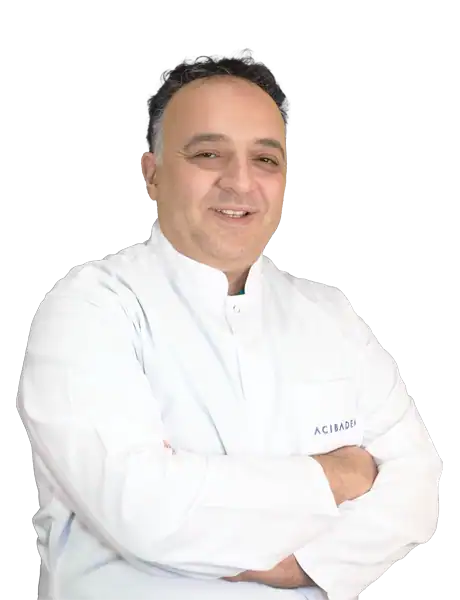
Aesthetic Plastic & Reconstructive Surgery
Prof. Mehmet Veli Karaaltın, MD

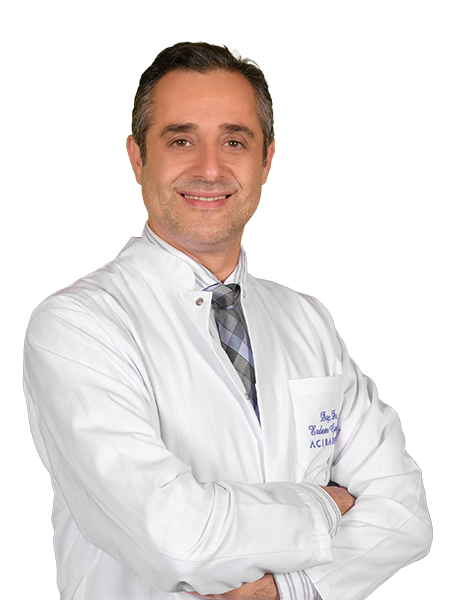
Aesthetic Plastic & Reconstructive Surgery
Assoc. Prof. Erdem Güven, MD

Aesthetic Plastic & Reconstructive Surgery
Assoc. Prof. Ahmet Küçükçelebi, MD

Aesthetic Plastic & Reconstructive Surgery
Assoc. Prof. Mehmet Altıparmak, MD

Aesthetic Plastic & Reconstructive Surgery