Reconstructive Surgery
Reconstructive surgery restores form and function after trauma, cancer surgery, burns, congenital differences, or previous operations. Treatment plans are individualized to repair tissues and improve quality of life.
Quick answer
Reconstructive surgery repairs or rebuilds tissue damaged by cancer treatment, trauma, burns, infection, chronic wounds or congenital conditions. Techniques range from skin grafts and local flaps to microsurgical free tissue transfer, sometimes performed in stages. Unlike cosmetic surgery, its primary purpose is medical: restoring structure, protection and function, although appearance usually improves as part of the repair.
What Is Reconstructive Surgery?
Reconstructive surgery repairs or rebuilds tissue that has been damaged by cancer treatment, trauma, burns, infection, chronic wounds or a condition present from birth. Its purpose is medical: to close wounds, protect vital structures, restore movement and rebuild the shape of the body so that healing and daily life can continue. It belongs to the same surgical specialty as cosmetic surgery and shares many of the same techniques, but it begins with a medical problem rather than a preference about appearance.
You may be weighing this kind of operation at a deeply personal moment. Perhaps you are recovering from cancer treatment, a serious injury, a burn, a congenital condition, or a previous operation that did not heal as expected. Beyond the visible change, there may be discomfort, restricted movement, difficulty with daily activities, altered sensation, scarring, or uncertainty about how you will feel in your own body again. The decision is rarely only medical. It usually involves questions about safety, timing, recovery, communication and whether the surgical team has real experience with your specific problem. This page explains what reconstructive surgery involves, who it helps, how it is performed and what shapes the result, so that those questions become easier to ask.
Depending on the condition, reconstructive surgery may involve the skin, soft tissue, muscles, tendons, nerves, blood vessels, bone or cartilage. Procedures range from the relatively straightforward, such as scar revision or wound closure, to the highly complex, such as microsurgical tissue transfer, facial reconstruction, limb salvage surgery or breast reconstruction after cancer treatment. In some cases the goal is simply to close a wound and protect what lies beneath it. In others, it is to rebuild the shape of a breast, reconstruct the face after trauma or tumour surgery, improve hand function after an injury, release tight burn scars, repair congenital differences such as cleft lip and palate, or revise complex scars from earlier procedures.
Common reconstructive techniques include skin grafts, local tissue flaps, regional flaps, free tissue transfer, microsurgery, nerve repair, tendon repair, bone reconstruction, implant-based reconstruction and fat grafting. Several techniques are often combined, sometimes across more than one operation. A staged approach may be recommended when tissues need time to heal, when radiation therapy has affected the surgical area, or when reconstruction must be coordinated with cancer treatment, orthopaedic care or rehabilitation.
Function sits at the centre of the discipline. A hand reconstruction may aim to restore grip, sensation and movement. Facial reconstruction may support breathing, chewing, speech, eye protection and social interaction. Burn reconstruction may release tight scars that limit motion. Breast reconstruction may restore body symmetry after cancer surgery. In every case, the surgical plan is shaped by your anatomy, health status, prior treatments and realistic expectations, not by a standard template.
What exactly is cosmetic surgery?
Cosmetic surgery changes the appearance of a body part that is structurally normal, at the patient’s own request. Reconstructive surgery, by contrast, addresses a defect caused by disease, injury or a developmental difference. The line between the two is not always sharp: rebuilding a breast after cancer is reconstructive work, yet the surgeon draws on the same aesthetic judgement used in cosmetic (aesthetic) surgery. Surgical cosmetic surgery, operations carried out in a theatre under anaesthesia, such as rhinoplasty or abdominoplasty, is also distinct from non-surgical aesthetic treatments such as injectables or laser therapy. What separates reconstruction is the starting point: a medical problem affecting structure, protection or function, with appearance improving as part of the repair rather than being the sole aim.
What are the most common cosmetic surgeries?
The most commonly performed cosmetic surgeries worldwide include breast augmentation and reduction, rhinoplasty, liposuction, eyelid surgery, facelift and abdominoplasty. Many of these operations have reconstructive counterparts. Breast reduction can relieve physical symptoms as well as change shape. Eyelid surgery can be reconstructive when drooping skin obstructs vision. Abdominoplasty techniques are adapted for patients with abdominal wall problems or excess tissue after major weight loss. This overlap explains why the same specialists train in both fields, and why techniques refined in one regularly improve results in the other.
Is reconstructive surgery the same as plastic surgery?
Reconstructive surgery is one half of plastic surgery; cosmetic surgery is the other. Plastic surgery is the umbrella specialty that covers both, and a fully trained plastic surgeon works across the whole range, from wound coverage and microsurgery to aesthetic refinement. At Acibadem, both sides of the specialty sit within the Plastic, Reconstructive & Aesthetic Surgery department, which means the surgeon planning a reconstruction is trained to think about form and function together rather than treating them as separate goals.
Who May Need Reconstructive Surgery
Patients come to reconstructive surgery by many routes. Some seek help soon after an injury or operation. Others come years later, when scarring, tissue loss or functional problems have become harder to live with. Referrals often arrive from oncologists, general surgeons, orthopaedic surgeons, dermatologists, ear-nose-throat specialists or burn specialists. Many patients come for a second opinion after being told that a wound is difficult to close, that a defect is too complex, or that no further reconstruction is possible, questions that deserve a specialist answer rather than an assumption.
Typical reasons to consider reconstructive surgery include tissue loss after cancer removal, deformity after trauma, burns that cause contractures, congenital differences affecting the face or limbs, chronic non-healing wounds, complex scars, breast changes after mastectomy or lumpectomy, facial asymmetry, hand injuries, nerve injuries and complications from previous operations.
The concerns that bring people to a consultation vary just as widely. You may experience pain, tightness, numbness, weakness, limited range of motion, recurrent wound breakdown, difficulty wearing clothing or prosthetics, changes in posture, visible asymmetry, or distress related to appearance. Some patients have no pain at all but struggle with daily activities, social confidence or the practical consequences of tissue loss. All of these are legitimate reasons to seek an assessment; none of them is trivial.
Assessment begins with a detailed medical history and physical examination. Your surgeon will ask about the original injury or condition, previous operations, cancer treatments, radiation therapy, chemotherapy, infections, smoking history, diabetes, current medications and any past healing problems. Photographs may be taken for medical planning. Imaging studies such as ultrasound, CT, MRI or X-ray may be used to assess bone, soft tissue, blood supply or deeper structures. In selected cases, vascular imaging helps plan flap surgery or microsurgical reconstruction by mapping the blood vessels that will carry the transferred tissue.
For cancer-related reconstruction, the surgical plan may be discussed in a multidisciplinary tumour board, with input from surgical oncology, medical oncology, radiation oncology, radiology, pathology and reconstructive surgery. This matters because reconstruction must never compromise cancer control: the timing, the technique and the follow-up plan all need to fit around the oncological treatment, not the other way round.
Conditions Reconstructive Surgery Can Address
Reconstructive surgery covers a broad range of medical situations. The indication is never simply that a body part looks different; it is that tissue structure, function, protection or quality of life can be improved through repair or reconstruction. The main groups of conditions are set out below.
Post-cancer reconstruction may be needed after removal of breast, skin, head and neck, soft tissue, bone or other tumours. Reconstruction can close surgical defects, restore contour, protect exposed structures and support speech, swallowing, movement or appearance. Breast reconstruction is the most widely recognised example, but the same principles apply throughout cancer care, including reconstruction after skin disease, where removal of skin cancers on the face, scalp or limbs can leave defects that need careful closure to preserve both function and appearance.
Trauma reconstruction may follow motor vehicle accidents, falls, workplace injuries, sports injuries, animal bites, fractures, crush injuries or soft tissue loss. The goal may be to preserve a limb, cover exposed bone or tendons, repair nerves and tendons, reconstruct the face, or improve scars once the emergency phase of treatment is over. Reconstruction after trauma is often a partnership between the reconstructive team, orthopaedic surgeons and rehabilitation specialists, and the plan may evolve as healing progresses.
Burn reconstruction can address scar contractures, limited joint movement, eyelid or mouth tightness, neck contracture, unstable scars and contour irregularities. Burn reconstruction is often staged and may include scar release, skin grafting, flap surgery, tissue expansion, laser-assisted scar management and intensive rehabilitation. The order of procedures is planned around which restrictions affect function most.
Congenital reconstruction treats differences present from birth, such as cleft lip and palate, craniofacial differences, ear deformities, hand anomalies, vascular malformations or chest wall differences. Timing is planned carefully around growth, feeding, speech development and psychosocial needs, and some conditions are treated across several planned stages during childhood.
Wound reconstruction may be needed for chronic wounds, pressure injuries, diabetic wounds, radiation-related tissue damage or wounds that fail to heal after surgery. The plan may include debridement, infection control, durable tissue coverage and practical strategies to reduce the risk of the wound returning, because closing a chronic wound without addressing its cause rarely lasts.
Revision reconstruction helps patients who have had complications or unsatisfactory healing after previous procedures, whether reconstructive or cosmetic. This may include scar revision, correction of contour irregularities, implant-related problems, wound breakdown, asymmetry or functional limitation. Revision surgery demands especially careful planning, because previously operated tissue carries scar, reduced elasticity and altered blood supply. An honest revision consultation will tell you what can realistically be improved, and what cannot.
Breast reconstruction after mastectomy
Breast reconstruction after mastectomy rebuilds the shape of the breast once cancer surgery has removed breast tissue. Options include implant-based reconstruction, reconstruction using your own tissue moved from the abdomen, back or elsewhere, or a combination of both. Some patients have reconstruction at the same operation as the mastectomy; others wait until chemotherapy, radiation therapy or personal recovery is complete. Radiation in particular influences which method is safest and when. Reconstruction may also involve balancing procedures on the opposite side and, later, nipple reconstruction. Not everyone who has breast surgery for cancer chooses reconstruction, and it is never obligatory: the decision belongs to you, made with full information about each pathway. A detailed overview of methods, timing and recovery is available on the dedicated breast reconstruction page.
How Reconstructive Surgery Is Performed
The reconstructive process begins long before the operating room. A careful consultation allows the surgical team to understand your medical condition, goals and constraints. For international patients, this evaluation can begin remotely with medical records, pathology reports, imaging, operative notes and photographs. A preliminary treatment plan can often be discussed before travel, while the final plan is confirmed after in-person examination and any necessary diagnostic tests. That two-step structure is normal: no responsible surgeon fixes a definitive plan for complex reconstruction without examining the tissues directly.
Preparation includes reviewing your general health, medications, allergies, anaesthesia risks and healing factors. You may be advised to stop smoking well before surgery, and your treating doctor will review your medication list, including any blood thinners, and decide whether anything should change before the operation. Blood sugar control, nutrition and any active infection are addressed first, because they directly affect healing. If reconstruction is linked to cancer treatment, timing is coordinated with the oncology team. If the procedure may affect movement, speech, swallowing or hand function, rehabilitation specialists are involved early rather than after the fact.
Your surgeon should explain the reconstructive options in plain terms: the expected benefits, the limitations, the scars, the possible need for staged procedures and the realistic recovery period. Informed consent includes a clear discussion of risks such as bleeding, infection, delayed healing, partial or complete tissue loss, asymmetry, changes in sensation, fluid collection, anaesthesia-related risks and the possibility of further surgery. If those risks are not discussed openly, ask until they are.
The choice of technique follows a logic surgeons call the reconstructive ladder, starting with the simplest method that will reliably solve the problem, and stepping up only when needed:
- Direct closure: the wound edges are brought together, suitable for smaller defects with enough healthy surrounding tissue.
- Skin graft: healthy skin is taken from one area of the body and placed over a prepared wound, where it develops a new blood supply.
- Local flap: nearby tissue is moved into the defect while keeping its own blood supply, giving better colour, texture and durability than a graft.
- Regional flap: tissue from a neighbouring area is rotated or tunnelled to cover a larger or deeper defect.
- Free flap (microsurgery): tissue is completely detached from one part of the body and reconnected to blood vessels at the reconstruction site under the microscope.
Microsurgery is especially valuable when local tissue is not adequate, when a complex defect requires durable coverage, or when reconstruction must restore both volume and function. Under high magnification, surgeons join very small blood vessels, and sometimes nerves, so the transferred tissue survives and, where relevant, regains sensation in its new location. These operations require detailed planning, specialised instruments, careful anaesthesia and close postoperative monitoring of the flap’s circulation. They are long procedures, and the first days after surgery matter as much as the operation itself.
Technology supports, but does not replace, surgical judgement. Imaging defines the extent of tissue loss, blood vessel anatomy, bone structure and the relationship to vital organs. Digital surgical planning may be used in selected craniofacial, jaw, bone or complex tumour reconstructions. Intraoperative magnification supports microsurgery and nerve repair. Advanced anaesthesia monitoring helps manage longer procedures, and structured postoperative checks help detect circulation concerns in flap reconstruction early, when they can still be corrected. The value of each tool lies in better information and more timely decisions.
How long does reconstructive surgery take?
Operating time ranges from under an hour for a minor scar revision to most of a working day for complex microsurgical reconstruction, combined cancer and reconstructive procedures, or multi-region trauma surgery. Hospital stay varies just as widely: some patients go home the same day or after one night, while others need several days of monitoring, wound care, pain control and early rehabilitation. Your surgeon can give you a realistic range for your specific operation once the technique is decided: a general figure quoted before that point is guesswork.
Recovery Timeline After Reconstructive Surgery
Recovery is guided by the type of reconstruction and your overall health. The timeline below gives a general sense of what many patients experience; your own plan may differ, and complex reconstructions run to a longer schedule.
| Time Period | What Patients Can Expect |
|---|---|
| Day 1 | You are monitored as you wake from anaesthesia. The team checks pain control, dressings, circulation and any drains or splints. After flap surgery, tissue blood flow is checked frequently. |
| First week | Swelling, bruising and fatigue are common. Wound care instructions are reviewed. Some patients remain in hospital for monitoring; others recover in nearby accommodation with scheduled follow-up. |
| First month | Most incisions begin to strengthen, although healing is still active. Activity restrictions may continue. Physical or occupational therapy may start or progress, depending on the reconstruction. |
| Three to six months | Scars gradually soften, swelling settles and function may keep improving. Many patients return to most usual activities; complex reconstructions may need longer rehabilitation. |
| Longer term | Final contour, scar maturity and functional recovery can continue to evolve for a year or more. Staged refinements may be considered when medically appropriate. |
After surgery, the team monitors circulation, swelling, pain, wound healing and movement. Dressings, drains, splints or compression garments may be used depending on the procedure. You are usually encouraged to move safely as soon as it is appropriate, but some reconstructed areas must be protected from pressure, stretching or heavy activity for a defined period. Physical therapy, occupational therapy, speech therapy or lymphoedema care may form part of recovery, and attending these sessions has a direct bearing on the final functional result.
For international patients, discharge planning includes clear instructions for wound care, medications, activity limits, follow-up visits and the safe timing of the journey home: a decision that depends on the operation performed and how healing is progressing, which is why the return date is best agreed with the surgical team rather than fixed in advance. Where ongoing care is needed after return, the care team can coordinate with local physicians and prepare medical documentation in a format that supports continuity at home.
What is the hardest cosmetic surgery to recover from?
There is no single hardest operation, but recovery generally becomes more demanding as more tissue is disturbed. Within cosmetic surgery, procedures that involve muscle repair or large areas of tissue, abdominoplasty with abdominal wall tightening, body lift surgery after major weight loss, or several procedures combined in one session, are usually among the more challenging recoveries. Reconstructive operations such as free flap surgery typically involve longer and more closely monitored recoveries than most cosmetic surgery, because two body sites are healing at once and the transferred tissue needs protection while its new blood supply matures. Whatever the operation, the pattern is the same: the early weeks demand patience, and the final result is judged months later, not days.
Why Acting Early Matters
Not every reconstructive procedure is urgent, and some are intentionally delayed until the body is ready. Even so, early evaluation can make a meaningful difference. Timely assessment identifies the safest window for reconstruction, especially after trauma, cancer surgery, burns or wounds that are not healing as expected.
Delay can carry a cost. Scar tissue tightens, joints stiffen, wounds enlarge, infection persists and surrounding tissues weaken. In burn patients, untreated contractures limit movement and become progressively harder to release. In hand injuries, delayed tendon or nerve repair may reduce the chance of functional recovery. In chronic wounds, prolonged inflammation and repeated infection complicate later reconstruction and take a toll on general health.
For cancer patients, early reconstructive consultation does not mean immediate surgery. It means reconstruction is built into the cancer treatment plan from the start, so that radiation therapy, chemotherapy and surveillance can all be taken into account when choosing the timing and method. Understanding your options early lets you make decisions without feeling rushed later, at a moment when there is already enough to think about.
Early consultation is equally valuable if you have had surgery elsewhere and are unsure whether revision is possible. Even when surgery is not recommended straight away, a reconstructive specialist can define the problem precisely, explain realistic options and identify steps, such as scar management, wound care or improving general health, that may improve the outcome of a future procedure.
How Much Does Reconstructive Surgery Cost?
There is no single price for reconstructive surgery, because the term covers everything from a brief scar revision under local anaesthetic to a day-long microsurgical operation with several days in hospital. Any figure quoted without knowledge of your specific case is not a price; it is a guess.
What genuinely drives the cost is worth understanding, because it explains why quotes differ so widely between patients with apparently similar problems:
- Complexity and technique: a skin graft, a local flap and a free flap are entirely different undertakings in theatre time, expertise and equipment.
- Operating time and anaesthesia: longer procedures require more anaesthesia care and monitoring.
- Hospital stay: same-day discharge and a multi-day stay with flap monitoring sit at opposite ends of the resource scale.
- Implants and materials: implant-based reconstruction, plates, screws or tissue expanders add material costs that flap surgery may not.
- Staging: some reconstructions are planned across two or more operations, each with its own costs.
- Diagnostics and rehabilitation: imaging before surgery and therapy after it are part of the true cost of care, not extras.
Funding also differs from cosmetic procedures. Because reconstructive surgery treats a medical problem, it is often eligible for insurance cover or public health funding, although rules vary considerably by country, policy and indication. A meaningful, itemised estimate can only follow a review of your medical records and imaging, because the choice of technique drives everything else.
How much does cosmetic surgery cost?
Cosmetic surgery has no standard price either: the cost depends on the procedure, the surgeon’s time, the facility, the type of anaesthesia and whether procedures are combined. The structural difference is that cosmetic surgery is elective and appearance-driven, so it is usually self-funded rather than covered by insurance. Where an operation has both cosmetic and functional elements, a rhinoplasty that also corrects breathing, for example, funding depends on how the medical component is assessed under the rules that apply to you.
Benefits of Reconstructive Surgery
The potential benefits depend on the diagnosis and the procedure, but reconstructive surgery typically addresses both practical function and personal well-being:
- Restored tissue coverage: wounds, exposed bone, tendons, implants or vital structures can be protected with healthy tissue, supporting healing and reducing ongoing vulnerability.
- Improved function: depending on the area treated, reconstruction may improve movement, grip, speech, swallowing, breathing, eyelid closure or other daily functions.
- Better contour and symmetry: rebuilding lost or damaged tissue can help clothing fit more comfortably and reduce visible asymmetry after cancer surgery, trauma or congenital differences.
- Reduced pain or tightness: scar release, tissue replacement or nerve-related procedures may ease pulling, restriction or discomfort in selected patients.
- Support for emotional recovery: for many patients, repairing a visible or functional difference helps them re-engage in social, family and professional life with greater confidence.
- Integrated care after major illness or injury: when reconstruction is coordinated with oncology, trauma, burn, rehabilitation or wound care teams, treatment aligns with your broader health goals rather than addressing one problem in isolation.
Factors That Influence Outcomes
Outcomes in reconstructive surgery are the product of careful planning, sound technique, patient preparation and appropriate follow-up. The same procedure can heal differently in different people, because tissue quality, circulation, medical history and prior treatments vary. Knowing what shapes the result helps you prepare for it honestly.
The nature of the defect comes first. A small scar revision is a different undertaking from reconstruction after radiation therapy, a severe burn, a crush injury or removal of a large tumour. The size, depth, location and complexity of the affected area guide the choice of technique, and set the boundaries of what any technique can achieve.
Blood supply and tissue quality are critical. Healthy, well-vascularised tissue heals more reliably. Prior radiation, infection, diabetes, smoking, vascular disease and repeated operations all reduce tissue resilience. In these situations, surgeons often recommend bringing healthier tissue in from another part of the body rather than relying on compromised local tissue.
Timing matters. Some reconstructions are best performed immediately, coverage of exposed structures after trauma, or reconstruction at the time of certain cancer operations. Others are safer when delayed until inflammation has settled, wounds are clean, cancer treatment is complete or your general health has been optimised. Neither approach is inherently better; the right timing is specific to the case.
Overall health affects healing directly. Nutrition, blood sugar control, anaemia, immune status, weight changes and current medications all influence recovery. Patients who smoke or use nicotine products are asked to stop before and after surgery, because nicotine reduces blood flow to healing tissue and increases the likelihood of wound complications: this is one of the few factors entirely within your control.
Rehabilitation and adherence shape functional results as much as the operation itself. Protecting the surgical site, attending therapy, managing scars, wearing splints or compression garments when prescribed, and avoiding premature heavy activity all support healing. Reconstructive surgery is not a single event; it is a process that continues for months after you leave hospital.
Realistic expectations are essential. Reconstruction can achieve meaningful improvement, but it cannot always return tissue to its state before injury or illness. Scars are part of surgery. Sensation may return slowly or incompletely. Symmetry may improve without being perfect. A good consultation makes these limits explicit before you decide, what is achievable, what trade-offs are involved, and whether more than one stage may be needed.
Reconstructive Surgery at Acibadem
Reconstructive surgery at Acibadem is delivered within a broad hospital infrastructure that includes experienced physicians, modern operating rooms, advanced imaging and intensive care capability when required. That breadth matters, because reconstruction rarely involves one specialty alone. A patient recovering from cancer, trauma, burns or a chronic wound may need coordinated input from oncology, orthopaedic surgery, general surgery, neurosurgery, ear-nose-throat surgery, dermatology, radiology, infectious diseases, rehabilitation, pain management or wound care.
For complex cases, multidisciplinary boards review the diagnosis, imaging, pathology, prior treatments and reconstructive options together. This applies particularly to cancer-related reconstruction, head and neck reconstruction, limb salvage, complex wounds and revision surgery. The aim is to align the reconstructive plan with your overall medical needs rather than treating the visible defect in isolation.
Treatment plans are individual. A patient seeking breast reconstruction after cancer treatment follows a very different pathway from someone with a burn contracture, facial trauma, a hand injury or a chronic wound. The surgeon weighs medical priorities, tissue condition, expected recovery, personal goals and, for those travelling, practical considerations around length of stay, before recommending a plan. Some reconstructions are completed in one stage; for others, a staged approach is safer or produces a more refined result.
For patients travelling from abroad, evaluation can begin before arrival where records are available. Reviewing operative notes, pathology reports, imaging and photographs in advance helps establish whether reconstruction is feasible, which additional tests may be needed and roughly how long a stay the treatment would require. Final recommendations still depend on in-person examination, but early review lets patients plan with more clarity and fewer surprises. International patient services support the practical side: medical record transfer, appointment coordination, interpretation in multiple languages, admission procedures and discharge planning.
After surgery, the focus shifts to recovery, wound care and a safe journey home. Patients leave with written instructions covering medications, dressing care, drain management where relevant, activity restrictions, warning signs to be aware of and the follow-up schedule. When ongoing care is required after travel, documentation is prepared for the patient’s local physician: a step that matters most for complex wounds, staged reconstruction, rehabilitation and cancer-related care, where continuity is part of the treatment itself.
A Considered Path Forward
Reconstructive surgery can be an important step in recovery after illness, injury or a condition present from birth. It may close wounds, restore movement, rebuild lost tissue, improve symmetry, reduce tightness or support confidence in daily life. None of that follows automatically from an operation; it follows from a plan built on your anatomy, your medical history, your previous treatments and your own priorities. An expert opinion clarifies what is possible, when it is safest and what recovery genuinely involves, and for patients considering treatment abroad, an early review of records, imaging and photographs can settle much of that before any journey begins.
Preparation
- Before reconstructive surgery, the surgeon reviews your medical history, previous operations, imaging, and the area needing repair. You may need blood tests, anesthesia assessment, and medication adjustments. Smoking should be stopped in advance, and fasting instructions are provided before surgery.
Aftercare
- After surgery, swelling, bruising, drains, or dressings may be expected depending on the reconstruction performed. Follow wound-care instructions, take prescribed medications, and avoid strenuous activity until cleared by your surgeon. Regular follow-up visits monitor healing and functional recovery.
Frequently Asked Questions
What affects the cost of reconstructive surgery?
Cost depends on the complexity of the defect, the technique used, surgeon and hospital resources, anaesthesia, imaging, implants or graft materials, hospital stay, wound care, rehabilitation, and follow-up needs. A personalised medical review is needed before a reliable quote can be prepared.
How can I get a personalised quote for reconstructive surgery in Turkey?
You can request a free consultation and share medical reports, photos if appropriate, imaging, pathology results, and details of previous treatments. A specialist team can then assess the likely treatment plan and provide a personalised estimate.
Does an international patient package usually include everything?
Packages often include core hospital and surgical services, but inclusions vary by case. Additional imaging, pathology, intensive monitoring, extra hospital stay, special implants, revision procedures, or rehabilitation may be quoted separately if needed.
Why do reconstructive surgery quotes vary between patients?
Reconstructive surgery is tailored to anatomy, function, tissue quality, previous operations, scarring, circulation, and medical history. Two patients with similar visible concerns may need different surgical techniques and aftercare plans.
Is reconstructive surgery usually covered by insurance?
Coverage depends on the insurer, policy terms, medical necessity, and country of treatment. Patients should confirm approval requirements with their insurer and ask the hospital team for supporting medical documentation when needed.
Can travel, translation, and follow-up support be arranged?
International patient departments can often help coordinate appointments, interpreter support, travel guidance, accommodation suggestions, and follow-up planning. The exact support available should be confirmed during the consultation process.
Medically reviewed by the Acıbadem International Medical Board September 1, 2026
See our medical review board →
Update history
- PublishedJune 8, 2026
- Medical review approvedSeptember 1, 2026
- Last content updateSeptember 1, 2026
Trusted care for international patients
From the Acibadem Blog

Reconstruction After Burns: How Contractures Form and Why Repairs Are Often Staged
Reconstructive surgery after burns is a planned series of operations that release tight scar tissue (contractures), replace it with grafted or moved skin, and…
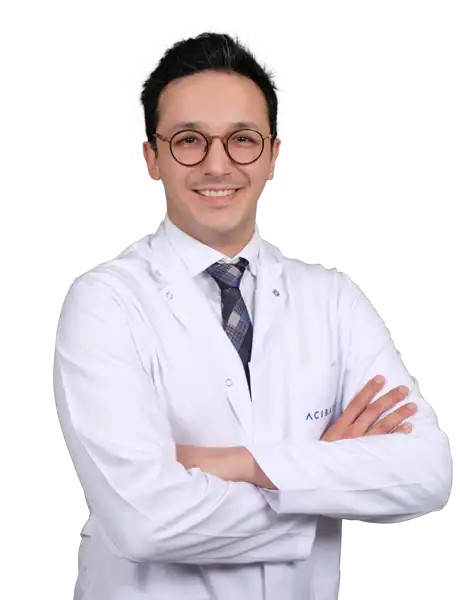
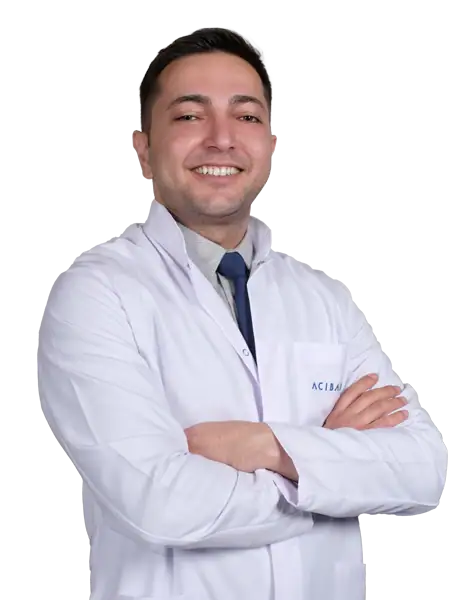
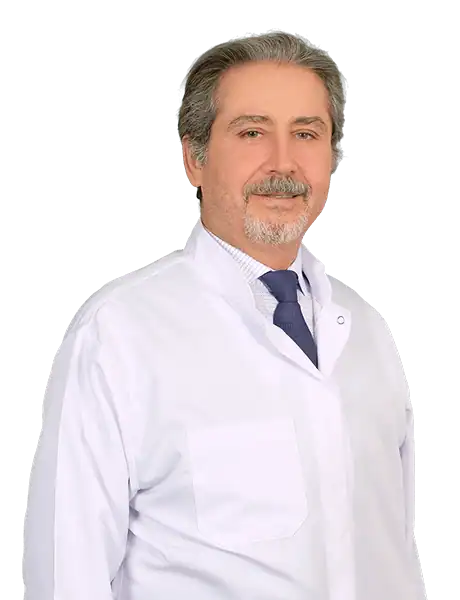
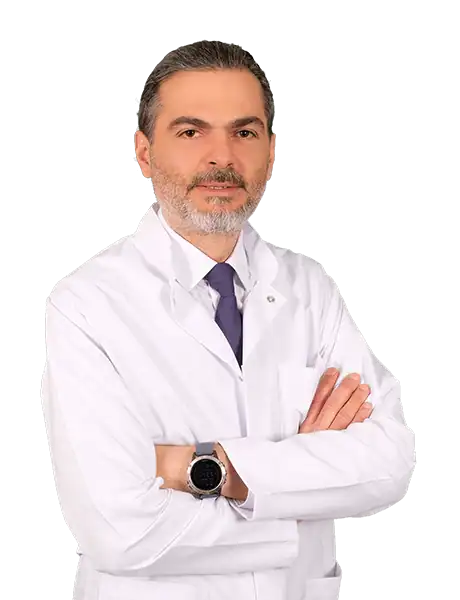
Doctors Performing This Treatment


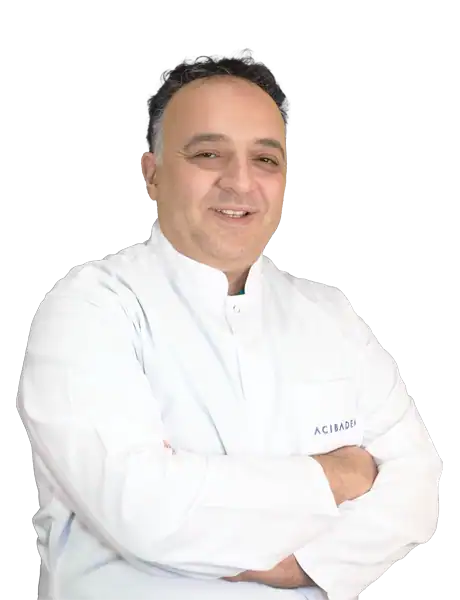
Aesthetic Plastic & Reconstructive Surgery
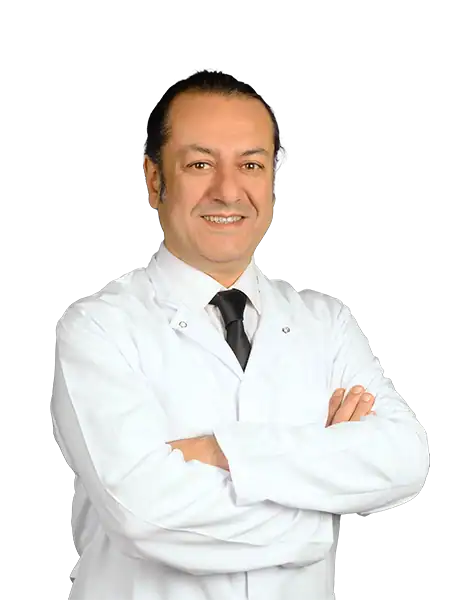
Prof. Mehmet Veli Karaaltın, MD


Aesthetic Plastic & Reconstructive Surgery
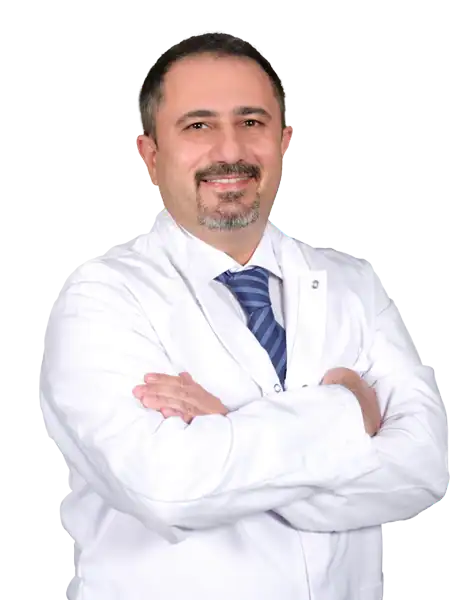
Assoc. Prof. Erdem Güven, MD

Aesthetic Plastic & Reconstructive Surgery
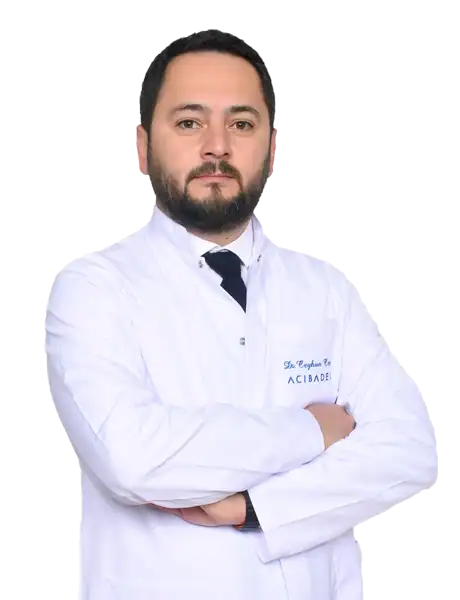
Assoc. Prof. Ahmet Küçükçelebi, MD
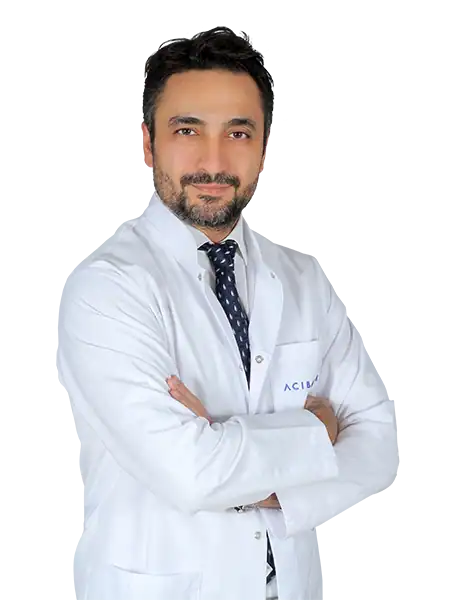
Aesthetic Plastic & Reconstructive Surgery
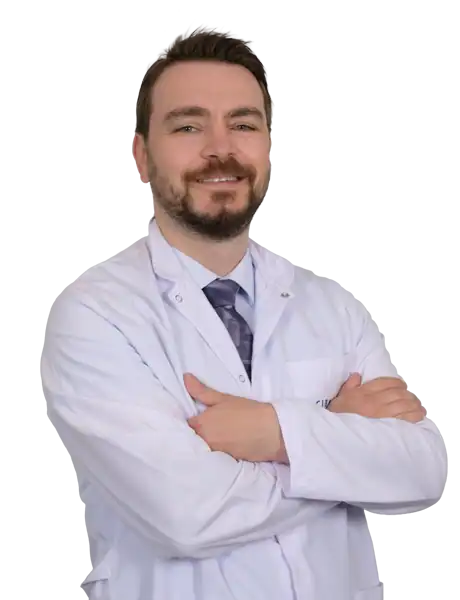
Assoc. Prof. Mehmet Altıparmak, MD

Aesthetic Plastic & Reconstructive Surgery