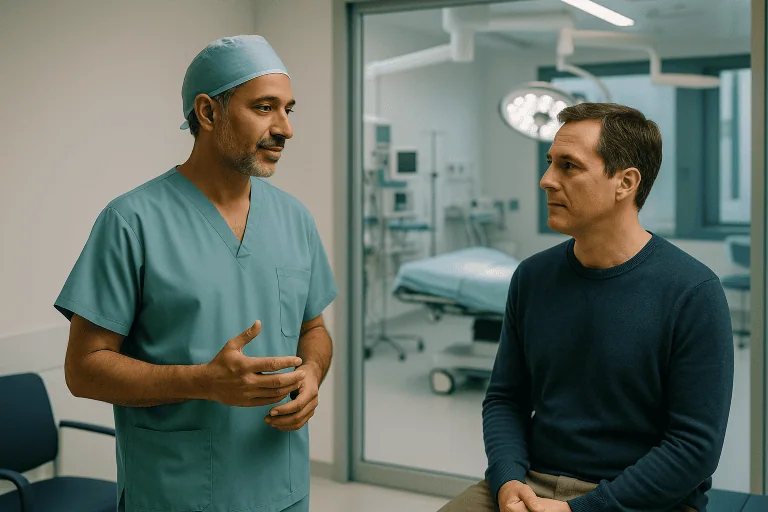
Robotic Colorectal Surgery
Robotic colorectal surgery is a minimally invasive technique for removing diseased sections of the colon or rectum using surgeon-controlled robotic instruments and a magnified 3D camera. It is applied to colorectal cancer,…
Quick answer
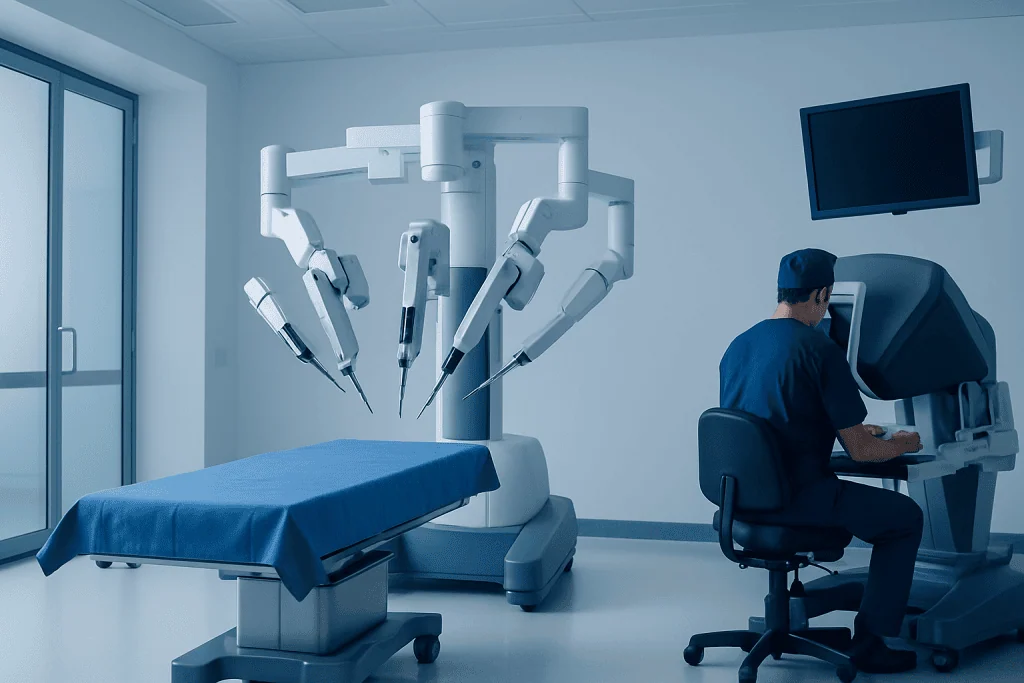
Robotic colorectal surgery is a minimally invasive operation in which a surgeon controls robotic arms with wristed instruments and a 3D camera to remove diseased parts of the colon or rectum through small incisions. It is used for colorectal cancer, large polyps, diverticular disease, inflammatory bowel disease, and rectal prolapse, and typically allows a shorter hospital stay than open surgery.
What is robotic colorectal surgery?
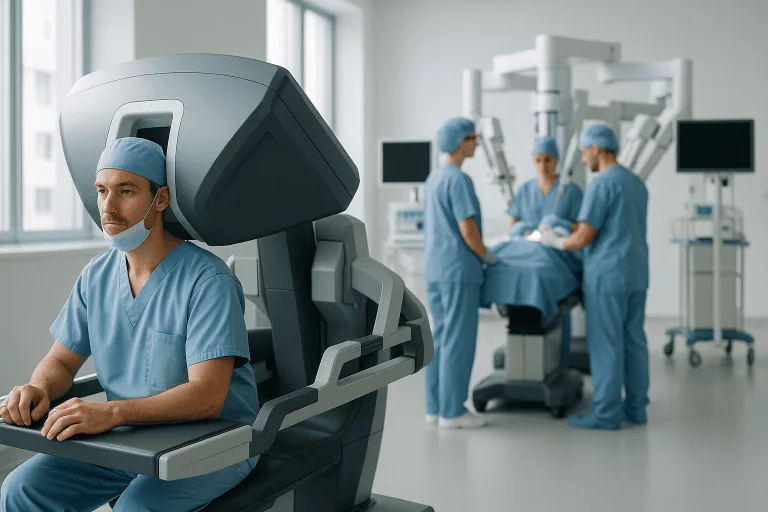
Robotic colorectal surgery is a form of minimally invasive surgery used to treat diseases of the colon (the large intestine) and the rectum (the last part of the bowel before the anus). “Minimally invasive” means the surgeon works through several small cuts rather than one long incision. In robotic surgery, the surgeon sits at a console a few feet from the patient and controls slim instruments and a high-definition three-dimensional camera that are attached to robotic arms. The robot does not operate on its own; every movement is made by the surgeon in real time.
The approach is closely related to laparoscopic surgery (keyhole surgery using long, hand-held instruments). The robotic platform adds wristed instruments that bend more like a human hand, a magnified 3D view, and a steadier camera. These features are considered most useful in narrow spaces such as the pelvis, which is why robotic rectal cancer surgery has become a common application.
Robotic colorectal surgery is used for several conditions, including:
- Colon cancer and rectal cancer, where part of the bowel containing the tumor is removed together with nearby lymph nodes
- Large polyps (growths on the bowel lining) that cannot be removed with a colonoscope
- Diverticular disease, in which small pouches in the bowel wall become repeatedly inflamed
- Inflammatory bowel disease, such as Crohn’s disease and ulcerative colitis, when medicines no longer control symptoms
- Rectal prolapse, where the rectum slips down through the anus
In many hospitals this type of surgery is delivered by a colorectal team working within a broader robotic surgery program; at Acibadem, for example, it is managed jointly by the general surgery and robotic surgery units.
Who is a candidate
Your surgeon decides whether robotic colon surgery is appropriate based on your diagnosis, the location and size of the disease, your general health, and any previous operations on your abdomen. People often considered good candidates include those with:
- Early or locally advanced colon or rectal cancer that has not spread widely
- Rectal tumors low in the pelvis, where precise dissection matters for preserving the anal sphincter and nearby nerves
- Benign conditions such as diverticular disease or inflammatory bowel disease requiring removal of a bowel segment
- Obesity, which can make open or laparoscopic surgery technically harder
Robotic surgery is not suitable for everyone. It may not be recommended when:
- The cancer has grown into several neighboring organs and a very large open operation is needed
- There is an emergency, such as a perforated bowel or complete obstruction, where speed is the priority
- Extensive scar tissue from previous abdominal surgery makes safe access unlikely
- Heart or lung disease means the person cannot safely tolerate general anesthesia or the position and abdominal inflation used during the operation
- The tumor is very small and can be removed through the anus or with an endoscope instead
In some cases a surgeon will begin robotically and convert to an open operation if the anatomy or bleeding makes that safer. This is a planned safety step, not a failure.
How the procedure works
Before the operation. You will have imaging scans, blood tests, and usually a colonoscopy to confirm the diagnosis and mark the exact position of the disease. An anesthesiologist reviews your health and medicines. For cancer, a multidisciplinary team may recommend chemotherapy or radiotherapy before surgery, especially for rectal cancer.
During the operation. Robotic colorectal surgery is performed under general anesthesia, so you are fully asleep. The main steps are:
- The abdomen is inflated with carbon dioxide gas to create working space.
- Four to six small incisions, usually less than an inch each, are made for the camera and instruments.
- The robotic arms are attached and the surgeon moves to the console.
- The diseased segment of colon or rectum is freed from its attachments, and the blood vessels supplying it are sealed and divided. For cancer, the surrounding fatty tissue and lymph nodes are removed with it.
- The bowel segment is taken out through one slightly larger incision, often near the pubic area or the navel.
- The two healthy ends of bowel are joined, a connection called an anastomosis. In some rectal operations, a temporary stoma (an opening of the bowel onto the skin of the abdomen, covered by a bag) is created to protect the join while it heals.
The term robotic colectomy refers to removal of part or all of the colon in this way; when the rectum is removed, the operation is called a proctectomy. A typical procedure lasts around three to five hours, depending on complexity.
After the operation. You wake in a recovery area and are then moved to a ward. Most hospitals now follow “enhanced recovery” protocols, which encourage early sips of fluid, early walking, and limited use of tubes and drains.
Preparation for robotic colorectal surgery
Careful preparation lowers the chance of complications. Your team’s instructions may differ slightly, but common steps include:
- Medication review. Blood thinners, some diabetes medicines, and certain supplements may need to be paused or adjusted. Never stop a prescribed medicine without being told to.
- Bowel preparation. Many surgeons ask you to take a laxative solution the day before, sometimes with oral antibiotics, to empty and clean the bowel.
- Fasting. You will usually be asked not to eat for several hours before surgery; clear fluids or a carbohydrate drink may be allowed up to a set time.
- Smoking and alcohol. Stopping smoking for several weeks beforehand improves wound and bowel healing. Limiting alcohol also helps.
- Nutrition and activity. Eating well and staying as active as your condition allows can improve recovery. If you have lost weight, a dietitian may recommend supplements.
- Stoma teaching. If a stoma is possible, a specialist nurse will usually meet you beforehand to explain care and mark the best site on your abdomen.
Arrange for someone to accompany you home and help during the first week or two, and bring loose, comfortable clothing to the hospital.
Recovery and aftercare after robotic colorectal surgery
Robotic colorectal surgery recovery is usually faster than recovery from open surgery, but the bowel still needs time to heal. Typical milestones look like this, though individual experiences vary:
- First day. You are encouraged to sit up, walk short distances, and take fluids. Pain is managed with a combination of tablets and, in some cases, local anesthetic injected around the incisions during surgery.
- Days two to five. Bowel function gradually returns; passing gas is an early sign. Diet advances from liquids to soft foods. Many patients go home between three and six days after surgery, depending on the operation and whether a stoma was made.
- Weeks one to two. Tiredness is common. Short walks several times a day are encouraged. Wounds are usually closed with dissolvable stitches or glue and need only to be kept clean and dry.
- Weeks two to six. Energy improves steadily. Most people can return to desk work within two to four weeks and to more physical work by about six weeks. Heavy lifting is typically avoided for around six weeks to protect the incisions.
Aftercare usually includes eating small, frequent meals; drinking enough fluid; and gradually reintroducing fiber. Loose or frequent stools are common for weeks to months after part of the bowel is removed, especially after rectal surgery, and often improve with time and dietary adjustment. If you have a stoma, a stoma nurse will support you at home, and a second smaller operation to close it is often planned some months later once the join has healed. Follow-up visits check the wounds, review pathology results if cancer was removed, and plan any further treatment or surveillance.
Risks and side effects
All bowel surgery carries risk, and robotic surgery shares most of the risks of laparoscopic and open operations. Your surgeon will discuss these in detail before you give consent. Possible complications include:
- Anastomotic leak. The join between the two bowel ends may fail to seal, allowing bowel contents to leak into the abdomen. This is the most serious common complication and may require antibiotics, drainage, or further surgery.
- Bleeding during or after the operation, occasionally requiring a transfusion.
- Infection of the wounds, the abdomen, or the urinary tract.
- Ileus, a temporary slowing of the bowel that causes bloating, nausea, and delayed eating.
- Injury to nearby structures, such as the ureters (tubes from the kidneys), the bladder, or the small bowel.
- Nerve effects after rectal surgery, which can cause difficulty emptying the bladder or changes in sexual function; these are often temporary but can persist.
- Blood clots in the legs or lungs, which is why blood-thinning injections and early walking are used.
- Conversion to open surgery, with a longer incision and recovery.
- Anesthesia-related risks, and shoulder-tip pain from the gas used to inflate the abdomen.
- Hernia at an incision site, sometimes months or years later.
Longer-term side effects can include altered bowel habit, urgency, or difficulty controlling gas and stool, particularly after removal of most of the rectum. These effects are sometimes grouped as “low anterior resection syndrome” and may be managed with diet, pelvic floor exercises, and medicines.
Results and outlook
For cancer, the goal of surgery is complete removal of the tumor with clear margins and adequate lymph nodes, and studies generally show that robotic colorectal surgery achieves this to a similar standard as laparoscopic and open approaches. Long-term survival appears to depend mainly on the stage of the disease and on the completeness of the operation rather than on which platform was used.
Compared with open surgery, robotic and laparoscopic approaches are generally associated with smaller scars, less blood loss, less pain, and a shorter hospital stay. Compared with standard laparoscopy, the evidence suggests robotic surgery may lower the chance of converting to an open operation, particularly in the narrow pelvis and in people with obesity, and some studies point toward earlier recovery of bladder function after rectal surgery. Other outcomes, such as leak rates and complication rates, appear broadly similar. Operating times are often longer with the robot.
Outcomes for benign conditions such as diverticular disease and inflammatory bowel disease are also generally comparable across minimally invasive techniques. Experience of the surgical team is an important factor in results regardless of the technology used.
Cost considerations
The overall cost of robotic colorectal surgery depends on many factors rather than a single fee. The main drivers usually include:
- Operating room time and equipment. Robotic systems use single-use instruments and drapes for each case, which adds to the cost of the operation itself.
- Length of hospital stay. Shorter stays reduce ward costs; complications or a stoma can extend them.
- Complexity of the operation. Rectal cancer surgery, multi-organ resections, or a planned second operation to close a stoma involve more resources.
- Pathology and imaging. Examination of the removed tissue, scans, and endoscopy before and after surgery.
- Additional treatment. Chemotherapy or radiotherapy before or after surgery, and long-term surveillance for cancer.
- Stoma supplies and nursing support if a stoma is created.
Insurance coverage for robotic approaches varies by policy and country. Ask the hospital for an itemized estimate and check with your insurer what is included before making decisions.
Frequently asked questions
Is robotic colorectal surgery safer than open surgery?
Minimally invasive approaches, including robotic surgery, generally involve less blood loss, less pain, and a shorter hospital stay than open surgery, and serious complication rates are broadly comparable. Whether it is safer for you depends on your specific condition and health; some situations still call for an open operation.
How long does robotic colon surgery take?
Most robotic colon operations take roughly three to five hours, including setup of the robotic system. Rectal cancer surgery and operations involving previous scarring tend to take longer. The surgical team will give you an estimate based on your planned procedure.
What is the difference between robotic colectomy and laparoscopic colectomy?
Both remove part of the colon through small incisions. In laparoscopic colectomy the surgeon holds long, rigid instruments directly. In robotic colectomy the surgeon controls wristed instruments and a 3D camera from a console, which can make fine movements easier in tight spaces. Recovery and long-term outcomes are generally similar.
Will I need a stoma after robotic rectal cancer surgery?
Not always. A temporary stoma is often created when the join is very low in the pelvis or when radiotherapy was given beforehand, because it protects the anastomosis while it heals. In many cases it is reversed several months later. A permanent stoma may be needed if the tumor involves the anal sphincter. Your surgeon will discuss the likelihood before the operation.
How long is robotic colorectal surgery recovery?
Many patients leave the hospital within about three to six days and return to light activities within two to four weeks. Full recovery, including a return to heavy lifting and strenuous exercise, typically takes around six weeks or longer. Bowel habit may continue to settle for several months.
Does the robot perform the surgery by itself?
No. The robotic system translates the surgeon’s hand movements into movements of the instruments inside the body. It cannot act independently or make decisions. A trained surgeon and a full operating team are present throughout the procedure.
When to see a doctor
You should be assessed by a specialist if you have symptoms that could indicate colorectal disease, such as blood in the stool, a persistent change in bowel habit lasting more than a few weeks, unexplained weight loss, ongoing abdominal pain or bloating, or unexplained anemia (a low blood count causing tiredness). People with a family history of colorectal cancer, inflammatory bowel disease, or a previous polyp diagnosis may need earlier or more frequent screening, which a doctor can advise on.
After robotic colorectal surgery, seek urgent medical attention if you notice any of the following:
- Fever above 38°C (100.4°F) or shaking chills
- Worsening abdominal pain, a swollen or hard abdomen, or pain that does not improve with prescribed medicines
- Persistent vomiting or inability to keep fluids down
- No passage of gas or stool for more than two to three days, or a stoma that stops working and is accompanied by pain or vomiting
- Redness, increasing pain, pus, or foul-smelling discharge from a wound
- Heavy bleeding from the rectum, the wound, or the stoma
- Chest pain, sudden shortness of breath, or a painful, swollen calf, which can indicate a blood clot
- A dusky, dark, or black stoma, or one that appears to sink in or bulge out significantly
- Difficulty passing urine or a marked drop in urine output
These symptoms can signal complications such as an anastomotic leak, infection, or a blood clot, which are treated most effectively when recognized early.
Preparation
- Expect imaging, blood tests, and usually a colonoscopy before surgery, along with a medication review; blood thinners and some other drugs may need adjusting. Many surgeons prescribe a bowel-cleansing laxative and sometimes oral antibiotics the day before, and you will be asked to fast for a set period. Stopping smoking several weeks beforehand and staying active and well nourished can improve healing. If a stoma is possible, a specialist nurse usually meets you beforehand.
Aftercare
- Walk short distances several times a day from the first day and gradually increase activity, avoiding heavy lifting for about six weeks. Eat small, frequent meals, drink enough fluid, and reintroduce fiber slowly; loose stools are common for a while. Keep incisions clean and dry and attend follow-up visits to review healing and pathology results. Seek urgent care for fever, worsening abdominal pain, vomiting, wound discharge, or signs of a blood clot.
Medically reviewed by the Acıbadem International Medical Board September 8, 2026
See our medical review board →
Update history
- PublishedSeptember 8, 2026
- Medical review approvedSeptember 8, 2026
- Last content updateSeptember 8, 2026
References3
From the Acibadem Blog

Bowel Prep Before Robotic Colorectal Surgery: Colonoscopy, Blood Thinners and the Day Before
Bowel prep before colorectal surgery usually means a colonoscopy to confirm and mark the site, a clear-liquid day with an osmotic laxative and often…

What Does the Robot Change in Robotic Colorectal Surgery? Magnified View and Wristed Tools
In robotic colorectal surgery, the robot does not operate on its own. It gives the surgeon a magnified, three-dimensional view and small wristed instruments…