Testicular Cancer Treatment
Testicular cancer is a highly treatable cancer of the male reproductive system, often managed with surgery and, when needed, chemotherapy or radiotherapy based on stage and tumor type.
Quick answer
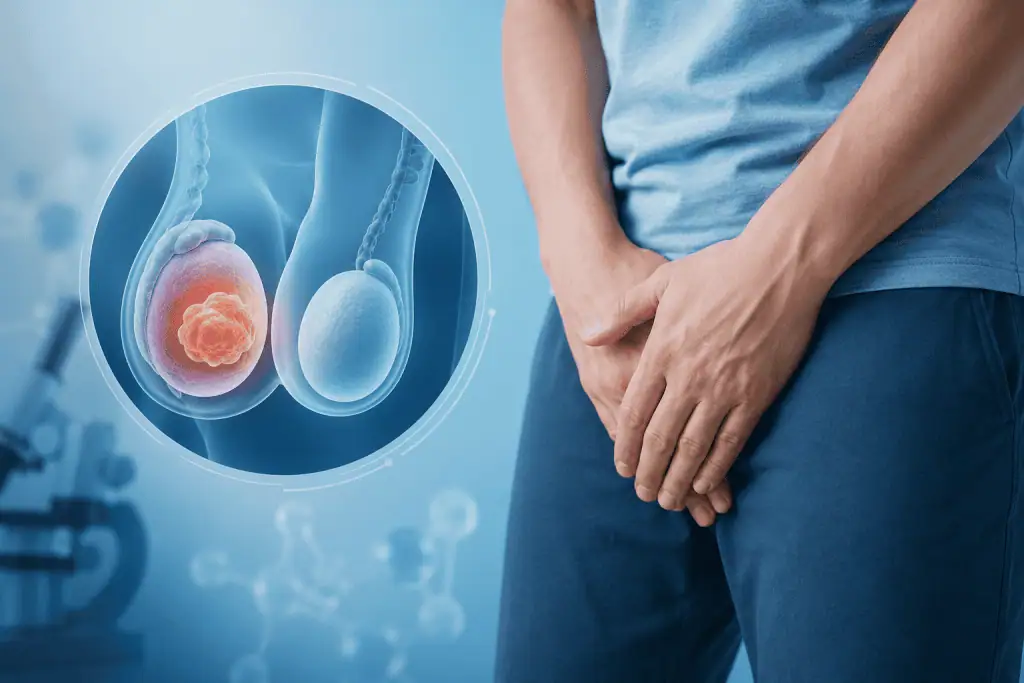
Testicular cancer is a cancer that begins in a testicle, most often in the germ cells that produce sperm. Treatment usually starts with surgery to remove the affected testicle through a groin incision. Depending on the tumour type and stage, the next step may be structured surveillance, chemotherapy, radiotherapy or lymph node surgery. Fertility preservation is discussed before treatment begins wherever possible.
Testicular Cancer: A Treatable Diagnosis That Deserves Careful Planning
Testicular cancer is a cancer that begins in a testicle, most often in the germ cells that produce sperm. It mainly affects adolescents, young men and men in midlife, and it is one of the most treatable solid cancers when it is evaluated promptly and staged accurately. Treatment usually starts with surgery to remove the affected testicle. What happens after that, structured surveillance, chemotherapy, radiotherapy or further surgery, depends on the tumour type, the stage, tumour marker levels and your own priorities.
A suspicion of testicular cancer lands hard, often in a man who otherwise feels completely well. You may have noticed a lump, swelling, heaviness or a dull ache, and found your mind jumping straight to cancer, fertility, sexual function and what treatment would mean for work, relationships and future plans. These concerns are reasonable. Testicular cancer arrives at a stage of life when questions about family-building, body image and long-term health are deeply personal, and a good treatment plan takes all of them seriously.
The first plan matters. The goal is not only to treat the cancer effectively, but also to avoid unnecessary therapy when it is safe to do so, reduce the risk of recurrence, preserve fertility wherever possible and protect your quality of life. Getting the sequence right at the start, accurate pathology, correct staging, an honest discussion about surveillance versus additional treatment, is what separates a well-managed case from an over-treated or under-treated one. At Acibadem, testicular cancer care is planned through evidence-based diagnostic pathways and specialist collaboration within a broader oncology and cancer treatment programme, with attention to the medical, emotional and reproductive dimensions of the disease as well as the cancer itself.
What is testicular cancer?
Testicular cancer is a malignant tumour arising in the testicle, one of the two organs of the male reproductive system that produce sperm and testosterone. Most testicular cancers develop from germ cells, the cells involved in sperm production, and these germ cell tumours are broadly divided into two groups: seminomas and non-seminomatous germ cell tumours. The distinction matters, because the two groups behave differently and are treated differently. Some tumours contain mixed features, and in that case treatment is generally planned according to the most aggressive component present. Rarer testicular tumours arising from other cell types also exist and require their own specialist assessment.
Because the testicle produces hormones as well as sperm, some tumours can cause hormonal effects, breast tenderness or swelling, for example, even before any change in the testicle itself is obvious. This is uncommon, but it illustrates why unusual, persistent changes deserve a proper explanation rather than a wait-and-see approach.
Testicular Cancer Symptoms and Signs
Testicular cancer symptoms and signs usually appear on one side, and often without pain. That last point deserves emphasis: testicular cancer can present as a painless lump, and a lump should never be dismissed simply because it does not hurt. Recognising the signs of testicular cancer early usually means simpler, shorter treatment, so it is worth knowing what to look and feel for.
What does testicular cancer feel like?
Most often, testicular cancer feels like a firm lump or an area of hardness within one testicle, or like the whole testicle becoming larger, heavier or subtly different from the other side. Some men describe a dragging or heavy sensation in the scrotum rather than a distinct lump. Others notice a dull ache in the lower abdomen or groin, or a general discomfort in the testicle or scrotum that comes and goes. Pain is possible but not typical; the absence of pain is one of the reasons diagnosis is sometimes delayed. A sudden collection of fluid around the testicle can also be a first sign, though fluid collections have many benign causes as well.
What does testicular cancer look like?
From the outside, testicular cancer often looks like nothing at all in its early stages. The most visible change, when there is one, is asymmetry: one side of the scrotum appearing larger, fuller or sitting differently than before. The skin itself usually looks normal. This is why touch matters more than appearance: a firm, irregular area felt within the body of the testicle is far more informative than anything visible in a mirror. In testicular cancer, testicle changes are almost always one-sided, so comparing one side against the other is a useful habit.
What are the signs of a testicular tumor?
The signs of a testicular tumor are usually physical and local rather than general. The most common are:
- A firm lump or hardened area within one testicle
- Enlargement of one testicle, or a clear change in its shape or consistency
- A feeling of heaviness or dragging in the scrotum
- A dull ache in the lower abdomen, groin or testicle
- A sudden build-up of fluid in the scrotum
- Breast tenderness or swelling, in the less common hormone-producing tumours
Some men are diagnosed only after symptoms of more advanced disease appear: back pain, abdominal swelling, cough, shortness of breath or unexplained weight loss. Each of these has many possible causes, most of them unrelated to cancer. When they occur alongside a testicular change or abnormal tumour markers, however, they point towards disease that has spread and needs prompt, complete staging.
How do you check for testicular cancer?
You check by knowing what your own testicles normally feel like and noticing when something changes. A practical approach is to examine yourself during or after a warm shower, when the scrotal skin is relaxed. Roll each testicle gently between the thumb and fingers, feeling for lumps, hard areas, or changes in size or weight. It is normal for one testicle to sit slightly lower or be slightly larger than the other, and it is normal to feel the epididymis, a soft, cord-like structure, along the back of each testicle. What matters is change: a lump on the testicle that was not there before, a new firmness, or a testicle that has grown. Self-examination does not diagnose anything on its own; it simply gives you a reliable baseline, so that a genuine change gets noticed and assessed early rather than months later.
Causes and Risk Factors
What causes testicular cancer?
No single cause of testicular cancer has been identified. Most cases arise in men with no known risk factor at all, which is why no man should assume he is exempt. What research has established is a set of factors associated with higher risk:
- An undescended testicle (cryptorchidism). Men born with a testicle that did not descend into the scrotum carry a higher risk, even if the condition was surgically corrected in childhood.
- Previous testicular cancer. A man treated for cancer in one testicle has an elevated risk of developing a tumour in the other, which is one reason structured follow-up continues for years.
- Family history. Having a father or brother with testicular cancer increases risk, suggesting a genetic contribution in some families.
- Abnormal testicular development and infertility. Conditions affecting how the testicles developed, and some cases of male infertility, are associated with higher risk.
- Age. Testicular cancer is characteristically a disease of adolescence, young adulthood and midlife, unlike some other urological cancers such as bladder cancer and kidney cancer, which more typically appear later in life.
Importantly, none of the everyday things men often worry about, injury, cycling, tight clothing, sexual activity, has been shown to cause testicular cancer. An injury sometimes draws attention to a lump that was already there, but it does not create the tumour. Risk factors identify men who benefit from extra awareness; they do not determine who develops the disease.
How Testicular Cancer Is Diagnosed
Diagnosis follows a well-defined sequence, and each step has a specific purpose. It usually unfolds like this:
- Step 1: Physical examination. A doctor examines both testicles, the abdomen and the lymph node regions, and takes a careful history covering symptoms, prior conditions such as an undescended testicle, and family history.
- Step 2: Scrotal ultrasound. High-resolution ultrasound is the key first test. It can distinguish a solid mass inside the testicle from other conditions that mimic cancer, such as cysts, infection, hydrocele (fluid around the testicle) or varicocele (enlarged veins). A solid intratesticular mass is treated as cancer until proven otherwise.
- Step 3: Tumour marker blood tests. Alpha-fetoprotein (AFP), beta-human chorionic gonadotropin (beta-hCG) and lactate dehydrogenase (LDH) are measured. These markers support the diagnosis, help estimate the amount of disease present, contribute to formal staging and later serve as a sensitive way to monitor response to treatment.
- Step 4: Surgery as diagnosis. If cancer is suspected, a needle or open biopsy through the scrotum is deliberately avoided, because it can disrupt the testicle’s natural lymphatic drainage and complicate future management. Instead, the affected testicle is removed through the groin, a radical inguinal orchiectomy, which is both the diagnostic test and the first treatment.
- Step 5: Staging imaging. CT scans of the abdomen, pelvis and chest, and in selected cases MRI or other imaging, establish whether cancer has reached the retroperitoneal lymph nodes, the lungs or other organs. Tumour markers are repeated after surgery, because the pattern of their decline shows whether all marker-producing disease has been removed.
Certain histories sharpen the index of suspicion during this work-up: a previous undescended testicle, prior testicular cancer, infertility, abnormal testicular development, a family history of the disease, or a persistent testicular abnormality that has never been fully explained. Where imaging, blood tests or pathology reports already exist from earlier care, reviewing that material carefully helps confirm whether the staging is correct and whether the proposed next step, surveillance, chemotherapy, radiotherapy or further surgery, matches the actual risk.
Types, Stages and What They Mean for Treatment
Comprehensive testicular cancer care covers the whole spectrum of presentations, from tumours confined to the testicle to advanced germ cell cancers requiring several treatment methods in sequence. The most common starting point is a suspicious testicular mass confirmed by ultrasound, for which radical inguinal orchiectomy is typically recommended as both treatment and definitive diagnosis.
Stage I seminoma
Stage I seminoma means the cancer appears limited to the testicle. After orchiectomy, the options may include structured surveillance, radiotherapy in selected cases, or chemotherapy, depending on risk features and personal preference. Many men can be safely monitored without any immediate additional treatment, provided the surveillance schedule can actually be followed. That condition is not a formality, surveillance only protects you if the tests happen on time.
Stage I non-seminomatous germ cell tumours
For stage I non-seminoma, management depends on pathology details such as lymphovascular invasion, the trend of tumour markers after surgery, and the practicality of long-term follow-up. Options may include surveillance, chemotherapy or, in selected cases, retroperitoneal lymph node dissection. The decision is genuinely individual: overtreatment exposes a young man to avoidable side effects, while undertreatment raises recurrence risk. The right choice balances both.
Stage II and stage III disease
When cancer involves lymph nodes (stage II) or distant sites such as the lungs (stage III), chemotherapy is usually central to treatment. Germ cell tumours are among the most chemotherapy-sensitive solid cancers, and many men with metastatic disease can still be treated with the intention of eliminating the disease completely. Surgery may follow chemotherapy if residual masses remain, particularly in non-seminomatous tumours, where residual tissue can contain viable cancer, teratoma or only scar, and removing it is the only way to know which.
Recurrent and complex situations
Specialist care also covers recurrent testicular cancer, tumour markers that stay elevated after surgery, residual retroperitoneal masses, late relapse years after initial treatment, and rare non-germ-cell tumours of the testicle. In every one of these situations, accurate pathology review, careful imaging interpretation and correct tumour marker assessment determine how intensive treatment needs to be, no more, no less.
How Testicular Cancer Treatment Is Performed
Preparation and initial planning
Before treatment begins, the care team confirms the diagnosis and maps the extent of disease: detailed history, physical examination, scrotal ultrasound, tumour marker blood tests and cross-sectional imaging. Prior records are reviewed carefully; this may include reassessment of earlier pathology slides, radiology images, surgical notes and laboratory results, because staging decisions are only as good as the material behind them.
Fertility preservation is an early conversation, not an afterthought. Because testicular cancer and its treatments can affect sperm production, sperm banking is offered before orchiectomy when feasible, and especially before chemotherapy, radiotherapy or certain lymph node operations. Testosterone levels may be checked if hormonal function is a concern. Most men with one healthy remaining testicle continue to produce adequate testosterone and maintain normal sexual function, but circumstances vary, and it is better to measure than assume.
General health and anaesthesia safety are also assessed. If chemotherapy is likely, baseline tests may evaluate kidney function, hearing, lung function, blood counts and cardiac health, depending on the drugs planned. The purpose is to tailor treatment safely and to anticipate side effects rather than react to them.
Radical inguinal orchiectomy
Radical inguinal orchiectomy is usually the first treatment for a suspicious testicular tumour. Under anaesthesia, the surgeon makes an incision in the groin, not the scrotum, and removes the affected testicle together with the spermatic cord. This route respects the natural anatomy and the oncological principles of testicular cancer surgery, reducing the risk of spreading tumour cells.
The operation itself commonly takes about an hour, though the total time in the operating area is longer because of anaesthesia preparation and recovery. Some men go home the same day; others stay overnight depending on their medical status and circumstances. A testicular prosthesis can be discussed before surgery for men concerned about scrotal appearance. Not everyone chooses one, and either decision is legitimate: it is a personal matter, not a medical necessity.
After surgery, the pathology report establishes the tumour type, size, invasion features and margins. Tumour markers are repeated, because their decline pattern shows whether all marker-producing disease has been removed or whether additional treatment is needed.
Active surveillance after surgery
Surveillance is an active strategy, not a passive one. It is chosen when the recurrence risk is acceptable and follow-up can be performed reliably. A surveillance programme includes scheduled physical examinations, tumour marker blood tests and imaging at defined intervals, most intensive in the first years after diagnosis, when recurrence risk is highest, then gradually spaced out.
The advantage is clear: many men avoid chemotherapy or radiotherapy entirely unless recurrence actually occurs. The demand is equally clear: surveillance requires discipline and access to timely testing. When distance or circumstances make regular attendance harder, the schedule has to be realistic, and it is often coordinated with a patient’s local physicians so that no appointment falls through the gaps.
Chemotherapy
Chemotherapy may be recommended when the cancer has spread, when tumour markers remain elevated after orchiectomy, or when pathology features suggest that additional treatment will meaningfully reduce recurrence risk. Germ cell tumours respond strongly to chemotherapy, but it remains a serious treatment that needs expert monitoring throughout.
Treatment is given in cycles, with rest periods that let the body recover. Regular blood tests and clinical assessments accompany each cycle. Supportive medications help manage nausea, infection risk, anaemia and fatigue. Because some drugs used for testicular cancer can affect fertility, hearing, kidney function, the lungs or the nerves, baseline testing and ongoing monitoring are built into the plan. The team explains the expected schedule, whether treatment is outpatient or requires admission, and which symptoms need urgent medical attention during therapy. Most men can continue light daily activities between cycles, and supportive care is adjusted from cycle to cycle based on how the previous one was tolerated.
Radiotherapy
Radiotherapy is used for selected patients, most often in certain seminoma cases. Modern planning uses imaging-based mapping to target the areas at risk while limiting exposure of surrounding tissue as far as possible. Sessions are short, involve no incisions or anaesthesia, and are delivered over multiple visits. Side effects can include fatigue, nausea, skin sensitivity or changes in bowel habits, depending on the treatment field.
Radiotherapy is not appropriate for every seminoma and is generally not the primary choice for non-seminomatous tumours. The decision weighs stage, recurrence risk, age, long-term side effect considerations and the alternatives, surveillance or chemotherapy, honestly against one another.
Retroperitoneal lymph node dissection
Some men need surgery to remove lymph nodes in the retroperitoneum, the region at the back of the abdomen where testicular cancer characteristically spreads first. The operation may be considered for selected early-stage non-seminomatous tumours, for masses that persist after chemotherapy, or in certain recurrence situations. It is technically demanding surgery: major blood vessels, nerves, the kidneys and other structures lie close to the operating field, which is why experience matters.
Where the anatomy allows, nerve-sparing techniques can help preserve normal ejaculation, though this depends on tumour location, prior treatment and what the surgeon finds. Recovery is longer than after orchiectomy and usually involves a hospital stay, a gradual return to eating and activity, and close monitoring.
Technology used in diagnosis and treatment
Technology supports every stage of care. High-resolution ultrasound characterises testicular masses. CT, and MRI in selected cases, stage the disease and shape the treatment plan. Laboratory systems track tumour markers, blood counts and organ function throughout therapy. Specialised pathology assessment of the removed tissue drives risk classification. In the operating theatre, magnification, refined instrumentation, careful anaesthesia monitoring and modern perioperative protocols support safety and recovery. In radiotherapy, image-based planning and delivery systems focus radiation on the intended areas. In medical oncology, infusion safety systems and structured supportive care pathways let physicians adjust treatment to your response and tolerance. The guiding principle is to use the technology the stage actually requires, not to add procedures for their own sake.
Fertility, Hormones and Sexual Health
These questions matter to almost every man facing this diagnosis, and they deserve direct answers. Removing one testicle does not, by itself, usually cause infertility or low testosterone: a healthy remaining testicle typically maintains both sperm production and hormone levels. Chemotherapy and radiotherapy, however, can affect sperm production, sometimes temporarily, sometimes lastingly, which is why sperm banking is ideally arranged before those treatments begin. Retroperitoneal surgery can affect ejaculation, which nerve-sparing techniques aim to protect where feasible.
Sexual desire and erectile function are governed largely by hormones and blood flow, not by the number of testicles, and most men return to normal sexual activity after recovery. Testosterone can be monitored over time if symptoms suggest a deficiency. For men troubled by the change in scrotal appearance, a prosthesis is an option worth discussing before orchiectomy. None of these topics is trivial, and none should be left unspoken; a treatment plan that ignores them is incomplete.
Why Acting Early Matters
Early-stage testicular cancer is often treated with less intensive therapy. When the cancer is confined to the testicle, surgery followed by surveillance may be sufficient for many men. If diagnosis is delayed, the disease can spread to the abdominal lymph nodes, the lungs or other organs, making chemotherapy, and sometimes further surgery, necessary. Delay also complicates staging: tumour markers rise, lymph nodes enlarge and symptoms multiply. More advanced disease can still very often be treated effectively, but treatment becomes longer, more complex and harder on the body. Acting early gives the medical team more options and may reduce the total amount of treatment needed.
There is a second reason not to wait: fertility. If chemotherapy or radiotherapy becomes necessary, sperm banking is best arranged before treatment starts, and early evaluation leaves time for that conversation without compromising the cancer treatment itself. Embarrassment keeps too many men away from assessment for too long. Testicular symptoms are among the most routine reasons for urological evaluation, and getting a persistent change checked is simply the responsible move.
Can testicular cancer kill you?
Yes, testicular cancer can be fatal if it spreads and goes untreated, which is precisely why persistent changes should not be ignored. At the same time, it is among the most treatable of all solid cancers, and established treatment pathways exist even for disease that has already spread to lymph nodes or distant organs. The disease is dangerous when neglected and highly manageable when addressed. That contrast is the entire argument for early assessment.
Benefits of Treatment
The benefits of testicular cancer treatment depend on the stage and tumour type, but the consistent aim is effective cancer control with careful attention to long-term health.
| Benefit | What It Means for You |
|---|---|
| High treatability in many cases | Testicular cancer often responds well to established treatments, including surgery and chemotherapy when needed. |
| Precise diagnosis through surgery and pathology | Removing and analysing the tumour confirms the cancer type and guides the safest next step. |
| Personalised treatment intensity | Some men avoid immediate chemotherapy or radiotherapy through structured surveillance, while others receive additional therapy when risk is higher. |
| Fertility and hormonal planning | Sperm banking, testosterone assessment and counselling address reproductive and sexual health concerns early, before treatment limits the options. |
| Long-term follow-up | Regular monitoring helps detect any recurrence early and manage late effects of treatment if they occur. |
Recovery Timeline After Testicular Cancer Treatment
Recovery varies depending on whether treatment involves orchiectomy alone, chemotherapy, radiotherapy, lymph node surgery or a combination. The table below sets out the typical shape of recovery; your own team will adjust it to your situation.
| Time Period | What Patients Can Expect |
|---|---|
| Day 1 | After orchiectomy, patients are monitored as anaesthesia wears off. Mild to moderate groin discomfort, swelling and fatigue are common. Many men can walk carefully the same day. |
| First week | Activity is limited while the incision heals. Pain is usually managed with medication prescribed by the treating team. The pathology report and tumour marker trends begin to shape the next decision. |
| First month | Many men return to normal daily routines after orchiectomy, avoiding heavy lifting until cleared. If chemotherapy or radiotherapy is needed, planning or treatment may begin in this period. |
| During additional treatment | Chemotherapy and radiotherapy schedules vary. Patients are monitored for fatigue, nausea, blood count changes, infection risk and organ function, with supportive care adjusted throughout. |
| Longer term | Follow-up continues with examinations, tumour markers and imaging. Most men return to work, exercise, sexual activity and family life according to recovery and physician guidance. |
Factors That Influence Outcomes
Several factors shape testicular cancer outcomes. The most important are the tumour type, the stage at diagnosis, tumour marker levels before and after surgery, whether the cancer has spread, and how well it responds to treatment. Seminomas and non-seminomatous tumours behave differently, and mixed tumours are generally treated according to their most aggressive component.
Accurate staging is the hinge on which everything turns. If imaging misses lymph node disease, or tumour markers are interpreted incorrectly, treatment ends up either too limited or more intensive than necessary. That is why pathology review, radiology assessment and medical oncology input sit at the centre of planning, and why multidisciplinary discussion, aligning surgery, chemotherapy, radiotherapy, surveillance and fertility preservation into one coherent plan, is worth insisting on.
Patient factors matter too. Kidney function, lung health, hearing, nerve symptoms, fertility goals, prior treatments and the practical ability to attend follow-up appointments all influence which therapy is advised. A man who cannot reliably complete a surveillance schedule may reasonably be advised differently from one with easy access to regular testing. A man with pre-existing medical conditions may need chemotherapy modifications or extra monitoring. These are not footnotes; they are part of the decision.
Timing and adherence carry real weight. Completing chemotherapy cycles as planned, keeping surveillance visits and reporting new symptoms promptly all contribute to safe care. Testicular cancer follow-up is structured precisely because recurrence patterns are well understood, and when recurrence is caught early, the range of treatment options is wider.
Long-term follow-up also watches for the late effects of treatment itself. Men who have received chemotherapy are monitored over the years for changes in kidney function, hearing, nerve sensation in the hands and feet, and cardiovascular health, because some of the drugs used can leave lasting effects. Men treated with radiotherapy are followed with attention to the tissues that lay within the treated field. Healthy habits, not smoking, keeping blood pressure and cholesterol under control, staying physically active and maintaining a healthy weight, matter more after cancer treatment, not less, because they reduce the burden any late effect might add. Follow-up visits are also the natural place to raise slower-moving concerns: energy levels, mood, sexual health, fertility plans and the simple question of whether life feels normal again. None of these is outside the scope of proper cancer follow-up.
Finally, a good result is not measured by cancer control alone. It includes preserved quality of life, sexual function, hormonal balance, fertility options, emotional recovery and a genuine return to normal activity. For many men, counselling and clear communication matter as much as the surgery or the medication. Understanding the reason behind each step reduces anxiety and turns you from a passenger into a participant in your own care.
How Testicular Cancer Care Is Organised at Acibadem
At Acibadem, testicular cancer care brings together urological surgery, medical oncology, radiation oncology, pathology, radiology, reproductive medicine and supportive care services working in close coordination: the same multidisciplinary structure applied to other urological cancers such as prostate cancer. Cases may be reviewed by multidisciplinary tumour boards or specialist teams, particularly when staging is complex, tumour markers behave unusually, the cancer has spread, or more than one treatment option is reasonable. This collaborative review means recommendations do not rest on a single perspective: a urological surgeon, medical oncologist, radiation oncologist, radiologist, pathologist and fertility specialist may all contribute where the case requires it.
The pathway typically begins with a careful review of existing medical records. Ultrasound reports, CT or MRI images, blood tests, pathology reports and physician notes are evaluated to establish what additional testing is actually needed, and, just as importantly, what does not need repeating. If surgery has not yet taken place, the team plans diagnostic confirmation and orchiectomy. If it has, the focus shifts to staging verification, pathology review, tumour marker interpretation and the choice between surveillance and additional treatment. Because testicular cancer care can involve several specialties and time-sensitive steps such as sperm banking before treatment, appointments are coordinated deliberately so that no step delays another.
The clinical teams also recognise that testicular cancer affects more than the testicle. Worries about masculinity, fertility, sexual performance and how others will react are common and legitimate, and they are addressed respectfully and directly. Where appropriate, patients can discuss prosthesis placement, sperm preservation, testosterone monitoring, sexual health and psychological support as part of the same plan that treats the cancer itself.
Continuity is the final piece. Some patients complete all treatment in one place; others continue parts of surveillance or supportive care with physicians closer to home. In either case, the follow-up plan is documented so it can be shared: written reports, imaging results, pathology findings, treatment summaries and clear follow-up recommendations, so that care continues seamlessly after discharge.
Moving Forward With Clarity
Testicular cancer is a serious diagnosis, and it is also a cancer with well-established, highly effective treatment pathways for many patients. The essentials are timely evaluation, accurate staging and a treatment plan matched to the tumour type, the extent of disease and your own priorities. For some men that means surgery followed by careful surveillance; for others, chemotherapy, radiotherapy or further surgery. Every step in a good plan has a clear purpose, and understanding that purpose is what lets you move through treatment with confidence rather than confusion.
Preparation
- Evaluation usually includes physical examination, scrotal ultrasound, blood tumor markers, and imaging such as CT or PET-CT when needed. Fertility preservation with sperm banking may be discussed before surgery or chemotherapy. Patients are advised to share all medications and follow fasting instructions before anesthesia.
Aftercare
- Follow-up includes wound care, activity restrictions, tumor marker checks, and scheduled imaging to monitor response or recurrence. Chemotherapy or radiation may be recommended depending on pathology and stage. Patients should report fever, increasing pain, swelling, or breathing symptoms promptly.
Frequently Asked Questions
What affects the cost of testicular cancer treatment?
The main factors are tumor type and stage, the extent of diagnostic testing, surgery details, pathology review, need for chemotherapy or radiotherapy, hospital stay, follow-up plan, fertility preservation, and travel-related services.
How can I get a personalised quote from Acibadem?
You can request a free consultation by sharing your medical reports, imaging, blood tumor marker results, pathology if available, and treatment history. The team can then prepare an estimate based on the likely care pathway.
Does a treatment package usually include everything?
Packages vary by clinical need. A package may include defined hospital and procedure services, while additional imaging, oncology medication, fertility services, complications, or extended follow-up may be quoted separately.
Will chemotherapy or radiotherapy change the estimate?
Yes. If chemotherapy or radiotherapy is recommended after staging or pathology review, the estimate may change because these treatments involve planning, medication or treatment sessions, monitoring, and supportive care.
Can I use medical tests from my home country?
Existing reports can help the specialist team plan your consultation and provisional estimate. Some tests may need to be repeated or reviewed to confirm staging and ensure safe treatment planning.
Is this comparison medical or financial advice?
No. This is general educational information. A specialist consultation and individual cost review are needed to confirm suitability, treatment options, and a personalised quote.
Medically reviewed by the Acıbadem International Medical Board August 30, 2026
See our medical review board →
Update history
- PublishedJune 5, 2026
- Medical review approvedAugust 30, 2026
- Last content updateSeptember 8, 2026
References3
- Testicular Cancer Treatment (PDQ) – Patient Version cancer.gov
- Testicular cancer nhs.uk
- Testicular Cancer medlineplus.gov
Trusted care for international patients
From the Acibadem Blog
What Is Normal After Testicular Cancer Surgery and When to Call Your Care Team
After orchiectomy, mild groin soreness, bruising, a little swelling and tiredness for a few weeks are common. Call your care team the same day…
Recovering After Testicular Cancer Surgery: Activity Limits in the First Weeks
After an inguinal orchiectomy for testicular cancer, most people go home the same or next day, feel sore for about a week, and are…