

Esophageal Cancer Treatment
Esophageal cancer treatment combines accurate staging with surgery, chemotherapy, radiotherapy, targeted therapy or immunotherapy. Care is planned by a multidisciplinary oncology team according to tumor type and stage.
Quick answer
Esophageal cancer treatment aims to control or remove a tumor in the food pipe using a plan based on its type, stage, and spread. At Acibadem in Turkey, care starts with detailed staging and multidisciplinary evaluation, followed by an individualized combination of surgery, chemotherapy, radiotherapy, targeted therapy, or immunotherapy when appropriate.
Facing Esophageal Cancer Treatment: Understanding the Decision Ahead
A diagnosis of esophageal cancer often arrives after weeks or months of symptoms that may have seemed ordinary at first: difficulty swallowing, reflux that no longer feels typical, unexplained weight loss, chest discomfort or a persistent cough. For many patients and families, the next questions come quickly. Has the cancer spread? Will surgery be needed? Is chemotherapy or radiotherapy part of treatment? Can swallowing improve? How soon should care begin? And, for international patients considering treatment abroad, how can the right medical team be chosen with confidence?
Esophageal cancer is a complex disease because the esophagus sits in the center of the chest, close to the airway, lungs, heart, major blood vessels and stomach. Treatment decisions depend on several details: the type of cancer, its exact location, how deeply it has grown into the esophageal wall, whether lymph nodes are involved, and whether it has spread to distant organs. This is why accurate staging is one of the most important first steps. A treatment plan made before complete staging may be incomplete or may expose a patient to unnecessary risks.
Modern esophageal cancer care is rarely a single treatment. It usually combines several approaches, such as surgery, chemotherapy, radiotherapy, targeted therapy, immunotherapy, nutritional support and symptom management. The goal may be cure when cancer is detected at an operable stage. In more advanced disease, treatment may focus on controlling cancer growth, maintaining swallowing, reducing pain, supporting nutrition and extending quality life. In every situation, the plan should be individualized.
At Acibadem, esophageal cancer care is planned through a multidisciplinary approach. Gastroenterologists, medical oncologists, radiation oncologists, thoracic surgeons, general surgeons, radiologists, nuclear medicine physicians, pathologists, nutrition specialists and supportive care teams may all contribute, depending on the patient’s stage and needs. For international patients, this coordinated decision-making is especially important because many people arrive with previous test results, different medical systems and urgent questions about the most appropriate next step.
What Esophageal Cancer Treatment Is
Esophageal cancer treatment is the planned use of one or more therapies to remove, destroy, control or relieve the effects of cancer that begins in the esophagus. The esophagus is the muscular tube that carries food and liquid from the throat to the stomach. Cancer can develop in different parts of this tube and can behave differently depending on the cell type.
The two most common types are adenocarcinoma and squamous cell carcinoma. Adenocarcinoma often develops in the lower esophagus, frequently in association with long-standing gastroesophageal reflux disease and Barrett’s esophagus. Squamous cell carcinoma may occur in the upper or middle esophagus and is associated with risk factors such as tobacco use, heavy alcohol consumption and certain dietary or environmental exposures. Less common tumors may require specialized pathology review and different treatment planning.
Treatment is guided by stage. Early-stage tumors limited to the inner lining of the esophagus may sometimes be treated with endoscopic techniques. Tumors that have grown deeper or involve nearby lymph nodes often require a combination of chemotherapy, radiotherapy and surgery. If the disease has spread to distant organs, systemic treatments such as chemotherapy, targeted therapy or immunotherapy are usually central to care. Palliative procedures may also be used to improve swallowing or manage symptoms.
The phrase “esophageal cancer treatment” therefore does not refer to one procedure. It refers to a carefully sequenced care pathway. This pathway begins with diagnosis and staging, continues with treatment selection, and includes recovery, nutrition, surveillance and long-term follow-up. The best plan is one that is medically appropriate, technically feasible and aligned with the patient’s condition, goals and preferences.
Who May Need Esophageal Cancer Treatment
Patients may need evaluation for esophageal cancer treatment when symptoms suggest a problem in the esophagus, when an abnormality is found during endoscopy, or when a biopsy confirms cancer. Some patients are diagnosed after investigation for swallowing difficulty, while others are found during surveillance for Barrett’s esophagus or after imaging performed for another reason.
The most common warning symptom is dysphagia, or difficulty swallowing. At first, solid foods such as meat or bread may feel as if they are sticking. Over time, softer foods and liquids may also become difficult. Because the esophagus can stretch and compensate, symptoms may not appear until the tumor has narrowed the passage significantly. This is one reason early medical evaluation matters.
Other symptoms may include unexplained weight loss, painful swallowing, chest pressure or burning, worsening reflux, regurgitation of food, persistent hiccups, hoarseness, chronic cough, fatigue or anemia. In advanced cases, patients may develop vomiting, aspiration, back pain, enlarged lymph nodes or signs related to spread to other organs. These symptoms do not always mean cancer is present, but they should be evaluated promptly, especially when they are persistent or progressive.
How esophageal cancer is diagnosed and staged
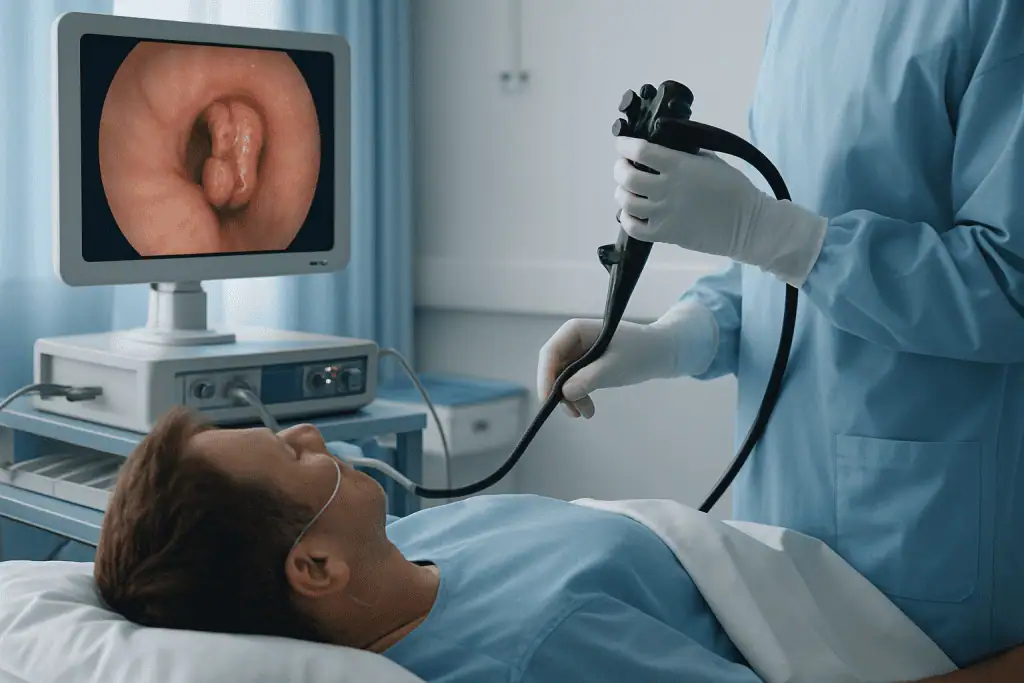
Diagnosis usually begins with upper gastrointestinal endoscopy. During this examination, a flexible camera is passed through the mouth to view the esophagus, stomach and upper small intestine. If an abnormal area is seen, tissue samples are taken for biopsy. A pathologist examines the biopsy to confirm whether cancer is present and to identify the tumor type.
Once cancer is confirmed, staging tests help define the extent of disease. These may include endoscopic ultrasound to evaluate the depth of tumor growth and nearby lymph nodes, computed tomography scans of the chest and abdomen, positron emission tomography combined with CT in selected patients, bronchoscopy for tumors near the airway, and laboratory testing. In some cases, staging laparoscopy may be used, particularly for tumors near the gastroesophageal junction, to look for small areas of spread that may not be visible on imaging.
Pathology testing may also include molecular or biomarker evaluation. These tests can help determine whether targeted therapy or immunotherapy may be useful, especially in advanced or recurrent disease. The exact tests depend on tumor type, stage and international treatment guidelines.
Patient situations that commonly lead to treatment
- A biopsy confirms adenocarcinoma or squamous cell carcinoma of the esophagus.
- A patient with Barrett’s esophagus develops high-grade dysplasia or very early cancer.
- Imaging shows a tumor that may be removable with surgery after appropriate preoperative therapy.
- Swallowing is impaired and the patient needs treatment to restore nutrition and comfort.
- Cancer has spread, and systemic treatment is needed to control disease and symptoms.
- A patient seeks a second opinion to confirm stage, operability or the best sequence of treatment.
Conditions and Indications Addressed by Esophageal Cancer Treatment
Esophageal cancer treatment addresses a range of disease stages and related clinical problems. In early disease, the indication may be removal of abnormal tissue before it spreads. In locally advanced disease, the aim is often to shrink the tumor, treat lymph nodes and remove the cancer surgically if possible. In metastatic disease, treatment is selected to slow progression, reduce symptoms and preserve quality of life.
Early esophageal cancer may be limited to the mucosa, the inner lining of the esophagus. When carefully staged, some of these lesions can be treated through endoscopic resection, sometimes followed by ablation of remaining abnormal lining in patients with Barrett’s esophagus. This can preserve the esophagus and avoid major surgery in selected cases.
Locally advanced esophageal cancer may involve deeper layers of the esophageal wall or regional lymph nodes. Treatment commonly includes chemotherapy and radiotherapy before surgery, or chemotherapy before surgery in selected cases. The purpose is to reduce tumor burden, treat microscopic disease and improve the chance of a complete surgical removal when surgery is appropriate.
Cancers of the gastroesophageal junction, where the esophagus meets the stomach, require careful planning because they may be treated with principles from both esophageal and gastric cancer care. Surgical approach, radiation fields and systemic therapy choices depend on exact tumor location and extent.
Advanced or metastatic esophageal cancer may involve distant lymph nodes, liver, lungs, bones or other sites. In this setting, systemic therapies are usually the main treatment. These may include chemotherapy, immunotherapy, targeted therapy for tumors with specific biomarkers, or combinations. Palliative radiotherapy, endoscopic stenting, feeding access or pain management may be added when needed.
Recurrent esophageal cancer may occur after previous surgery, chemotherapy or radiotherapy. Treatment depends on where the cancer has returned, prior therapies, time since treatment and the patient’s general health. A second opinion is often valuable in recurrence because options may include additional systemic therapy, local treatment, clinical strategy review, nutritional support and symptom-directed procedures.
How Esophageal Cancer Treatment Is Performed
Esophageal cancer treatment begins before the first therapy is delivered. Preparation, staging, nutrition assessment and multidisciplinary planning influence both safety and outcomes. Because swallowing difficulty and weight loss are common, patients are often evaluated for nutritional risk early in the process. In some cases, dietary modification, oral supplements, feeding tube placement or other nutritional interventions are recommended before chemotherapy, radiotherapy or surgery.
Step 1: Confirming the diagnosis and reviewing the pathology
The first step is confirmation of the tumor type. Biopsy slides or tissue blocks may be reviewed, especially when a patient travels from another country with prior testing. Pathology review verifies whether the cancer is adenocarcinoma, squamous cell carcinoma or a less common tumor. Additional testing may assess biomarkers that can guide targeted treatment or immunotherapy.
Step 2: Completing staging and assessing overall health
Accurate staging determines whether the cancer is localized, locally advanced or metastatic. Imaging and endoscopic tests help evaluate tumor depth, lymph nodes and distant spread. At the same time, physicians assess heart and lung function, kidney and liver function, nutritional status, performance status and other medical conditions. This is especially important before esophagectomy, which is a major operation requiring careful patient selection and preparation.
Step 3: Multidisciplinary treatment planning
After staging, the case is discussed by the appropriate oncology team or tumor board. The team considers international guidelines, available evidence, the patient’s prior care, and personal factors such as age, fitness, swallowing ability, travel needs and treatment goals. This step helps decide whether the best pathway is endoscopic therapy, surgery, chemotherapy, radiotherapy, immunotherapy, targeted therapy, palliative care interventions or a combination.
Step 4: Treatment before surgery when needed
For many patients with locally advanced esophageal cancer, treatment begins with chemotherapy, radiotherapy or both before surgery. This is called neoadjuvant therapy. Its purpose is to treat the primary tumor and nearby lymph nodes, address microscopic cancer cells and improve the likelihood that surgery can remove all visible disease. Treatment schedules vary by tumor type, stage and patient fitness.
Radiotherapy uses carefully planned beams of radiation directed at the tumor and selected lymph node areas. Modern planning techniques use detailed imaging to shape the treatment area and limit radiation exposure to nearby organs as much as possible. Chemotherapy may be given at intervals during the same period, depending on the protocol. Patients are monitored for side effects such as fatigue, nausea, decreased appetite, esophagitis, low blood counts and dehydration.
Step 5: Surgery when the cancer is operable
Surgery for esophageal cancer is called esophagectomy. It involves removing the cancer-containing part of the esophagus, nearby lymph nodes and sometimes a portion of the upper stomach. The remaining stomach is usually reshaped and brought up to connect with the remaining esophagus, creating a new pathway for swallowing. The exact operation depends on tumor location, previous treatment, anatomy and surgeon assessment.
Esophagectomy may be performed through open, minimally invasive or combined approaches. Minimally invasive techniques use small incisions and camera-guided instruments in selected patients. The aim is to remove the tumor completely, perform appropriate lymph node dissection and restore gastrointestinal continuity. The operation is complex and may take several hours. Patients are cared for closely after surgery, often beginning in a high-dependency or intensive care setting for monitoring.
Not every patient is a surgical candidate. If cancer has spread widely, if the tumor cannot be safely removed, or if the patient’s heart, lung or overall condition makes surgery too risky, the team may recommend non-surgical treatment. This does not mean care stops. Chemotherapy, radiotherapy, immunotherapy, targeted therapy, endoscopic procedures and supportive care can still play important roles.
Step 6: Systemic therapies for local or advanced disease
Systemic therapies travel through the bloodstream to treat cancer cells throughout the body. Chemotherapy remains an important treatment for many stages of esophageal cancer. It may be given before surgery, after surgery, with radiotherapy, or as the main treatment in metastatic disease.
Immunotherapy helps the immune system recognize and attack cancer cells in selected patients. It may be recommended depending on stage, tumor type, biomarker results, previous therapies and current guidelines. Targeted therapy may be used when the cancer has specific molecular features that make it likely to respond. These approaches are not appropriate for every tumor, which is why biomarker testing and oncology review are essential.
Step 7: Endoscopic and supportive procedures
Some patients need procedures to improve swallowing or nutrition. Endoscopic dilation may widen a narrowed area in selected cases. A stent may be placed to keep the esophagus open when swallowing is severely impaired, particularly in palliative settings. Feeding access may be recommended if oral intake is not adequate. Pain control, anti-nausea treatment, reflux management, speech and swallowing support, and dietitian-led care can be important throughout the pathway.
Step 8: Recovery and follow-up
Recovery depends on the treatments used. After chemotherapy or radiotherapy, many side effects improve gradually over days to weeks, although fatigue and swallowing discomfort may take longer. After esophagectomy, hospital recovery is usually measured in days to more than a week, depending on the surgical approach and the patient’s condition. Full adjustment to eating patterns, energy levels and digestion often takes months.
Follow-up visits monitor healing, nutrition, weight, swallowing, treatment response and signs of recurrence. Imaging, endoscopy and laboratory testing may be scheduled according to stage and treatment plan. For international patients, follow-up planning should include coordination with physicians at home when appropriate, so that monitoring can continue after return.
Why Acting Early Matters
Esophageal cancer can progress silently. Many patients do not develop significant swallowing difficulty until the tumor has already narrowed the esophagus. Delaying evaluation may allow the cancer to grow deeper into the esophageal wall, involve more lymph nodes or spread to distant organs. These changes can reduce the range of treatment options and may make curative surgery less likely.
Early action is also important for nutrition. Difficulty swallowing can lead to weight loss, dehydration, muscle loss and reduced tolerance for chemotherapy, radiotherapy or surgery. Patients who begin treatment in a weakened nutritional state may face more interruptions and a more difficult recovery. Addressing diet, swallowing and feeding support early can make the overall treatment plan safer and more manageable.
Timely staging is equally important. Some patients receive incomplete information or conflicting recommendations before all tests are finished. A structured diagnostic pathway helps avoid under-treatment and over-treatment. It also helps the team decide whether treatment should begin with endoscopic therapy, systemic therapy, chemoradiotherapy, surgery or symptom relief.
Warning signs such as progressive swallowing difficulty, unexplained weight loss, vomiting, black stools, anemia, hoarseness or persistent chest discomfort should not be ignored. These symptoms require medical evaluation, even if the cause turns out to be benign. When esophageal cancer is present, earlier diagnosis can expand the possibilities for treatment.
Benefits of Esophageal Cancer Treatment
The potential benefits depend on the cancer stage, tumor biology and the patient’s overall health, but appropriate treatment can address both disease control and daily function.
| Benefit | What It Means for You |
|---|---|
| Accurate staging before treatment | Your care team can choose a treatment sequence based on how far the cancer has spread, reducing the risk of unnecessary or incomplete therapy. |
| Possibility of curative treatment in selected stages | When cancer is localized or locally advanced but operable, combined treatment may aim to remove all visible disease and reduce recurrence risk. |
| Improved swallowing and nutrition | Treatment and supportive procedures may help you eat more comfortably, maintain weight and tolerate therapy more effectively. |
| Personalized systemic therapy | Biomarker testing may identify whether immunotherapy or targeted therapy is appropriate for your tumor type and stage. |
| Symptom control in advanced disease | Radiotherapy, systemic treatment, stents, pain management and nutritional support can help reduce symptoms and preserve daily function. |
| Coordinated long-term follow-up | Surveillance can monitor recovery, manage late effects, detect recurrence when possible and support your return to normal routines. |
Recovery Timeline After Esophageal Cancer Treatment
Recovery varies widely depending on whether treatment includes endoscopic therapy, chemotherapy, radiotherapy, surgery or systemic therapy for advanced disease.
| Time Period | What Patients Can Expect |
|---|---|
| Day 1 | After endoscopic treatment, many patients are monitored briefly and may begin a gradual diet plan. After major surgery, patients are closely monitored in a specialized recovery or intensive care setting. During chemotherapy or radiotherapy, most patients return home or to accommodation the same day unless additional support is needed. |
| First Week | Patients may experience fatigue, swallowing discomfort, reduced appetite or treatment-related nausea. After esophagectomy, breathing exercises, pain control, early mobilization and careful nutrition planning are central to recovery. |
| First Month | Energy gradually improves for many patients, although eating patterns may change. Smaller, more frequent meals are often needed after esophageal surgery. Side effects from chemoradiotherapy are assessed, and the team may plan surgery, additional therapy or response evaluation. |
| First Three Months | Patients continue rebuilding strength and weight. Follow-up imaging, endoscopy or oncology visits may be scheduled depending on the treatment plan. Some patients begin or continue adjuvant therapy after surgery. |
| Longer Term | Regular surveillance monitors for recurrence and manages issues such as reflux, swallowing changes, nutritional deficiencies, fatigue or digestive symptoms. Many patients adapt well over time with dietary guidance and follow-up care. |
Factors That Influence Outcomes and a Good Result
Outcomes in esophageal cancer are influenced by several interrelated factors. The most important is stage at diagnosis. Tumors found before they spread deeply or involve distant organs generally have more treatment options. Lymph node involvement, tumor length, response to preoperative therapy and whether all visible cancer can be removed surgically also affect prognosis.
Tumor biology matters as well. Adenocarcinoma and squamous cell carcinoma can respond differently to chemotherapy, radiotherapy and immunotherapy. Biomarker results may guide treatment options in advanced disease. A tumor’s response to chemoradiotherapy before surgery can provide important information about future risk and the need for additional therapy.
The patient’s general health is another key factor. Heart and lung function, nutritional status, muscle strength, kidney function, diabetes control and smoking history can all influence treatment tolerance and surgical risk. Patients who are medically optimized before treatment often recover more smoothly. This may include improving nutrition, stopping smoking, treating anemia, managing reflux, strengthening breathing capacity and controlling chronic conditions.
Experience and coordination within the care team also matter. Esophageal cancer treatment requires precise staging, careful radiation planning, skilled surgery when indicated, appropriate systemic therapy and vigilant postoperative care. Communication among specialists helps ensure that treatment is delivered in the right order and adjusted when new information becomes available.
A good result is not defined only by cancer control. It also includes the ability to swallow, maintain nutrition, return to meaningful activities, manage side effects and understand the follow-up plan. For some patients, the priority is curative-intent treatment. For others, the priority may be symptom relief, time with family, travel planning or quality of life. Thoughtful care recognizes these differences and incorporates them into medical decisions.
Why International Patients Choose Acibadem for Esophageal Cancer Care
International patients who consider esophageal cancer treatment in Turkey are often seeking more than a medical appointment. They need an accurate diagnosis, timely access to multiple specialists, careful review of prior records, clear communication in their language and a treatment plan that can be coordinated around travel. Acibadem’s international patient structure is designed to support these needs while keeping medical decision-making at the center of care.
Acibadem Hospitals are JCI-accredited, reflecting internationally recognized standards for patient safety, quality processes and hospital operations. For esophageal cancer, care may involve several hospital departments, from endoscopy and imaging to oncology, surgery, intensive care, nutrition and rehabilitation. Accreditation supports a consistent framework for coordination across these services.
One of the most important strengths in esophageal cancer care is multidisciplinary planning. Cases can be reviewed by oncology teams that include medical oncology, radiation oncology, surgery, radiology, pathology, nuclear medicine and supportive care specialists. This is particularly valuable when a patient has been told different things in different countries, such as whether surgery is possible, whether chemotherapy should come first, or whether immunotherapy is appropriate.
Diagnostic pathways at Acibadem may include high-resolution endoscopic assessment, biopsy and pathology review, cross-sectional imaging, metabolic imaging when indicated, endoscopic ultrasound, bronchoscopy for selected tumors, laboratory evaluation and biomarker testing. These tools help define the stage and biology of the disease. The goal is to build a treatment plan on complete information rather than assumptions.
Technology is used to support precision and safety. In radiotherapy, advanced imaging-based planning helps physicians shape radiation delivery to the tumor area while limiting exposure to nearby organs as much as possible. In surgery, minimally invasive approaches may be considered for suitable patients, using camera-guided techniques that allow surgeons to operate through smaller incisions. In pathology and molecular testing, detailed tissue analysis can help identify treatment-relevant tumor features. In intensive care and postoperative monitoring, specialized systems support recovery after complex operations.
Experienced physicians are central to this process. Esophageal cancer treatment requires judgment as well as technology: knowing when a tumor is operable, when preoperative treatment is needed, how to reduce surgical risk, when a stent is appropriate, how to manage nutrition and how to adjust treatment if side effects occur. Patients benefit when these decisions are made by clinicians who regularly manage complex gastrointestinal and thoracic cancers.
For international patients, Acibadem International provides assistance in more than 20 languages. Services may include medical record coordination, appointment scheduling, hospital admission guidance, interpretation support and help with practical arrangements related to travel and accommodation. These services do not replace clinical care, but they help patients and families navigate a foreign healthcare system more comfortably and efficiently.
Personalized treatment planning is especially important for esophageal cancer because two patients with the same diagnosis may need different care. A fit patient with a tumor in the lower esophagus and limited lymph node involvement may be considered for chemoradiotherapy followed by surgery. Another patient with a similar tumor but significant heart or lung disease may need a different approach. A patient with metastatic disease may benefit from systemic therapy guided by biomarkers, with local treatment added for swallowing symptoms. The right plan depends on the whole picture.
Acibadem’s approach is to align the treatment pathway with international evidence-based protocols while adapting the details to the patient’s medical condition and personal circumstances. For patients traveling from the United States, Europe, the Middle East, Africa or other regions, this can include a second opinion before travel, a plan for diagnostic completion after arrival and coordination with home physicians for follow-up when appropriate.
Moving Forward With Clarity
Esophageal cancer is a serious diagnosis, but it is not a single-path disease. Treatment may involve endoscopic therapy, chemotherapy, radiotherapy, surgery, targeted therapy, immunotherapy or supportive procedures, depending on the stage and tumor characteristics. The most important first step is to understand the disease accurately: what type it is, where it is located, how far it has spread and what treatment sequence offers the most appropriate balance of effectiveness and safety.
If you or a loved one has been diagnosed with esophageal cancer, or if you have been advised to consider surgery, chemotherapy, radiotherapy or immunotherapy, a specialist review can help clarify your options. International patients may request a consultation or second opinion with Acibadem to have medical records, imaging and pathology reviewed by the relevant team and to discuss a personalized treatment plan.
This information is general and is not a substitute for professional medical advice. Diagnosis and treatment decisions should always be made with qualified physicians who can evaluate your individual medical condition.
Preparation
- Preparation usually includes endoscopy with biopsy, imaging such as PET-CT, blood tests, and assessment of nutrition and swallowing. Your team reviews medications, smoking status, heart and lung health, and any need for feeding support before treatment. A personalized plan is created after multidisciplinary evaluation.
Aftercare
- Aftercare focuses on nutrition, swallowing support, pain control, and managing side effects from chemotherapy, radiotherapy, or surgery. Follow-up visits may include imaging, endoscopy, blood tests, and rehabilitation when needed. Contact the care team promptly for fever, worsening swallowing, dehydration, bleeding, or breathing problems.
Turkey vs UK, Germany & USA
Esophageal cancer treatment costs vary because care often combines staging tests, oncology treatment, surgery, radiotherapy and follow-up. Comparing destinations can help patients understand how hospital pathways, specialist expertise and travel support may affect the overall experience.
The overall cost and patient journey depend on the complexity of staging, the treatment plan and the level of coordination required between oncology, surgery, radiotherapy, nutrition and supportive care teams.
| Factor | Turkey | UK | Germany | USA |
|---|---|---|---|---|
| Price drivers | Hospital category, specialist team, staging work-up, surgery type, systemic therapy, radiotherapy and intensive care needs may shape the quote. | Private care costs may depend on consultant fees, diagnostics, hospital stay, oncology drugs and access route. | Costs may vary by university or private hospital, diagnostic scope, surgical complexity and oncology protocol. | Costs are often influenced by hospital billing, physician fees, insurance authorisation, imaging, drugs and length of stay. |
| Hospital and surgeon factors | International patients often seek multidisciplinary cancer boards, experienced thoracic or upper gastrointestinal surgeons and coordinated oncology services. | Care may be delivered through specialist cancer centres or private hospitals with consultant-led pathways. | Care is commonly organised through specialist oncology and surgical centres with structured diagnostic pathways. | Care may involve large academic centres or private cancer networks, with access shaped by provider networks and insurance rules. |
| Accreditation and quality | Some hospitals serving international patients hold JCI accreditation and provide documented care pathways and international patient services. | Quality oversight is based on national regulation, clinical governance and specialist cancer service standards. | Quality is supported by national regulation, certified centres and hospital-level clinical governance. | Quality frameworks vary by hospital and may include national accreditation, cancer programme recognition and institutional protocols. |
| Waiting time and scheduling | Assessment and treatment planning may be coordinated quickly for international patients, depending on records and clinical urgency. | Timing may depend on referral route, local capacity, private availability and required diagnostics. | Scheduling depends on specialist availability, diagnostic completion and treatment sequencing. | Access may depend on insurance approval, provider availability and coordination between separate services. |
| Travel and language logistics | International patient departments may assist with appointments, interpreters, airport transfers and accommodation guidance. | Travel support is usually arranged privately unless offered by the hospital or facilitator. | Interpreter and travel support may be available, often requiring advance coordination. | Travel, accommodation and interpreter services may be arranged separately unless provided by the centre. |
| Typical package content | A package may include specialist consultation, review of records, diagnostic planning, hospital services, treatment coordination and interpreter support. | Private packages may separate consultation, diagnostics, treatment, hospital stay and medication costs. | Packages may include diagnostic review and treatment planning, while complex oncology care is often itemised. | Billing is commonly itemised across facility, physicians, diagnostics, drugs and supportive services. |
What affects your final cost
- Tumor location, type, spread and clinical stage after specialist staging.
- Need for endoscopy, biopsy review, advanced imaging, cardiac or lung assessment and nutrition support.
- Whether treatment includes surgery, chemotherapy, radiotherapy, targeted therapy, immunotherapy or a combination.
- Type and complexity of esophageal surgery, including intensive care and hospital stay requirements.
- Choice of hospital, surgeon and oncology team, including multidisciplinary tumour board planning.
- Medication selection, treatment duration, side effect management and follow-up schedule.
- Interpreter services, travel arrangements, accommodation and companion needs.
Compare your options
Esophageal cancer care is individualised after staging and multidisciplinary review. The suitability of each option is decided by a specialist team based on tumor type, stage, location, general health and treatment goals.
| Option | What it is | Typical use | Key considerations |
|---|---|---|---|
| Endoscopic treatment | Removal or local treatment of very superficial disease through an endoscope. | May be considered for selected early lesions that have not deeply invaded the esophageal wall. | Requires careful staging, expert endoscopy and close surveillance after treatment. |
| Surgery | Removal of part or most of the esophagus with reconstruction, often called esophagectomy. | Used for selected operable tumors, sometimes after chemotherapy or chemoradiotherapy. | Major surgery requiring experienced surgical, anesthesia, intensive care, nutrition and rehabilitation teams. |
| Chemotherapy | Drug treatment that circulates through the body to attack cancer cells. | May be used before surgery, after surgery, with radiotherapy or for advanced disease control. | Choice of drugs depends on tumor type, stage, performance status and previous treatments. |
| Radiotherapy or chemoradiotherapy | Radiation treatment aimed at the tumor area, sometimes combined with chemotherapy. | May be used before surgery, as definitive treatment for selected patients, or to relieve symptoms. | Planning requires imaging, dose mapping and attention to swallowing, lung and heart exposure. |
| Targeted therapy or immunotherapy | Medicines selected according to tumor biology and immune markers. | May be used for eligible patients, often in advanced or recurrent disease and sometimes alongside chemotherapy. | Requires pathology and biomarker testing; benefits and side effects vary by patient and tumor profile. |
| Palliative and supportive care | Care focused on symptom relief, nutrition, swallowing support and quality of life. | Used at any point when symptoms such as swallowing difficulty, pain or weight loss need active management. | May include stenting, feeding support, pain control, psychological support and coordinated follow-up. |
Trusted care for international patients
General information only — not medical or financial advice. Final costs depend on the factors above and your individual case; request a free, personalised quote.
Doctors Performing This Treatment
Prof. Dr. Abdullah Büyükçelik
Medical Oncology
Prof. Dr. Ahmet Öztürk
Hematology
Prof. Dr. Ali Arican
Medical Oncology
Prof. Dr. Ayşen Timurağaoğlu
Hematology
Prof. Dr. Aziz Yazar
Medical Oncology
Prof. Dr. Başak Oyan Uluç
Medical Oncology
Prof. Dr. Bülent Karabulut
Medical Oncology
Prof. Dr. Bülent Orhan
Medical Oncology
Prof. Dr. Eren Erken
Hematology
Prof. Dr. Ersin Özaslan
Medical Oncology
Prof. Dr. Faysal Dane
Medical Oncology
Prof. Dr. Gökhan Demir
Medical Oncology
Prof. Dr. Gül Başaran
Medical Oncology
Prof. Dr. Gülsan Sucak
Hematology
Prof. Dr. Handan Onur Topuzlu
Medical Oncology
Prof. Dr. Hüseyin Engin
Medical Oncology
Prof. Dr. Meliha Nalçacı
Hematology
Prof. Dr. Mustafa Çetiner
Hematology
Prof. Dr. Okan Kuzhan
Medical Oncology
Prof. Dr. S. Sami Kartı
Hematology
Prof. Dr. Salim Başol Tekin
Hematology
Prof. Dr. Siret Ratip
Hematology
Prof. Dr. Soner Solmaz
Hematology
Prof. Dr. Taner Korkmaz
Medical OncologyMedical Units
Available at These Hospitals












Diseases This Treats
Frequently Asked Questions
What affects the cost of esophageal cancer treatment?
The cost depends on staging tests, tumor type and stage, whether surgery is needed, the use of chemotherapy, radiotherapy, targeted therapy or immunotherapy, hospital stay, intensive care needs, pathology and biomarker testing, supportive care and follow-up. A personalised quote can only be prepared after medical record review by the oncology team.
How can I get a personalised quote from Acibadem?
You can request a free consultation by sharing available medical records, endoscopy and biopsy reports, imaging results and a summary of previous treatments. The international patient team can coordinate specialist review and provide an estimated treatment plan and package details.
Does a treatment package usually include all cancer medicines?
Not always. Some packages include consultation, hospital services and planned procedures, while systemic medicines, targeted therapy, immunotherapy, additional tests or management of side effects may be quoted separately. The written offer should be checked carefully before travel.
Why can the final cost change after arrival?
The plan may change if new staging tests show different disease extent, if the patient needs additional cardiology, lung or nutrition assessment, or if the multidisciplinary team recommends a different sequence of treatment. Any change should be discussed with the patient before proceeding.
Is treatment in Turkey suitable for international patients with esophageal cancer?
Turkey can be an option for international patients who need coordinated oncology, surgery, radiotherapy and supportive care services. Suitability depends on the patient’s medical condition, travel fitness and specialist assessment; this information is general and is not medical or financial advice.