

Vulvar Cancer Treatment
Vulvar cancer treatment may include surgery, radiation therapy, chemotherapy or combined care, depending on tumor stage, location and overall health. Early diagnosis supports more effective, organ-sparing treatment options.
Quick answer
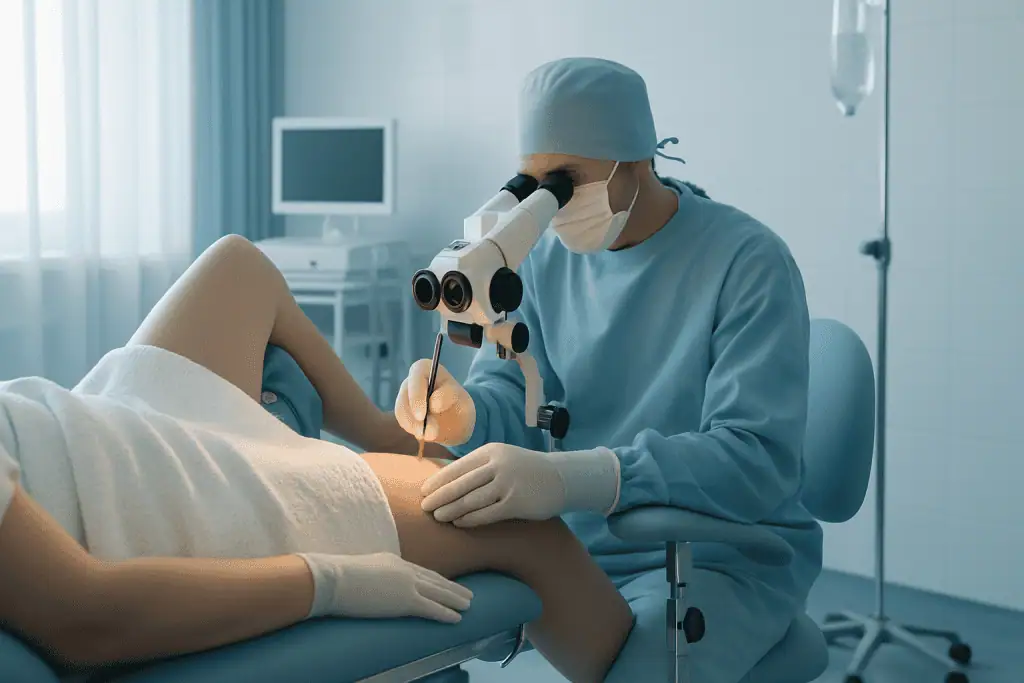
Vulvar cancer is a cancer of the outer female genital area, and treatment is planned according to the tumor’s type, stage, location, and the patient’s overall health. At Acibadem in Turkey, care may include surgery, radiation therapy, chemotherapy, or a combination of these approaches, with evaluation aimed at selecting the most appropriate and tissue-preserving option when possible.
Facing Vulvar Cancer: Understanding the Decision Ahead
A diagnosis of vulvar cancer can feel deeply personal and emotionally difficult. The vulva is an intimate part of the body, and many patients worry not only about cancer treatment, but also about pain, appearance, sexual health, urinary function, lymph node surgery, recovery, and whether life will feel normal again. For international patients, these concerns may be accompanied by practical questions: Where should I be treated? Will I need surgery, radiation therapy, chemotherapy, or a combination? How long will I need to stay abroad? Can my care team coordinate everything clearly in my language?
Vulvar cancer is uncommon compared with other gynecologic cancers, but it requires careful evaluation by specialists who understand both cancer control and preservation of function. Treatment decisions depend on the size and location of the tumor, whether lymph nodes are involved, the exact cancer type, previous treatments, other medical conditions, and your personal priorities. In many cases, especially when cancer is found early, treatment can be planned with the goal of removing or controlling the disease while preserving as much normal anatomy and function as safely possible.
Timely care matters. Vulvar cancers may begin as a persistent sore, lump, thickened patch, itching, burning, bleeding, or pain that does not improve. Because symptoms can resemble infections, skin conditions, or irritation, diagnosis is sometimes delayed. When vulvar cancer is confirmed, an organized treatment plan helps reduce uncertainty and gives you a clearer path forward. At Acibadem, care is planned through experienced gynecologic oncology teams, diagnostic specialists, radiation oncologists, medical oncologists, pathologists, radiologists, nurses, and international patient coordinators when needed, so that treatment is both medically sound and logistically manageable.
What Vulvar Cancer Treatment Is
Vulvar cancer treatment is the medical and surgical care used to remove, destroy, or control cancer that develops on the external female genital area. The vulva includes the labia majora, labia minora, clitoris, vaginal opening, urethral opening, perineum, and nearby skin. Most vulvar cancers are squamous cell carcinomas, which begin in the thin, flat cells on the surface of the skin. Less commonly, vulvar cancer may be melanoma, adenocarcinoma, basal cell carcinoma, Paget disease of the vulva, or other rare tumor types.
Treatment is individualized. For some patients, surgery alone may be enough. For others, radiation therapy, chemotherapy, or a combination of treatments may be recommended to reduce the tumor before surgery, treat lymph nodes, lower the risk of recurrence, or manage cancer that has spread beyond the vulva. The central aim is to treat the cancer effectively while preserving urinary, sexual, and bowel function whenever possible.
Surgical treatment may range from a local excision of the tumor with a rim of healthy tissue to more extensive vulvar surgery. Lymph node assessment is often an important part of treatment because vulvar cancer can spread first to the groin lymph nodes. In selected early-stage cases, sentinel lymph node biopsy may be used to identify the first lymph node or nodes most likely to receive cancer cells from the tumor area. This can help avoid more extensive lymph node removal in appropriate patients.
Radiation therapy uses carefully planned high-energy beams to target cancer cells while limiting exposure to surrounding tissues. Chemotherapy may be used together with radiation to make cancer cells more sensitive to treatment, or it may be used in advanced or recurrent disease. The plan is guided by pathology results, imaging findings, tumor stage, general health, and patient preferences after a detailed discussion of expected benefits and possible side effects.
Who May Need Vulvar Cancer Treatment
Vulvar cancer treatment may be needed when a biopsy confirms cancer or when a precancerous vulvar condition has a high risk of progression. Many patients first seek medical attention because of symptoms that persist despite creams, antibiotics, antifungal treatments, or other therapies. Common warning signs include ongoing vulvar itching, pain, burning, tenderness, a lump or wart-like growth, a sore that does not heal, bleeding unrelated to menstruation, changes in vulvar skin color or thickness, pain during sexual activity, or discomfort when urinating.
Some people have no obvious symptoms in the early stages. Others may have a history of vulvar skin conditions such as lichen sclerosus, human papillomavirus-related disease, vulvar intraepithelial neoplasia, previous cervical or vaginal precancer, immune suppression, smoking, or chronic inflammation. Vulvar cancer is more common in older women, but it can occur at younger ages, particularly when associated with HPV-related disease.
Diagnosis begins with a careful examination of the vulva, groin, vagina, cervix, and surrounding tissues. A biopsy is essential because visual examination alone cannot reliably distinguish cancer from benign skin disease. During biopsy, a small sample of tissue is removed and examined by a pathologist to identify the cancer type, depth of invasion, and other features that influence treatment. If cancer is confirmed, further evaluation may include pelvic examination, imaging studies such as ultrasound, MRI, CT, or PET-based imaging when appropriate, and laboratory tests to assess overall health before treatment.
Patients may need treatment in several situations: newly diagnosed early-stage vulvar cancer, locally advanced disease involving nearby structures, cancer that has spread to groin lymph nodes, recurrent vulvar cancer after previous treatment, or rare vulvar tumor types that require specialized planning. A second opinion may also be valuable when the proposed treatment is extensive, when fertility or sexual function concerns are significant, or when the diagnosis involves a rare pathology subtype.
Conditions and Indications Vulvar Cancer Treatment Addresses
Vulvar cancer treatment addresses malignant tumors of the vulva and related high-risk conditions that may progress or recur. The most common indication is invasive squamous cell carcinoma of the vulva. Treatment also may be needed for vulvar melanoma, extramammary Paget disease with invasive cancer, Bartholin gland carcinoma, adenocarcinoma, sarcoma, basal cell carcinoma in selected cases, and recurrent vulvar tumors after previous surgery or radiation therapy.
Care planning also considers precancerous vulvar conditions. Vulvar intraepithelial neoplasia, sometimes called VIN, is not invasive cancer, but some types can develop into cancer if untreated. Differentiated VIN, often associated with chronic skin disorders such as lichen sclerosus, may carry a higher risk of progression than HPV-related low-grade abnormalities. Treatment for precancerous disease may include local excision, laser treatment, topical therapies, or close surveillance, depending on the diagnosis and extent of disease.
For invasive cancer, staging is central to treatment selection. Early-stage tumors confined to the vulva may be treated surgically, often with attention to preserving normal tissue and minimizing long-term swelling in the legs. Larger tumors, tumors close to the urethra, clitoris, anus, or vagina, and cancers involving lymph nodes may require combined treatment. In some cases, radiation and chemotherapy are used before surgery to shrink the tumor and make a less extensive operation possible. In others, surgery is followed by radiation or chemoradiation if pathology shows features associated with a higher risk of recurrence.
Treatment is also important for symptom relief. Advanced vulvar cancer can cause pain, bleeding, infection, difficulty sitting or walking, urinary discomfort, or emotional distress. Even when a cure is not possible, carefully selected treatments can help control symptoms, improve comfort, and support quality of life.
How Vulvar Cancer Treatment Is Performed
Evaluation and Treatment Planning
Vulvar cancer care begins with confirming the diagnosis and understanding the full extent of disease. Your team reviews biopsy results, pathology details, physical examination findings, imaging studies, medical history, current medications, and any prior gynecologic or cancer treatments. The pathology report is especially important because it describes the cancer type, depth of invasion, grade, margin status if prior surgery was performed, and features such as lymphovascular invasion.
Imaging is selected according to the clinical situation. MRI may be used to evaluate how deeply a tumor extends and whether nearby structures are involved. CT or PET-based imaging may be considered when lymph node involvement or spread beyond the vulva is suspected. Ultrasound may be used to evaluate groin lymph nodes, sometimes with needle biopsy if a node appears abnormal. These tests help the care team decide whether surgery, radiation therapy, chemotherapy, or combined care is most appropriate.
At Acibadem, complex cases may be discussed in multidisciplinary tumor boards or specialist meetings. This allows gynecologic oncology, radiation oncology, medical oncology, radiology, pathology, nuclear medicine, reconstructive surgery, anesthesia, pain management, and supportive care teams to align around a treatment plan. For international patients, this planning also considers travel schedule, recovery needs, translation support, and follow-up arrangements after returning home.
Preparation Before Treatment
Preparation depends on the recommended treatment. Before surgery, patients typically undergo blood tests, anesthesia assessment, review of medications, and evaluation of chronic conditions such as diabetes, heart disease, blood clot risk, or immune suppression. Smoking cessation is strongly encouraged because smoking can impair wound healing and may increase treatment complications. If extensive surgery or reconstruction is expected, a plastic and reconstructive surgeon may be involved in planning.
Before radiation therapy, a planning session is performed to map the treatment area precisely. This may include CT-based simulation and positioning devices that help reproduce the same body position for each session. The radiation oncology team designs a plan intended to target the tumor area and at-risk lymph nodes while reducing dose to nearby organs such as the bladder, rectum, bowel, and healthy skin. If chemotherapy is planned, the medical oncology team reviews kidney function, blood counts, hearing or nerve symptoms when relevant, and overall fitness for treatment.
Surgery for Vulvar Cancer
Surgery remains a major treatment for many vulvar cancers. The extent of surgery is matched to the tumor. A wide local excision removes the tumor with a surrounding margin of normal tissue. A partial vulvectomy removes a larger portion of the vulva when needed. More extensive surgery is reserved for selected cases where cancer involves a broader area or nearby structures. Surgeons aim to remove the cancer completely while preserving function and appearance as much as medically appropriate.
Lymph node evaluation is often performed during the same operation or as part of the overall surgical plan. Sentinel lymph node biopsy may be recommended for selected patients with early-stage disease and no clinically suspicious groin nodes. During this procedure, tracer techniques help identify the first draining lymph node or nodes from the tumor site. If these nodes are free of cancer, some patients may avoid full groin lymph node dissection. If lymph nodes are enlarged, suspicious, or confirmed to contain cancer, more extensive lymph node surgery or radiation-based treatment may be recommended.
Modern surgical care also includes careful wound management. The vulvar area can be sensitive, and healing may be influenced by moisture, movement, diabetes, smoking, prior radiation, or infection risk. Some patients require reconstructive techniques using local tissue flaps to close the wound, protect function, and support healing. Pain control, urinary care, prevention of blood clots, and early mobilization are part of postoperative recovery.
Radiation Therapy and Chemotherapy
Radiation therapy may be used after surgery if pathology shows close or positive margins, lymph node involvement, or other higher-risk features. It may also be used as a primary treatment for patients whose tumors are not best treated with surgery, or in combination with chemotherapy for locally advanced disease. Radiation schedules vary, but treatment is often delivered over several weeks in short outpatient sessions.
Chemotherapy is commonly used with radiation in selected patients because certain drugs can increase the sensitivity of cancer cells to radiation. This combined approach is called chemoradiation. Chemotherapy may also be considered for advanced, metastatic, or recurrent vulvar cancer. The choice of medication depends on cancer type, previous treatments, kidney function, blood counts, performance status, and treatment goals. For rare tumor types such as melanoma, the medical oncology approach may differ and may include systemic therapies based on tumor biology.
Technology supports precision at several points in treatment. High-resolution imaging helps define the tumor and lymph node regions. Radiation planning systems help shape dose distribution around the cancer while limiting exposure to healthy tissues. Image guidance during treatment helps confirm positioning. In surgery, mapping techniques for sentinel lymph nodes and magnified visualization may help the surgeon perform a more tailored operation. Pathology and laboratory testing provide the biological information needed to guide decisions.
Typical Duration and Recovery Process
The time needed for treatment varies. A surgical procedure may take one to several hours depending on the extent of tumor removal, lymph node assessment, and whether reconstruction is required. Hospital stay may range from a short admission to several days, particularly if lymph node surgery or reconstructive surgery is performed. Recovery after limited surgery may take a few weeks, while more extensive surgery may require a longer healing period.
Radiation therapy is usually delivered as a planned course over multiple weeks. When chemotherapy is added, visits may be coordinated with the radiation schedule. Side effects can include skin irritation, fatigue, urinary or bowel discomfort, temporary changes in blood counts, nausea, or appetite changes. Many side effects improve after treatment, although some patients need longer-term management for swelling, scarring, sexual discomfort, or skin sensitivity.
Follow-up is an essential part of vulvar cancer care. After treatment, patients are monitored for healing, symptom control, recurrence, and long-term effects. Follow-up visits typically include examination of the vulva and groin, review of symptoms, and imaging when clinically indicated. Patients are also supported with guidance on skin care, sexual health, pelvic floor function, lymphedema prevention, and emotional recovery.
Why Acting Early Matters
Early evaluation of vulvar symptoms can make a meaningful difference. When vulvar cancer is diagnosed at an earlier stage, treatment is often less extensive and may be more likely to preserve normal anatomy and function. Smaller tumors may be treated with local excision and selective lymph node assessment, while larger or neglected tumors may require more complex surgery, radiation, chemotherapy, or reconstructive procedures.
Delay can allow cancer to grow into nearby structures such as the urethra, vagina, anus, or deeper tissues. It can also increase the chance of spread to the groin lymph nodes. Lymph node involvement is one of the most important factors influencing treatment intensity and long-term outlook. As disease advances, patients may experience more pain, bleeding, infection, difficulty walking or sitting, and greater emotional burden.
Prompt diagnosis does not mean rushing into treatment without understanding your options. It means moving through the right steps efficiently: expert examination, biopsy confirmation, appropriate imaging, pathology review, staging, and treatment planning. For international patients, timely coordination is especially important because travel, visas, medical records, and recovery time need to be organized around clinical priorities.
Benefits of Vulvar Cancer Treatment
The potential benefits of treatment depend on the stage and biology of the cancer, but the goals are to control disease, preserve function when possible, and support quality of life.
| Benefit | What It Means for You |
|---|---|
| Cancer control | Treatment is designed to remove or destroy cancer cells in the vulva and, when needed, treat lymph nodes or other areas at risk. |
| More tailored surgery in early disease | When cancer is found early, some patients may be candidates for less extensive tissue removal and selective lymph node assessment. |
| Symptom relief | Treatment can reduce pain, bleeding, discharge, ulceration, infection, and discomfort with walking, sitting, urination, or sexual activity. |
| Preservation of function | Careful planning aims to protect urinary, bowel, sexual, and mobility function as much as safely possible. |
| Coordinated multidisciplinary care | Complex decisions are reviewed by relevant specialists so that surgery, radiation therapy, chemotherapy, reconstruction, and follow-up are aligned. |
| Ongoing surveillance | Regular follow-up helps detect recurrence or new vulvar changes early and manage long-term effects of treatment. |
Recovery Timeline After Vulvar Cancer Treatment
Recovery varies according to the treatment type and extent, but many patients find it helpful to understand the general milestones before planning travel and return to daily life.
| Time Period | What Patients Can Expect |
|---|---|
| Day 1 | After surgery, patients are monitored for pain control, bleeding, urinary function, wound care, and safe movement. After radiation or chemotherapy sessions, most patients return to their accommodation the same day unless additional care is needed. |
| First Week | Surgical swelling, tenderness, bruising, and fatigue are common. Instructions may include gentle hygiene, wound protection, activity limits, and medication management. Radiation-related skin changes may begin gradually during the treatment course. |
| First Month | Many patients notice steady healing after limited surgery, while more extensive operations may still require wound care and activity adjustments. If radiation therapy is ongoing, fatigue and skin irritation may become more noticeable. |
| Six to Twelve Weeks | Healing is usually more advanced, and patients may discuss return to exercise, work, travel, sexual activity, and pelvic floor support. Some may need continued care for wound healing, skin sensitivity, or groin swelling. |
| Longer Term | Follow-up focuses on surveillance for recurrence, management of scarring or lymphedema, sexual health, vulvar skin care, and emotional recovery. Some effects improve gradually over months. |
Factors That Influence Outcomes and a Good Result
Outcomes in vulvar cancer are influenced by several medical and personal factors. Stage at diagnosis is one of the most important. Tumors that are small, superficial, and confined to the vulva generally require less extensive treatment than cancers that involve lymph nodes or nearby organs. Lymph node status is particularly significant because cancer in the groin nodes may require additional treatment and closer follow-up.
The exact pathology also matters. Squamous cell carcinoma is treated differently from melanoma, Paget disease with invasion, adenocarcinoma, or sarcoma. Tumor depth, grade, margin status after surgery, lymphovascular invasion, and response to radiation or chemotherapy all help shape prognosis and future care. For this reason, careful pathology review is not a formality; it is a foundation of good treatment planning.
A good result is not defined only by removing the cancer. It also includes safe healing, preservation of urinary and bowel function, acceptable sexual comfort when possible, mobility, body image, and emotional recovery. The best surgical plan balances adequate cancer margins with thoughtful reconstruction and tissue preservation. The best radiation plan targets the necessary areas while limiting avoidable exposure to healthy tissues. The best systemic treatment plan considers both cancer biology and the patient’s overall health.
Patient factors also play a role. Diabetes, smoking, obesity, immune suppression, vascular disease, prior radiation, nutritional status, and medications that affect healing can influence recovery. Before treatment, your team may recommend steps to improve readiness, such as optimizing blood sugar, stopping tobacco, treating infection, adjusting blood thinners, improving nutrition, or arranging physical therapy support.
Adherence to follow-up is essential. Vulvar cancer can recur locally or in lymph nodes, and patients may also develop new precancerous or cancerous changes in the vulvar skin. Regular examinations allow concerns to be addressed early. Patients should report new itching, pain, ulcers, lumps, bleeding, groin swelling, or skin changes promptly rather than waiting for a scheduled visit.
Why International Patients Choose Acibadem for Vulvar Cancer Care
International patients considering vulvar cancer treatment abroad often look for three things: medical expertise, clear coordination, and a care environment that understands the sensitivity of the diagnosis. Acibadem Hospitals in Turkey provide gynecologic oncology care within JCI-accredited hospital settings, supported by multidisciplinary teams and international patient services designed for people traveling from abroad.
For vulvar cancer, treatment planning may involve gynecologic oncologists, radiation oncologists, medical oncologists, radiologists, pathologists, nuclear medicine specialists, reconstructive surgeons, anesthesiologists, oncology nurses, wound care professionals, pain specialists, and rehabilitation teams. This collaborative structure is especially important when decisions are nuanced, such as whether sentinel lymph node biopsy is appropriate, whether radiation should be given before or after surgery, whether reconstruction is needed, or how to manage recurrent disease after previous treatment.
Acibadem’s diagnostic pathways support evidence-based decision-making. Patients may undergo expert examination, biopsy review, cross-sectional imaging, lymph node evaluation, laboratory testing, and pre-anesthesia assessment. Treatment protocols are aligned with international oncology principles and adapted to each patient’s diagnosis, stage, health status, and personal priorities. When rare tumor types are involved, additional pathology and oncology review may help refine the plan.
Technology is used to support precision, safety, and coordination. Imaging systems help define the extent of disease. Radiation planning tools help shape treatment fields and protect nearby organs as much as possible. Surgical mapping methods can assist in sentinel lymph node identification in suitable cases. Advanced anesthesia, intensive care availability when needed, and modern operating room infrastructure support complex cancer surgery. The purpose of technology is not to add complexity, but to help the team make better decisions and deliver treatment more accurately.
International patient services are also an important part of the experience. Patients traveling to Turkey may need help with medical record review, appointment scheduling, language interpretation, hospital admission, treatment itineraries, accommodation guidance, and communication with family members or physicians at home. Acibadem International provides support in more than 20 languages, helping patients understand each stage of care and prepare for travel and follow-up.
Privacy and dignity are central in vulvar cancer care. Examinations and discussions involve intimate symptoms, sexual health, body image, and fears that many patients find difficult to voice. A respectful clinical environment allows patients to ask direct questions: How much tissue will be removed? Will I need lymph node surgery? Will I be able to urinate normally? When can I sit, walk, travel, or have sexual activity? What side effects should I expect? What happens if the cancer returns? These questions deserve clear, medically honest answers.
For many patients, a second opinion can be a helpful step before committing to treatment. This is particularly true when the proposed surgery is extensive, the tumor is near the clitoris, urethra, anus, or vagina, lymph nodes are involved, or previous treatment has already been performed. A second opinion can confirm the plan, identify alternatives, or explain why a combined approach may be recommended.
Moving Forward With Clarity
Vulvar cancer is a serious diagnosis, but it is also a condition where careful planning can make a meaningful difference. Early-stage disease may be treated with more focused approaches, while more advanced cancer can often be managed with coordinated surgery, radiation therapy, chemotherapy, reconstruction, and supportive care. The right plan begins with accurate diagnosis, expert staging, and a team that considers both cancer control and the person living through treatment.
If you or someone you love has been diagnosed with vulvar cancer, or if you have persistent vulvar symptoms that have not been explained, seeking specialist evaluation is an important next step. Acibadem can review medical records, pathology, imaging, and previous treatments to help determine appropriate options for care. International patients may request a consultation or second opinion to better understand the diagnosis, the treatment sequence, expected recovery, and practical travel considerations.
This information is general and is not a substitute for professional medical advice. Diagnosis and treatment decisions should be made with a qualified healthcare professional who can evaluate your individual condition.
Preparation
- Evaluation usually includes a pelvic examination, biopsy review, imaging and blood tests to define the cancer stage. Your care team reviews medications, anesthesia risks and whether lymph node assessment is needed. Smoking cessation and infection prevention may be recommended before surgery or radiation.
Aftercare
- Follow-up visits monitor wound healing, lymph node areas and possible side effects of radiation or chemotherapy. Patients may need pain control, wound care, hygiene guidance and support for sexual and urinary symptoms. Long-term surveillance is important to detect recurrence early.
Turkey vs UK, Germany & USA
Vulvar cancer treatment costs and care pathways vary by tumor stage, location, planned therapies and the patient’s overall health. Comparing destinations can help patients understand practical factors such as hospital coordination, accreditation, travel support and waiting times.
For international patients, the final cost is influenced by the treatment plan, hospital setting, specialist expertise and the level of support included before, during and after care.
| Factor | Turkey | UK | Germany | USA |
|---|---|---|---|---|
| Price drivers | Often package-based for international patients; cost depends on surgery type, oncology treatments, imaging and hospital stay | Private care costs vary by hospital and consultant; public access depends on eligibility and referral pathway | Costs vary by university hospital or private clinic, diagnostics, surgery and oncology services | Costs can vary widely by hospital network, physician fees, insurance status and facility charges |
| Hospital and specialist factors | Care may be coordinated by gynecologic oncology, radiation oncology, medical oncology and reconstructive teams | Specialist access may involve referral pathways; private care may offer direct consultant selection | Specialist cancer centers often provide structured diagnostic and treatment planning | Large cancer centers may offer broad subspecialty access, with billing often separated by provider and facility |
| Accreditation and quality | International hospitals may hold JCI accreditation and use multidisciplinary tumor boards | Quality standards depend on public or private provider and national clinical governance systems | Hospitals follow national and European quality frameworks; accreditation varies by center | Accreditation and cancer center designation vary; patients should confirm credentials and experience |
| Typical waiting times | Private international patient pathways may support faster scheduling after records are reviewed | Waiting times depend on public or private pathway, urgency and regional availability | Scheduling depends on center capacity, referrals and required diagnostics | Access may be faster in private settings, but depends on insurance authorization and specialist availability |
| Travel and language logistics | International patient teams may assist with airport transfers, interpreters, appointments and accommodation guidance | English language is straightforward for many patients; travel support varies by provider | Interpreter support may be needed; coordination varies by hospital | English language is common; travel distance and local accommodation can affect the overall experience |
| What a package may include | Consultation, diagnostic review, surgery or oncology sessions, hospital stay, interpreter support and care coordination may be bundled | Packages may be limited; consultations, tests and treatments may be billed separately in private care | Some centers provide international patient estimates, often itemized by service | Itemized billing is common, with separate charges for hospital, physician, anesthesia, imaging and medicines |
What affects your final cost
- Tumor stage, size, location and spread to lymph nodes
- Need for organ-sparing surgery, wider surgery or reconstructive procedures
- Whether sentinel lymph node assessment or lymph node surgery is required
- Use of radiation therapy, chemotherapy, targeted supportive care or combined treatment
- Pre-treatment tests such as biopsy review, imaging, pathology and laboratory work
- Length of hospital stay, anesthesia needs and post-operative wound care
- Need for interpreter services, transfers, accommodation support and follow-up planning
Compare your options
Vulvar cancer treatment is individualized, and suitability is decided by a specialist after examination, pathology review, imaging and assessment of overall health.
| Option | What it is | Typical use | Key considerations |
|---|---|---|---|
| Local excision | Surgical removal of the tumor with a rim of healthy tissue | Often considered for selected early disease when the tumor can be removed while preserving function | May support organ-sparing care, but margins and pathology results guide whether further treatment is needed |
| Partial or wider vulvar surgery | Removal of a larger affected area of the vulva | Used when the tumor is larger, multifocal or not suitable for limited excision | May require careful planning for wound healing, urinary comfort, sexual health and body image support |
| Lymph node assessment | Evaluation or removal of lymph nodes in the groin area | Used to check whether cancer has spread beyond the vulva | Approach depends on tumor features; possible effects include swelling, wound issues and need for additional therapy |
| Radiation therapy | Targeted high-energy treatment to destroy cancer cells | May be used after surgery, before surgery, or when surgery is not the best option | Treatment planning aims to protect nearby tissues; side effects and daily visits should be discussed |
| Chemotherapy or chemoradiation | Medicines used alone or with radiation to improve cancer control | May be recommended for locally advanced disease, lymph node involvement or selected recurrent cases | Requires assessment of kidney function, blood counts, general fitness and potential side effects |
| Reconstructive and supportive care | Procedures and services to support healing, function and quality of life | May be needed after wider surgery or during recovery from combined treatment | Can include plastic surgery input, pain control, wound care, physiotherapy and psychosocial support |
Trusted care for international patients
General information only — not medical or financial advice. Final costs depend on the factors above and your individual case; request a free, personalised quote.
Doctors Performing This Treatment

Prof. Dr. Abdullah Büyükçelik
Medical Oncology
Prof. Dr. Ahmet Öztürk
Hematology
Prof. Dr. Ali Arican
Medical Oncology
Prof. Dr. Ayşen Timurağaoğlu
Hematology
Prof. Dr. Aziz Yazar
Medical Oncology
Prof. Dr. Başak Oyan Uluç
Medical Oncology
Prof. Dr. Bülent Karabulut
Medical Oncology
Prof. Dr. Bülent Orhan
Medical Oncology
Prof. Dr. Eren Erken
Hematology
Prof. Dr. Ersin Özaslan
Medical Oncology
Prof. Dr. Faysal Dane
Medical Oncology
Prof. Dr. Gökhan Demir
Medical Oncology
Prof. Dr. Gül Başaran
Medical Oncology
Prof. Dr. Gülsan Sucak
Hematology
Prof. Dr. Handan Onur Topuzlu
Medical Oncology
Prof. Dr. Hüseyin Engin
Medical Oncology
Prof. Dr. Meliha Nalçacı
Hematology
Prof. Dr. Mustafa Çetiner
Hematology
Prof. Dr. Okan Kuzhan
Medical Oncology
Prof. Dr. S. Sami Kartı
Hematology
Prof. Dr. Salim Başol Tekin
Hematology
Prof. Dr. Siret Ratip
Hematology
Prof. Dr. Soner Solmaz
Hematology
Prof. Dr. Taner Korkmaz
Medical OncologyMedical Units
Available at These Hospitals












Diseases This Treats
Frequently Asked Questions
What affects the cost of vulvar cancer treatment?
The main factors are the disease stage, tumor location, type of surgery, lymph node assessment, pathology review, imaging, hospital stay and whether radiation therapy or chemotherapy is needed. Support services such as interpreters, transfers and follow-up coordination may also affect the final estimate.
How can I get a personalised quote from Acibadem?
You can request a free consultation by sharing your medical reports, biopsy results, imaging and previous treatment details. A specialist team can review your case and provide a personalised treatment plan and cost estimate based on your clinical needs.
Is surgery always required for vulvar cancer?
Surgery is commonly used, especially for early disease, but it is not the only option. Some patients may need radiation therapy, chemotherapy or combined care, and the decision is made by a gynecologic oncology specialist after full assessment.
Can early diagnosis reduce treatment complexity and cost?
Early diagnosis may allow more limited, organ-sparing treatment in suitable cases, which can reduce the need for extensive surgery or combined therapy. However, the final plan depends on pathology, imaging and specialist evaluation.
What is usually included in an international patient treatment package?
Packages may include specialist consultation, diagnostic review, surgery or oncology treatment, hospital stay, nursing care, interpreter support and appointment coordination. Inclusions vary by treatment plan, so patients should confirm what is covered before travel.
Is this information a medical or financial recommendation?
No. This is general educational information and not a substitute for medical or financial advice. A personalised recommendation and quote should be based on specialist review of your medical records and current health status.