

CRYO
CRYO, or cryoablation, uses extreme cold to freeze and destroy selected abnormal tissue, often in kidney or prostate tumors. It is minimally invasive and image-guided when appropriate.
Quick answer
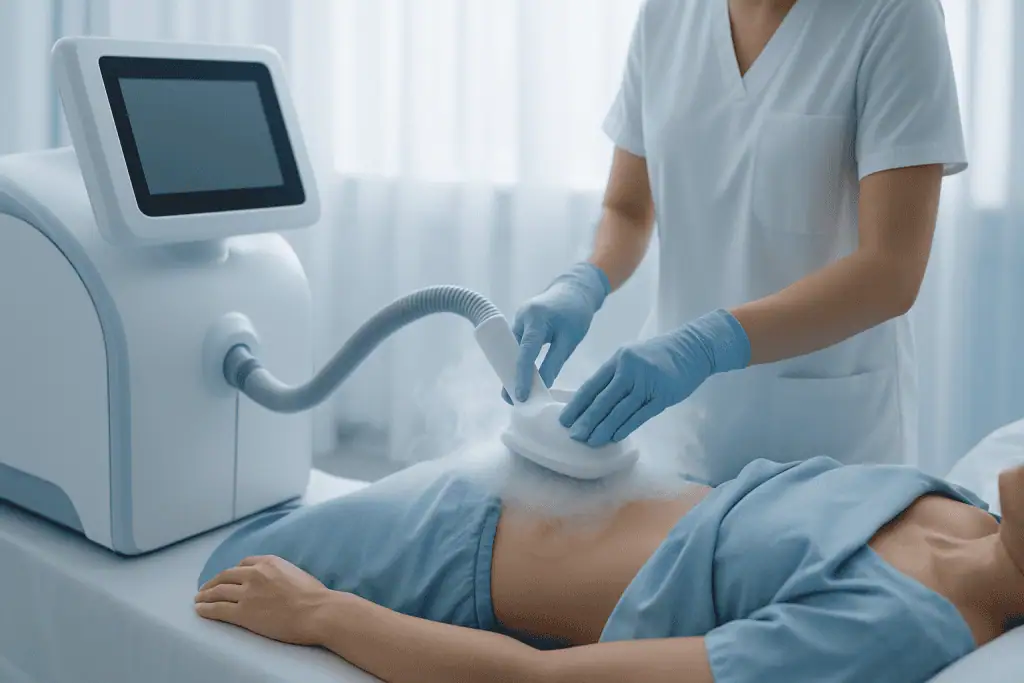
Cryoablation is a minimally invasive treatment that destroys selected abnormal tissue by freezing it with extreme cold, often for kidney or prostate tumors. At Acibadem in Turkey, it is performed with imaging guidance when appropriate to target the area precisely while helping preserve surrounding healthy tissue.
Considering Cryoablation When You Have Been Told a Tumor or Abnormal Tissue Needs Treatment
Learning that you may need treatment for a kidney tumor, prostate cancer, or another abnormal area of tissue can be unsettling. Many patients begin their research with the same questions: Can the tumor be treated without major surgery? Will treatment affect urinary, sexual, or kidney function? How long will I need to stay in the hospital? If I travel abroad for care, how will my diagnosis, treatment plan, and follow-up be coordinated?
CRYO, also called cryoablation, is one of the minimally invasive options that may be considered for selected patients. It uses extreme cold to destroy targeted tissue while aiming to preserve as much surrounding healthy tissue as possible. In appropriate cases, cryoablation can treat small kidney tumors, selected prostate tumors, and certain other lesions with less physical trauma than open surgery. It is usually performed with imaging guidance, allowing the physician to place treatment probes precisely and monitor the freezing zone during the procedure.
For many international patients, the appeal of cryoablation is not only that it can be less invasive, but that it is highly planned. The decision requires careful imaging review, pathology when needed, assessment of the tumor’s location, and discussion by experienced specialists. At Acibadem, patients are evaluated through modern diagnostic pathways and, when relevant, multidisciplinary boards so that cryoablation is considered within the full range of evidence-based treatment options rather than as an isolated procedure.
Not every patient is a candidate for cryoablation, and not every tumor should be treated this way. The best outcomes depend on selecting the right indication, planning the procedure in detail, and arranging appropriate follow-up imaging. When used for the right patient, CRYO can provide local tumor control with a shorter recovery period and fewer disruptions to daily life than more extensive surgery may involve.
What CRYO Treatment Is
CRYO, or cryoablation, is a procedure that destroys abnormal tissue by freezing it to very low temperatures. Thin needle-like instruments called cryoprobes are placed into or near the target area. Through these probes, extremely cold gas is circulated, creating an “ice ball” that surrounds the abnormal tissue. The freezing process causes cellular injury, disrupts blood supply within the treated area, and leads to destruction of the targeted cells.
The treatment is usually image-guided. Depending on the organ and the location of the lesion, physicians may use ultrasound, computed tomography, magnetic resonance imaging, or a combination of imaging methods to guide probe placement and monitor the area being treated. This image guidance is one of the features that allows cryoablation to be performed through small punctures in the skin in many cases.
In kidney tumors, cryoablation is commonly considered for small renal masses, especially when preserving kidney function is important or when surgery carries increased risk. In prostate cancer, cryoablation may be used in selected localized cases, as focal therapy for a defined cancer area, or in some patients whose cancer returns after previous treatment. The exact role depends on cancer grade, stage, imaging findings, biopsy results, prostate anatomy, prior treatments, and the patient’s priorities.
CRYO is sometimes described as minimally invasive, but it is still a cancer treatment or tissue-destruction procedure and must be approached with the same seriousness as other interventions. The goal is to destroy the target while reducing injury to nearby structures such as the ureter, bowel, nerves, blood vessels, urinary sphincter, or rectum. The physician’s ability to plan the needle path, protect adjacent organs, and monitor the freezing zone is central to safe and effective treatment.
In some cases, cryoablation is performed percutaneously, meaning through the skin. In others, it may be performed laparoscopically or through another minimally invasive surgical approach. The choice depends on the tumor’s position, the surrounding anatomy, the patient’s medical condition, and the expertise of the treating team.
Who May Need CRYO: Symptoms, Diagnosis, and Patient Situations
Many patients who are considered for CRYO do not have obvious symptoms. Small kidney tumors, for example, are often found incidentally during ultrasound, CT, or MRI performed for unrelated reasons. Prostate cancer may be suspected because of an elevated prostate-specific antigen blood test, changes on prostate MRI, or biopsy findings rather than symptoms. Because early tumors can be silent, the decision to treat is often based on imaging and pathology rather than how the patient feels.
Some patients do develop symptoms depending on the organ involved. A kidney tumor may occasionally cause blood in the urine, flank pain, or unexplained anemia, although these are not always present. Prostate conditions can cause urinary frequency, weak stream, nighttime urination, difficulty emptying the bladder, or pelvic discomfort, but these symptoms may also result from benign prostate enlargement rather than cancer. This is why a structured diagnostic evaluation is essential before choosing cryoablation.
Diagnosis usually begins with detailed medical history, physical examination, and review of previous tests. For kidney lesions, cross-sectional imaging with contrast-enhanced CT or MRI is often important to understand the size, depth, blood supply, and relationship to nearby structures. In selected cases, a biopsy may be recommended before ablation to confirm the diagnosis and guide follow-up. Kidney function tests help determine how much healthy kidney tissue should be preserved and whether a nephron-sparing approach is especially valuable.
For prostate cancer, evaluation may include PSA testing, multiparametric prostate MRI, targeted and systematic biopsy, pathology review, and staging studies when indicated. The medical team assesses whether the cancer appears confined to the prostate, whether it is focal or multifocal, its grade group, tumor volume, and whether cryoablation can adequately treat the cancer while managing risks to urinary and sexual function.
Patients who may be evaluated for CRYO include those with small tumors in favorable locations, individuals who may not be ideal candidates for major surgery because of age or other medical conditions, patients with a single kidney or reduced kidney function, and selected patients seeking a minimally invasive local therapy. It may also be considered for carefully selected recurrent tumors or lesions that have not responded to previous therapy. The decision is individualized; eligibility cannot be determined by diagnosis alone.
International patients often come with imaging, biopsy reports, and physician recommendations from their home country. At Acibadem, these materials can be reviewed by relevant specialists, and additional testing may be arranged if the information is incomplete or if the treatment plan depends on more detailed imaging. This helps prevent both undertreatment and overtreatment.
Conditions and Indications CRYO May Address
Cryoablation can be used in several medical fields, but its role is most established for selected solid tumors and localized abnormal tissue. In the context of cancer care, it is often discussed as a local therapy: it treats a defined area rather than the whole body. This makes accurate staging especially important. If disease has spread beyond the local site, cryoablation may still have a role in symptom control or selected metastases, but it is not a substitute for systemic therapy when systemic treatment is needed.
For kidney tumors, CRYO may be considered for small renal masses, particularly those located in positions that can be reached safely with imaging guidance. It can be useful for patients in whom preserving kidney tissue is a priority, including those with chronic kidney disease, tumors in both kidneys, a single functioning kidney, or medical conditions that make open surgery higher risk. The treatment is typically most suitable when the tumor is limited in size and has not invaded major vessels or surrounding organs.
For prostate cancer, cryoablation may be considered for selected patients with localized disease. Some patients may be candidates for whole-gland cryoablation, while others may be considered for focal cryotherapy directed at the visible or biopsy-proven cancer region. Focal approaches aim to treat the cancer-bearing portion of the prostate while reducing treatment to uninvolved tissue, but they require careful imaging, biopsy mapping, and follow-up. Cryoablation may also be evaluated in certain cases of recurrent prostate cancer after radiation therapy, depending on the extent of recurrence and patient factors.
In other parts of the body, cryoablation may be used in selected tumors of the lung, liver, bone, soft tissue, or adrenal gland, depending on size, location, cancer type, and available alternatives. It may also help relieve pain from some bone metastases when the goal is palliation. These indications require close coordination among interventional radiology, oncology, surgery, radiation oncology, and other specialties.
CRYO is not appropriate for every lesion. Large tumors, tumors very close to critical structures, cancers with aggressive biology, widespread metastatic disease, or cases requiring removal of lymph nodes or surrounding tissue may be better managed with surgery, radiation therapy, systemic therapy, active surveillance, or a combined approach. The most important question is not whether cryoablation is available, but whether it is the right treatment for the specific disease pattern and the patient’s goals.
How CRYO Is Performed: From Preparation to Recovery
The cryoablation process begins before the procedure day. The team reviews imaging, laboratory tests, medications, allergies, prior surgeries, and the patient’s overall health. For cancer cases, biopsy results and staging information are evaluated. If the diagnosis is uncertain, a biopsy may be performed before cryoablation or sometimes during the same treatment session, depending on the clinical situation and institutional protocol.
Preparation may include blood tests to check kidney function, blood count, and clotting status. Patients taking blood thinners or certain supplements may need a temporary medication plan under medical supervision. For prostate procedures, bowel preparation, urine testing, or antibiotic prophylaxis may be recommended. For kidney or abdominal treatments, fasting before anesthesia or sedation is usually required. International patients receive instructions in advance so travel, accommodation, and pre-procedure appointments can be planned appropriately.
On the day of treatment, the patient is positioned according to the target organ and the safest route for probe placement. The procedure may be performed under general anesthesia, regional anesthesia, or conscious sedation, depending on the location and complexity. Continuous monitoring is used throughout the procedure. The skin is cleaned and sterile drapes are placed. Local anesthetic may be used even when deeper sedation is provided.
Using imaging guidance, the physician advances one or more cryoprobes into the target area. In a kidney tumor, the probes are typically inserted through the skin under CT or ultrasound guidance. In prostate cryoablation, probes are usually placed through the perineum, the area between the scrotum and anus, with ultrasound or other imaging guidance. The number and position of probes are planned to cover the tumor with an appropriate treatment margin while avoiding unnecessary freezing of normal structures.
Once the probes are in place, the freezing cycle begins. The cryoprobes create an ice ball that can be seen on imaging. The physician monitors its size and shape to help ensure the target is included. A thawing phase follows, and in many protocols a second freeze-thaw cycle is performed to improve tissue destruction. Protective techniques may be used when needed. For example, fluid or gas can sometimes be placed between the treatment zone and nearby bowel to create distance. Temperature monitoring or warming catheters may be used in prostate cryoablation to help protect the urethra and surrounding tissues.
The kinds of technology used in cryoablation support accuracy and safety. High-resolution imaging helps identify the lesion, guide the probe path, and monitor the treatment zone in real time or near real time. Planning software and image fusion may help correlate MRI, CT, or ultrasound findings. Anesthesia monitoring supports patient comfort and physiologic stability. Post-treatment imaging can help evaluate whether the ablation zone appears to cover the intended target.
The duration of CRYO varies. A straightforward small kidney lesion may require less time than a complex tumor near critical structures. Prostate cryoablation duration depends on whether the treatment is focal or whole-gland, prostate size, and anatomy. Patients should generally expect several hours in the treatment area including preparation, anesthesia, the procedure itself, and recovery observation.
After cryoablation, patients are monitored for pain, bleeding, urinary issues, blood pressure changes, nausea, and anesthesia recovery. Some patients go home the same day, while others stay overnight, particularly if the procedure is complex, if they are traveling internationally, or if their medical condition requires closer observation. Mild discomfort, bruising, fatigue, or temporary urinary symptoms may occur. Pain is often manageable with prescribed medication, but patients are advised to report fever, severe pain, heavy bleeding, difficulty urinating, or worsening symptoms promptly.
Recovery is usually shorter than after open surgery, but it is not instantaneous. Most patients gradually resume normal activities over days to weeks, depending on the organ treated and the extent of the procedure. Follow-up imaging is essential. After ablation, the treated area does not disappear immediately; instead, it evolves over time. Radiologists and treating physicians assess whether the treated zone has the expected appearance and whether there is any sign of residual or recurrent disease.
Why Acting Early Matters and the Risks of Delay
When a tumor is small and localized, patients may have more treatment choices. Delay can allow some tumors to grow, move closer to critical structures, or progress beyond the point where minimally invasive local treatment is suitable. In kidney cancer, increasing tumor size may reduce the likelihood that a nephron-sparing approach can be used and may increase the complexity of treatment. In prostate cancer, postponing evaluation may allow higher-risk disease to go unrecognized, especially if PSA is rising or biopsy findings suggest clinically significant cancer.
That said, acting early does not always mean treating immediately. Some small kidney masses and low-risk prostate cancers may be appropriate for active surveillance with scheduled imaging, blood tests, and repeat evaluation. The key is timely expert assessment. A patient should not have to choose between rushed treatment and passive waiting. A careful review can clarify whether CRYO, surgery, radiation therapy, surveillance, or another approach best matches the medical facts.
Delaying treatment without a clear monitoring plan may create avoidable risks. These include tumor growth, more limited treatment options, greater need for major surgery, decreased organ preservation, anxiety from uncertainty, and, in some cancers, risk of spread. For international patients, delay can also occur when records are incomplete or imaging is not available in a format that specialists can review. Early coordination helps ensure that tests are not unnecessarily repeated and that treatment planning begins with reliable information.
Benefits of CRYO Treatment
The potential benefits of cryoablation depend on the diagnosis, tumor location, and patient selection, but commonly include the following considerations.
| Benefit | What It Means for You |
|---|---|
| Minimally invasive access | Many procedures are performed through small skin punctures rather than a large incision, which may reduce wound-related discomfort and shorten early recovery. |
| Targeted tissue destruction | Imaging guidance helps the physician focus treatment on the abnormal area while aiming to limit injury to nearby healthy tissue. |
| Organ preservation | In selected kidney tumors, CRYO may help preserve functioning kidney tissue. In selected prostate cases, focal approaches may reduce treatment to uninvolved areas. |
| Shorter hospital stay for many patients | Depending on the procedure and medical condition, some patients can leave the hospital the same day or after a short observation period. |
| Repeatability in selected cases | If a small residual or recurrent area is detected, additional local treatment may be possible in carefully selected patients. |
| Option for higher-risk surgical patients | For some patients with medical conditions that make major surgery more difficult, cryoablation may offer a local treatment option with less physiologic stress. |
Recovery Timeline After CRYO
Recovery varies by organ treated, anesthesia type, overall health, and whether the procedure was focal or more extensive, but many patients follow a general pattern.
| Time Period | What Patients Can Expect |
|---|---|
| Day 1 | Monitoring after anesthesia or sedation; mild to moderate soreness, fatigue, or bruising may occur. Some prostate patients may have a urinary catheter temporarily. |
| First Week | Gradual return to light activities. Patients may be advised to avoid heavy lifting, strenuous exercise, and long travel until cleared by the physician. |
| First Month | Energy and comfort usually improve. Urinary symptoms, if present, often continue to settle. Follow-up appointments and early imaging or lab tests may be scheduled. |
| Three to Six Months | Imaging or PSA monitoring, depending on the treated condition, helps assess the response. The ablation zone is evaluated for expected healing changes. |
| Longer Term | Ongoing surveillance is important because treated tissue must be monitored over time. The schedule depends on cancer type, risk level, and previous findings. |
Factors That Influence Outcomes and a Good Result
The success of CRYO is closely linked to appropriate patient selection. Tumor size is one of the most important factors. Smaller, well-defined lesions are generally more suitable for complete ablation than larger or irregular tumors. Location also matters. A tumor positioned away from major blood vessels, bowel, ureter, rectum, sphincter structures, or critical nerves may be more safely treated than one touching these areas. When nearby organs are close, protective techniques may make treatment possible, but the risk-benefit balance must be evaluated carefully.
Accurate diagnosis and staging are equally important. A small kidney mass may be benign, indolent, or malignant, and biopsy can sometimes clarify the best approach. Prostate cancer requires careful grading and mapping because untreated cancer elsewhere in the gland may affect whether focal cryoablation is appropriate. If the cancer is more extensive or aggressive than initially thought, a broader treatment plan may be needed.
The quality of imaging has a direct impact on planning. High-quality CT, MRI, and ultrasound help define the target and its relationship to surrounding anatomy. For international patients, bringing original imaging files, not only written reports, is particularly helpful. Specialist radiology review may identify details that influence probe placement, feasibility, or the need for additional tests.
Physician experience and team coordination also influence outcomes. Cryoablation requires technical skill, but it also requires judgment: when to ablate, how wide the treatment margin should be, how to protect adjacent structures, and when to recommend another therapy instead. In cancer cases, input from urology, interventional radiology, medical oncology, radiation oncology, radiology, pathology, and anesthesiology may be needed. The strongest treatment plans are often those that consider several options before selecting one.
Patient health factors can affect both safety and recovery. Blood clotting disorders, infection, uncontrolled diabetes, severe heart or lung disease, kidney impairment, previous abdominal or pelvic surgery, prior radiation therapy, and urinary problems may alter the treatment plan. Medications, especially anticoagulants and antiplatelet drugs, must be managed carefully. For prostate procedures, baseline urinary and sexual function are important because treatment-related changes must be considered in light of pre-existing function.
Follow-up is not optional after CRYO. Imaging and laboratory surveillance help determine whether the treated tissue has responded as expected. In kidney tumors, follow-up CT or MRI is commonly used to evaluate for residual enhancement or recurrence. In prostate cancer, PSA trends, MRI, biopsy in selected cases, and clinical assessment may be used. A good result is not only a technically successful procedure on the day of treatment, but a well-documented response over time.
Why International Patients Choose Acibadem for CRYO
For patients traveling from the United States or another country, choosing where to receive cryoablation involves more than identifying a hospital that performs the procedure. The patient needs confidence that the indication is correct, that imaging and pathology will be carefully reviewed, that alternatives will be discussed, and that travel logistics will not interfere with medical decision-making. Acibadem’s international patient model is designed around these needs.
Acibadem hospitals are JCI-accredited, reflecting established standards for patient safety, quality systems, and hospital processes. For international patients, this matters because care often begins before arrival. Medical records, imaging files, biopsy reports, medication lists, and prior treatment summaries can be shared for preliminary review. If CRYO appears suitable, the team can outline the likely diagnostic steps, estimated length of stay, and follow-up expectations. If another treatment appears more appropriate, that can be discussed before travel plans are finalized.
Multidisciplinary care is especially important in cryoablation. A kidney tumor may require discussion between urology, interventional radiology, nephrology, radiology, pathology, and oncology. A prostate cancer case may involve urologic oncology, radiation oncology, medical oncology, radiology, pathology, and functional specialists. In complex cases, tumor boards or specialist boards help evaluate the diagnosis from multiple perspectives. This approach reduces the chance that a patient receives a technically possible procedure that is not the best overall treatment.
Technology also plays a significant role. Modern imaging systems support diagnosis, treatment planning, probe guidance, and follow-up assessment. Image-guided approaches help physicians visualize the tumor and surrounding anatomy, plan a safe access path, and monitor the freezing zone. Advanced anesthesia and perioperative monitoring support patient comfort and safety. The value of technology lies not in the equipment alone, but in how experienced teams use it to make treatment more precise and individualized.
Acibadem’s physicians treat international patients within evidence-based protocols while personalizing recommendations to the patient’s medical condition, cancer risk, anatomy, and preferences. For some patients, that recommendation may be CRYO. For others, it may be robotic or laparoscopic surgery, radiation therapy, systemic therapy, active surveillance, or a combined plan. This distinction is important: a premium treatment experience should not mean pushing one procedure, but choosing the treatment that best fits the patient.
The international patient services team supports communication in more than 20 languages, appointment coordination, hospital admission, discharge planning, and the practical details of receiving care in Turkey. For patients traveling with family, this support can reduce confusion during an already stressful period. Medical interpreters and coordinators help patients understand instructions, ask questions, and prepare for follow-up after returning home.
Continuity after discharge is also part of planning. Because CRYO requires surveillance, patients should leave with clear instructions about imaging timing, laboratory testing, warning symptoms, medication use, activity restrictions, and how results will be shared. When appropriate, Acibadem physicians can coordinate with the patient’s local doctor so that longer-term monitoring continues close to home.
Taking the Next Step With Confidence
CRYO can be a valuable treatment option for selected patients with kidney tumors, localized prostate cancer, or other defined abnormal tissue. Its advantages are most meaningful when the diagnosis is precise, the target is suitable, the treating team is experienced, and follow-up is carefully planned. For many patients, it offers the possibility of effective local treatment with a less invasive approach and a shorter recovery than more extensive surgery may require.
If you are considering cryoablation, the most helpful next step is a specialist review of your medical records, imaging, and pathology. A second opinion can clarify whether CRYO is appropriate, whether additional testing is needed, and how it compares with surgery, radiation therapy, surveillance, or other treatments in your specific case. This is particularly important if you are deciding whether to travel abroad for care.
Acibadem can evaluate your case through its relevant specialty teams and international patient services, helping you understand the medical plan and the practical steps involved. With careful assessment, clear communication, and individualized treatment planning, patients can make informed decisions about whether CRYO is the right path for them.
This information is general in nature and is not a substitute for professional medical advice, diagnosis, or treatment. Always consult a qualified physician about your individual condition and treatment options.
Preparation
- Before CRYO, patients usually have imaging tests, blood tests, and an anesthesia evaluation. Blood-thinning medications may need to be adjusted under medical supervision. Fasting is typically required before the procedure if anesthesia is planned.
Aftercare
- After CRYO, patients are monitored for pain, bleeding, urination changes, or fever. Light activity is usually resumed within a few days, while strenuous exercise should wait until the doctor approves. Follow-up imaging or blood tests may be scheduled to assess treatment response.
Turkey vs UK, Germany & USA
Cryoablation, also called CRYO, is a minimally invasive technique that uses extreme cold to destroy selected abnormal tissue under specialist guidance. Costs and patient experience vary depending on the treated organ, imaging needs, hospital setting, and whether care is arranged as an international patient package.
When comparing CRYO abroad, the main differences usually relate to hospital model, specialist availability, imaging resources, care coordination, and what is included before and after the procedure.
| Factor | Turkey | UK | Germany | USA |
|---|---|---|---|---|
| Cost structure | Often offered as an international package with bundled hospital services | Private care may be quoted separately from diagnostics and follow-up | Costs may vary by hospital type, imaging, and inpatient pathway | Itemised billing can make the final total depend on many separate providers |
| Hospital and quality factors | JCI-accredited hospitals may be available, with international patient coordination | Quality frameworks are well established in both public and private settings | Strong specialist hospital networks and structured clinical pathways | Wide range of advanced centres, with variation by provider and insurance status |
| Specialist and technology factors | Final cost depends on interventional radiology or urology expertise, imaging guidance, and theatre or procedure room resources | Availability may depend on centre experience and referral pathway | Technology access and specialist review influence planning and cost | Specialist fees, facility fees, anaesthesia, and imaging can be billed separately |
| Waiting times | International scheduling may be coordinated after records are reviewed | Public pathways can involve referral queues; private scheduling varies | Timing depends on referral, centre capacity, and required diagnostics | Access may be faster in some private settings but depends on insurance and provider availability |
| Travel and language logistics | International patient teams may assist with translation, appointments, transfers, and accommodation guidance | Usually straightforward for English speakers; travel support varies by provider | Translation support may be needed and is provider dependent | English-language care is standard, but travel distances and accommodation costs can be significant |
| Typical package content | May include specialist consultation, hospital services, imaging review, procedure, anaesthesia, nursing care, and care coordination | Packages vary; diagnostics, consultation, procedure, and follow-up may be separated | Quotes may separate diagnostics, hospital stay, procedure, and follow-up | Quotes may separate hospital, physician, imaging, anaesthesia, and pathology-related charges |
What affects your final cost
- Treated organ, tumour location, tumour size, and complexity of the case
- Whether the approach is percutaneous, laparoscopic, focal, or part of a broader treatment plan
- Type of imaging guidance, anaesthesia, and hospital stay required
- Specialist fees, operating or procedure room resources, and disposables used
- Pre-treatment tests, biopsy or pathology review, follow-up imaging, and medication needs
- Travel, accommodation, translation, and international patient coordination services
Compare your options
CRYO may be considered alongside other approaches for selected kidney, prostate, or other lesions. Suitability is decided by a specialist after reviewing imaging, pathology, general health, and treatment goals.
| Option | What it is | Typical use | Key considerations |
|---|---|---|---|
| Percutaneous cryoablation | Needles or probes are placed through the skin under imaging guidance to freeze targeted tissue | Selected kidney tumours and other suitable lesions in patients where a minimally invasive approach is appropriate | Requires careful imaging assessment; nearby organs, bleeding risk, and need for follow-up scans affect planning |
| Laparoscopic or surgical cryoablation | Cryoprobes are placed during a minimally invasive or surgical procedure | Cases where direct access is preferred because of location or anatomy | May involve operating theatre resources and a different recovery pathway than percutaneous treatment |
| Focal prostate cryotherapy | Freezing is directed at a selected area of the prostate rather than the whole gland | Selected prostate cancer cases after detailed imaging, biopsy mapping, and urology review | Suitability depends on tumour position, risk profile, urinary function, and future monitoring needs |
| Whole-gland prostate cryotherapy | Freezing treatment is applied to the prostate gland as a broader local therapy | Selected prostate cancer situations, including some cases where other treatments may not be ideal | Potential urinary, sexual, and bowel-related effects must be discussed with a urologist |
| Other local ablation methods | Heat-based or energy-based techniques used to destroy tissue | Some kidney, liver, lung, or prostate lesions depending on organ and tumour features | Choice depends on lesion location, available expertise, imaging visibility, and safety margins |
| Surgery, radiotherapy, or active surveillance | Alternative pathways that may remove, treat, monitor, or control disease | Used when ablation is not suitable or when another approach better matches the diagnosis | Benefits, risks, recovery time, and long-term monitoring differ; specialist counselling is essential |
Trusted care for international patients
General information only — not medical or financial advice. Final costs depend on the factors above and your individual case; request a free, personalised quote.
Doctors Performing This Treatment
Prof. Dr. Abdullah Büyükçelik
Medical Oncology
Prof. Dr. Ahmet Öztürk
Hematology
Prof. Dr. Ali Arican
Medical Oncology
Prof. Dr. Ayşen Timurağaoğlu
Hematology
Prof. Dr. Aziz Yazar
Medical Oncology
Prof. Dr. Başak Oyan Uluç
Medical Oncology
Prof. Dr. Bülent Karabulut
Medical Oncology
Prof. Dr. Bülent Orhan
Medical Oncology
Prof. Dr. Eren Erken
Hematology
Prof. Dr. Ersin Özaslan
Medical Oncology
Prof. Dr. Faysal Dane
Medical Oncology
Prof. Dr. Gökhan Demir
Medical Oncology
Prof. Dr. Gül Başaran
Medical Oncology
Prof. Dr. Gülsan Sucak
Hematology
Prof. Dr. Handan Onur Topuzlu
Medical Oncology
Prof. Dr. Hüseyin Engin
Medical Oncology
Prof. Dr. Meliha Nalçacı
Hematology
Prof. Dr. Mustafa Çetiner
Hematology
Prof. Dr. Okan Kuzhan
Medical Oncology
Prof. Dr. S. Sami Kartı
Hematology
Prof. Dr. Salim Başol Tekin
Hematology
Prof. Dr. Siret Ratip
Hematology
Prof. Dr. Soner Solmaz
Hematology
Prof. Dr. Taner Korkmaz
Medical OncologyMedical Units
Available at These Hospitals










Frequently Asked Questions
What affects the cost of CRYO treatment?
The final cost depends on the treated organ, tumour size and location, imaging needs, anaesthesia, hospital stay, specialist fees, and whether additional tests or follow-up scans are required.
How can I get a personalised quote for CRYO in Turkey?
You can request a free consultation and share your medical reports, imaging, biopsy results if available, medication list, and previous treatment history. A specialist team can then assess suitability and prepare a personalised estimate.
Is CRYO always cheaper when performed abroad?
Not always. Travel, accommodation, extra diagnostics, and follow-up requirements can affect the total cost. A written quote should clarify what is included and what may be charged separately.
What is usually included in an international patient CRYO package?
Packages may include specialist review, imaging assessment, hospital services, the procedure, anaesthesia, nursing care, coordination support, and basic follow-up planning. Inclusions vary, so they should be confirmed before travel.
Will I need follow-up after cryoablation?
Yes. Follow-up is important to assess the treated area and overall recovery. Your specialist will advise the appropriate imaging and clinical review schedule based on your diagnosis and treatment plan.