

SMR
SMR (submucous resection) is an ENT surgery to correct a deviated nasal septum and improve nasal airflow. It may help reduce obstruction-related breathing problems and snoring.
Quick answer
SMR, or submucous resection, is an ENT operation used to correct a deviated nasal septum by reshaping or removing the bent cartilage and bone inside the nose to improve airflow. At Acibadem in Turkey, this treatment is performed after ENT evaluation and nasal examination, typically through the nostrils without external incisions, with care focused on restoring nasal breathing and reducing…
Breathing Better When a Deviated Septum Affects Daily Life
Nasal breathing is something most people do not think about until it becomes difficult. When one side of the nose feels constantly blocked, sleep is disrupted, exercise becomes harder, or snoring begins to affect a partner, a deviated nasal septum may be part of the reason. For many patients, the concern is not only discomfort. It is the feeling of never getting enough air through the nose, needing to breathe through the mouth at night, waking with a dry throat, or relying on sprays that offer only temporary relief.
SMR, or submucous resection, is an ear, nose and throat surgery designed to correct structural blockage inside the nose. It is commonly discussed together with septoplasty, because both procedures aim to straighten or reshape the nasal septum, the internal wall that separates the right and left nasal passages. When the septum is significantly bent, displaced, thickened or spurred, airflow can become restricted. Medication may help swelling or allergy-related symptoms, but it cannot correct a fixed structural deviation.
Patients considering SMR often have practical questions. Will the surgery change the appearance of the nose? How painful is recovery? How long will travel need to be delayed? Can it reduce snoring? Is it safe to have the procedure abroad? These are reasonable concerns. A careful ENT evaluation helps determine whether the septum is truly the main cause of obstruction, whether other nasal structures are also involved, and whether surgery is likely to improve breathing.
At Acibadem, SMR is planned by ENT specialists after a detailed assessment of the nose, airway and overall health. For international patients, the goal is not only to perform a technically precise operation, but also to make the treatment journey clear, coordinated and medically appropriate from the first consultation through return travel.
What SMR Is
SMR stands for submucous resection. It is a surgical technique used to correct a deviated nasal septum by removing or reshaping the obstructing portions of cartilage and bone beneath the lining of the septum. The term “submucous” refers to working under the mucous membrane, the delicate internal lining of the nose. Preserving this lining is important because it helps keep the nose moist, supports healing and reduces the risk of complications such as crusting or septal perforation.
The nasal septum is made of cartilage in the front and thin bone toward the back. Ideally, it sits near the midline, allowing air to pass evenly through both sides of the nose. In reality, many people have some degree of deviation. Surgery is usually considered when the deviation is significant enough to cause symptoms, when conservative treatment has not helped, or when the septum blocks access for other necessary nasal or sinus procedures.
SMR is performed inside the nose, so there are usually no visible external incisions. The surgeon lifts the lining of the septum, corrects the deviated cartilage or bone, and then repositions the lining. Depending on the patient’s anatomy, the surgeon may remove a small obstructing segment, reshape the cartilage, reposition it, or combine these steps. The purpose is to create a straighter internal airway while maintaining adequate support for the nose.
Although patients sometimes use “SMR” and “septoplasty” interchangeably, there can be technical differences. Traditional SMR often involved removal of deviated septal cartilage or bone, while modern septal surgery emphasizes preservation and reconstruction whenever possible. In contemporary ENT practice, the technique is tailored to the anatomy. The surgeon may use a conservative SMR approach, a septoplasty approach, or a combination, always with the aim of improving function while protecting structural stability.
SMR is not a cosmetic rhinoplasty. It does not aim to change the visible shape of the nose. However, if a patient also wants external nasal correction, or if the septal deviation is associated with a crooked nasal framework, functional septal surgery may sometimes be combined with rhinoplasty. This decision requires a separate aesthetic and functional evaluation.
Who May Need SMR
SMR may be considered for patients whose nasal obstruction is caused by a deviated septum and whose symptoms interfere with breathing, sleep, activity or quality of life. Some patients have had symptoms since adolescence. Others notice worsening after trauma, sports injury, nasal fracture, previous nasal surgery, or age-related changes in nasal airflow.
Common symptoms that may lead to an ENT evaluation include:
- Persistent blockage on one or both sides of the nose
- Difficulty breathing through the nose, especially during sleep or exercise
- Frequent mouth breathing and dry mouth on waking
- Snoring that appears related to nasal obstruction
- Recurrent nasal congestion that does not respond well to medication
- Postnasal drip, facial pressure or recurrent sinus symptoms in selected cases
- Frequent nosebleeds caused by turbulent airflow and mucosal dryness
- Reduced tolerance of continuous positive airway pressure devices in patients with sleep apnea
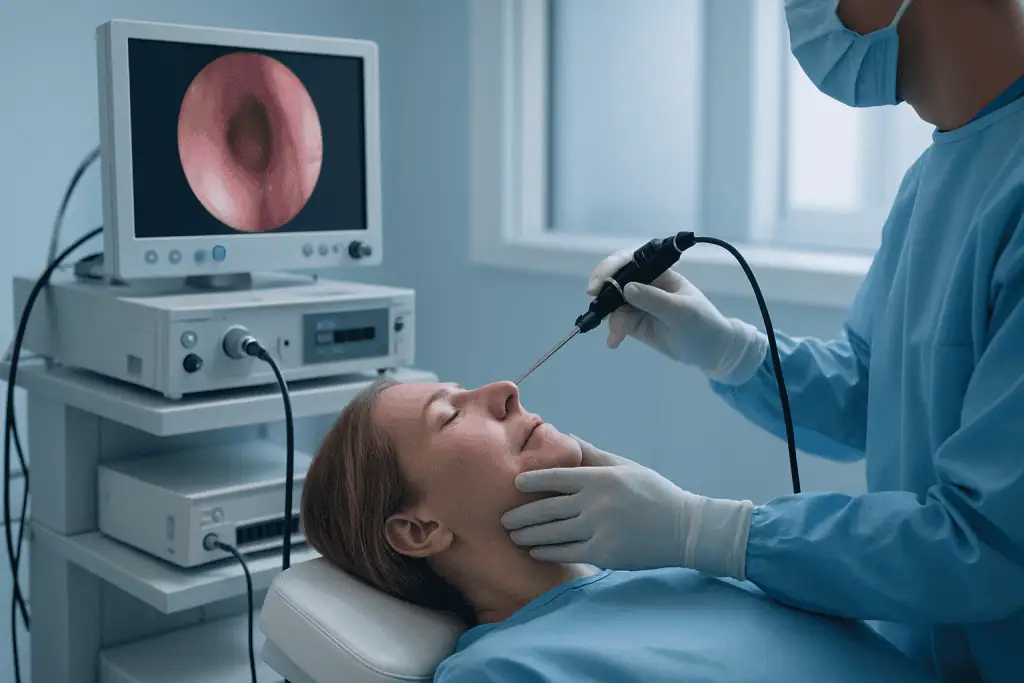
A deviated septum is diagnosed through a clinical examination by an ENT physician. The doctor reviews the patient’s symptoms, medical history, allergies, previous treatments, injuries and any prior operations. A nasal examination is then performed, often with a small endoscope that allows the specialist to see deeper inside the nasal passages. Endoscopic evaluation can identify the exact location of obstruction, such as a high septal deviation, a posterior bony spur, contact points, turbinate enlargement, nasal valve narrowing or signs of chronic sinus disease.
Imaging is not always required for a straightforward deviated septum, but it may be recommended when sinus disease is suspected, when symptoms are complex, or when revision surgery is being planned. A computed tomography scan of the sinuses can show the relationship between the septum, turbinates and sinus openings. It can also help the surgeon plan treatment if SMR is to be combined with sinus surgery.
Not every patient with a deviated septum needs surgery. Many people have mild deviations that do not cause meaningful symptoms. Others have nasal congestion primarily due to allergies, chronic rhinitis, enlarged turbinates or medication overuse. In these cases, medical treatment may be the first step. Surgery is considered when the structural obstruction is significant and when the expected benefit outweighs the risks and recovery time.
Conditions and Indications SMR Can Address
SMR is primarily used to treat nasal airway obstruction caused by septal deviation. The deviation may be cartilaginous, bony or mixed. It may narrow one nasal passage, create an internal ridge or spur, push into the inferior turbinate, or obstruct airflow in a way that contributes to persistent congestion.
The procedure may be recommended in several clinical situations:
- Symptomatic deviated septum: The most common indication is persistent obstruction that affects daily breathing or sleep.
- Post-traumatic nasal obstruction: Nasal injury can displace the septum and create long-term airway narrowing.
- Recurrent sinus problems in selected patients: A deviated septum can contribute to impaired sinus drainage or make sinus treatment more difficult, although sinus disease often has multiple causes.
- Access for sinus or nasal surgery: Correcting the septum may allow safer and more effective access to the sinuses during endoscopic sinus surgery.
- Nasal airflow problems contributing to snoring: SMR may reduce obstruction-related snoring in some patients, especially when nasal blockage is a major factor. Snoring can also arise from the palate, tongue base or sleep apnea, so evaluation is important.
- Difficulty using sleep apnea equipment: In selected patients, improved nasal airflow may make nasal breathing and positive airway pressure therapy more tolerable.
- Contact point symptoms: A septal spur touching the side wall of the nose can sometimes contribute to localized discomfort, though this diagnosis requires careful assessment.
SMR is not a treatment for all causes of nasal blockage. If the main problem is allergy, inflammation, nasal polyps, enlarged adenoids, external nasal valve collapse, or uncontrolled reflux-related irritation, those conditions may need specific therapy. A good result depends on identifying the true cause of obstruction and planning treatment accordingly.
How SMR Is Performed
Preparation Before Surgery
Preparation begins with a specialist consultation and a structured medical evaluation. The ENT physician examines the internal nose, reviews prior treatments and discusses the patient’s goals. For international patients, available medical records, previous imaging, medication lists and photographs may be reviewed before travel when appropriate. This helps the care team estimate whether SMR is likely to be suitable and whether additional tests are needed after arrival.
Before surgery, patients may undergo blood tests, anesthesia assessment and additional evaluation depending on age, medical history and planned anesthesia. The surgeon will ask about blood-thinning medications, previous bleeding problems, allergies, chronic diseases and smoking. Some medicines and supplements may need to be stopped before surgery, but only under medical guidance. If there is active nasal infection or uncontrolled allergy inflammation, treatment may be recommended before the procedure.
Patients are usually advised not to eat or drink for a specified period before anesthesia. The care team explains what to expect on the day of surgery, including admission, consent, anesthesia, postoperative observation and discharge planning. For patients traveling from abroad, the timing of surgery, hotel stay, postoperative visits and safe return travel are planned in advance.
The Procedure Itself
SMR is typically performed under general anesthesia, although selected cases may be done with local anesthesia and sedation depending on the clinical situation and surgeon preference. During the operation, the surgeon works through the nostrils. A small incision is made inside the nose, usually on one side of the septum. The mucosal lining is carefully lifted from the cartilage and bone to expose the deviated areas.
The surgeon then corrects the obstructing portions of the septum. This may involve removing a limited segment of deviated cartilage or bone, trimming a spur, reshaping cartilage, or repositioning tissue to the midline. Modern functional nasal surgery aims to preserve enough cartilage to support the bridge and tip of the nose. This is particularly important in the front and upper parts of the septum, where structural support is essential.
After correction, the mucosal lining is placed back into position. The incision may be closed with dissolvable sutures. Soft internal splints may be placed to support the septum during early healing, depending on the surgeon’s technique and the complexity of the deviation. Traditional nasal packing is used less often than in the past, and when it is needed, modern materials are selected to reduce discomfort and support safe healing.
If the turbinates are enlarged, turbinate reduction may be performed during the same operation. The turbinates are normal structures that warm and humidify air, but when enlarged they can worsen obstruction. Turbinate treatment is designed to reduce excessive bulk while preserving mucosal function. If chronic sinus disease is present, endoscopic sinus surgery may also be combined with SMR when indicated.
Technology Used During Evaluation and Surgery
Several types of technology may support accurate diagnosis and safe treatment. Nasal endoscopy allows the ENT specialist to examine areas that cannot be seen well with a simple front-of-nose examination. High-resolution imaging may be used when sinus involvement, complex anatomy or revision surgery is suspected. In the operating room, magnified visualization and fine surgical instruments help the surgeon work precisely inside narrow nasal passages. When combined sinus surgery is planned, image-guided navigation may be considered in selected cases to help map anatomy during surgery.
Anesthesia monitoring technology is also important. Heart rhythm, oxygen levels, blood pressure and ventilation are monitored throughout the procedure. For international patients, this structured perioperative environment is especially valuable because it supports consistent communication between the ENT surgeon, anesthesiology team and nursing staff.
Typical Duration and Immediate Recovery
The duration of SMR varies depending on the severity of the deviation and whether additional procedures are performed. A straightforward case may take a relatively short time, while complex septal reconstruction, turbinate surgery or sinus surgery may require longer. Most patients spend time in a recovery area after anesthesia while nurses monitor breathing, bleeding, pain control and overall condition.
Many SMR procedures are performed as day surgery, meaning patients can leave the hospital the same day if they are stable. Some patients may stay overnight, especially if the operation is combined with other procedures, if they have medical risk factors, or if the surgeon recommends closer observation. International patients may be advised to remain nearby for follow-up before traveling home.
Early recovery usually includes nasal stuffiness, mild pressure, watery discharge or blood-tinged drainage. These symptoms are expected and gradually improve. Pain is usually manageable with prescribed medication. Patients are advised not to blow the nose forcefully in the early period and to avoid heavy lifting, strenuous exercise, smoking and dusty environments. Saline sprays or rinses may be recommended to keep the nasal lining moist and assist healing.
Why Acting Early Matters
A deviated septum is not usually an emergency, and many patients live with it for years. However, when nasal obstruction becomes persistent and begins to affect sleep, energy, exercise tolerance or recurrent infections, delaying evaluation can prolong symptoms and may lead to additional problems. Chronic mouth breathing can cause dry throat, morning discomfort and poor sleep quality. Turbulent airflow through a narrow passage may contribute to crusting or nosebleeds. In some patients, obstruction can aggravate snoring or make treatment for sleep-disordered breathing more difficult.
Repeated use of over-the-counter decongestant sprays can also become a concern. These sprays may provide temporary relief, but prolonged use can lead to rebound congestion, making the nose feel even more blocked. Patients may enter a cycle of dependence on sprays without addressing the underlying structural issue.
Early specialist assessment helps distinguish between structural obstruction and treatable inflammation. If medication is appropriate, it can be optimized. If surgery is the better option, it can be planned before symptoms become more disruptive. Acting early also allows time to identify related conditions such as allergies, turbinate enlargement, chronic sinus disease or sleep apnea, all of which may influence the treatment plan.
Benefits of SMR
The potential benefits of SMR depend on the cause and severity of obstruction, but the procedure is intended to improve airflow by correcting the structural blockage inside the nose.
| Benefit | What It Means for You |
|---|---|
| Improved nasal airflow | Breathing through the nose may become easier, especially on the side most affected by septal deviation. |
| Reduced mouth breathing | Patients may experience less dryness in the mouth and throat, particularly during sleep. |
| Better sleep comfort | When nasal obstruction is a major factor, improved airflow may reduce nighttime congestion and obstruction-related snoring. |
| Improved response to other treatments | Allergy sprays, saline rinses or sleep apnea devices may become easier to use when the nasal passage is more open. |
| Support for sinus care | In selected patients, correcting the septum can improve access for sinus treatment and help address contributing anatomical blockage. |
| No visible external incision in most cases | SMR is typically performed through the nostrils, so recovery is focused on internal healing rather than external scarring. |
Recovery Timeline After SMR
Recovery varies according to the extent of surgery, whether splints or packing are used, and the patient’s general health, but most patients follow a predictable healing pattern.
| Time Period | What Patients Can Expect |
|---|---|
| Day 1 | Nasal blockage, mild pressure and blood-tinged drainage are common. Patients rest, keep the head elevated and follow medication instructions. |
| First Week | Congestion often remains significant because of swelling and internal healing. A follow-up visit may be scheduled to check the nose and remove splints if used. |
| First Month | Breathing usually begins to improve as swelling decreases. Patients gradually return to normal routines, while avoiding trauma to the nose and intense exertion until cleared. |
| Longer Term | Internal healing continues for several months. The final breathing result becomes clearer as the nasal lining settles and inflammation resolves. |
Factors That Influence Outcomes
A good result after SMR depends on accurate diagnosis, appropriate surgical planning and careful recovery. The most important factor is whether the deviated septum is truly the main cause of the patient’s symptoms. If nasal blockage is mainly caused by allergies, chronic inflammation, nasal valve weakness or sleep apnea, septal surgery alone may not fully resolve symptoms. This is why a complete ENT evaluation is essential.
The location and severity of the deviation also matter. A simple posterior spur may be easier to correct than a complex deviation involving the front support of the nose. Revision surgery after a previous septal operation can be more challenging because of scarring, altered cartilage and reduced tissue flexibility. In such cases, the surgeon may need a more reconstructive approach.
Associated conditions influence outcomes as well. Enlarged turbinates, chronic sinusitis, nasal polyps, allergic rhinitis and external nasal valve collapse may need to be treated at the same time or in a staged plan. Patients with snoring should understand that nasal surgery can help when obstruction contributes to the problem, but snoring often has multiple anatomical causes. If obstructive sleep apnea is suspected, sleep evaluation may be recommended.
Healing behavior is another important factor. Smoking, uncontrolled diabetes, frequent nose blowing, early heavy exercise or failure to attend postoperative visits can increase the risk of bleeding, crusting or delayed recovery. Following instructions for saline care, activity restriction and follow-up appointments supports a smoother recovery.
As with any surgery, SMR carries risks. These may include bleeding, infection, temporary numbness of the upper teeth or nose, persistent congestion, crusting, septal perforation, change in sense of smell, scar tissue, need for revision surgery or unsatisfactory improvement in breathing. Serious complications are uncommon, but they are discussed before surgery so patients can make an informed decision.
Why International Patients Choose Acibadem for SMR
For patients considering ENT surgery abroad, medical quality and coordination are equally important. SMR is often a short procedure, but it still requires careful diagnosis, safe anesthesia, precise surgical technique and reliable postoperative follow-up. International patients also need clear communication about travel timing, documentation, medications and what to do after returning home.
Acibadem Hospitals provide ENT care within JCI-accredited hospital environments, supported by structured safety standards, modern operating rooms and experienced clinical teams. ENT specialists evaluate each patient’s nasal anatomy and symptoms before recommending surgery. When needed, care is coordinated with anesthesiology, radiology, pulmonology, allergy specialists or sleep medicine physicians. This multidisciplinary approach is particularly helpful when nasal obstruction is part of a broader breathing or sleep concern.
Treatment planning is individualized. Some patients need only septal correction. Others benefit from combined turbinate reduction, sinus evaluation, allergy management or sleep assessment. Rather than treating every blocked nose the same way, the team aims to identify the combination of structural and inflammatory factors that explains the patient’s symptoms.
Modern diagnostic pathways may include nasal endoscopy, imaging when indicated and review of previous treatment records. During surgery, magnified visualization, refined endonasal instruments and careful anesthesia monitoring support precision and safety. The specific technology used depends on the patient’s anatomy and the planned procedure, and it is selected to serve the medical objective rather than to add complexity.
Acibadem International supports patients traveling from abroad with services designed to reduce uncertainty. This may include appointment coordination, medical record transfer, interpretation in many languages, assistance with hospital processes and guidance on follow-up scheduling. For a US patient or an international patient comparing options, this coordination can make the difference between simply booking an operation and entering a medically organized treatment pathway.
Patients also value access to second opinions. A second opinion can clarify whether SMR is appropriate, whether other nasal problems should be treated first, and whether combined surgery is advisable. It can also help patients understand realistic expectations: improved nasal airflow is a functional goal, while complete elimination of snoring or congestion from all causes cannot be assumed.
Taking the Next Step
If chronic nasal obstruction is affecting your sleep, breathing or daily comfort, an ENT evaluation can help determine whether a deviated septum is the main reason. SMR may be an effective option when structural blockage is significant and nonsurgical treatments are not enough. The decision should be based on a careful examination, clear explanation of alternatives and a personalized plan that fits your health, travel schedule and recovery needs.
International patients may request a consultation or second opinion with Acibadem to review symptoms, previous tests and treatment options. The care team can help explain what information is needed, whether imaging may be useful, how long to remain in Turkey after surgery, and what follow-up is recommended after returning home.
This information is general and is not a substitute for professional medical advice. Diagnosis and treatment decisions should be made with a qualified physician after an individual medical evaluation.
Preparation
- An ENT specialist evaluates nasal obstruction, medical history, and any imaging or endoscopic findings before SMR. Blood thinners and smoking may need to be stopped as advised. Patients are usually asked not to eat or drink for several hours before anesthesia.
Aftercare
- Mild nasal swelling, congestion, and discharge are common after SMR. Patients should avoid nose blowing, heavy exercise, and trauma to the nose until cleared by the doctor. Follow-up visits help monitor healing and remove any splints or packing if used.
Turkey vs UK, Germany & USA
SMR, also called submucous resection, is an ENT procedure used to correct a deviated nasal septum and improve nasal airflow. Costs and patient experience vary by country, hospital setting, surgeon expertise, anaesthesia needs, and whether related nasal problems are treated at the same time.
The comparison below highlights non-price factors that commonly influence the overall cost and experience of SMR surgery for international patients.
| Factor | Turkey | UK | Germany | USA |
|---|---|---|---|---|
| Care pathway | Often arranged as a planned private hospital package with coordinated appointments. | Public pathways may involve waiting; private care is available with separate provider arrangements. | Structured specialist care in public or private settings, often with detailed preoperative assessment. | Care is commonly insurance based or self pay, with billing split between providers. |
| Hospital and quality factors | International hospitals may offer JCI-accredited services, multilingual teams, and patient coordinators. | Quality is regulated, with private hospital standards and consultant-led care options. | Strong hospital regulation and specialist ENT departments; accreditation varies by facility. | High availability of advanced hospital resources; accreditation and network status vary. |
| Surgeon and anaesthesia factors | Cost may depend on ENT surgeon experience, case complexity, and anaesthesia plan. | Consultant fees, anaesthesia, and facility charges may be billed separately in private care. | Fees may vary by hospital type, surgeon profile, and whether additional nasal procedures are needed. | Surgeon, anaesthesiologist, facility, and pathology or imaging fees may be itemised separately. |
| Waiting and scheduling | Private scheduling is often coordinated around travel dates after specialist review. | Waiting times depend on public or private route and local availability. | Scheduling depends on referral pathway, hospital capacity, and insurance or private arrangements. | Timing varies by insurance authorisation, surgeon availability, and facility scheduling. |
| Travel and language logistics | International patient services may assist with translation, airport transfer guidance, and appointment coordination. | Travel support is usually arranged independently unless using a dedicated private provider. | Interpreter support may be available but is often organised separately depending on the hospital. | International support varies widely by hospital and location. |
| Typical package scope | Packages may combine ENT consultation, preoperative checks, surgery, hospital stay if needed, and follow-up planning. | Private packages may include selected elements, while other services can be billed separately. | Package content depends on hospital policy and insurance or self-pay route. | Billing is often itemised, and inclusions depend on insurance coverage and provider contracts. |
What affects your final cost
- Severity and location of the septal deviation.
- Whether turbinate reduction, sinus treatment, or nasal valve support is performed.
- Choice of hospital, accreditation status, and room category.
- ENT surgeon experience and anaesthesia requirements.
- Preoperative tests, imaging, allergy or sleep assessment, and postoperative care needs.
- Travel, accommodation, translation, and companion arrangements.
Compare your options
SMR is only one possible approach to nasal obstruction. Suitability for any option is decided by an ENT specialist after examination, nasal endoscopy when needed, and review of symptoms.
| Option | What it is | Typical use | Key considerations |
|---|---|---|---|
| Medical management | Non-surgical treatment such as nasal sprays, allergy care, saline irrigation, or lifestyle measures. | Used when obstruction is partly related to allergy, inflammation, or reversible swelling. | May improve symptoms but does not straighten a fixed septal deviation. |
| SMR or septoplasty | Surgical correction of deviated septal cartilage or bone while preserving nasal support. | Used for persistent nasal blockage caused by a deviated septum. | Recovery time, anaesthesia type, and surgical extent depend on the anatomy and symptoms. |
| Septoplasty with turbinate reduction | Septal correction combined with reduction of enlarged turbinates inside the nose. | Used when both septal deviation and turbinate enlargement contribute to airflow restriction. | Can improve airway space, but overtreatment must be avoided to protect nasal function. |
| Septorhinoplasty | Functional septal surgery combined with reshaping or structural support of the external nose. | Used when nasal obstruction is linked to nasal valve weakness, trauma, or external deformity. | More complex planning is required, especially when both function and appearance are addressed. |
| Snoring or sleep evaluation | Assessment for causes of snoring or suspected sleep-related breathing disorder. | Used when nasal blockage is only part of the breathing problem during sleep. | SMR may help nasal airflow, but snoring can also involve the palate, tongue base, weight, or sleep disorder factors. |
Trusted care for international patients
General information only — not medical or financial advice. Final costs depend on the factors above and your individual case; request a free, personalised quote.
Doctors Performing This Treatment

Prof. Dr. Ahmet Koç
Ear Nose & Throat
Prof. Dr. Ahmet Onur Odabaşı
Ear Nose & Throat
Prof. Dr. Alp Demireller
Otorhinolaryngology
Prof. Dr. Arif Ulubil
Otorhinolaryngology
Prof. Dr. Arzu Tatlipinar
Otorhinolaryngology
Prof. Dr. Asim Kaytaz
Otorhinolaryngology
Prof. Dr. Ayşenur Meriç Hafız
Otorhinolaryngology
Prof. Dr. Bülent Evren Erkul
Otorhinolaryngology
Prof. Dr. Deniz Tuna Edizer
Ear Nose & Throat
Prof. Dr. Denizhan Dizdar
Otorhinolaryngology
Prof. Dr. Dilaver Özturan
Otorhinolaryngology
Prof. Dr. Ertap Akoğlu
Otorhinolaryngology
Prof. Dr. Ferhan Öz
Otorhinolaryngology
Prof. Dr. Güler Berkiten
Otorhinolaryngology
Prof. Dr. Hakan Cincik
Otorhinolaryngology
Prof. Dr. Hakan Coşkun
Otorhinolaryngology
Prof. Dr. Haluk Özkarakaş
Otorhinolaryngology
Prof. Dr. Hasan M. Tanyeri
Ear Nose & Throat
Prof. Dr. Çetin Vural
Ear Nose & Throat
Prof. Dr. Çiğdem Kalaycık Ertuğay
Otorhinolaryngology
Prof. Dr. Ömer Bayır
Otorhinolaryngology
Prof. Dr. İldem Deveci
Otorhinolaryngology
Assoc. Prof. Dr. Sercan Göde
Otorhinolaryngology
Assoc. Prof. Dr. Tarık Yağcı
OtorhinolaryngologyMedical Units
Available at These Hospitals












Frequently Asked Questions
What affects the cost of SMR surgery?
The final cost depends on septal anatomy, the extent of correction, whether additional procedures are needed, anaesthesia, hospital selection, preoperative tests, and postoperative follow-up requirements.
How can I get a personalised quote for SMR in Turkey?
You can request a free consultation by sharing your symptoms, previous ENT reports, nasal endoscopy findings if available, imaging if requested, and any history of trauma or prior nasal surgery. A specialist review is needed before a personalised quote can be prepared.
What is usually included in an SMR package?
A package may include ENT consultation, preoperative evaluation, surgery, anaesthesia, hospital services, routine postoperative checks, and international patient coordination. Exact inclusions should be confirmed in writing before travel.
Will treatment for snoring change the cost?
It may. If snoring is related mainly to nasal obstruction, SMR may be part of the plan. If other areas of the airway or a sleep-related breathing disorder are suspected, further assessment or different treatments may be recommended.
Are travel and accommodation included in the medical cost?
They are usually handled separately, although international patient teams may help coordinate logistics. Always ask which services are medical inclusions and which are travel-related expenses.
Is SMR suitable for every deviated septum?
Not always. An ENT specialist must assess the nose, airway, symptoms, and any related conditions to decide whether SMR, another surgical option, or non-surgical treatment is appropriate.