

Pheochromocytoma Treatment
Pheochromocytoma treatment focuses on safely removing hormone-producing adrenal tumors after blood pressure control. At Acibadem in Turkey, care is planned by endocrinology, surgery, anesthesia and imaging teams.
Quick answer
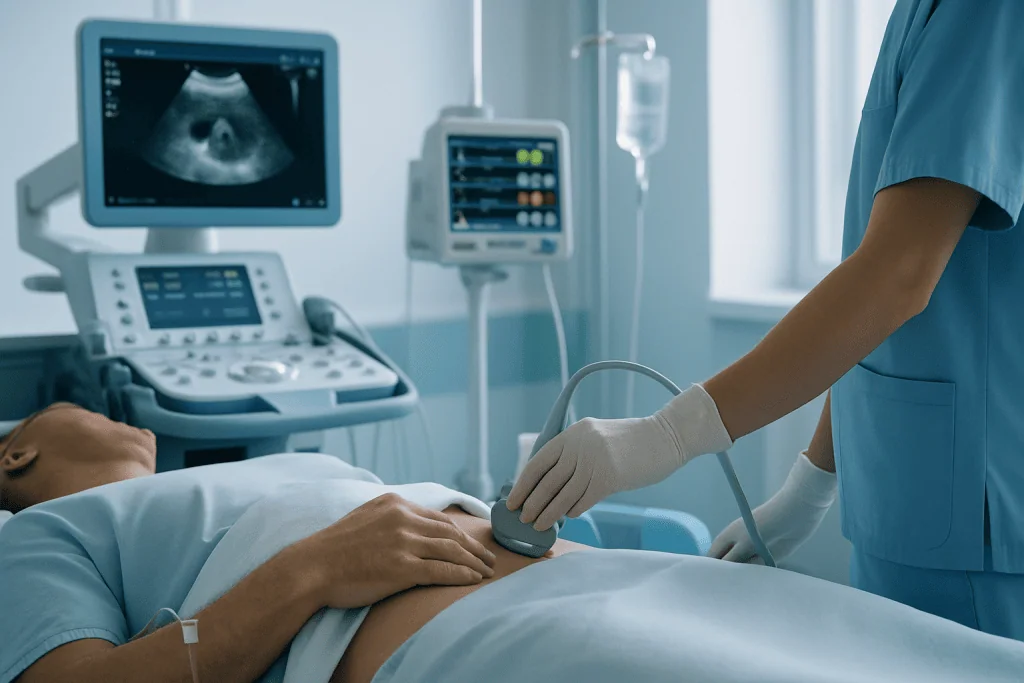
Pheochromocytoma treatment usually involves stabilizing blood pressure and other hormone-related effects before surgically removing the adrenal tumor causing them. At Acibadem in Turkey, endocrinology, imaging, anesthesia, and surgical teams coordinate diagnosis, preoperative preparation, and surgery to manage the condition safely.
Facing a Pheochromocytoma Diagnosis
Learning that you may have a pheochromocytoma can be unsettling. Many patients arrive at this diagnosis after months or years of unexplained symptoms: sudden spikes in blood pressure, pounding headaches, racing heartbeat, sweating, tremor, anxiety-like episodes or a feeling that “something is wrong” even when routine tests appear normal. Others discover an adrenal mass incidentally during imaging for another reason, and the uncertainty can be just as stressful.
Pheochromocytoma is a rare tumor that usually develops in the adrenal glands, the small hormone-producing glands located above the kidneys. These tumors can release excess catecholamines, such as adrenaline and noradrenaline, which can cause dangerous changes in blood pressure and heart rhythm. The condition is often treatable, but it must be approached carefully. Surgery is usually the main treatment, yet operating before hormone levels and blood pressure are properly controlled can be risky.
For international patients, the decision involves more than choosing a hospital. You may be comparing medical opinions across countries, trying to understand whether the tumor is benign or malignant, and wondering how long you may need to stay abroad. You may also be concerned about anesthesia, travel timing, language, documentation, and follow-up after returning home. A well-planned pheochromocytoma treatment pathway addresses all of these concerns from the beginning.
At Acibadem in Turkey, care for pheochromocytoma is coordinated among endocrinology, endocrine surgery or urologic surgery, anesthesia, radiology, nuclear medicine, cardiology when needed, pathology and international patient services. The central goal is straightforward but highly specialized: confirm the diagnosis, stabilize hormone-related risks, remove the tumor safely when appropriate, and organize follow-up based on the biology of the disease and the patient’s individual needs.
What Pheochromocytoma Treatment Is
Pheochromocytoma treatment focuses on controlling the effects of excess adrenal hormones and, in most cases, surgically removing the tumor. Because the tumor can release powerful stress hormones, treatment is not simply a matter of scheduling an operation. Preparation is a major part of care. Blood pressure, pulse, blood volume and cardiac status must be assessed and optimized before surgery.
Most pheochromocytomas arise from the adrenal medulla, the inner part of the adrenal gland. Similar tumors that develop outside the adrenal gland are called paragangliomas. Although the terms are different, the diagnostic and treatment principles often overlap. Some tumors are associated with inherited genetic syndromes, and some may be bilateral or recurrent. A small proportion can behave aggressively or spread to other parts of the body, which is why careful evaluation and long-term follow-up matter.
The standard treatment for a localized adrenal pheochromocytoma is adrenalectomy, the surgical removal of the affected adrenal gland or, in selected cases, removal of the tumor while preserving part of the adrenal gland. Many adrenalectomies can be performed using minimally invasive techniques through small incisions, depending on tumor size, location, imaging features, prior surgery and the surgeon’s assessment. Larger tumors, tumors suspicious for invasion, or complex recurrent cases may require an open surgical approach to allow safe control of blood vessels and complete removal.
Medical therapy is also essential. Before surgery, patients typically receive medications that block the effects of catecholamines on blood vessels and the heart. This may include alpha-blockade, often followed by beta-blockade when appropriate, along with fluid and salt guidance under medical supervision. The sequence and dosing are individualized. The purpose is to reduce the risk of severe blood pressure changes during anesthesia and tumor manipulation.
When disease is metastatic, recurrent or not suitable for immediate surgery, treatment may include medical control of hormone symptoms, targeted nuclear medicine therapies, systemic therapy, local treatments for specific lesions, or surgery as part of a broader disease-control plan. The treatment strategy depends on tumor biology, genetic findings, imaging results, symptoms and the patient’s overall condition.
Who May Need Pheochromocytoma Treatment
Patients may need evaluation and treatment for pheochromocytoma if they have symptoms suggestive of excess catecholamine release or if imaging shows an adrenal mass with biochemical evidence of hormone production. The classic symptom pattern includes episodic headaches, sweating and palpitations, often accompanied by high blood pressure. However, not every patient has the classic triad. Some have persistent hypertension, some have sudden attacks, and others have few symptoms despite significant hormone production.
Common symptoms can include rapid heartbeat, chest discomfort, shortness of breath, tremor, flushing or paleness, nausea, weight loss, constipation, weakness, panic-like episodes and heat intolerance. Symptoms may be triggered by physical activity, stress, surgery, certain medications, anesthesia, abdominal pressure or even changes in posture. In some patients, blood pressure fluctuates dramatically; in others, it remains consistently high and difficult to control with standard medications.
Diagnosis usually begins with biochemical testing. Blood or urine tests measure metanephrines and normetanephrines, which are breakdown products of catecholamines. These tests are sensitive when collected and interpreted correctly, but results can be affected by medications, stress, acute illness and sampling conditions. For this reason, endocrinology input is important, especially when results are borderline or the clinical picture is unclear.
Once hormone excess is suspected or confirmed, imaging is used to locate the tumor and evaluate its characteristics. Cross-sectional imaging, such as CT or MRI, helps define the size, side, relationship to nearby organs and surgical anatomy. MRI may be especially useful in selected patients, including younger patients, patients who should avoid radiation when possible, or patients with specific tumor features. Functional imaging may be used when there is concern for multifocal, recurrent, hereditary or metastatic disease. These studies evaluate the tumor’s biochemical behavior and help guide treatment planning.
Patients may also need treatment if an adrenal incidentaloma is found during imaging for another condition and subsequent testing shows catecholamine secretion. This is important because biopsy of an undiagnosed pheochromocytoma can be dangerous and is generally avoided unless very specific conditions are met by a specialist team. An adrenal mass should be hormonally evaluated before invasive procedures are considered.
Some patients are diagnosed after a hypertensive crisis during surgery, childbirth, trauma or an acute medical illness. Others are evaluated because of a family history of hereditary tumor syndromes. In younger patients, patients with bilateral tumors, extra-adrenal tumors, recurrent disease or certain imaging features, genetic counseling and testing may be recommended. Identifying a hereditary cause can influence surgical planning, follow-up and screening for family members.
Conditions and Indications Addressed by Treatment
Pheochromocytoma treatment addresses both the tumor itself and the potentially serious cardiovascular effects caused by hormone release. The primary indication is a biochemically confirmed catecholamine-producing adrenal tumor. Treatment is also considered for suspected pheochromocytoma when imaging and clinical findings strongly support the diagnosis, even if testing requires careful repetition or specialist interpretation.
Conditions and patient situations addressed include adrenal pheochromocytoma, bilateral adrenal pheochromocytomas, recurrent pheochromocytoma after prior surgery, hereditary pheochromocytoma associated with genetic syndromes, and pheochromocytoma discovered during investigation of resistant hypertension. Treatment planning may also cover paragangliomas, particularly when they behave like catecholamine-producing tumors, although their location and surgical management may differ.
In some patients, pheochromocytoma is part of a broader endocrine or genetic condition. These may include multiple endocrine neoplasia, von Hippel-Lindau disease, neurofibromatosis type 1, and syndromes associated with succinate dehydrogenase gene variants. When hereditary disease is possible, the treatment plan must consider long-term surveillance, risk of multiple tumors, adrenal preservation in selected cases, and family counseling.
For patients with metastatic pheochromocytoma or paraganglioma, the goal may shift from cure by surgery alone to long-term disease control, symptom reduction and prevention of complications. Management can involve multiple specialties and may include surgery for selected tumors, medication to control hormone effects, radiotherapy or nuclear medicine approaches, systemic therapies, and careful monitoring. The approach is individualized because these tumors can vary widely in behavior.
How Pheochromocytoma Treatment Is Performed
Treatment begins with confirmation of the diagnosis and assessment of surgical risk. At an experienced center, this is not a single appointment but a coordinated pathway. The endocrinologist reviews symptoms, blood pressure patterns, medications, prior test results and family history. Laboratory tests are checked or repeated when needed. Imaging is reviewed by radiology specialists familiar with adrenal disease. Surgeons assess whether minimally invasive or open surgery is most appropriate. Anesthesia physicians evaluate cardiovascular risk and plan for blood pressure changes that can occur during surgery.
The first practical step is preparation. Patients with functioning pheochromocytoma usually need alpha-adrenergic blockade for a period before surgery. This medication relaxes blood vessels and helps reduce blood pressure surges. The dose is adjusted gradually based on blood pressure, heart rate, symptoms and side effects such as dizziness. Some patients are advised to increase salt and fluid intake after alpha-blockade begins, but this must be individualized, especially for people with heart, kidney or vascular disease. If the heart rate remains high after adequate alpha-blockade, a beta-blocker may be added. Beta-blockers are generally not started before alpha-blockade because doing so can worsen blood pressure in pheochromocytoma.
During preparation, cardiac evaluation may be needed. Long-standing catecholamine excess can affect the heart, sometimes causing arrhythmias, cardiomyopathy or strain on the blood vessels. Tests such as electrocardiography, echocardiography or additional cardiology assessment may be used depending on symptoms and medical history. The anesthesia team also reviews medications, allergies, airway considerations and previous anesthesia experiences.
Imaging plays a central role in surgical planning. CT and MRI help define the adrenal mass, nearby blood vessels, kidney, pancreas, liver, spleen and other structures. Functional imaging may be used to confirm whether disease is limited to one adrenal gland or present elsewhere. These technologies help the team choose an incision strategy, anticipate vascular control, and reduce the likelihood of unexpected findings during surgery.
On the day of surgery, patients are monitored closely. Intravenous access is placed, and in many cases additional monitoring is used to track blood pressure beat by beat and guide rapid medication adjustments. The anesthesia plan is designed for the unique physiology of pheochromocytoma. During tumor manipulation, catecholamine release can cause sharp increases in blood pressure; after the adrenal vein is controlled or the tumor is removed, blood pressure can drop. The team prepares for both possibilities with fluids and short-acting medications.
The operation is called adrenalectomy when the adrenal gland is removed. In a minimally invasive adrenalectomy, the surgeon reaches the adrenal gland through small incisions using a camera and fine instruments. Depending on tumor position and patient anatomy, the approach may be through the abdomen or from the back. The surgeon carefully identifies and controls the adrenal vein and separates the gland from surrounding tissues. The tumor is removed in a protective manner and sent to pathology.
Open surgery may be recommended when the tumor is large, when imaging suggests local invasion, when there is concern for malignancy, or when prior operations or anatomy make minimally invasive surgery less safe. An open approach allows direct exposure and control of major vessels and surrounding organs. Although recovery is usually longer than after minimally invasive surgery, open surgery may be the more appropriate option for complex disease.
Partial adrenalectomy may be considered for selected patients, particularly those with bilateral tumors or hereditary risk of future tumors, when preserving adrenal function is important and oncologic safety is acceptable. This decision requires careful judgment. Removing too little tissue may increase recurrence risk, while removing both adrenal glands can lead to lifelong adrenal insufficiency requiring steroid replacement and emergency planning.
The duration of surgery varies. A straightforward minimally invasive adrenalectomy may take a few hours, while complex, bilateral, recurrent or open operations may take longer. Patients typically spend time in a recovery area with close monitoring and may stay in a high-dependency or intensive care setting briefly if blood pressure, fluid balance or cardiac status requires it. The care team monitors for low blood pressure, low blood sugar, pain, bleeding and adrenal hormone needs.
After surgery, blood pressure often improves, but the pattern differs from patient to patient. Some patients can reduce or stop blood pressure medications under medical supervision; others may still need treatment because they also have essential hypertension or vascular changes from long-standing disease. Blood sugar may be monitored because catecholamine excess can affect glucose metabolism, and levels can shift after tumor removal.
Pathology evaluation confirms the diagnosis and examines features that may suggest higher risk behavior. Unlike many cancers, pheochromocytoma cannot always be classified simply as benign or malignant based on microscopic appearance alone. Long-term behavior and evidence of spread are important. For this reason, follow-up testing is recommended even after apparently complete removal.
Recovery planning includes wound care, gradual activity, blood pressure monitoring, medication adjustment and follow-up biochemical testing. International patients receive discharge instructions that should be understandable and usable after returning home. When possible, the care plan includes a summary for the patient’s local physician, including surgery details, pathology findings, medication changes and recommended surveillance.
Why Acting Early Matters
Pheochromocytoma can be unpredictable. Some patients live with intermittent symptoms for years, while others experience sudden hypertensive crises. Delaying evaluation or treatment may increase the risk of serious cardiovascular events, including stroke, heart attack, heart failure, dangerous arrhythmias, aortic complications or kidney injury. Even when symptoms seem to come and go, the underlying hormone surges can place repeated stress on the cardiovascular system.
Timely diagnosis also helps prevent unsafe interventions. An adrenal mass that has not been evaluated for hormone production should not be biopsied casually, and surgery for any condition should be planned with awareness of a possible pheochromocytoma. Undiagnosed catecholamine-producing tumors can cause severe blood pressure instability during anesthesia, childbirth, trauma care or invasive procedures.
Early treatment can also make surgical planning more controlled. Smaller, localized tumors are often more suitable for minimally invasive surgery than very large or invasive masses. In hereditary cases, early recognition allows screening for other tumors and helps family members understand whether they may need genetic counseling. For patients with metastatic disease, earlier specialist evaluation can help control symptoms and define an appropriate long-term strategy.
Benefits of Treatment
The potential benefits of pheochromocytoma treatment depend on tumor behavior, overall health and the completeness of removal, but the main goals are to reduce hormone-related risk and restore safer cardiovascular control.
| Benefit | What It Means for You |
|---|---|
| Control of excess hormone release | Removing a functioning tumor can reduce or eliminate catecholamine surges that cause headaches, palpitations, sweating and sudden blood pressure spikes. |
| Improved blood pressure stability | Many patients experience better blood pressure control after treatment, although some may still need medication for underlying hypertension. |
| Reduced risk of cardiovascular crises | Appropriate preparation and tumor removal can lower the risk of severe complications related to uncontrolled hormone release. |
| Clearer diagnosis and risk assessment | Surgical pathology, imaging and biochemical follow-up help determine whether additional monitoring or treatment is needed. |
| Opportunity for genetic and family guidance | When hereditary disease is suspected, testing and counseling can guide long-term surveillance for the patient and potentially affected relatives. |
Recovery Timeline After Pheochromocytoma Treatment
Recovery varies according to the surgical approach, tumor complexity, hormone effects before surgery and the patient’s medical condition, but many patients follow a general pattern of monitored early recovery followed by gradual return to activity.
| Time Period | What Patients Can Expect |
|---|---|
| Day 1 | Close monitoring of blood pressure, heart rate, fluids, pain control and blood sugar. Some patients spend time in a higher-acuity unit depending on their risk profile. |
| First Week | Gradual walking, diet advancement, medication adjustment and preparation for discharge. Minimally invasive surgery usually allows a shorter hospital stay than open surgery. |
| First Month | Energy improves gradually. Patients monitor blood pressure, avoid heavy lifting as instructed and attend follow-up to review pathology and medication needs. |
| Longer Term | Biochemical testing and imaging when indicated help detect recurrence or persistent disease. Genetic counseling may be part of ongoing care for selected patients. |
Factors That Influence Outcomes
A good result in pheochromocytoma care depends on several connected factors. The first is accurate diagnosis. Because symptoms can resemble anxiety disorders, panic attacks, thyroid disease, heart rhythm disorders or ordinary hypertension, a careful endocrine evaluation is important. Properly performed biochemical testing and expert interpretation reduce the risk of missed or incorrect diagnosis.
The second factor is preoperative preparation. Patients who enter surgery with better-controlled blood pressure and heart rate are generally better positioned for safe anesthesia and recovery. Medication selection, dosing, timing and monitoring require experience, particularly in patients with heart disease, kidney disease, pregnancy, elderly age, severe hypertension or prior adverse reactions to medications.
Tumor characteristics also matter. Size, location, whether the tumor is confined to the adrenal gland, whether there are multiple tumors, and whether imaging suggests invasion all influence surgical approach and risk. A small, well-localized adrenal tumor may be treated very differently from a large tumor near major blood vessels or a recurrent tumor after previous surgery.
The surgeon’s experience with adrenal disease is another important factor. Pheochromocytoma surgery requires careful handling of the tumor, early vascular control when feasible, and coordination with anesthesia during moments when blood pressure can change quickly. The best approach is not always the smallest incision; it is the approach that allows safe and complete treatment for that patient’s anatomy and disease.
Anesthesia expertise is especially important. Pheochromocytoma operations are physiologically different from many other abdominal procedures. The anesthesia team must be prepared for rapid blood pressure increases during induction and tumor manipulation, followed by possible low blood pressure after removal. Continuous monitoring and immediate access to appropriate medications help manage these transitions.
Genetics can influence both the operation and follow-up. Patients with hereditary syndromes may have a higher risk of bilateral, recurrent or multifocal disease. In selected cases, adrenal-sparing surgery may be discussed to preserve hormone function, but this must be balanced against the risk of recurrence. Genetic findings can also influence the choice of imaging and the intensity of long-term surveillance.
Finally, long-term follow-up affects outcomes. Even after successful surgery, patients need biochemical monitoring because recurrence or new tumors can occur, especially in hereditary or extra-adrenal disease. Patients should understand which symptoms to report, how often testing is recommended, and which records to keep. International patients benefit from a follow-up plan that can be shared with their physicians at home.
Why International Patients Choose Acibadem for Pheochromocytoma Care
International patients considering pheochromocytoma treatment abroad often look for three things: medical depth, coordinated planning and practical support in a language they understand. At Acibadem, pheochromocytoma care is organized around these needs, with attention to both the endocrine complexity of the condition and the realities of traveling for treatment.
Care is planned by physicians from relevant specialties, including endocrinology, surgery, anesthesia and imaging. When cases are complex, they may be reviewed in multidisciplinary boards or specialist discussions so that diagnostic findings, operative options and follow-up needs are considered together. This is particularly valuable for patients with hereditary disease, bilateral tumors, recurrent tumors, suspicious imaging findings or possible metastatic disease.
Acibadem hospitals are JCI-accredited, reflecting structured standards for patient safety, quality processes and clinical governance. For a patient traveling internationally, these systems matter in practical ways: medication reconciliation, surgical safety checks, infection prevention, anesthesia planning, intensive care readiness and coordinated discharge documentation all contribute to safer care.
Modern imaging and diagnostic pathways support accurate treatment planning. Cross-sectional imaging, laboratory evaluation, functional imaging when appropriate, perioperative monitoring and pathology assessment are used to understand not only where the tumor is, but how it behaves. Technology is meaningful when it answers clinical questions: Is the tumor producing hormones? Is it limited to one adrenal gland? Is minimally invasive surgery appropriate? Is there evidence of disease elsewhere? What follow-up is needed?
Experienced physicians are central to the process. Pheochromocytoma is uncommon, and the details matter. Endocrinologists guide biochemical confirmation and medication preparation. Surgeons determine the safest method of removal. Anesthesia physicians prepare for hormone-related blood pressure changes. Radiologists and nuclear medicine specialists help map disease. Pathologists provide diagnostic confirmation and risk-related information. This coordination helps reduce fragmented decision-making.
Personalized treatment planning is also important because not every pheochromocytoma patient needs the same pathway. A young patient with a hereditary syndrome and bilateral tumors has different priorities than an older patient with a single adrenal incidentaloma and heart disease. A patient with metastatic paraganglioma requires a different plan than someone with a small, localized adrenal tumor. The treatment approach is shaped by the diagnosis, imaging, hormone profile, genetics, surgical risk and the patient’s goals.
For international patients, Acibadem International provides support before, during and after travel. Services may include appointment coordination, medical record review, interpreter assistance in more than 20 languages, hospital admission guidance, communication with clinical departments and help with discharge documentation. This support does not replace medical decision-making, but it helps patients navigate an unfamiliar healthcare system more confidently.
Many patients also seek a second opinion before committing to surgery. A second opinion can be particularly useful when biochemical tests are borderline, when imaging is unclear, when surgery has been recommended without adequate hormone preparation, or when a patient has been told the tumor is too complex for minimally invasive treatment. Reviewing the case with an adrenal-focused team can clarify the diagnosis and the safest next step.
Taking the Next Step
Pheochromocytoma is rare, but it is a condition where careful planning can make a meaningful difference. The goal is not only to remove a tumor, but to do so after the body has been prepared for the hormonal effects that make this disease unique. With coordinated endocrine, surgical, anesthesia and imaging expertise, patients can move from uncertainty toward a clear treatment plan.
If you have been diagnosed with pheochromocytoma, have an adrenal mass with abnormal hormone tests, or are seeking a second opinion before surgery, you can request a consultation with Acibadem. Sharing your laboratory results, imaging reports, medication list and medical history allows the clinical team to review your case and advise on the appropriate next steps.
This information is general and is not a substitute for professional medical advice. Diagnosis and treatment decisions should be made with a qualified physician who can evaluate your individual condition.
Preparation
- Diagnosis is confirmed with hormone blood or urine tests and imaging such as CT, MRI or functional scans when needed. Blood pressure and heart rhythm are carefully optimized before surgery, often with alpha-blocker medication for 1 to 2 weeks. Patients may need cardiology and anesthesia assessment, medication review, and fasting before the operation.
Aftercare
- After surgery, blood pressure, heart rhythm and blood sugar are closely monitored, sometimes in an intensive care or high-dependency setting. Pain control, early walking and gradual return to eating are encouraged. Pathology results and follow-up hormone tests guide long-term surveillance for recurrence or hereditary risk.
Turkey vs UK, Germany & USA
Pheochromocytoma care is planned around safe hormone control, detailed imaging and removal of the adrenal tumor when appropriate. Costs and the patient experience vary by hospital pathway, specialist team, surgical approach and international travel needs.
The comparison below highlights cost and experience factors for international patients considering pheochromocytoma treatment in different healthcare systems.
| Factor | Turkey | UK | Germany | USA |
|---|---|---|---|---|
| Price drivers | Hospital category, endocrine workup, imaging, anesthesia risk planning, surgical approach and length of monitoring influence the package. | Private care costs depend on consultant fees, hospital charges, imaging and operating theatre time; public pathways may involve eligibility and scheduling steps. | Costs vary by hospital status, specialist fees, diagnostic imaging, inpatient care and pathology requirements. | Costs are strongly affected by facility fees, surgeon and anesthesia billing, insurance status, imaging and postoperative monitoring. |
| Hospital and surgeon factors | International hospitals may coordinate endocrinology, endocrine surgery, anesthesia, radiology and intensive monitoring in a single pathway. | Care may be delivered through specialist endocrine units or private hospitals, with access depending on referral route. | University and specialist centers often provide structured endocrine surgery pathways and advanced diagnostics. | Large academic and private centers may offer highly specialized endocrine surgery, with billing and preauthorization varying widely. |
| Accreditation and quality | JCI-accredited hospital options, multidisciplinary tumor planning and international patient coordination may support a structured experience. | Quality oversight is shaped by national regulation, hospital governance and specialist professional standards. | Quality is supported by national hospital standards, specialist departments and institutional protocols. | Accreditation, institutional protocols and specialist center experience vary by provider and network. |
| Typical waiting times | Self-funded international pathways can often be scheduled after records review and medical stabilization planning. | Waiting time depends on public or private route, urgency, consultant availability and imaging access. | Scheduling depends on referral pathway, diagnostic completion and operating list availability. | Timing depends on insurance authorization, provider availability and hospital scheduling. |
| Travel and language logistics | International patient services may assist with medical records, interpreters, airport transfers and accommodation guidance. | Travel support varies by hospital; English is the main care language. | Interpreter support may be needed for some international patients and varies by provider. | Travel coordination is usually arranged separately unless provided by an international patient office. |
| What a package may include | Consultations, imaging review, preoperative preparation, surgery, anesthesia, hospital stay, pathology and follow-up planning may be bundled depending on the case. | Private packages may include selected hospital and professional services, while imaging, pathology or follow-up may be billed separately. | Packages vary and may separate diagnostics, inpatient care, surgery and professional fees. | Billing is commonly itemized across hospital, physician, anesthesia, imaging, laboratory and pharmacy services. |
What affects your final cost
- Tumor features: size, location, hormone activity and whether disease is suspected outside the adrenal gland.
- Preoperative stabilization: blood pressure control, medication needs and monitoring before surgery.
- Diagnostic workup: blood and urine hormone tests, cross-sectional imaging, functional imaging and specialist review.
- Surgical approach: minimally invasive, open or organ-sparing surgery depending on specialist assessment.
- Hospital stay and monitoring: postoperative blood pressure, fluid balance, pain control and intensive observation if needed.
- International services: interpreter support, care coordination, transfers, accommodation guidance and follow-up communication.
Compare your options
Pheochromocytoma treatment options depend on hormone activity, tumor anatomy, hereditary risk, overall health and whether disease is localized or advanced. Suitability is decided by a specialist after endocrine, imaging, surgical and anesthesia assessment.
| Option | What it is | Typical use | Key considerations |
|---|---|---|---|
| Preoperative medical preparation | Medication and monitoring to control blood pressure and reduce hormone-related surgical risk. | Used before most operations for hormone-producing pheochromocytoma. | Requires endocrinology supervision, medication adjustment and careful anesthesia planning. |
| Minimally invasive adrenalectomy | Removal of the adrenal tumor or adrenal gland through small incisions using laparoscopic or robotic techniques where appropriate. | Often considered for localized tumors with suitable anatomy and controlled hormone activity. | May support recovery comfort, but safety depends on tumor size, position, prior surgery and surgeon judgment. |
| Open adrenalectomy | Removal through a larger incision to allow direct access and control. | Considered for large, invasive, complex or suspicious tumors, or when safe minimally invasive removal is not appropriate. | May require longer inpatient monitoring and has different recovery considerations. |
| Partial adrenal surgery | Removal of the tumor while preserving some adrenal tissue when feasible. | May be discussed in selected hereditary or bilateral disease scenarios. | Balances hormone preservation with the need for complete tumor control and ongoing surveillance. |
| Non-surgical and systemic care | Specialist-led treatment such as targeted medical therapy, radiopharmaceutical therapy or oncology care when surgery is not curative or not suitable. | Used for metastatic, recurrent, inoperable or high-risk disease. | Requires coordinated endocrinology, oncology, nuclear medicine, imaging and long-term follow-up. |
| Active surveillance after treatment | Regular clinical review, hormone testing and imaging when indicated. | Used after surgery and in selected low-risk or complex cases under specialist guidance. | Follow-up is important because recurrence risk and hereditary factors may influence long-term care. |
Trusted care for international patients
General information only — not medical or financial advice. Final costs depend on the factors above and your individual case; request a free, personalised quote.
Doctors Performing This Treatment
Prof. Dr. Abdullah Büyükçelik
Medical Oncology
Prof. Dr. Ahmet Öztürk
Hematology
Prof. Dr. Ali Arican
Medical Oncology
Prof. Dr. Ayşen Timurağaoğlu
Hematology
Prof. Dr. Aziz Yazar
Medical Oncology
Prof. Dr. Başak Oyan Uluç
Medical Oncology
Prof. Dr. Bülent Karabulut
Medical Oncology
Prof. Dr. Bülent Orhan
Medical Oncology
Prof. Dr. Eren Erken
Hematology
Prof. Dr. Ersin Özaslan
Medical Oncology
Prof. Dr. Faysal Dane
Medical Oncology
Prof. Dr. Gökhan Demir
Medical Oncology
Prof. Dr. Gül Başaran
Medical Oncology
Prof. Dr. Gülsan Sucak
Hematology
Prof. Dr. Handan Onur Topuzlu
Medical Oncology
Prof. Dr. Hüseyin Engin
Medical Oncology
Prof. Dr. Meliha Nalçacı
Hematology
Prof. Dr. Mustafa Çetiner
Hematology
Prof. Dr. Okan Kuzhan
Medical Oncology
Prof. Dr. S. Sami Kartı
Hematology
Prof. Dr. Salim Başol Tekin
Hematology
Prof. Dr. Siret Ratip
Hematology
Prof. Dr. Soner Solmaz
Hematology
Prof. Dr. Taner Korkmaz
Medical OncologyMedical Units
Available at These Hospitals












Diseases This Treats
Frequently Asked Questions
What affects the cost of pheochromocytoma treatment?
The main factors are the extent of endocrine testing, imaging needs, blood pressure preparation, surgical approach, anesthesia planning, hospital stay, pathology, postoperative monitoring and whether international patient services are included.
How can I get a personalised quote from Acibadem?
You can request a free consultation and share your medical reports, imaging, medication list and previous test results. The relevant specialists review the case and prepare a treatment plan and quote based on your individual needs.
Is pheochromocytoma surgery always suitable?
No. Surgery is commonly used for localized adrenal pheochromocytoma, but the timing and approach depend on hormone control, tumor features, overall health and anesthesia risk. Suitability is decided by the specialist team.
Why is blood pressure control important before treatment?
Pheochromocytomas can release hormones that affect blood pressure and heart function. Careful medical preparation before surgery helps reduce anesthesia and operative risk.
Does an international treatment package include travel support?
Package content varies by case and hospital plan. It may include consultations, surgery-related hospital services, interpreter support and coordination, while flights, accommodation or extra tests may be handled separately.
Can the surgical technique change the final cost?
Yes. Minimally invasive, open or partial adrenal surgery can involve different operating time, equipment, monitoring and hospital stay needs. The safest approach is chosen after specialist assessment.