

Celiac Disease
Celiac disease is an autoimmune digestive condition triggered by gluten, managed with accurate diagnosis, lifelong gluten-free nutrition, deficiency correction, and specialist follow-up to support intestinal healing.

Quick answer
Celiac disease is an autoimmune digestive disorder in which gluten triggers inflammation and damage in the small intestine, and treatment centers on confirming the diagnosis and starting a strict lifelong gluten-free diet. At Acibadem in Turkey, care typically includes specialist evaluation, tests to assess intestinal injury and related deficiencies, nutritional guidance, and follow-up to support healing and long-term symptom control.
Living With Celiac Disease: Why Accurate Diagnosis and Long-Term Care Matter
Celiac disease is more than a food intolerance. It is an autoimmune digestive condition in which gluten — a protein found in wheat, barley, rye and foods made from them — triggers an immune reaction that damages the lining of the small intestine. Over time, this can reduce the body’s ability to absorb nutrients and may affect energy, growth, bone strength, fertility, mood and overall health.
For many patients, the path to diagnosis is not straightforward. Symptoms may be digestive, such as bloating, diarrhea or abdominal discomfort, but they may also appear outside the digestive system: unexplained anemia, fatigue, mouth ulcers, headaches, skin changes, osteoporosis or difficulty becoming pregnant. Some people have few symptoms and discover the condition only after abnormal blood tests or family screening.
If you are researching care abroad, you may be trying to answer several questions at once: Do I truly have celiac disease? Do I need an endoscopy? Will I ever feel normal again? How strict does gluten-free eating need to be? What happens if I accidentally eat gluten? These are valid concerns. Celiac disease requires a precise diagnosis and a lifelong management plan, but with the right medical support, many people experience meaningful symptom improvement, intestinal healing and better nutritional health.
At Acibadem, celiac disease care is approached as a long-term partnership between gastroenterologists, dietitians, laboratory specialists and, when needed, other physicians such as dermatologists, endocrinologists, pediatricians, gynecologists, hematologists or bone health specialists. The goal is not only to remove gluten from the diet, but also to confirm the diagnosis correctly, identify deficiencies, treat complications, support intestinal recovery and help patients maintain a healthy, practical gluten-free life.
What Celiac Disease Treatment Is
The primary treatment for celiac disease is a strict lifelong gluten-free diet. This means avoiding foods, ingredients and cross-contamination sources that contain wheat, barley, rye and their derivatives. Unlike some digestive conditions that are treated mainly with medication, celiac disease is managed by removing the immune trigger from daily life.
When gluten is removed completely, inflammation in the small intestine usually decreases. The intestinal villi — tiny finger-like structures that absorb nutrients — can gradually recover. Symptoms often improve, vitamin and mineral levels can be restored, and long-term risks related to untreated disease may be reduced.
However, treatment is not simply “stop eating bread.” Gluten can appear in sauces, processed foods, medications, supplements, restaurant meals, shared kitchen equipment and products labeled in unfamiliar ways. Patients also may need evaluation and correction of deficiencies such as iron, folate, vitamin B12, vitamin D, calcium, zinc or other nutrients. In children, growth and development must be monitored. In adults, bone density, anemia, thyroid disease, liver enzyme abnormalities and reproductive health may need attention.
A complete celiac disease management plan commonly includes:
- Confirmation of diagnosis through appropriate blood tests, endoscopy with biopsy when indicated, genetic testing in selected cases and review of prior medical records.
- Personalized gluten-free nutrition counseling with attention to culture, travel, family eating patterns, budget and food availability in the patient’s home country.
- Assessment of nutritional deficiencies and targeted supplementation when needed.
- Monitoring of intestinal healing using symptoms, antibody levels, laboratory markers and, in selected cases, follow-up endoscopy.
- Evaluation for associated autoimmune conditions, such as autoimmune thyroid disease or type 1 diabetes, when clinically appropriate.
- Support for refractory or nonresponsive symptoms, including investigation of hidden gluten exposure, lactose intolerance, irritable bowel syndrome, microscopic colitis, pancreatic insufficiency or other gastrointestinal conditions.
For patients traveling internationally, a coordinated plan is especially important. Diagnosis and treatment recommendations should be clear enough to continue safely after returning home, with written guidance, test results and follow-up instructions that can be shared with local physicians.
Who May Need Evaluation and Treatment for Celiac Disease
Celiac disease can occur at any age. It may appear in infancy after gluten is introduced, during childhood, in young adulthood, during pregnancy, after surgery or infection, or later in life. Some patients have symptoms for years before the condition is recognized. Others are diagnosed because a family member has celiac disease or because blood tests show anemia or vitamin deficiencies.
Typical digestive symptoms may include chronic diarrhea, constipation, bloating, excessive gas, abdominal pain, nausea, vomiting, reflux-like symptoms, weight loss or difficulty gaining weight. In children, celiac disease may cause poor growth, delayed puberty, irritability, abdominal distension or reduced appetite.
Symptoms outside the digestive tract are also common and may be the main reason a patient seeks care. These can include persistent fatigue, iron deficiency anemia, low vitamin D, bone pain, osteopenia or osteoporosis, mouth ulcers, tingling in the hands or feet, headaches, infertility, recurrent miscarriage, elevated liver enzymes, itchy blistering skin rash known as dermatitis herpetiformis, or mood changes such as anxiety or depression.
Diagnosis usually begins with blood testing. The most commonly used screening test is tissue transglutaminase IgA antibody, often measured together with total IgA to check whether the patient has IgA deficiency. Other antibody tests may be useful in certain circumstances, particularly in young children, people with IgA deficiency or complex diagnostic situations. In many adults and in selected children, upper gastrointestinal endoscopy with small-intestinal biopsies is used to confirm the diagnosis and assess the degree of intestinal injury.
A critical point is that testing should generally be performed while the patient is still eating gluten. Starting a gluten-free diet before evaluation can make antibody tests and biopsy results less reliable. If someone has already stopped gluten, the physician may discuss a gluten challenge, genetic testing or other strategies depending on the clinical situation and the patient’s safety.
Patients may need specialist evaluation if they have:
- Positive celiac antibody tests or abnormal small-intestinal biopsy results.
- Symptoms suggestive of celiac disease, especially when persistent or unexplained.
- Iron deficiency anemia, vitamin deficiencies or low bone density without a clear cause.
- A first-degree relative with celiac disease.
- Type 1 diabetes, autoimmune thyroid disease, autoimmune liver disease or other conditions associated with celiac disease.
- Ongoing symptoms despite following a gluten-free diet.
- Uncertainty about whether the original diagnosis was correct.
For international patients, evaluation may involve reviewing previous blood tests, endoscopy reports, pathology slides, diet history and supplement use. This helps avoid unnecessary repeat testing while ensuring that important information is not missed.
Conditions and Indications Addressed by Celiac Disease Care
Celiac disease care addresses both the autoimmune intestinal condition itself and the health consequences that can follow when the disease is untreated, incompletely treated or misdiagnosed. The clinical picture can vary widely, so care is tailored to each patient rather than based on symptoms alone.
The main indication is confirmed or strongly suspected celiac disease. This includes newly diagnosed patients who need a structured treatment plan, patients with positive blood tests who require confirmation, and patients who have been told they may have celiac disease but are uncertain about the diagnosis.
Specialist care is also important for nonresponsive celiac disease, meaning symptoms or abnormal laboratory tests continue despite a gluten-free diet. In many cases, the cause is ongoing gluten exposure from hidden ingredients or cross-contamination. In other cases, additional conditions may be present, such as lactose intolerance, small intestinal bacterial overgrowth, irritable bowel syndrome, inflammatory bowel disease, microscopic colitis, pancreatic enzyme insufficiency or food intolerances unrelated to gluten.
Another important indication is nutritional deficiency correction. Iron deficiency anemia is common in undiagnosed celiac disease, but deficiencies in folate, vitamin B12, vitamin D, calcium, magnesium, zinc and fat-soluble vitamins may also occur. These deficiencies can affect energy, immunity, bone health, neurologic function and pregnancy outcomes.
Some patients require care for bone health. Long-standing malabsorption may contribute to osteopenia or osteoporosis, increasing the risk of fractures. Assessment may include vitamin D and calcium evaluation, hormone or thyroid testing when appropriate, and bone density measurement based on age, risk factors and disease history.
Celiac disease care may also address dermatitis herpetiformis, a chronic itchy blistering rash linked to gluten sensitivity. Although dermatologic treatment may help symptoms, strict gluten-free nutrition remains central to long-term control.
In children and adolescents, treatment focuses on intestinal healing, normal growth, pubertal development, school and social eating, and family education. In women, care may include evaluation of menstrual irregularities, infertility, recurrent miscarriage or pregnancy nutrition. In older adults, the focus may include anemia, bone strength, weight changes, medication interactions and distinguishing celiac disease from other gastrointestinal disorders.
A small number of patients have rare complications, such as refractory celiac disease, in which intestinal damage persists despite strict gluten avoidance. These cases require careful reassessment by experienced gastroenterologists, review of pathology and specialized investigations to exclude other causes and identify the safest management plan.
How Celiac Disease Care Is Performed: From Diagnosis to Long-Term Follow-Up
Celiac disease treatment begins with clarity. Because the gluten-free diet is lifelong and socially demanding, the diagnosis should be as accurate as possible. At Acibadem, the process is organized around a careful review of symptoms, prior testing, family history, diet and any existing medical conditions.
Initial Consultation and Medical Review
The first step is a detailed consultation with a gastroenterology specialist. The physician asks about digestive symptoms, weight changes, anemia, fatigue, bone health, skin findings, neurologic symptoms, fertility history, medications, supplements and family history. For international patients, previous laboratory results, endoscopy images, biopsy reports and pathology documents can be reviewed to determine whether additional testing is needed.
The physician also asks whether the patient is currently eating gluten. This is important because eliminating gluten before diagnostic testing can lead to false-negative results. If a patient has already started a gluten-free diet, the care team will assess how long gluten has been avoided, whether symptoms improved and whether a supervised gluten challenge is appropriate. Not every patient is asked to restart gluten; the decision depends on medical history, symptom severity, prior test quality and diagnostic goals.
Laboratory Testing
Blood tests are used to look for celiac-related antibodies and to evaluate the body’s nutritional status. Common tests may include tissue transglutaminase IgA, total IgA, deamidated gliadin peptide antibodies in selected cases, complete blood count, iron studies, folate, vitamin B12, vitamin D, calcium, liver enzymes, thyroid function and inflammatory markers when indicated.
Genetic testing for HLA-DQ2 and HLA-DQ8 may be helpful in certain situations. These genes are common in people with celiac disease, but also occur in many people who never develop it. A negative result makes celiac disease much less likely, while a positive result does not confirm the diagnosis by itself. Genetic testing can be useful when the diagnosis is uncertain, when the patient is already gluten-free, or when family members are being assessed.
Endoscopy and Small-Intestinal Biopsy
When needed, upper gastrointestinal endoscopy allows the physician to examine the esophagus, stomach and the first part of the small intestine. During the procedure, small tissue samples are taken from the duodenum. These biopsies are examined under a microscope to look for changes typical of celiac disease, including villous atrophy, increased inflammatory cells and crypt changes.
Endoscopy is usually performed with sedation, so patients are comfortable. The procedure itself is typically brief, but the total appointment includes preparation, monitoring and recovery from sedation. Patients usually return home or to their hotel the same day, with instructions about eating, activity and when results will be available.
Modern endoscopy systems provide high-resolution visualization, and pathology evaluation helps confirm whether the intestinal pattern is consistent with celiac disease or suggests another condition. In complex cases, pathology review is especially important because several disorders can mimic celiac-like intestinal injury.
Personalized Gluten-Free Nutrition Plan
Once the diagnosis is established, the cornerstone of treatment is a strict gluten-free diet. A dietitian experienced in celiac disease helps patients understand which foods are safe, which must be avoided and how to read labels. The plan is adapted to the patient’s culture, language, travel routine, family cooking habits and access to gluten-free products at home.
Patients learn to avoid wheat, barley, rye, many traditional breads and pastries, regular pasta, couscous, bulgur, semolina, malt-containing products and foods thickened or flavored with gluten-containing ingredients. Naturally gluten-free foods include many fruits, vegetables, legumes, unprocessed meats, fish, eggs, milk products, rice, corn, potatoes, quinoa, buckwheat and certified gluten-free oats when tolerated and appropriate.
Cross-contamination is a common reason symptoms continue. Shared toasters, cutting boards, frying oil, bulk bins, restaurant grills, sauces and condiments can expose patients to gluten even when the main ingredient appears gluten-free. Education focuses on practical prevention without creating unnecessary fear around food.
Correction of Deficiencies and Associated Conditions
If testing shows deficiencies, supplementation is prescribed according to the patient’s needs. Iron deficiency may require oral or, in selected situations, intravenous replacement. Vitamin D and calcium support may be recommended for bone health. Folate, B12, zinc or other supplements may be used when levels are low.
Associated conditions are assessed based on individual risk. This may include thyroid testing, blood sugar evaluation, liver enzyme follow-up, bone density assessment, dermatology evaluation for dermatitis herpetiformis, gynecologic consultation or pediatric growth monitoring. The objective is to treat the full medical picture, not only the intestinal inflammation.
Follow-Up and Monitoring
Celiac disease follow-up is usually scheduled over months rather than days. Symptoms may improve within weeks, but antibody levels and intestinal healing take longer. The care team may repeat blood tests to monitor antibody decline, anemia correction, vitamin levels and liver enzymes. If symptoms continue, the physician investigates whether the issue is hidden gluten exposure, slow healing, another digestive disorder or a rare complication.
Follow-up endoscopy is not necessary for every patient, but may be recommended in adults with severe disease, persistent symptoms, unclear diagnosis, high-risk features or lack of improvement. The decision is individualized.
For international patients, Acibadem’s international patient services can assist with appointment coordination, language support and communication of medical records. The aim is to provide a clear diagnostic and treatment pathway that patients can continue with their physicians after returning home.
Why Acting Early Matters in Celiac Disease
Untreated celiac disease can quietly affect multiple systems in the body. Some patients continue to function despite symptoms, assuming that fatigue, bloating or anemia are part of daily life. Others remove gluten without a confirmed diagnosis, which may improve symptoms but leave uncertainty about long-term medical needs. In both situations, delaying proper evaluation can make care more complicated.
Early diagnosis helps prevent ongoing intestinal damage and malabsorption. When nutrients are not absorbed well, patients may develop iron deficiency anemia, low vitamin D, calcium deficiency, weight loss, weakness and reduced bone density. In children, delayed treatment can interfere with growth, puberty and school performance. In adults, long-standing untreated disease can contribute to osteoporosis, infertility concerns, neurologic symptoms and a reduced quality of life.
Acting early also helps avoid unnecessary treatments. Celiac disease can resemble irritable bowel syndrome, lactose intolerance, inflammatory bowel disease, chronic gastritis, gallbladder disorders or food sensitivities. Without accurate testing, patients may spend years changing diets or using medications that do not address the underlying autoimmune trigger.
Another reason not to delay is diagnostic accuracy. If gluten has already been removed for a long time, confirming celiac disease can be more difficult. Some patients then face the difficult decision of whether to reintroduce gluten temporarily for testing. A timely evaluation while still eating gluten may reduce uncertainty and support a clearer long-term plan.
Early care does not mean rushing into unnecessary procedures. It means choosing the right tests at the right time, interpreting results carefully and beginning a sustainable treatment plan before complications develop or become harder to reverse.
Benefits of Celiac Disease Treatment
Effective celiac disease treatment can improve symptoms, restore nutritional health and reduce risks related to ongoing intestinal inflammation.
| Benefit | What It Means for You |
|---|---|
| Reduced intestinal inflammation | Strict gluten avoidance allows the small intestine to begin healing, which may improve digestion and nutrient absorption over time. |
| Improved symptoms | Many patients experience less bloating, diarrhea, abdominal discomfort, fatigue or nausea once gluten exposure is removed and deficiencies are treated. |
| Correction of deficiencies | Targeted treatment for low iron, vitamin D, B12, folate or other nutrients can support energy, bone strength, immunity and general health. |
| Better long-term risk management | Consistent treatment helps reduce the effects of chronic malabsorption and may lower the risk of complications associated with untreated disease. |
| Clearer daily food decisions | Dietitian-guided education helps patients understand labels, restaurants, travel and cross-contamination so the diet becomes more manageable. |
| Identification of related conditions | Follow-up can detect associated autoimmune disorders, bone health concerns or other digestive conditions that may need separate care. |
Recovery and Follow-Up Timeline
Recovery from celiac disease is gradual; symptoms may improve early, while antibody normalization and intestinal healing often take longer.
| Time Period | What Patients Can Expect |
|---|---|
| Day 1 | After diagnosis, the focus is education: understanding gluten sources, planning safe meals and beginning any recommended supplements. |
| First Week | Some digestive symptoms may begin to settle, although bloating or bowel changes can fluctuate as the diet changes and the intestine remains inflamed. |
| First Month | Patients often become more confident with label reading, meal preparation and cross-contamination prevention. Energy may improve if deficiencies are being corrected. |
| Three to Six Months | Follow-up blood tests may show improving antibody levels or nutritional markers. Persistent symptoms are reviewed to identify hidden gluten exposure or other conditions. |
| First Year | Many patients have significant clinical improvement. Bone health, anemia, vitamin levels and associated conditions may be reassessed based on the original findings. |
| Longer Term | Lifelong gluten-free nutrition and periodic medical follow-up help maintain intestinal health, prevent deficiencies and support quality of life. |
Factors That Influence Outcomes and a Good Result
The outlook for celiac disease is generally favorable when the diagnosis is accurate and gluten is removed consistently. However, the pace of recovery and the completeness of symptom improvement vary from person to person. A good result depends on several medical and practical factors.
Diagnostic accuracy is the first factor. Celiac disease should be distinguished from non-celiac gluten sensitivity, wheat allergy, irritable bowel syndrome and other causes of small-intestinal injury. A correct diagnosis prevents unnecessary restriction for those who do not have celiac disease and supports appropriate lifelong care for those who do.
Strictness of gluten avoidance is central. Even small, repeated exposures can keep antibody levels elevated and delay intestinal healing. This does not mean patients must live in isolation from social meals, but it does mean they need reliable strategies for restaurants, travel, shared kitchens and packaged foods.
Diet quality also matters. Gluten-free does not automatically mean nutritious. Some gluten-free processed foods are low in fiber and high in sugar or fat. A balanced plan includes naturally gluten-free whole foods, adequate protein, fiber-rich grains or starches, fruits, vegetables and appropriate dairy or alternatives. Diet quality is especially important for children, pregnant women, athletes, older adults and people with diabetes or cardiovascular risk factors.
Correction of deficiencies influences how quickly patients feel better. Fatigue may not resolve if iron deficiency, B12 deficiency or vitamin D deficiency remains untreated. Bone health may require longer-term attention even after digestive symptoms improve.
Age and severity at diagnosis can affect healing time. Children often heal more quickly than adults, while adults with long-standing disease, severe villous atrophy or significant deficiencies may require more time and closer monitoring.
Associated conditions may influence symptoms. Autoimmune thyroid disease, type 1 diabetes, microscopic colitis, lactose intolerance, small intestinal bacterial overgrowth, pancreatic insufficiency or functional bowel disorders can coexist with celiac disease. If symptoms persist despite careful gluten avoidance, these possibilities should be investigated rather than assuming the diet has failed.
Communication and follow-up are also essential. Patients who receive clear instructions, written plans and structured follow-up are better able to maintain treatment long term. For international patients, coordination between the treating team abroad and the patient’s local physician can support continuity after travel.
Why International Patients Choose Acibadem for Celiac Disease Care
International patients seeking celiac disease evaluation often need more than a single appointment. They may need confirmation of a diagnosis, interpretation of previous tests, endoscopy and biopsy, nutrition counseling, deficiency treatment and a plan they can continue in their home country. Acibadem’s approach is designed around this full pathway.
Care is provided in JCI-accredited hospitals with established systems for patient safety, diagnostic quality and coordinated medical services. Gastroenterology specialists work with laboratory medicine, pathology, radiology and clinical nutrition teams to evaluate celiac disease from multiple angles. When symptoms or complications involve other organs, related specialties can be included. This may involve dermatology for dermatitis herpetiformis, endocrinology for thyroid disease or diabetes, hematology for complex anemia, gynecology for reproductive concerns, pediatrics for growth issues, or bone health assessment for osteopenia and osteoporosis.
Multidisciplinary review is particularly valuable when the diagnosis is uncertain or symptoms continue despite a gluten-free diet. In complex digestive cases, physicians can review blood tests, biopsy findings, imaging, medication history and diet exposure together. This reduces the risk of focusing only on gluten when another condition may also be present.
Modern diagnostic pathways support precise evaluation. High-resolution endoscopic imaging helps physicians examine the upper digestive tract and obtain tissue samples when needed. Pathology assessment helps identify the microscopic pattern of intestinal injury. Laboratory testing evaluates immune markers, nutritional status and associated conditions. These tools do not replace clinical judgment; they help physicians make decisions based on a more complete picture.
Nutrition support is a major part of celiac disease care. A gluten-free diet must be medically strict, but it also must be realistic. International patients may come from countries with different staple foods, food labeling laws, restaurant practices and access to gluten-free products. Dietitians can help translate medical requirements into daily routines that fit the patient’s home environment, travel schedule and family life.
Acibadem International supports patients before, during and after their visit with services in more than 20 languages. Assistance may include appointment planning, medical record coordination, interpretation, hospital navigation and communication with the clinical team. For patients traveling from the United States or other countries, this support can make the medical process more organized and easier to understand.
Personalized treatment planning is especially important in celiac disease because two patients with the same diagnosis may have very different needs. A newly diagnosed child, an adult with severe anemia, a patient who has been gluten-free for years without confirmation, and someone with persistent symptoms despite careful diet all require different approaches. The care plan should reflect the patient’s medical history, test results, risks, lifestyle and follow-up options at home.
Choosing care abroad is a significant decision. Patients often want academic-level medical evaluation, clear communication, careful coordination and respectful guidance. In celiac disease, where treatment continues every day after the hospital visit, clarity is part of the care itself.
Taking the Next Step
Celiac disease can affect digestion, nutrition and daily life, but it is a manageable condition when it is correctly diagnosed and consistently treated. If you have symptoms, abnormal blood tests, a family history of celiac disease or uncertainty about a previous diagnosis, specialist evaluation can help you understand what is happening and what to do next.
At Acibadem, patients can receive a structured assessment, evidence-based diagnostic testing, expert gastroenterology care, dietitian-guided gluten-free nutrition planning and follow-up recommendations tailored to their needs. For international patients, the process can be coordinated with language support and organized medical documentation for continued care at home.
If you are considering a consultation or second opinion, gathering your previous blood tests, endoscopy reports, pathology results, medication list and current diet history can help the medical team provide more precise guidance. The goal is to move from uncertainty to a clear, sustainable plan for intestinal healing and long-term health.
This information is general and is not a substitute for professional medical advice. Diagnosis and treatment decisions should be made with a qualified healthcare professional who can evaluate your individual medical situation.
Preparation
- Patients may need blood tests and, when indicated, endoscopy with small bowel biopsy before starting a gluten-free diet. Do not remove gluten from the diet before diagnostic testing unless your doctor advises it. Bring previous test results, medication lists, and details of symptoms and diet history.
Aftercare
- After diagnosis, strict lifelong avoidance of gluten is essential, supported by dietitian guidance and label-reading education. Follow-up visits monitor symptom control, antibody levels, vitamin and mineral deficiencies, and bone health. Patients should contact their doctor if symptoms persist despite a gluten-free diet.
Turkey vs UK, Germany & USA
Celiac disease costs usually relate to diagnosis, specialist assessment, endoscopy when needed, laboratory testing, dietitian support, and follow-up. International patients may also compare waiting times, language support, accreditation, and how services are bundled.
The comparison below focuses on cost and patient-experience factors for celiac disease evaluation and management, not on clinical superiority.
| Factor | Turkey | UK | Germany | USA |
|---|---|---|---|---|
| Price drivers | Private gastroenterology visit, celiac blood tests, endoscopy with biopsy if indicated, deficiency screening, dietitian review, and follow-up planning. | Public and private pathways differ; private care costs depend on consultations, diagnostics, endoscopy, and dietitian access. | Costs vary by statutory or private pathway, specialist fees, laboratory panels, endoscopy, pathology, and nutritional follow-up. | Costs are strongly influenced by insurance network status, facility fees, laboratory billing, endoscopy setting, pathology, and specialist follow-up. |
| Hospital and specialist factors | International patient programs may coordinate gastroenterology, endoscopy, laboratory testing, dietetics, and translation in a single care pathway. | Choice may depend on public referral routes or private consultant access, with separate providers for testing and nutrition support. | Care may be delivered through hospital clinics or private practices, with coordination varying by provider and insurance arrangement. | Patients often navigate separate bills from physicians, facilities, laboratories, anesthesia teams, and dietitians. |
| Accreditation and quality | JCI-accredited hospitals such as Acibadem use audited quality and safety processes, with international patient support available. | Quality governance is well established; private hospital accreditation and consultant credentials should be checked. | Regulated healthcare standards apply; patients should review hospital accreditation and specialist experience. | Accreditation, hospital network, physician credentials, and insurance participation should be confirmed before care. |
| Typical waiting times | Private appointments and bundled diagnostics can often be scheduled with international patient coordination, subject to clinical urgency and availability. | Public referral waiting times may vary; private appointments may offer faster scheduling depending on location and consultant availability. | Waiting times vary by region, insurance status, and whether care is hospital-based or practice-based. | Access depends on insurance approval, network availability, specialist scheduling, and facility capacity. |
| Travel and language logistics | Travel planning, airport transfers, interpreter support, and medical report translation may be coordinated for international patients. | Usually simpler for local residents; international patients may need to arrange travel, accommodation, and records transfer separately. | Language support varies by provider; international patients may need assistance with records and appointment coordination. | Language services may be available in larger centers, but insurance, scheduling, and billing navigation can be complex. |
| What a package may include | Consultation, selected blood tests, endoscopy if recommended, pathology, dietitian guidance, deficiency evaluation, reports, and follow-up plan may be bundled. | Private packages may include selected elements, but diagnostics, pathology, and dietetics may be billed separately. | Bundling depends on provider and insurance pathway; laboratory and pathology services may be separate. | Care is often itemised, with separate billing for consultation, facility, laboratory, anesthesia, pathology, and nutrition services. |
What affects your final cost
- Whether diagnosis is already confirmed or further testing is needed.
- Need for upper endoscopy, biopsy, anesthesia, and pathology review.
- Scope of blood tests, including celiac serology and vitamin or mineral deficiency assessment.
- Dietitian support for a lifelong gluten-free nutrition plan.
- Follow-up needs, repeat testing, or evaluation for persistent symptoms.
- Travel, accommodation, interpreter services, and medical report translation.
Compare your options
Celiac disease care is personalised, and suitability for each option is decided by a gastroenterology specialist after reviewing symptoms, medical history, test results, and current gluten intake.
| Option | What it is | Typical use | Key considerations |
|---|---|---|---|
| Celiac blood testing | Serology tests that look for immune markers associated with celiac disease. | Often used in people with symptoms, family history, autoimmune conditions, anemia, or nutrient deficiencies. | Testing is usually most informative while the patient is still eating gluten; a specialist should guide preparation. |
| Upper endoscopy with biopsy | A camera examination of the upper digestive tract with small tissue samples from the small intestine. | Used when confirmation is needed or when symptoms, blood tests, or risk factors suggest celiac disease. | Costs may include facility, specialist, anesthesia, biopsy, and pathology components; preparation and medication review are required. |
| Genetic testing | Testing for genes associated with celiac disease risk. | May help when diagnosis is uncertain, the patient is already gluten-free, or family risk is being assessed. | A positive result does not confirm active disease; a negative result can make celiac disease less likely, but interpretation should be specialist-led. |
| Lifelong gluten-free nutrition | Strict avoidance of wheat, barley, rye, and gluten contamination, with dietitian education. | The core management approach after diagnosis to support intestinal healing and symptom control. | Requires label reading, safe food preparation, monitoring of hidden gluten sources, and sustainable meal planning. |
| Deficiency correction and monitoring | Assessment and treatment of nutrient deficiencies such as iron, folate, vitamin D, calcium, and other relevant markers. | Used when malabsorption, anemia, bone health concerns, fatigue, or weight changes are present. | Supplement type and duration depend on test results, symptoms, diet, and specialist follow-up. |
| Follow-up for persistent symptoms | Review of diet adherence, repeat tests, assessment for other digestive conditions, and further evaluation when needed. | Used when symptoms continue despite a gluten-free diet or when healing needs to be assessed. | May involve dietitian review, repeat blood tests, additional imaging, endoscopy, or evaluation for other causes. |
Trusted care for international patients
General information only — not medical or financial advice. Final costs depend on the factors above and your individual case; request a free, personalised quote.
Doctors Performing This Treatment
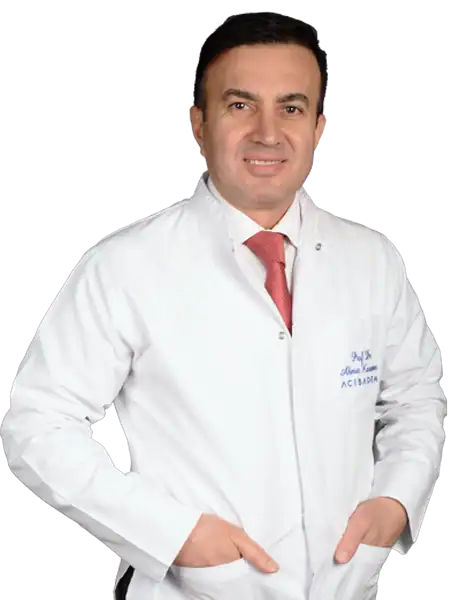
Prof. Dr. Ahmet Karaman
Gastroenterology
Prof. Dr. Arzu Tiftikçi
Gastroenterology
Prof. Dr. Atakan Yeşil
Gastroenterology
Prof. Dr. Bahattin Çiçek
Gastroenterology
Prof. Dr. Bülent Değertekin
Gastroenterology
Prof. Dr. Can Gönen
Gastroenterology
Prof. Dr. Cem Aygün
Gastroenterology
Prof. Dr. Ebubekir Şenateş
Gastroenterology
Prof. Dr. Erkin Öztaş
Gastroenterology
Prof. Dr. Ethem Tankurt
Gastroenterology
Prof. Dr. Fatih Oğuz Önder
Gastroenterology
Prof. Dr. Ferdane Pirinççi Sapmaz
Gastroenterology
Prof. Dr. Filiz Akyüz (m)
Gastroenterology
Prof. Dr. Güngör Boztaş
Gastroenterology
Prof. Dr. Hakan Yildiz
Gastroenterology
Prof. Dr. Hakan Ümit Ünal
Gastroenterology
Prof. Dr. Hülya Hamzaoğlu
Gastroenterology
Prof. Dr. Murat Saruç
Gastroenterology
Prof. Dr. Nadir Kaya
Gastroenterology
Prof. Dr. Nesliar Eser Kutsal
Gastroenterology
Prof. Dr. Nurdan Tözü̇n
Gastroenterology
Prof. Dr. Oya Yönal
Gastroenterology
Prof. Dr. Sabahattin Kaymakoğlu
Gastroenterology
Prof. Dr. Yaşar Çolak
GastroenterologyMedical Units
Available at These Hospitals












Frequently Asked Questions
What affects the cost of celiac disease diagnosis and care?
The main factors are specialist consultation, blood tests, need for endoscopy and biopsy, pathology review, deficiency screening, dietitian support, and follow-up appointments. Travel, accommodation, interpreter support, and medical report translation can also affect the total for international patients.
How can I get a personalised quote from Acibadem?
You can request a free consultation and share your symptoms, previous test results, medication list, current diet, and any endoscopy or biopsy reports. The international patient team can then guide you on the recommended pathway and provide a personalised quote.
Should I stop eating gluten before travelling for testing?
Do not change your diet without medical advice. Celiac blood tests and biopsy findings may be affected if gluten has already been removed, so a gastroenterology specialist should advise you before testing.
Is endoscopy always required for celiac disease?
Not always. The need for endoscopy depends on age, symptoms, blood test results, medical history, and local clinical guidance. A specialist will decide whether biopsy confirmation is appropriate for your situation.
Can celiac disease be treated with medication instead of diet?
The main management is a strict lifelong gluten-free diet, supported by dietitian education and monitoring. Deficiency correction and treatment of related conditions may also be needed, but medication does not replace gluten avoidance.
What should an international patient prepare before consultation?
Bring or upload previous blood tests, endoscopy and biopsy reports, current medications, supplement list, allergy history, family history, and a summary of symptoms. If available, include details about your current gluten intake and any prior gluten-free diet trial.