

Crohn Disease
Crohn disease is a chronic inflammatory bowel disease that can affect any part of the digestive tract. Treatment focuses on controlling inflammation, relieving symptoms, preventing complications, and maintaining remission.

Quick answer
Crohn disease is a chronic inflammatory bowel disease that can affect any part of the digestive tract and is managed by controlling inflammation, easing symptoms, and helping maintain remission. At Acibadem in Turkey, treatment is planned according to disease location and severity and may include medication, nutritional support, endoscopic evaluation, and surgery when complications or severe disease require it.
Living With Crohn Disease: Why the Right Treatment Plan Matters
Crohn disease can affect far more than digestion. For many people, it brings unpredictable abdominal pain, diarrhea, fatigue, weight changes, anemia, urgent bathroom needs, and the constant concern that symptoms may interrupt work, travel, meals, sleep, or family life. Patients who are considering care abroad often carry an additional layer of worry: whether the diagnosis is complete, whether the treatment plan is appropriate, how medications will be monitored, and what happens if complications require urgent attention.
Crohn disease is a chronic inflammatory bowel disease. It can involve any part of the digestive tract, from the mouth to the anus, although it most often affects the end of the small intestine and the colon. The inflammation may occur in patches and can extend through the full thickness of the bowel wall. This is one reason Crohn disease may lead to complications such as strictures, fistulas, abscesses, malnutrition, or bowel obstruction if inflammation is not well controlled.
The goal of treatment is not only to quiet symptoms. Modern Crohn disease care aims to reduce intestinal inflammation, support mucosal healing when possible, prevent disease progression, lower the risk of complications, and maintain remission over time. A strong plan also considers the patient’s lifestyle, nutritional status, previous medications, fertility plans, infection risks, travel needs, and personal preferences.
For international patients, choosing where to be treated is also a decision about coordination. Crohn disease often requires gastroenterologists, colorectal surgeons, radiologists, pathologists, dietitians, nurses, and sometimes dermatology, rheumatology, or liver specialists to work together. At Acibadem, patients are evaluated through evidence-based diagnostic pathways and individualized care planning, with support for international patients before arrival, during treatment, and after returning home.
What Crohn Disease Treatment Is
Crohn disease treatment is a structured medical approach designed to control inflammation in the digestive tract and maintain long-term remission. Because Crohn disease behaves differently from one person to another, treatment is not a single medication or procedure. It may include diagnostic reassessment, medications, nutritional therapy, monitoring tests, endoscopic procedures, and, when necessary, surgery.
In general, treatment has two phases: induction and maintenance. Induction therapy is used to bring active inflammation under control during a flare. Maintenance therapy is used to keep the disease quiet and reduce the risk of future flares. Some patients need short-term medicines during a flare, while others require long-term immune-targeted therapy. The choice depends on disease location, severity, complications, previous treatment response, and individual risk factors.
Medications used for Crohn disease may include corticosteroids for short-term control of moderate or severe flares, immune-modulating medicines, biologic therapies that target specific inflammatory pathways, and newer oral small-molecule treatments in selected cases. Antibiotics may be used for certain infections, abscess-related situations, or perianal disease. Symptom-relieving medicines may be appropriate for some patients, but they are not a substitute for controlling inflammation.
Nutritional care is also part of treatment. Some patients need correction of iron, vitamin B12, vitamin D, folate, or protein deficiencies. Others benefit from tailored dietary guidance to reduce symptoms, improve intake, and support healing. In children and adolescents, nutrition is especially important because Crohn disease can affect growth and development.
Surgery is not considered a failure of treatment. It is sometimes the safest and most effective option for complications such as bowel obstruction, severe strictures, abscesses, fistulas, uncontrolled bleeding, or disease that does not respond adequately to medication. Surgery can remove severely affected segments, drain infection, or repair complications, but Crohn disease may recur, so medical follow-up remains important after an operation.
Who May Need Crohn Disease Treatment
Anyone with suspected or confirmed Crohn disease should be evaluated by a gastroenterology team. Some patients are newly diagnosed after months or years of symptoms. Others have known Crohn disease but are experiencing a flare, losing response to medication, developing side effects, or facing complications. A second opinion may be especially valuable when symptoms persist despite treatment, when surgery has been recommended, or when the diagnosis is uncertain.
Typical symptoms of Crohn disease include persistent diarrhea, cramping or abdominal pain, blood or mucus in the stool, unintentional weight loss, loss of appetite, fatigue, fever, nausea, and urgency to pass stool. Symptoms may come and go, and their intensity does not always match the degree of inflammation. Some patients have significant inflammation even when symptoms are mild, while others have prominent symptoms from scarring, irritable bowel overlap, bile acid diarrhea, infection, or medication effects.
Crohn disease may also cause symptoms outside the digestive tract. These can include joint pain, eye inflammation, mouth ulcers, skin lesions, kidney stones, liver or bile duct problems, and delayed growth in children. Perianal Crohn disease may cause pain, swelling, drainage, fissures, or fistulas near the anus. These signs require careful evaluation because they may need combined medical and surgical management.
Diagnosis usually begins with a detailed medical history, physical examination, blood tests, stool tests, and inflammation markers. Blood tests may show anemia, infection, nutritional deficiencies, or elevated inflammatory markers. Stool studies may help rule out infections and measure intestinal inflammation using markers such as fecal calprotectin. Endoscopy is central to diagnosis. Colonoscopy with ileoscopy allows the physician to view the colon and end of the small intestine and take biopsies for pathology. Upper endoscopy may be needed if symptoms suggest upper digestive involvement.
Imaging helps define the extent and behavior of the disease. Magnetic resonance enterography, computed tomography enterography, intestinal ultrasound in selected settings, pelvic MRI for perianal disease, and cross-sectional imaging for abscesses or obstruction may be used. Capsule endoscopy can be helpful for small bowel evaluation in carefully selected patients, but it may be avoided or preceded by safety testing if a narrowing is suspected.
Patients may need treatment when tests show active inflammation, when symptoms interfere with daily life, when complications are present, or when there is a high risk of progression. Treatment is also needed after surgery to reduce the likelihood of recurrence in patients with risk factors. The best plan is based on both current symptoms and objective evidence of disease activity.
Conditions and Indications Addressed by Crohn Disease Care
Crohn disease care addresses a broad spectrum of inflammatory and structural problems in the digestive tract. Some patients have mild inflammatory disease limited to a short bowel segment. Others have extensive small bowel or colonic disease, penetrating disease with fistulas, stricturing disease with narrowing, or perianal complications. Each pattern requires a different strategy.
Treatment may be recommended for active inflammatory Crohn disease affecting the ileum, colon, upper gastrointestinal tract, or multiple segments. It is also used for recurrent flares, steroid-dependent disease, steroid-refractory disease, or disease that returns after surgery. Patients who have had repeated courses of steroids without a durable plan often benefit from reassessment, because long-term steroid exposure can cause significant side effects and does not maintain remission safely.
Care may also focus on strictures, which are narrowed areas of bowel caused by inflammation, scarring, or both. If a stricture is mainly inflammatory, medication may improve it. If it is mostly scar tissue, endoscopic dilation or surgery may be considered. Fistulas, which are abnormal tunnels between the bowel and another organ or the skin, require careful imaging and often combined medical and surgical care. Abscesses need prompt attention, sometimes including drainage and antibiotics before immune-targeted treatment can be intensified.
Other indications include malnutrition, anemia, growth delay in younger patients, recurrent bowel obstruction, chronic abdominal pain with uncertain cause, perianal drainage, unexplained fever in a Crohn disease patient, and evaluation before pregnancy or major travel. Treatment planning may also be needed for patients who are changing biologic therapy, restarting therapy after a pause, or transferring care from another country.
How Crohn Disease Treatment Is Performed
Crohn disease treatment begins with confirmation of the diagnosis and a clear understanding of the disease pattern. At the first evaluation, the care team reviews previous colonoscopy reports, biopsy results, imaging studies, medications, surgeries, allergies, infections, vaccination history, and family history. For international patients, translated records and digital imaging can often be reviewed before the visit so that appointments and tests are planned efficiently.
The next step is measuring current disease activity. This may include blood tests for inflammation, anemia, liver and kidney function, nutritional status, and medication safety. Stool tests can help assess inflammation and exclude infections that may mimic a flare. Endoscopy allows direct visualization and biopsy. Advanced imaging of the small bowel, colon, pelvis, or abdomen may be used to detect strictures, fistulas, abscesses, or areas not reached by endoscopy. These technologies help physicians see whether symptoms are coming from active inflammation, structural narrowing, infection, postoperative recurrence, or another cause.
Once the disease is mapped, the physician discusses treatment options. For a mild flare in a limited area, therapy may be less intensive. For moderate to severe disease, high-risk features, deep ulcers, fistulas, or frequent flares, earlier use of immune-targeted therapy may be advised. Short courses of corticosteroids may be used to rapidly reduce inflammation, but they are usually a bridge rather than a long-term solution. Maintenance therapy may include immunomodulators, biologic medicines, or newer targeted therapies depending on the patient’s profile.
Before certain immune-targeted medicines, screening is important. Patients may be tested for tuberculosis, hepatitis B and C, HIV in selected cases, and other infection risks. Vaccination status is reviewed, and live vaccines may need special timing. The care team also considers pregnancy plans, cancer history, heart failure, neurologic conditions, clotting risks, liver disease, and previous serious infections. This preparation helps make treatment safer and more appropriate.
Medication treatment may be given orally, by injection under the skin, or by intravenous infusion. Infusion visits may take from less than an hour to several hours depending on the medication and monitoring needs. Some therapies begin with a loading phase, followed by scheduled maintenance doses. The response is assessed through symptoms, laboratory markers, stool inflammation tests, and sometimes repeat endoscopy or imaging. The aim is not simply to feel better for a few weeks, but to document that inflammation is controlled.
Nutritional management is integrated throughout care. Patients may be advised on adequate calories, protein intake, hydration, and correction of deficiencies. During narrowing or obstructive symptoms, a temporary low-residue diet may be recommended. During severe disease, enteral nutrition or specialized nutritional support may be considered. Diet is individualized because there is no single Crohn disease diet that works for every patient.
If surgery is required, the approach depends on the complication. Minimally invasive techniques may be used when appropriate, including laparoscopic approaches that use small incisions and camera-guided instruments. Surgery may involve removing a diseased segment, widening a narrowed area, draining an abscess, creating a temporary stoma, or treating perianal fistulas. Imaging, endoscopy, anesthesia evaluation, and nutritional optimization are part of preparation. In urgent situations, the priority is controlling infection, obstruction, perforation, or severe bleeding.
Recovery depends on the treatment. Many patients treated medically begin to notice symptom improvement over days to weeks, while deeper healing may take longer and requires follow-up testing. After endoscopic procedures, most patients return to normal activity quickly, although sedation requires same-day precautions. After bowel surgery, hospitalization may last several days, with gradual return to eating, walking, and daily routines. Full recovery may take several weeks, and postoperative medical therapy may be recommended to reduce recurrence risk.
Why Acting Early Matters
Crohn disease can be quiet at times, but untreated inflammation may continue beneath the surface. Delaying treatment can allow active inflammation to damage the bowel wall, increasing the risk of scarring, narrowing, fistulas, abscesses, malnutrition, anemia, and emergency surgery. Early, accurate assessment helps distinguish inflammation that may respond to medication from scar-related complications that may need procedural or surgical care.
Prompt treatment is especially important when symptoms include persistent fever, severe abdominal pain, vomiting, abdominal swelling, inability to pass stool or gas, significant rectal bleeding, dehydration, rapid weight loss, or painful perianal swelling. These may signal obstruction, infection, abscess, severe inflammation, or another urgent problem. Patients taking immune-suppressing medications should also seek timely evaluation for fever or signs of infection.
Early action does not always mean aggressive treatment for every patient. It means choosing the right level of care at the right time. For some, that may be careful monitoring and limited therapy. For others, it may mean starting advanced treatment before repeated steroid courses or complications occur. The goal is to protect bowel function, reduce hospitalizations, and preserve quality of life over many years.
Benefits of Crohn Disease Treatment
When Crohn disease treatment is matched to the patient’s disease pattern and monitored carefully, it can improve symptoms and reduce the risk of long-term complications.
| Benefit | What It Means for You |
|---|---|
| Better control of inflammation | Reducing intestinal inflammation can help relieve diarrhea, pain, fatigue, fever, and bleeding while supporting longer periods of remission. |
| Fewer flares and steroid courses | A maintenance plan may reduce reliance on repeated corticosteroids, which can cause important side effects when used often or for long periods. |
| Lower risk of complications | Effective treatment may help reduce the chance of strictures, fistulas, abscesses, malnutrition, and urgent hospital admissions. |
| Improved nutrition and energy | Correcting inflammation and deficiencies can support weight stability, strength, concentration, and daily functioning. |
| More informed long-term planning | Objective monitoring helps patients and physicians make decisions about medication changes, surgery, pregnancy planning, and travel. |
Recovery and Treatment Timeline
Recovery in Crohn disease is best understood as a staged process, because symptom relief, inflammation control, and long-term maintenance may occur on different timelines.
| Time Period | What Patients Can Expect |
|---|---|
| Day 1 | Evaluation may include review of records, examination, blood and stool tests, imaging planning, and discussion of immediate symptom control or urgent needs. |
| First Week | Some patients begin medication, nutritional support, infection treatment, or preparation for endoscopy or imaging. Severe flares may require closer monitoring or hospitalization. |
| First Month | Symptoms may begin to improve depending on the therapy used. The team monitors side effects, laboratory results, nutrition, and early response. |
| Three to Six Months | Further assessment may be performed to confirm whether inflammation is improving. Medication dosing or treatment strategy may be adjusted if response is incomplete. |
| Longer Term | Maintenance therapy, periodic testing, nutrition review, and cancer screening when indicated help support remission and identify recurrence or complications early. |
What Influences Outcomes in Crohn Disease
A good result in Crohn disease depends on several factors, some related to the disease and others related to treatment planning and follow-up. Disease location matters. Small bowel Crohn disease, extensive colonic involvement, upper gastrointestinal disease, and perianal disease may behave differently and require different monitoring. Disease behavior is also important. Inflammatory disease may respond well to medication, while stricturing or penetrating disease may require endoscopic or surgical intervention in addition to medication.
The severity and duration of inflammation influence outcomes. Patients with deep ulcers, recurrent flares, weight loss, anemia, or repeated steroid use may need a more proactive strategy. Smoking is a major modifiable risk factor and is associated with worse Crohn disease activity and recurrence after surgery. Stopping smoking is one of the most important steps a patient can take to improve long-term disease control.
Previous treatment history also matters. Some patients have never used advanced therapies. Others have lost response, developed antibodies to a biologic medication, had side effects, or stopped treatment because of infection, pregnancy concerns, access issues, or travel. In these situations, careful medication selection and monitoring can help avoid repeating ineffective strategies.
Adherence is essential. Crohn disease may become active again when maintenance medicines are stopped without medical guidance, even if the patient feels well. Regular follow-up allows the physician to identify silent inflammation, adjust therapy, monitor drug safety, and screen for complications. Patients with long-standing colonic Crohn disease may need colon cancer surveillance colonoscopy according to guideline-based intervals.
Nutrition, mental health, sleep, stress, physical activity, and social support can also affect recovery and quality of life. These factors do not replace medical treatment, but they shape how patients function day to day. Many patients benefit from practical guidance on eating during flares, traveling with injectable or infusion medications, managing fatigue, and recognizing warning signs.
For patients who need surgery, outcomes are influenced by the timing of the operation, nutritional status, presence of infection, surgical technique, and postoperative medical strategy. Surgery performed after prolonged malnutrition, uncontrolled abscess, or emergency obstruction may carry greater risk than planned surgery after optimization. This is why early multidisciplinary review can be valuable, even for patients hoping to avoid surgery.
Why International Patients Choose Acibadem for Crohn Disease Care
International patients seeking Crohn disease treatment often want more than a medication recommendation. They want a careful diagnosis, coordinated decision-making, access to advanced testing, and a team that understands the practical realities of traveling for care. At Acibadem, Crohn disease care is organized around these needs, with gastroenterology as the central specialty and close collaboration when other experts are required.
Acibadem hospitals are JCI-accredited, reflecting structured standards for patient safety, clinical processes, infection prevention, and quality systems. For a patient traveling from the United States, Europe, the Middle East, or another region, this can be especially important because Crohn disease treatment may involve endoscopy, imaging, infusions, surgery, and long-term medication monitoring. Clear protocols and documentation help patients continue care after returning home.
Multidisciplinary care is particularly relevant in Crohn disease. Complex cases may be reviewed with gastroenterologists, colorectal surgeons, radiologists, pathologists, dietitians, and other specialists depending on the patient’s condition. For example, a patient with perianal fistulas may need pelvic MRI interpretation, colorectal surgical evaluation, biologic therapy planning, and wound care guidance. A patient with recurrent obstruction may need careful distinction between active inflammation and fixed scarring before deciding between medical therapy, endoscopic dilation, or surgery.
Modern diagnostic pathways support accurate treatment decisions. High-quality endoscopy with biopsy helps confirm the diagnosis and assess mucosal disease. Cross-sectional imaging helps evaluate small bowel segments, strictures, fistulas, abscesses, and postoperative recurrence. Laboratory and stool markers allow the team to monitor inflammation and medication safety over time. These tools help avoid treating symptoms blindly and allow the treatment plan to be adjusted when objective evidence shows ongoing activity.
Advanced therapies require thoughtful preparation and monitoring. Before starting immune-targeted treatment, physicians evaluate infection risks, vaccination needs, previous medication exposure, other medical conditions, and patient preferences. During treatment, response is followed clinically and with appropriate testing. If the response is incomplete, options may include dose adjustment, therapeutic monitoring where appropriate, switching medication class, investigating complications, or considering procedural treatment.
For patients who require surgery, access to experienced colorectal surgery teams and perioperative support is important. The aim is to treat the complication while preserving as much healthy bowel as possible. When suitable, minimally invasive approaches may reduce incision size and support recovery, although the safest method depends on the extent of disease, previous operations, infection, and urgency. Surgical planning is closely linked to postoperative medical care because Crohn disease can recur after bowel resection.
Acibadem International supports patients in more than 20 languages, helping with appointment scheduling, medical record transfer, hospital admission processes, interpretation, travel-related coordination, and communication with clinical teams. This support is not a replacement for medical expertise; it is the structure that allows patients and families to navigate care in another country more confidently and efficiently. For Crohn disease patients, who may need several appointments, tests, or follow-up discussions, coordinated communication can make a meaningful difference.
Personalized treatment planning is central. A young adult with newly diagnosed ileal Crohn disease has different priorities than a patient with long-standing perianal disease, a patient planning pregnancy, a patient who has failed multiple biologics, or a patient with postoperative recurrence. The care plan may include induction therapy, maintenance therapy, nutritional correction, surgery, monitoring intervals, vaccination planning, and recommendations for follow-up with the patient’s local physician after returning home.
Many international patients also seek a second opinion at Acibadem. A second opinion may confirm the current plan, clarify whether surgery is necessary, identify missing diagnostic information, or suggest alternative medication strategies. In Crohn disease, this can be particularly valuable because symptoms may come from several causes, and treatment decisions often have long-term implications.
Taking the Next Step
Crohn disease is a lifelong condition, but it can often be managed with a clear diagnosis, appropriate treatment, careful monitoring, and timely attention to complications. If you are living with ongoing symptoms, repeated flares, medication uncertainty, or a recommendation for surgery, a specialist evaluation can help you understand your options and choose a plan that fits your medical needs and personal circumstances.
At Acibadem, international patients can request a consultation or second opinion by sharing medical records, previous endoscopy and pathology reports, imaging studies, medication history, and recent laboratory results. The clinical team can then help determine what further evaluation may be needed and which treatment approaches may be appropriate.
Seeking care for Crohn disease can feel overwhelming, especially when treatment involves long-term decisions. With the right team, the process becomes more structured: define the disease, control inflammation, address complications, protect nutrition, and plan for durable remission. If you are considering care abroad, Acibadem can help you explore the next step with coordinated medical and international patient support.
This information is general and is not a substitute for professional medical advice. Diagnosis and treatment decisions should always be made with a qualified physician who can evaluate your individual condition.
Preparation
- Evaluation usually includes medical history, physical examination, blood and stool tests, and imaging or endoscopic assessment when needed. Patients should share all current medications, previous surgeries, allergies, and flare-up history. Your doctor may recommend dietary review and vaccination checks before starting immune-modulating treatments.
Aftercare
- Aftercare includes regular follow-up to monitor symptoms, inflammation markers, nutrition, and treatment side effects. Patients may need medication adjustments, dietitian support, and periodic colonoscopy or imaging. Seek urgent care for severe abdominal pain, persistent fever, heavy bleeding, dehydration, or signs of bowel obstruction.
Turkey vs UK, Germany & USA
Crohn disease care costs vary because treatment may involve diagnostic tests, long-term medication, monitoring, and sometimes endoscopic or surgical procedures. Comparing destinations can help international patients understand how hospital systems, access, and care coordination may affect the overall experience.
The comparison below highlights non-price factors that commonly influence the total cost and patient journey for Crohn disease care.
| Factor | Turkey | UK | Germany | USA |
|---|---|---|---|---|
| Care model | Private hospital pathways with coordinated gastroenterology, imaging, endoscopy, nutrition, and surgery when needed | Public and private pathways; private care may offer faster access | Strong specialist hospital network with structured diagnostics and follow-up | Highly specialised care available, often with complex billing pathways |
| Hospital and quality factors | International hospitals may hold JCI accreditation and provide dedicated international patient services | Quality standards vary by provider; specialist inflammatory bowel disease units are available | High regulatory standards and specialist centres are available | Major academic and private centres offer advanced inflammatory bowel disease care |
| Waiting times | Appointments, endoscopy, imaging, and surgery can often be coordinated within a shorter private-care pathway | Waiting times depend on public or private access and clinical urgency | Access is usually organised through specialist referral pathways | Access may be rapid in private systems, depending on insurance and provider availability |
| Medication cost drivers | Costs depend on whether treatment uses standard medicines, biologics, targeted therapies, or hospital-administered infusions | Medication access and cost depend on pathway, funding rules, and private cover | Medication access is structured through specialist assessment and reimbursement rules | Medication costs can be a major driver, especially for biologic and targeted therapies |
| Diagnostics and monitoring | Packages may combine consultation, blood tests, stool tests, endoscopy, biopsy, imaging, and treatment planning | Testing is based on referral pathway and clinical need | Comprehensive testing is available through specialist centres | Extensive testing is available, with costs varying by provider and insurance status |
| Travel and language logistics | International patient teams may help with translation, appointments, airport transfers, and accommodation guidance | English-speaking care environment; travel support varies by provider | Interpreter support may be needed for international patients | English-speaking care environment; travel and accommodation are usually arranged separately |
| Typical package contents | May include specialist consultation, diagnostic planning, procedure coordination, hospital stay if needed, interpreter support, and follow-up guidance | Package contents vary widely between public and private providers | Packages may be structured around diagnostics, treatment, and inpatient care if needed | Package contents are often separated by facility, physician, imaging, medication, and hospital fees |
What affects your final cost
- Severity and location of Crohn disease in the digestive tract
- Need for colonoscopy, biopsy, capsule evaluation, ultrasound, computed imaging, or magnetic resonance imaging
- Whether treatment involves tablets, injections, infusions, targeted therapy, or combination therapy
- Need for hospital admission, endoscopic treatment, abscess drainage, or surgery
- Length of stay, intensive monitoring needs, and post-treatment follow-up plan
- Surgeon, gastroenterologist, anaesthesia, pathology, laboratory, pharmacy, and hospital facility fees
- Travel, accommodation, translation, companion needs, and international patient coordination services
Compare your options
Crohn disease treatment is personalised according to disease activity, affected area, previous treatments, complications, and patient goals. Suitability for any option is decided by a gastroenterology specialist, often with input from colorectal surgery, radiology, nutrition, and pathology teams.
| Option | What it is | Typical use | Key considerations |
|---|---|---|---|
| Diagnostic assessment and monitoring | Specialist review supported by blood tests, stool markers, endoscopy, biopsy, and imaging | Used to confirm diagnosis, assess activity, detect complications, and guide treatment changes | Extent of testing depends on symptoms, previous results, and suspected complications |
| Dietary and supportive care | Nutrition guidance, correction of deficiencies, symptom support, smoking cessation support, and vaccination review | Used alongside medical therapy to support remission, recovery, and general health | Dietary plans should be supervised, especially when weight loss, strictures, or malnutrition are present |
| Corticosteroids for flare control | Anti-inflammatory medicines used for short-term control of active inflammation | Often used to induce improvement during a flare | Not intended as a long-term maintenance strategy because side effects increase with prolonged use |
| Immunomodulator medicines | Medicines that reduce immune-driven inflammation over time | May be used for maintenance therapy or alongside other treatments in selected patients | Require monitoring for side effects and may take time to show benefit |
| Biologic or targeted therapy | Advanced medicines that act on specific inflammatory pathways and may be given by injection or infusion | Used for moderate to severe disease, fistulising disease, or disease not controlled with standard therapy | Screening, monitoring, infusion planning, and long-term treatment strategy influence cost and logistics |
| Antibiotics and abscess management | Medicines and, when needed, image-guided drainage for infection-related complications | Used for abscesses, fistulas, or selected infection-related complications | May need coordination between gastroenterology, radiology, and surgery teams |
| Endoscopic treatment | Procedures such as balloon dilation for selected narrowed areas | Used in carefully selected strictures when surgery may be avoidable or delayed | Not suitable for all strictures; specialist assessment is essential |
| Surgery | Removal or repair of diseased bowel segments, treatment of fistulas, strictures, obstruction, or abscess complications | Used when complications occur or when disease does not respond adequately to medical treatment | Surgery can improve complications but does not cure Crohn disease; ongoing medical follow-up is usually needed |
Trusted care for international patients
General information only — not medical or financial advice. Final costs depend on the factors above and your individual case; request a free, personalised quote.
Doctors Performing This Treatment
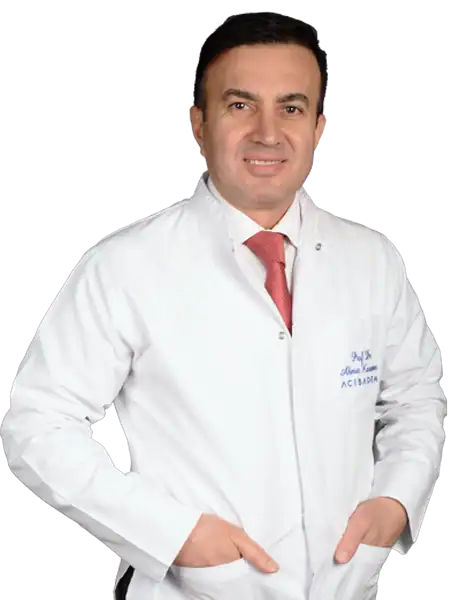
Prof. Dr. Ahmet Karaman
Gastroenterology
Prof. Dr. Arzu Tiftikçi
Gastroenterology
Prof. Dr. Atakan Yeşil
Gastroenterology
Prof. Dr. Bahattin Çiçek
Gastroenterology
Prof. Dr. Bülent Değertekin
Gastroenterology
Prof. Dr. Can Gönen
Gastroenterology
Prof. Dr. Cem Aygün
Gastroenterology
Prof. Dr. Ebubekir Şenateş
Gastroenterology
Prof. Dr. Erkin Öztaş
Gastroenterology
Prof. Dr. Ethem Tankurt
Gastroenterology
Prof. Dr. Fatih Oğuz Önder
Gastroenterology
Prof. Dr. Ferdane Pirinççi Sapmaz
Gastroenterology
Prof. Dr. Filiz Akyüz (m)
Gastroenterology
Prof. Dr. Güngör Boztaş
Gastroenterology
Prof. Dr. Hakan Yildiz
Gastroenterology
Prof. Dr. Hakan Ümit Ünal
Gastroenterology
Prof. Dr. Hülya Hamzaoğlu
Gastroenterology
Prof. Dr. Murat Saruç
Gastroenterology
Prof. Dr. Nadir Kaya
Gastroenterology
Prof. Dr. Nesliar Eser Kutsal
Gastroenterology
Prof. Dr. Nurdan Tözü̇n
Gastroenterology
Prof. Dr. Oya Yönal
Gastroenterology
Prof. Dr. Sabahattin Kaymakoğlu
Gastroenterology
Prof. Dr. Yaşar Çolak
GastroenterologyMedical Units
Available at These Hospitals












Frequently Asked Questions
What affects the cost of Crohn disease treatment?
The main factors are disease severity, the part of the digestive tract affected, the tests required, medication type, need for endoscopy or surgery, hospital stay, and follow-up plan. International travel, accommodation, interpreter support, and companion needs may also affect the total budget.
How can I get a personalised quote for Crohn disease care in Turkey?
You can request a free consultation and share your medical records, recent test results, endoscopy reports, biopsy results, imaging, medication history, and current symptoms. A specialist team can then advise which assessments are needed and prepare a personalised treatment plan and quote.
Are Crohn disease treatment packages the same for every patient?
No. Crohn disease is chronic and varies widely between patients, so packages are tailored. Some patients need diagnostic review and medication planning, while others may need advanced imaging, infusion therapy, endoscopic treatment, or colorectal surgery.
Does the choice of medication change the cost?
Yes. Standard medicines, immunomodulators, biologic therapies, targeted medicines, injections, and infusions have different monitoring and administration requirements. Your gastroenterologist will recommend treatment based on clinical suitability, safety, and disease pattern.
Can international patients continue follow-up after returning home?
In many cases, follow-up guidance can be coordinated with the patient’s local doctor. For chronic conditions such as Crohn disease, ongoing monitoring is important, so your care plan should include medication review, laboratory monitoring, and clear instructions for flare symptoms.