

Pancreatitis Treatment
Pancreatitis treatment focuses on relieving pancreatic inflammation, controlling pain, preventing complications, and addressing causes such as gallstones or alcohol use through coordinated gastroenterology care.
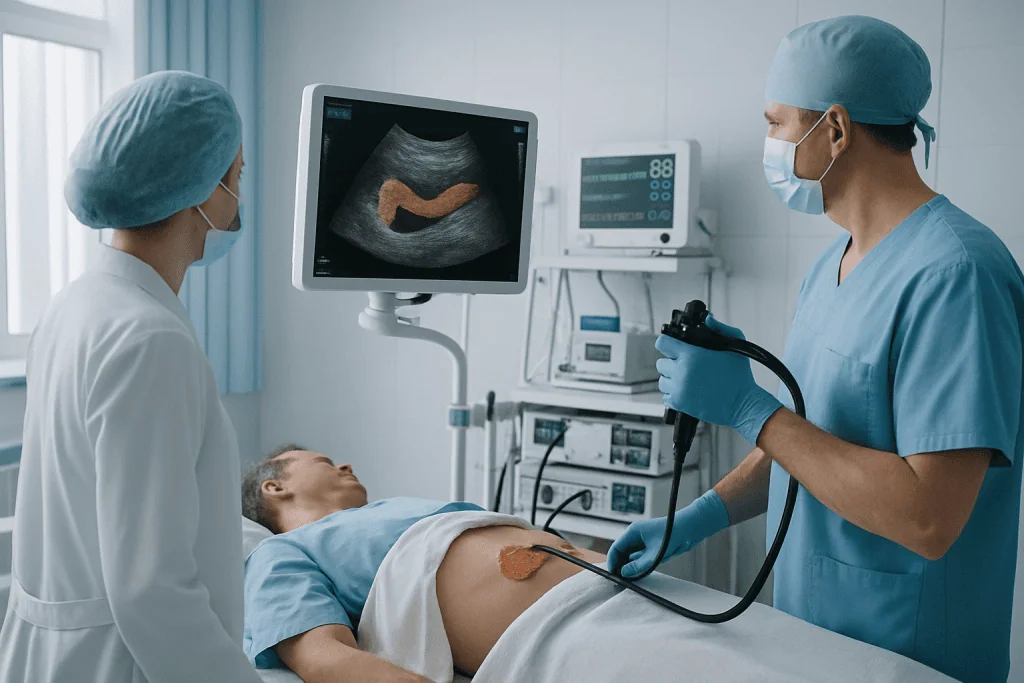
Quick answer
Pancreatitis treatment aims to reduce inflammation of the pancreas, control pain, support recovery, and treat the underlying cause, such as gallstones or alcohol-related damage. At Acibadem in Turkey, care is planned by gastroenterology specialists and may include hospital-based supportive treatment, imaging and laboratory evaluation, nutritional support, endoscopic procedures, or surgery when needed.
When Pancreatitis Becomes More Than Abdominal Pain
Pancreatitis can be frightening because it often begins suddenly, with severe upper abdominal pain, nausea, vomiting, fever, or an unexplained feeling that something is seriously wrong. For some patients, the diagnosis is made during an emergency visit after intense pain that radiates to the back. For others, pancreatitis becomes a recurring problem, disrupting eating, travel, work, and daily life. International patients may also face an added layer of uncertainty: whether they need urgent hospital care, whether surgery will be necessary, and how to coordinate treatment away from home.
The pancreas is a small but essential organ located behind the stomach. It helps digest food by producing enzymes and helps regulate blood sugar by producing hormones such as insulin. When the pancreas becomes inflamed, these digestive enzymes may become active too early, irritating and damaging pancreatic tissue. In mild cases, inflammation can settle with careful supportive care. In more severe cases, pancreatitis may affect nearby organs, cause fluid collections or infection, or lead to long-term digestive and metabolic problems.
Treatment matters because pancreatitis is not one condition with one standard approach. The cause, severity, timing, and presence of complications all influence care. A patient with gallstone-related acute pancreatitis may need urgent stabilization followed by gallbladder treatment. A patient with chronic pancreatitis may need a longer-term plan for pain control, nutrition, enzyme replacement, diabetes management, and endoscopic or surgical procedures if ducts are blocked. A patient with severe pancreatitis may require close monitoring in hospital, advanced imaging, drainage procedures, or intensive care support.
At Acibadem, pancreatitis care is coordinated through gastroenterology, general surgery, interventional radiology, intensive care, nutrition, pain management, and other specialties when needed. For international patients, this coordinated approach is particularly important. It helps ensure that the immediate inflammation is treated, the underlying cause is investigated, and the next steps are planned clearly before the patient returns home.
What Pancreatitis Treatment Is
Pancreatitis treatment is the medical and, when necessary, procedural management of inflammation of the pancreas. Its goals are to reduce pancreatic stress, relieve pain and nausea, correct dehydration and electrolyte problems, prevent or treat infection and organ complications, and address the cause of the inflammation so that recurrence is less likely.
There are two main clinical patterns. Acute pancreatitis develops suddenly and may range from mild inflammation to severe disease affecting multiple organs. It is commonly related to gallstones, alcohol use, high triglycerides, certain medications, procedures involving the bile and pancreatic ducts, trauma, infections, or less common genetic and autoimmune conditions. Chronic pancreatitis is long-lasting inflammation that can cause permanent structural changes in the pancreas, recurrent pain, poor digestion, weight loss, and diabetes.
In many patients, treatment begins with supportive hospital care. This may include intravenous fluids, pain control, anti-nausea medication, careful nutrition planning, blood tests, and imaging. Eating is usually restarted as soon as it is safe, because prolonged fasting is not always helpful and may slow recovery. When pancreatitis is caused by gallstones, the care plan may include procedures to clear bile duct stones and surgery to remove the gallbladder at the appropriate time. When there are fluid collections, infected necrosis, strictures, or duct problems, endoscopic, radiologic, or surgical treatments may be required.
Modern pancreatitis treatment is individualized. Not every patient needs antibiotics, endoscopy, surgery, or intensive care. In fact, many patients recover with well-managed supportive care. The critical point is accurate assessment: determining whether the disease is mild or severe, identifying the cause, and recognizing complications early. This is why patients with pancreatitis benefit from a multidisciplinary setting with experienced clinicians and access to advanced diagnostic pathways.
Who May Need Pancreatitis Treatment
Anyone with suspected or confirmed inflammation of the pancreas needs medical evaluation. Some patients need urgent hospital treatment, while others with chronic or recurrent pancreatitis need structured outpatient assessment. The most common symptom is pain in the upper abdomen, often severe and sometimes spreading to the back. It may worsen after eating, especially after fatty meals. Nausea, vomiting, abdominal swelling, fever, rapid pulse, yellowing of the skin or eyes, dark urine, pale stools, weight loss, oily stools, or new blood sugar problems can also occur.
Acute pancreatitis is often diagnosed when at least two of the following are present: typical abdominal pain, elevated pancreatic enzymes in the blood, and imaging findings consistent with pancreatic inflammation. Blood tests may include amylase and lipase, liver enzymes, bilirubin, blood count, kidney function, inflammatory markers, calcium, triglycerides, and glucose. Imaging may include abdominal ultrasound to look for gallstones, computed tomography to assess severity and complications, magnetic resonance imaging or MR cholangiopancreatography to evaluate pancreatic and bile ducts, and endoscopic ultrasound in selected cases.
Chronic pancreatitis may be more difficult to diagnose, especially early. Patients may have repeated episodes of pain with normal or mildly abnormal enzyme levels. Evaluation may include detailed imaging of the pancreatic duct, tests for pancreatic enzyme insufficiency, diabetes screening, nutritional assessment, and a review of risk factors such as alcohol use, smoking, family history, autoimmune disease, previous pancreatic injury, or anatomic duct variations.
Patients may need pancreatitis treatment in several situations: a first episode of severe abdominal pain; recurrent attacks that have not been fully explained; gallstones or bile duct obstruction associated with pancreatitis; suspected infected pancreatic necrosis; persistent vomiting or dehydration; unexplained weight loss; difficulty digesting food; or complications such as pseudocysts, fluid collections, strictures, bleeding, or diabetes. International patients may also seek care for a second opinion when they have been told that surgery or a complex drainage procedure may be needed.
Conditions and Indications Addressed by Pancreatitis Treatment
Pancreatitis treatment addresses both the inflammation itself and the condition that triggered it. The most frequent indication is acute pancreatitis, particularly when pain is severe, oral intake is not possible, blood tests are abnormal, or imaging suggests complications. In gallstone pancreatitis, treatment focuses on supportive care followed by management of gallstones and the bile duct. If a stone is blocking the bile duct or there is cholangitis, an endoscopic procedure may be required to relieve the obstruction.
Severe acute pancreatitis may require a higher level of monitoring. Patients can develop fluid loss into tissues, low blood pressure, kidney strain, breathing difficulty, or systemic inflammation. Some develop areas of pancreatic or peripancreatic necrosis, meaning tissue damage from reduced blood supply and inflammation. If this necrotic tissue becomes infected, drainage or minimally invasive intervention may be considered. Timing is important, because many interventions are safer and more effective after collections become more organized, unless urgent infection or deterioration requires earlier action.
Chronic pancreatitis requires a broader plan. Treatment may include pain management, pancreatic enzyme replacement, nutrition support, vitamin supplementation, diabetes management, treatment of duct stones or strictures, and procedures to improve pancreatic drainage. The goal is not only to reduce pain, but also to preserve nutrition, prevent avoidable hospitalizations, and improve quality of life.
Other indications include pancreatic pseudocysts or walled-off fluid collections that cause pain, infection, obstruction, bleeding, or difficulty eating; bile duct or pancreatic duct narrowing; autoimmune pancreatitis, which may respond to immunosuppressive therapy after careful diagnosis; high-triglyceride pancreatitis, which requires metabolic control; and medication-related pancreatitis, where the suspected drug must be reviewed and alternatives considered.
Because some pancreatic cancers, cystic tumors, and bile duct diseases can mimic pancreatitis, accurate diagnosis is essential. When imaging findings are unclear or symptoms persist, specialist review helps distinguish inflammation from other pancreatic disorders. This is particularly important for patients over middle age with new-onset pancreatitis without an obvious cause, unexplained weight loss, jaundice, or persistent abnormalities on imaging.
How Pancreatitis Treatment Is Performed
Pancreatitis treatment usually begins with a careful assessment of severity. The medical team reviews the patient’s symptoms, timing, medical history, medications, alcohol and tobacco exposure, previous gallbladder or pancreatic problems, and any prior imaging. Blood tests are used to evaluate inflammation, dehydration, kidney and liver function, blood sugar, triglycerides, calcium, and infection markers. Imaging helps determine whether gallstones, duct obstruction, necrosis, fluid collections, or other complications are present.
Preparation and Initial Stabilization
For acute pancreatitis, the first priority is stabilizing the patient. Intravenous fluids are commonly given to correct dehydration and support circulation, especially early in the illness. Pain control is important not only for comfort, but also because severe pain can limit breathing and movement. Anti-nausea medication may help patients tolerate fluids and nutrition. Oxygen, close vital sign monitoring, urine output checks, and repeated laboratory tests may be used for patients with moderate or severe disease.
Nutrition is managed carefully. In the past, patients were often kept without food for long periods. Current evidence supports early oral feeding in many mild cases once nausea and pain improve. If a patient cannot eat safely, tube feeding into the stomach or small intestine may be recommended, particularly in more severe pancreatitis. Intravenous nutrition is generally reserved for selected situations when the digestive tract cannot be used.
Treating the Cause
Once the patient is stable, the underlying cause must be addressed. If gallstones are responsible, the team evaluates whether stones are still blocking the bile duct. Endoscopic retrograde cholangiopancreatography may be performed when there is bile duct obstruction, jaundice, or infection of the bile ducts. This procedure allows a specialist to access the bile duct through the digestive tract, remove stones, and place a stent if needed.
If gallbladder stones caused the episode, gallbladder removal is often recommended after the acute inflammation settles, sometimes during the same hospitalization for mild cases. This reduces the risk of another gallstone-related attack. The timing depends on severity, imaging findings, and the patient’s overall condition. For alcohol-related pancreatitis, treatment includes medical support and a structured plan for alcohol cessation. For high triglycerides, lipid-lowering therapy, dietary management, and metabolic evaluation are important. If a medication is suspected, the prescribing physician reviews alternatives.
Endoscopic, Radiologic, and Surgical Options
Not every patient with pancreatitis needs a procedure. When intervention is necessary, the least invasive effective option is usually considered first. Endoscopic ultrasound can help evaluate the pancreas and bile duct in detail and guide drainage of selected fluid collections. Endoscopic procedures may be used to drain pseudocysts, place stents, remove duct stones, or treat strictures. Interventional radiology may place image-guided drains for infected or symptomatic collections. Surgery may be needed for gallbladder removal, complications that cannot be managed endoscopically or radiologically, or selected chronic pancreatitis cases with significant duct obstruction or persistent pain.
Technology supports safer and more precise decision-making. High-resolution cross-sectional imaging helps define inflammation, necrosis, vascular involvement, and fluid collections. Magnetic resonance imaging can provide detailed views of the pancreatic and bile ducts without radiation. Endoscopic ultrasound allows close visualization of the pancreas from inside the digestive tract and can guide sampling or drainage when appropriate. In intensive care settings, continuous monitoring and organ-support equipment help manage patients with severe systemic illness.
Typical Duration and Hospital Stay
The duration of treatment varies widely. Mild acute pancreatitis may improve over a few days with supportive care. More severe disease may require a longer hospitalization, step-down monitoring, or intensive care. Fluid collections and necrosis often evolve over weeks, so some procedures are intentionally delayed until intervention is safer. Chronic pancreatitis care is ongoing and may involve several visits to adjust pain management, enzymes, nutrition, and diabetes treatment.
International patients should expect a care plan that includes the acute treatment phase, a clear explanation of test results, recommendations for procedures if needed, and a discharge plan suitable for travel. This may include medications, diet instructions, enzyme therapy, blood sugar monitoring, warning signs, and coordination with physicians in the patient’s home country.
Recovery Process
Recovery depends on the type and severity of pancreatitis. Many patients regain appetite and energy gradually. Fatigue can persist after hospitalization, especially after severe inflammation. Diet is usually advanced step by step, often with lower-fat meals initially. Patients are advised to avoid alcohol completely after pancreatitis, particularly if alcohol contributed to the disease. Smoking cessation is also strongly recommended because smoking is associated with progression of chronic pancreatic disease and higher recurrence risk.
Follow-up may include repeat blood tests, imaging, nutritional assessment, diabetes screening, and evaluation for recurrent symptoms. Patients who had drainage procedures or stents may need scheduled reassessment. Those with chronic pancreatitis may need long-term pancreatic enzyme replacement, vitamin monitoring, pain strategies, and periodic imaging depending on their condition.
Why Acting Early Matters
Pancreatitis can change rapidly, particularly in the first days of an acute attack. Early medical evaluation helps determine whether the condition is mild or whether there are signs of organ stress, bile duct obstruction, infection, or necrosis. Waiting at home with severe abdominal pain, ongoing vomiting, fever, jaundice, faintness, or confusion can be dangerous. These symptoms may indicate dehydration, infection, blocked bile ducts, or systemic inflammation that requires hospital care.
Delay can also allow the underlying cause to remain untreated. A patient with gallstone pancreatitis who does not have the gallbladder or bile duct addressed may have another attack, which can be more severe. A patient with high triglycerides needs metabolic treatment to reduce recurrence risk. Chronic pancreatitis left unmanaged can lead to worsening pain, malnutrition, bone health problems, vitamin deficiencies, pancreatic enzyme insufficiency, and diabetes.
Early specialist assessment is also important when pancreatitis is recurrent or unexplained. Repeated inflammation can cause scarring and duct changes. In some patients, what appears to be pancreatitis may be related to a structural duct problem, autoimmune disease, cystic lesion, or tumor. Appropriate imaging and specialist review help clarify the diagnosis before complications progress.
Benefits of Pancreatitis Treatment
The benefits of treatment depend on the cause and severity of pancreatitis, but the main goals are to control inflammation, prevent complications, and reduce the likelihood of recurrence.
| Benefit | What It Means for You |
|---|---|
| Pain and symptom control | Appropriate medication, hydration, and nutrition support can reduce abdominal pain, nausea, vomiting, and distress while the pancreas recovers. |
| Prevention of complications | Close monitoring helps identify dehydration, organ stress, infection, fluid collections, or bile duct obstruction before they become more serious. |
| Treatment of the underlying cause | Managing gallstones, alcohol use, triglycerides, medications, autoimmune disease, or duct problems can lower the risk of repeated attacks. |
| Improved nutrition and digestion | Diet planning, enzyme replacement when needed, and vitamin monitoring can help reduce weight loss, oily stools, and nutrient deficiencies. |
| Clear long-term care plan | Patients leave with guidance on medications, diet, follow-up, travel timing, warning signs, and whether further procedures are needed. |
Recovery Timeline After Pancreatitis Treatment
Recovery is different for every patient, but the following timeline outlines what many patients can expect after treatment begins.
| Time Period | What Patients Can Expect |
|---|---|
| Day 1 | Evaluation focuses on diagnosis, pain control, hydration, blood tests, and imaging. Patients with severe symptoms are monitored closely in hospital. |
| First Week | Mild cases often improve with supportive care. Eating may restart gradually. If gallstones, obstruction, infection, or fluid collections are present, procedures may be discussed. |
| First Month | Energy and appetite usually return gradually. Follow-up may include repeat imaging, gallbladder surgery planning, nutrition review, enzyme therapy, or diabetes monitoring. |
| Longer Term | Patients with chronic pancreatitis or severe acute pancreatitis may need ongoing care for pain, digestion, blood sugar, duct problems, or pancreatic fluid collections. |
Factors That Influence Outcomes
The outcome of pancreatitis treatment depends on several factors, beginning with severity. Mild acute pancreatitis often resolves with supportive care, while severe pancreatitis with necrosis, infection, or organ dysfunction requires more complex management and longer recovery. Age, general health, kidney function, lung and heart conditions, immune status, and nutritional reserve can also affect recovery.
The cause of pancreatitis is another important factor. Gallstone pancreatitis can often be managed effectively when the gallbladder and bile duct are addressed at the right time. Alcohol-related pancreatitis has a better long-term outlook when alcohol use stops completely. High-triglyceride pancreatitis requires sustained metabolic control. Autoimmune pancreatitis may respond well to appropriate medical therapy, but it must be distinguished from cancer and other pancreatic disorders before treatment is started.
Timing and coordination also matter. Early recognition of severe disease, appropriate fluid management, careful nutrition, and avoidance of unnecessary early procedures can influence outcomes. When procedures are needed, the choice between endoscopic, radiologic, and surgical approaches should be based on anatomy, timing, infection status, and the patient’s condition. Multidisciplinary review can be valuable in complicated cases because pancreatitis often sits at the intersection of gastroenterology, surgery, radiology, intensive care, endocrinology, and nutrition.
Patient participation is equally important. Avoiding alcohol, stopping smoking, following diet recommendations, taking pancreatic enzymes correctly when prescribed, managing diabetes, and attending follow-up appointments all help reduce future risk. For international patients, a written discharge plan and coordination with home physicians support continuity after travel.
Why International Patients Choose Acibadem for Pancreatitis Care
International patients seeking pancreatitis treatment often need more than a single appointment. They may need rapid diagnosis, hospital-based care, advanced imaging, endoscopic expertise, surgical consultation, and a clear plan for returning home safely. Acibadem Hospitals provide this type of coordinated care within JCI-accredited hospital environments, with clinical pathways designed around international standards and evidence-based practice.
Pancreatitis cases are managed by experienced gastroenterologists and, when needed, hepatopancreatobiliary surgeons, interventional radiologists, intensive care specialists, endocrinologists, dietitians, and pain management physicians. Complex cases may be reviewed in multidisciplinary boards or specialist discussions, particularly when there are pancreatic fluid collections, necrosis, recurrent unexplained attacks, suspected malignancy, or decisions about endoscopic versus surgical treatment.
Diagnostic capability is central to pancreatitis care. Acibadem uses modern laboratory testing, high-resolution abdominal imaging, magnetic resonance evaluation of the bile and pancreatic ducts, endoscopic ultrasound, and endoscopic procedures when clinically appropriate. These tools help physicians understand not only that pancreatitis is present, but why it occurred and whether complications are developing. For the patient, this means fewer assumptions and a more precise care plan.
For patients traveling from the United States, Europe, the Middle East, and other regions, Acibadem International supports the practical side of care. Services may include appointment coordination, medical record review, interpreter assistance in more than 20 languages, hospital admission planning, communication with clinical departments, and support for family members during the treatment journey. This is especially meaningful for pancreatitis, where decisions may need to be made quickly and explanations must be clear.
Care plans are personalized. A patient with mild gallstone pancreatitis may need stabilization and timely gallbladder surgery. A patient with severe necrotizing pancreatitis may need staged management over time. A patient with chronic pancreatitis may need a long-term plan focused on pain, digestion, nutrition, and diabetes. The aim is to match the intensity of treatment to the patient’s actual condition, avoiding both undertreatment and unnecessary intervention.
Acibadem’s approach is also shaped by continuity. Before discharge, patients receive guidance about diet, medications, warning signs, follow-up imaging, travel considerations, and when to seek urgent care. If further treatment is recommended after returning home, the medical team can help organize documentation so the patient’s local physicians understand what was done and what remains to be monitored.
Taking the Next Step
If you or a family member has been diagnosed with pancreatitis, or if you have recurrent upper abdominal pain and have not received a clear explanation, a specialist evaluation can help define the cause and the safest treatment plan. Pancreatitis ranges from a short-term inflammatory episode to a complex disease requiring coordinated care. The earlier the condition is understood, the more effectively complications and recurrence can be addressed.
International patients may request a consultation or second opinion by sharing medical records, blood test results, imaging reports, and details of previous hospitalizations or procedures. Acibadem’s clinical teams can review the information, recommend the appropriate specialty pathway, and explain whether hospital admission, endoscopy, surgery, or outpatient follow-up is likely to be needed.
This information is general and is not a substitute for professional medical advice. Diagnosis and treatment decisions should be made with a qualified physician who can evaluate your individual condition.
Preparation
- Doctors usually perform blood tests, abdominal imaging, and a detailed review of medications, alcohol use, and gallstone history. Patients may be asked to stop eating temporarily, receive IV fluids, and adjust regular medicines under medical supervision.
Aftercare
- After discharge, patients typically follow a low-fat diet, avoid alcohol, and take prescribed medicines as directed. Follow-up visits monitor pancreatic recovery, nutrition, and underlying causes such as gallstones, which may require further treatment.
Turkey vs UK, Germany & USA
Pancreatitis treatment costs vary widely because care may range from observation and pain control to advanced endoscopy, surgery, or intensive inpatient management. Comparing destinations can help international patients understand how hospital pathways, specialist input, and travel logistics influence the overall experience.
The comparison below focuses on practical factors that can influence the cost and experience of pancreatitis care for international patients.
| Factor | Turkey | UK | Germany | USA |
|---|---|---|---|---|
| Care pathway | Private hospital access with coordinated gastroenterology, surgery, imaging, and intensive care if needed. | Public care is referral and triage based; private care may offer faster scheduling for planned evaluation. | Structured specialist pathways with strong hospital-based diagnostics and multidisciplinary input. | Broad access to advanced services in private systems, with billing often separated by provider and facility. |
| Main price drivers | Severity, imaging, endoscopy, surgery, length of stay, intensive care, and complication management. | Private costs depend on consultant fees, hospital stay, imaging, and procedure requirements. | Costs reflect hospital category, diagnostics, interventional procedures, and inpatient duration. | Costs may vary significantly by hospital, physician billing, emergency care, anesthesia, imaging, and inpatient level. |
| Hospital and specialist factors | International departments often coordinate gastroenterologists, pancreatic surgeons, dietitians, and interpreters. | Choice between public referral pathways and private consultants affects timing and coordination. | Specialist centers may offer coordinated gastroenterology, surgery, radiology, and intensive care support. | Specialist availability is broad, but provider networks, authorizations, and separate billing can affect planning. |
| Accreditation and quality | Patients may choose internationally accredited hospitals, including JCI-accredited facilities. | Quality is regulated through national systems and private hospital standards. | Hospitals operate under national quality and certification frameworks. | Hospitals may hold national and international accreditations; coverage and network status can matter. |
| Waiting times | Planned private appointments and diagnostics can often be arranged efficiently, subject to clinical urgency. | Public waiting times depend on triage; private care may reduce delays for non-emergency assessment. | Specialist access is generally organized through referral and hospital scheduling. | Access may be fast in private settings, but insurance authorization and network rules can affect timing. |
| Travel and language logistics | International patient teams may support scheduling, translation, airport transfer, and accommodation guidance. | English language access is straightforward; travel logistics depend on hospital location and pathway. | Interpreter support may be needed for international patients, depending on the hospital. | English language access is straightforward; long-distance travel and accommodation can add complexity. |
| Typical package elements | May include specialist consultation, diagnostic planning, hospital coordination, interpreter support, and transfer assistance. | Private packages may be limited to consultations or procedures, with diagnostics and admissions billed separately. | Packages may include consultation and planned diagnostics, while hospital admission and procedures may be itemized. | Packages are less common; separate bills from hospital, physician, anesthesia, laboratory, and imaging providers may occur. |
What affects your final cost
- Whether pancreatitis is acute, recurrent, or chronic.
- The cause, such as gallstones, alcohol-related disease, medication effects, metabolic conditions, or pancreatic duct problems.
- Need for blood tests, ultrasound, CT, MRI, MRCP, endoscopic ultrasound, or ERCP.
- Need for hospitalization, intensive care, nutritional support, antibiotics, or pain management.
- Whether procedures such as gallbladder surgery, bile duct stone removal, cyst drainage, or pancreatic surgery are required.
- Length of stay, recovery needs, complications, and follow-up care.
- Travel, interpreter services, accommodation, and companion support.
Compare your options
Pancreatitis treatment is tailored to the cause, severity, and presence of complications. Suitability for any option is decided by a gastroenterologist, surgeon, or relevant specialist after assessment.
| Option | What it is | Typical use | Key considerations |
|---|---|---|---|
| Supportive inpatient care | Hospital-based monitoring with fluids, pain control, nausea treatment, nutrition planning, and laboratory follow-up. | Common for acute pancreatitis or flare-ups requiring observation and symptom control. | Cost depends on severity, ward or intensive care needs, imaging, and length of stay. |
| Cause-directed management | Treatment aimed at the underlying trigger, such as gallstones, alcohol-related disease, high triglycerides, medication review, or metabolic disorders. | Used to reduce recurrence risk and guide long-term care. | May involve several specialties, lifestyle support, medication changes, or planned procedures. |
| ERCP and endoscopic treatment | An endoscopic procedure used to treat selected bile duct or pancreatic duct problems, such as stones or obstruction. | Often considered when gallstone-related obstruction, cholangitis, or duct blockage is suspected. | Requires specialist expertise, anesthesia or sedation planning, and careful risk assessment. |
| Gallbladder surgery | Surgical removal of the gallbladder, often performed laparoscopically when gallstones are the cause. | Used to help prevent recurrent gallstone pancreatitis when clinically appropriate. | Timing depends on the patient’s stability, inflammation level, and surgical risk. |
| Drainage of fluid collections | Endoscopic, radiologic, or surgical drainage of selected pancreatic fluid collections or pseudocysts. | Considered when collections cause infection, pain, obstruction, or other complications. | Approach depends on anatomy, infection status, timing, and available expertise. |
| Management of chronic pancreatitis | Long-term care including pain management, pancreatic enzyme therapy, diabetes care, nutrition, endoscopic treatment, or surgery in selected cases. | Used for persistent inflammation, recurrent attacks, digestive problems, or chronic pain. | Often requires ongoing follow-up with gastroenterology, nutrition, pain, and surgical teams. |
Trusted care for international patients
General information only — not medical or financial advice. Final costs depend on the factors above and your individual case; request a free, personalised quote.
Doctors Performing This Treatment
Prof. Dr. Ahmet Karaman
Gastroenterology
Prof. Dr. Arzu Tiftikçi
Gastroenterology
Prof. Dr. Atakan Yeşil
Gastroenterology
Prof. Dr. Bahattin Çiçek
Gastroenterology
Prof. Dr. Bülent Değertekin
Gastroenterology
Prof. Dr. Can Gönen
Gastroenterology
Prof. Dr. Cem Aygün
Gastroenterology
Prof. Dr. Ebubekir Şenateş
Gastroenterology
Prof. Dr. Erkin Öztaş
Gastroenterology
Prof. Dr. Ethem Tankurt
Gastroenterology
Prof. Dr. Fatih Oğuz Önder
Gastroenterology
Prof. Dr. Ferdane Pirinççi Sapmaz
Gastroenterology
Prof. Dr. Filiz Akyüz (m)
Gastroenterology
Prof. Dr. Güngör Boztaş
Gastroenterology
Prof. Dr. Hakan Yildiz
Gastroenterology
Prof. Dr. Hakan Ümit Ünal
Gastroenterology
Prof. Dr. Hülya Hamzaoğlu
Gastroenterology
Prof. Dr. Murat Saruç
Gastroenterology
Prof. Dr. Nadir Kaya
Gastroenterology
Prof. Dr. Nesliar Eser Kutsal
Gastroenterology
Prof. Dr. Nurdan Tözü̇n
Gastroenterology
Prof. Dr. Oya Yönal
Gastroenterology
Prof. Dr. Sabahattin Kaymakoğlu
Gastroenterology
Prof. Dr. Yaşar Çolak
GastroenterologyMedical Units
Available at These Hospitals












Diseases This Treats
Frequently Asked Questions
What affects the cost of pancreatitis treatment most?
The main factors are severity, cause, need for hospital admission, imaging, endoscopy, surgery, intensive care, nutritional support, and management of complications. A personalised quote can only be prepared after medical records and current symptoms are reviewed.
How can I get a quote for pancreatitis treatment in Turkey?
You can request a free consultation by sharing available medical reports, blood test results, imaging, discharge summaries, medication lists, and a description of symptoms. The international patient team can then coordinate specialist review and provide a personalised estimate.
Is pancreatitis treatment usually offered as a fixed package?
Some planned consultations, diagnostics, and selected procedures may be organized as package-style services. However, acute pancreatitis can change quickly, so additional hospital stay, intensive care, procedures, or complication treatment may be billed separately.
Will I need surgery for pancreatitis?
Not every patient needs surgery. Many cases are managed with supportive care and treatment of the underlying cause, while surgery or endoscopic procedures may be considered for gallstones, duct obstruction, infected collections, or selected chronic pancreatitis cases.
Can international patients receive interpreter and travel support?
Many hospitals in Turkey that serve international patients can help with interpreter support, appointment coordination, transfer arrangements, and accommodation guidance. These services and their inclusion should be confirmed when requesting your quote.
Is this information medical or financial advice?
No. This is general educational information. Treatment choice and cost depend on specialist assessment, hospital policy, and the patient’s medical condition, so a free consultation is recommended for personalised guidance.