Gastroesophageal Reflux Disease
Gastroesophageal Reflux Disease is chronic acid reflux causing heartburn, regurgitation and throat symptoms. Learn causes, diagnosis and treatment.

Quick answer
Gastroesophageal reflux disease is a chronic condition in which stomach contents repeatedly flow back into the esophagus, causing symptoms such as heartburn, regurgitation, and sometimes inflammation or damage to the esophageal lining. At Acibadem in Turkey, GERD is evaluated with gastroenterology tests and managed with lifestyle measures, medication, and, when needed, minimally invasive endoscopic or surgical treatment.
Gastroesophageal Reflux Disease, often called GERD, is a chronic condition in which stomach contents flow back into the esophagus and cause troublesome symptoms or irritation. It commonly leads to heartburn and regurgitation, and it can usually be managed with lifestyle changes, medication and, in selected cases, specialist procedures.
Overview
Gastroesophageal Reflux Disease is a chronic digestive condition in which stomach acid, digestive fluids or food repeatedly flow backward from the stomach into the esophagus. The esophagus is the tube that carries food from the mouth to the stomach. When reflux happens often or causes troublesome symptoms, it is considered GERD rather than occasional acid reflux.
A small muscular valve called the lower esophageal sphincter normally helps keep stomach contents in the stomach. In GERD, this valve may relax at the wrong time, become weakened or be affected by pressure from the stomach. Reflux can irritate the esophageal lining and may also affect the throat, voice box or airways in some people.
GERD is common and treatable. Many people improve with changes in eating habits, weight management where appropriate and acid-reducing medicines. Some people need additional tests or specialist treatment, especially if symptoms are frequent, severe, long lasting or associated with warning signs.
Symptoms
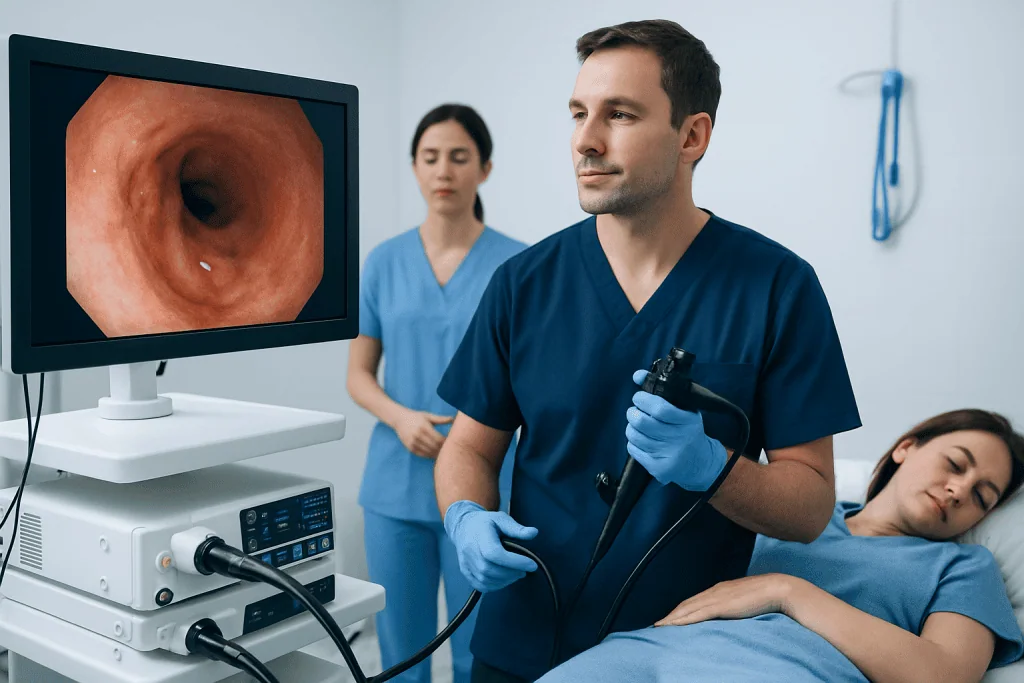
The most typical symptoms of Gastroesophageal Reflux Disease are heartburn and regurgitation. Heartburn is a burning feeling behind the breastbone that often occurs after eating, when bending over or when lying down. Regurgitation is the sensation of sour, bitter or acidic fluid rising into the throat or mouth.
GERD can also cause symptoms that are less obviously digestive. Some people develop a chronic cough, hoarseness, throat clearing, a feeling of a lump in the throat, dental enamel irritation or worsening symptoms at night. Symptoms may disturb sleep, reduce appetite or affect daily comfort, even when the esophagus looks normal on testing.
Common GERD symptoms may include:
- Burning chest discomfort, especially after meals
- Sour or bitter taste in the mouth
- Food or fluid coming back up into the throat
- Belching, bloating or nausea
- Difficulty or pain with swallowing
- Hoarseness, cough or throat irritation
- Symptoms that worsen when lying flat
Chest discomfort can have many causes, including heart disease. New, severe or unexplained chest pain should not be assumed to be reflux. A doctor should assess symptoms promptly, especially if pain spreads to the arm, jaw or back, or is accompanied by shortness of breath, sweating or dizziness.
Causes & Risk Factors
Gastroesophageal Reflux Disease develops when the normal anti-reflux barrier between the stomach and esophagus does not work effectively. This may occur because the lower esophageal sphincter relaxes too frequently, the stomach empties more slowly than usual, pressure inside the abdomen is increased, or a hiatal hernia allows part of the stomach to move upward through the diaphragm.
Several factors can increase the likelihood of reflux or make symptoms worse. These include excess body weight, pregnancy, smoking, alcohol, large meals, late-night meals, lying down soon after eating and wearing tight clothing around the abdomen. Some people notice symptoms after fatty foods, spicy foods, chocolate, peppermint, coffee, citrus, tomato-based foods or carbonated drinks, although triggers vary from person to person.
Other risk factors include a family tendency to reflux, certain connective tissue conditions and some medications that may relax the lower esophageal sphincter or irritate the esophagus. People should not stop prescribed medicines on their own, but they should tell their doctor if reflux symptoms started or worsened after a medication change.
GERD is not caused by stress alone, but stress can make symptoms feel more noticeable and may influence eating patterns, sleep and sensitivity to discomfort. A careful medical review helps identify modifiable triggers while also checking for conditions that can mimic reflux.
Diagnosis
Diagnosis of Gastroesophageal Reflux Disease often begins with a medical history and physical examination. A doctor will ask about the pattern of symptoms, meal timing, night symptoms, swallowing, medications, weight changes and any warning signs. In people with typical heartburn and regurgitation and no alarm features, a clinician may make a working diagnosis and recommend an initial treatment approach.
Further tests may be advised if symptoms are severe, long standing, do not respond as expected, return quickly after treatment, or are atypical. Upper gastrointestinal endoscopy allows a specialist to look at the esophagus, stomach and first part of the small intestine using a thin flexible camera. It can identify inflammation, narrowing, Barrett’s esophagus or other causes of symptoms, and small tissue samples may be taken if needed.
Ambulatory reflux monitoring measures acid or non-acid reflux over a period of time and can help confirm GERD when the diagnosis is uncertain. Esophageal manometry measures how well the esophagus moves and how the sphincters function; it is often used before considering anti-reflux surgery or when swallowing symptoms are present.
Sometimes additional tests are used to evaluate related problems, such as stomach emptying studies or imaging when another diagnosis is suspected. The choice of testing depends on symptoms, age, medical history and the specialist’s assessment.
Treatment Options
Treatment for Gastroesophageal Reflux Disease aims to reduce reflux, relieve symptoms, heal esophageal irritation and prevent complications. The right approach is decided by a gastroenterologist or other qualified specialist after assessment of symptoms, test results, medical history and patient preferences. Treatment may combine lifestyle measures, medication and, in selected cases, procedures.
Lifestyle measures are often the first foundation of care. These may include avoiding large meals, not lying down for several hours after eating, elevating the head of the bed for night symptoms, losing weight if medically appropriate, stopping smoking and identifying personal food or drink triggers. Smaller, earlier evening meals can be particularly helpful for reflux that occurs at night.
Medication may be recommended to reduce stomach acid, protect the esophageal lining or improve symptom control. Doctors may use different categories of acid-suppressing or acid-neutralizing medicines depending on symptom frequency, severity and response. Medication choice, duration and follow-up should be guided by a clinician, especially for people who need long-term therapy or have other health conditions.
Procedural treatment may be considered for people with confirmed GERD who continue to have significant symptoms despite appropriate medical care, prefer a procedural option, have a large hiatal hernia, or have reflux-related complications. Options can include laparoscopic anti-reflux surgery, hiatal hernia repair or selected endoscopic techniques. These decisions require careful testing and discussion of benefits, limitations and possible risks with an experienced specialist.
Living With / Prognosis
Many people with Gastroesophageal Reflux Disease live well with ongoing symptom control. GERD often fluctuates, meaning symptoms may improve for a period and then return during times of dietary change, weight gain, pregnancy, stress, medication changes or disrupted sleep. A practical long-term plan helps patients recognize triggers and know when to seek reassessment.
Keeping a symptom diary can help identify patterns such as late meals, certain foods, alcohol, coffee or lying down soon after eating. Gentle regular physical activity, balanced meals and healthy sleep routines may support overall digestive health. People who are overweight may be advised to pursue gradual, supervised weight loss, which can reduce abdominal pressure and reflux in many cases.
Some people with chronic GERD can develop complications such as esophagitis, narrowing of the esophagus, ulcers or Barrett’s esophagus. These conditions are not present in everyone with reflux, but they are important reasons to follow medical advice and attend recommended check-ups. Monitoring is individualized according to symptoms, endoscopy findings and personal risk factors.
For international patients who need evaluation, Acibadem International provides access to multidisciplinary specialists and JCI-accredited hospitals for diagnosis and treatment of gastroesophageal reflux disease. Care decisions should always be made after a complete clinical assessment and discussion with a qualified doctor.
When to See a Doctor
A person should see a doctor if heartburn or regurgitation happens frequently, interferes with sleep, affects eating, requires regular over-the-counter remedies, or continues despite lifestyle changes. Medical review is also important when reflux symptoms start after age 50, occur with significant nausea or vomiting, or are associated with chronic cough, hoarseness or asthma-like symptoms.
Prompt medical attention is needed for alarm symptoms. These include difficulty swallowing, painful swallowing, food getting stuck, vomiting blood, black or tarry stools, unexplained weight loss, persistent vomiting, anemia or severe abdominal pain. These symptoms do not always mean a serious condition is present, but they require timely assessment.
Emergency care is appropriate for chest pain that is severe, new, unexplained, or accompanied by shortness of breath, sweating, faintness, nausea, or pain spreading to the arm, shoulder, neck, jaw or back. Because heart and esophageal symptoms can overlap, it is safer to have urgent symptoms assessed by medical professionals.
Frequently asked questions
What is Gastroesophageal Reflux Disease?
Gastroesophageal Reflux Disease is chronic or frequent reflux of stomach contents into the esophagus that causes symptoms or irritation. It is more than occasional heartburn and may need medical treatment if it affects quality of life or causes complications.
What are the most common GERD symptoms?
The most common symptoms are heartburn and regurgitation of sour or bitter fluid into the throat or mouth. Some people also have chest discomfort, nausea, belching, cough, hoarseness or symptoms that worsen at night.
Can GERD go away on its own?
Mild reflux may improve with lifestyle changes, especially avoiding late meals, reducing triggers and managing weight when appropriate. However, persistent or recurrent GERD often needs medical assessment and a structured treatment plan.
How is Gastroesophageal Reflux Disease diagnosed?
Doctors often diagnose GERD from typical symptoms and response to treatment. If symptoms are persistent, atypical or associated with warning signs, tests such as upper endoscopy, reflux monitoring or esophageal manometry may be recommended.
What foods should people with GERD avoid?
Food triggers differ between individuals, but common triggers include fatty foods, spicy foods, chocolate, peppermint, coffee, citrus, tomato-based foods, alcohol and carbonated drinks. A symptom diary can help identify personal triggers without unnecessarily restricting the diet.
Is GERD dangerous?
Most people with GERD can be treated effectively and do not develop serious problems. Some people may develop esophageal inflammation, narrowing or Barrett’s esophagus, so ongoing symptoms should be reviewed by a doctor.
When should reflux symptoms be urgent?
Urgent medical care is needed for severe or unexplained chest pain, especially with shortness of breath, sweating, dizziness or pain spreading to the arm, jaw or back. A doctor should also be contacted promptly for difficulty swallowing, vomiting blood, black stools, unexplained weight loss or persistent vomiting.
References
- American College of Gastroenterology
- National Institute of Diabetes and Digestive and Kidney Diseases
- Mayo Clinic
- World Gastroenterology Organisation
- Cleveland Clinic
This article is for general information only and is not a substitute for professional medical advice. Please consult a qualified doctor about your individual situation.
Treatments for This Condition
Doctors Who Treat This Condition
Prof. Dr. Abdullah Zorluoğlu
General Surgery
Prof. Dr. Ahmet Alponat
General Surgery
Prof. Dr. Ali Akyüz
General Surgery
Prof. Dr. Aykut Soyder
General Surgery
Prof. Dr. Bilgi Baca
General Surgery
Prof. Dr. Can Küçük
General Surgery
Prof. Dr. Cihan Uras
General Surgery
Prof. Dr. Cihan Yıldırır
General Surgery
Prof. Dr. Fatih Ata Genç
General Surgery
Prof. Dr. Fatih Aydoğan
General Surgery
Prof. Dr. Fikret Aksoy
General Surgery
Prof. Dr. Güralp Onur Ceyhan
General SurgeryRelated Articles

Chronic Constipation With Suspected Nerve Dysfunction: Tests a Neurogastroenterologist May Order

Hepatitis B: Who Should Be Tested, Vaccinated, or Monitored Long Term?

Cirrhosis: Early Warning Signs of Liver Failure and When to Seek Urgent Care

Salmonella Infection: Recovery Time, Dehydration Risks, and When Antibiotics Help

Food Poisoning: When Diarrhea and Vomiting Need Medical Tests

Peptic Ulcer Treatment: How Doctors Test for H. pylori and Confirm Healing

Celiac Disease: What to Eat After a New Diagnosis

Crohn’s Disease: What to Expect From Biologic Treatment and Follow-Up

Crohn’s Disease: When a Second Opinion May Change Treatment

Inflammatory Bowel Disease: Biologics vs Surgery for Long-Term Control

Ulcerative Colitis Flare: What to Do and When to Seek Urgent Care