Laser Eye Treatments: Which Option Is Right for You?
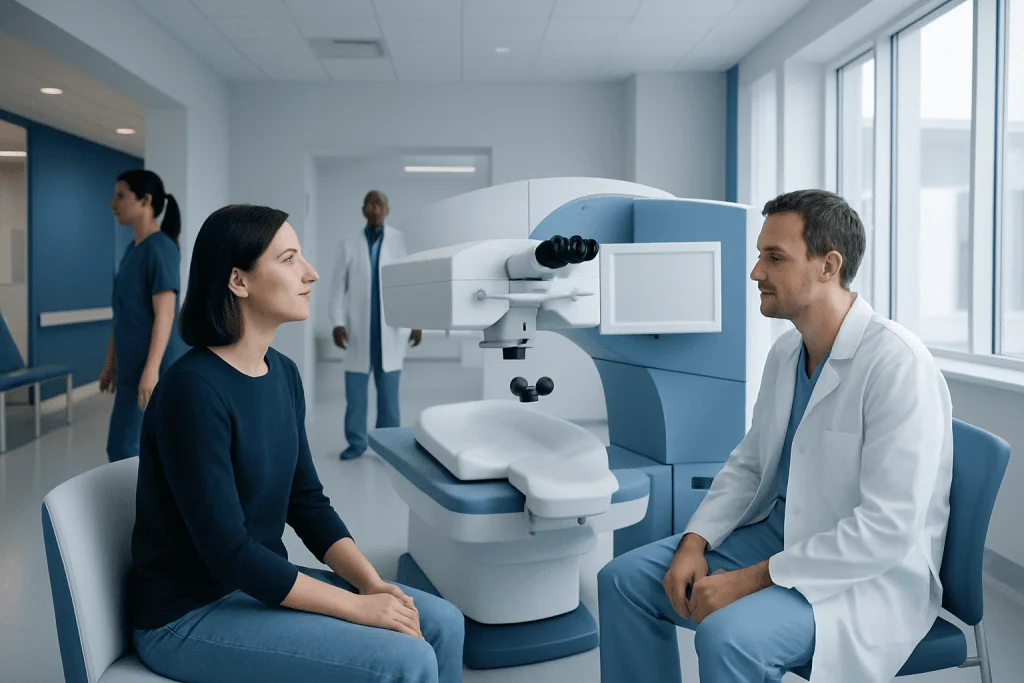
Laser eye treatments are not one single procedure; different techniques suit different eyes and goals. LASIK, PRK, LASEK, and ReLEx SMILE are common options for refractive vision correction.
Key Takeaways
- Laser eye treatments are not one single procedure; different techniques suit different eyes and goals.
- LASIK, PRK, LASEK, and ReLEx SMILE are common options for refractive vision correction.
- A detailed eye examination is essential to decide whether someone is a suitable candidate.
- Not everyone is eligible for laser vision correction, especially with unstable prescriptions or certain corneal diseases.
- Benefits, recovery time, and side effects vary by procedure and should be discussed with an ophthalmologist.
Laser eye treatments are used either to reduce dependence on glasses or contact lenses, or to treat certain eye conditions. The best option depends on the person’s prescription, corneal health, lifestyle, age, and overall eye examination findings.
Overview: What Are Laser Eye Treatments?
Laser eye treatments are procedures that use focused light energy to reshape or treat structures in the eye. Many people use the term to mean laser vision correction, which aims to reduce dependence on glasses or contact lenses. However, lasers are also used in ophthalmology for conditions such as retinal disease, glaucoma-related problems, and some after-cataract changes.
When the goal is vision correction, the laser typically reshapes the cornea, the clear front surface of the eye. This changes how light focuses on the retina and can improve nearsightedness, farsightedness, and astigmatism. Common refractive options include LASIK, PRK, LASEK, and ReLEx SMILE.
The most suitable option is different for each person. Eye shape, corneal thickness, tear film quality, age, prescription stability, job demands, sports participation, and personal expectations all matter. A thorough eye examination helps determine whether laser treatment is appropriate and which technique may offer the best balance of safety and visual outcome.
Who May Benefit From Laser Vision Correction?
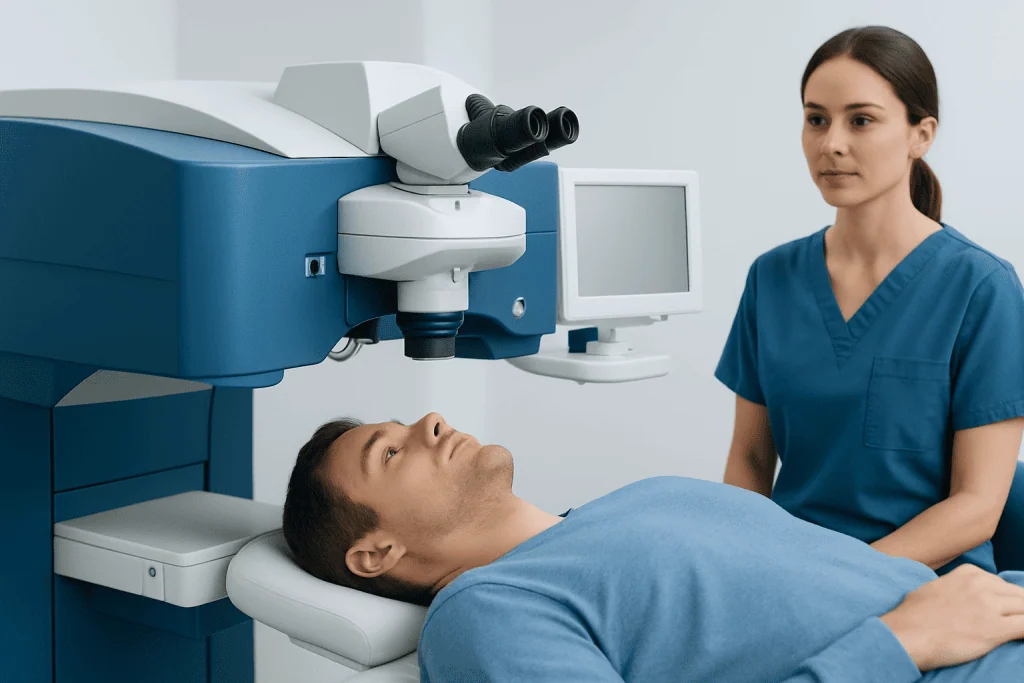
Laser vision correction may help adults who want to see more clearly without always relying on glasses or contact lenses. It is often considered by people with myopia (nearsightedness), hyperopia (farsightedness), or astigmatism when the prescription is within a treatable range and has been stable for a period of time.
Good candidates usually have healthy eyes overall, with enough corneal thickness for the chosen procedure and no active infection or significant inflammation. People who find contact lenses uncomfortable, have active lifestyles, or want greater convenience may be especially interested. Still, suitability depends on medical findings rather than preference alone.
Laser vision correction may be less suitable in some situations. Examples include pregnancy-related vision fluctuations, uncontrolled diabetes, severe dry eye, certain autoimmune conditions, or corneal disorders such as keratoconus. In these cases, an ophthalmologist may recommend delaying treatment, choosing a different procedure, or considering non-laser options.
Main Types of Laser Eye Treatments
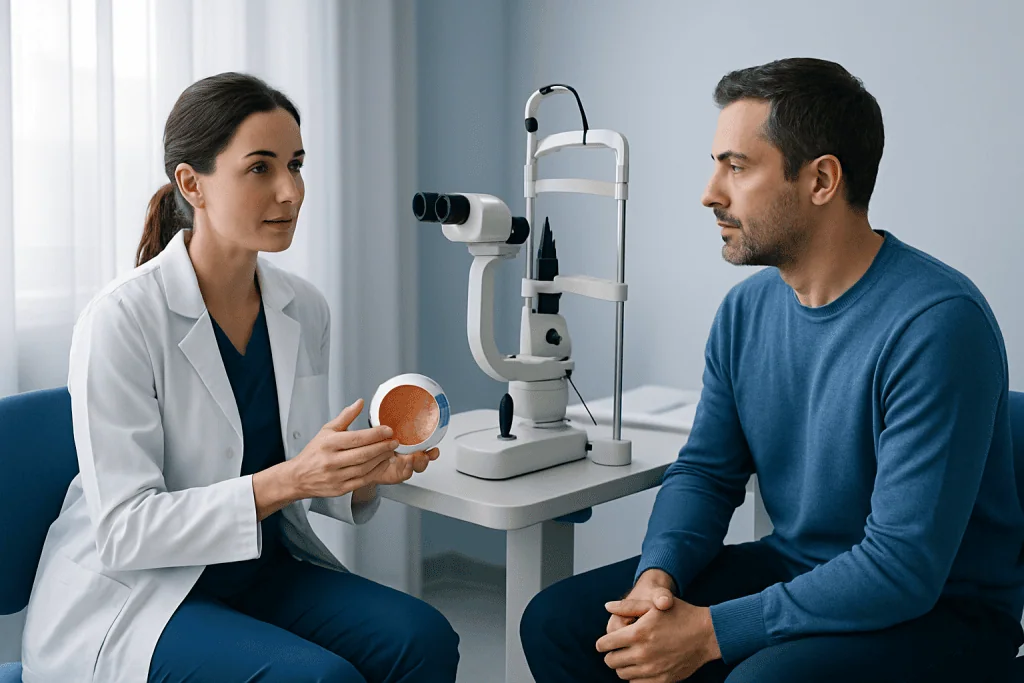
LASIK is one of the best-known laser vision correction procedures. In LASIK, a thin flap is created on the cornea, the underlying tissue is reshaped with a laser, and the flap is placed back. It is often chosen because vision tends to improve quickly and discomfort is usually mild for most people.
PRK and LASEK are surface-based procedures. Instead of creating a deeper corneal flap, the laser treatment is applied after handling the outer surface layer of the cornea. These procedures may be considered for people with thinner corneas or those whose work or sports may involve a higher risk of eye impact. Recovery can be slower than LASIK, and temporary discomfort may be greater in the first few days.
ReLEx SMILE is a minimally invasive technique used mainly for myopia and some cases of astigmatism. It removes a small piece of corneal tissue through a tiny incision rather than creating a large flap. Depending on the eye and the prescription, this may be a good option for some patients, although it is not suitable for every refractive error pattern.
Lasers are also used for medical, not just refractive, eye care. For example, ophthalmologists may use laser treatments for retinal problems or other eye conditions. This is different from elective vision correction, so the goals, risks, and expected results are not the same.
How Doctors Decide Which Option Is Right
Choosing the right procedure starts with a detailed assessment rather than a quick prescription check. The ophthalmologist usually measures the exact refractive error, corneal thickness, corneal shape, pupil size, tear film quality, and overall eye health. These findings help identify whether the cornea can be treated safely and which technique fits best.
Prescription type is important. Some procedures are better suited to myopia, while others may be more appropriate for hyperopia or mixed astigmatism. The degree of correction also matters, because very high prescriptions may not be ideal for every laser technique.
Lifestyle can influence the decision as well. Someone involved in contact sports or physically demanding work may be steered toward a surface procedure or another option if flap-related concerns are relevant. A person who needs the fastest possible recovery for office work may value a different balance of comfort and healing time.
Age and future visual needs are also considered. Laser vision correction does not stop natural aging changes such as presbyopia, the gradual loss of near focusing ability that often develops in midlife. A person may still need reading glasses later, even after excellent distance vision correction. Clear counseling about expectations is one of the most important parts of planning treatment.
What to Expect Before, During, and After Treatment
Before treatment, the patient usually has a comprehensive eye assessment and may need to stop wearing contact lenses for a period before measurements are taken. Contact lenses can temporarily change corneal shape, which can affect planning accuracy. The care team explains the proposed procedure, likely benefits, possible side effects, and expected recovery.
The treatment itself is usually brief. Numbing eye drops are commonly used, and patients are awake during the procedure. They may feel pressure or notice lights, but severe pain is not expected during treatment. The exact steps vary between LASIK, PRK, LASEK, and ReLEx SMILE.
Afterward, vision may be blurry at first, and mild irritation, watering, light sensitivity, or a gritty sensation can occur. Recovery tends to be faster after LASIK and SMILE than after PRK or LASEK, but every person heals differently. Follow-up visits are important so the ophthalmologist can monitor healing and address any early concerns.
Patients are usually advised not to rub their eyes and to use prescribed drops as directed. Temporary dry eye symptoms can occur after many laser procedures. Careful aftercare, including lubrication and attending follow-up appointments, supports comfort and recovery.
Benefits, Limitations, and Possible Risks
The main potential benefit of laser vision correction is clearer unaided vision. Many people are able to reduce their dependence on glasses or contact lenses for daily activities. Convenience, easier participation in sports, and freedom from contact lens discomfort are common reasons for interest in treatment.
It is equally important to understand the limitations. Laser eye treatments aim to reduce refractive error, but they may not create perfect vision in every case. Some people still need glasses for certain tasks, especially night driving, detailed work, or reading as they get older.
As with any medical procedure, there are possible risks and side effects. These may include dry eye, glare, halos, fluctuating vision, undercorrection, overcorrection, or delayed healing. In uncommon cases, more significant complications can affect vision quality and require further management. Careful patient selection helps reduce risk, but no procedure is completely risk-free.
Some people are better served by alternatives such as updated glasses, contact lenses, or lens-based surgery. An individualized discussion with an ophthalmologist is the best way to compare expected benefit against possible drawbacks for a specific eye profile.
Who Should Avoid or Postpone Laser Eye Treatment?
Laser eye treatment may need to be postponed if the prescription is still changing. Stable vision is important because an unstable refractive error can reduce the long-term accuracy of the result. Younger adults, people with recent hormonal changes, or those with fluctuating blood sugar may need to wait until measurements are more consistent.
Certain eye conditions can make laser vision correction unsuitable or require specialist evaluation first. These include significant dry eye, corneal scarring, active eye infection, uncontrolled blepharitis, and progressive corneal thinning disorders. If there is concern about a more complex eye or visual pathway problem, referral to services such as neuro-ophthalmology may be appropriate.
General health also matters. Autoimmune disease, some medications, poor wound healing, and pregnancy or breastfeeding can influence timing or eligibility. In addition, unrealistic expectations should be addressed before any procedure. A person should understand both what treatment may improve and what it cannot prevent, such as age-related reading changes.
When to See an Eye Specialist
Anyone considering laser eye treatment should start with a full ophthalmic assessment rather than deciding based on advertisements or a friend’s experience. Professional evaluation is especially important if there is a history of eye disease, dry eye symptoms, prior eye injury, or previous eye surgery. A specialist can explain whether laser vision correction is suitable or whether another approach would be safer.
Medical advice should also be sought promptly if there are warning symptoms such as sudden vision loss, severe eye pain, flashes, a curtain-like shadow, significant redness, or rapidly worsening blur. These symptoms are not typical reasons to book elective laser vision correction and may point to another eye problem that needs diagnosis.
People who have already had laser treatment should attend all scheduled follow-ups and report persistent discomfort or visual changes. Ongoing monitoring helps ensure healthy healing and allows concerns to be managed early. Near the end of the care pathway, some patients may also discuss future needs such as cataract care or age-related lens changes.
For international patients, Acibadem International’s multidisciplinary eye specialists and JCI-accredited hospitals provide assessment and treatment planning for a wide range of eye conditions, including laser vision correction, based on individual clinical needs.
Frequently asked questions
What is the difference between LASIK, PRK, and ReLEx SMILE?
All three are used to correct refractive errors by reshaping the cornea, but they do so in different ways. LASIK creates a corneal flap, PRK treats the surface without a deeper flap, and ReLEx SMILE removes a small piece of tissue through a tiny incision. The best choice depends on corneal structure, prescription, and lifestyle.
Is laser eye treatment permanent?
The corneal reshaping itself is intended to be lasting, but the eyes can still change over time. Natural aging, hormonal changes, or progression of refractive error may affect vision later. Laser treatment also does not prevent presbyopia or cataracts.
Does laser eye treatment hurt?
During the procedure, numbing eye drops are typically used, so most people feel pressure rather than pain. After treatment, mild discomfort, irritation, or light sensitivity can occur for a short time. Surface procedures such as PRK may cause more early discomfort than LASIK.
How long does recovery take after laser eye treatment?
Recovery time varies by procedure and by individual healing. Many people notice functional vision quickly after LASIK or SMILE, while PRK and LASEK usually take longer to settle. Even when vision improves early, follow-up care remains important while healing continues.
Can everyone have laser eye treatment?
No. Some people are not suitable candidates because of thin or irregular corneas, unstable prescriptions, severe dry eye, certain health conditions, or specific eye diseases. A detailed eye examination is needed to determine eligibility safely.
Will glasses still be needed after treatment?
Some people no longer need glasses for many daily tasks, while others still use them occasionally. The result depends on the starting prescription, healing response, and the type of work or vision demand. Reading glasses often become necessary with age even after successful distance correction.
This article is for general information only and is not a substitute for professional medical advice. Please consult a qualified doctor about your individual situation.
Explore treatments in Turkey — costs, top hospitals & a free quote
JCI-accredited · board-certified surgeons · reply within 24h
Add us as a Preferred Source to see more of our trusted health content across Google Search, AI Overviews and Discover.

Related Treatments
More from the Health Library
Pediatric Eye Exam: What to Expect at Your Child’s Visit

Who Is a Good Candidate for Femto LASIK?

How Long Does LASIK Take? Procedure and Recovery Time
Can You Get LASIK With Astigmatism? Eligibility Explained
What Is an Eye Exam? Tests, Results, and When You Need One