LASIK Vision Institute Alternatives: Choosing a Surgeon

A good LASIK candidate needs a full eye evaluation, not just a quick screening. Surgeon qualifications, experience, and clear communication matter as much as technology.
Key Takeaways
- A good LASIK candidate needs a full eye evaluation, not just a quick screening.
- Surgeon qualifications, experience, and clear communication matter as much as technology.
- LASIK is not the only option; PRK, LASEK, ReLEx SMILE, and non-surgical correction may suit some eyes better.
- The best clinic explains benefits, limits, costs, and possible side effects in a balanced way.
- Patients should feel comfortable asking questions and seeking a second opinion before surgery.
Choosing a LASIK surgeon is about more than brand names or price. A careful comparison of surgeon experience, preoperative testing, technology, and alternatives can help patients find the safest and most suitable vision correction plan.
Overview: How to Compare LASIK Providers
When considering refractive surgery, many patients begin by comparing clinics and well-known provider names. However, choosing a LASIK surgeon should focus less on advertising and more on medical quality, personalized assessment, and whether the clinic offers the full range of vision correction options. The goal is not simply to have laser surgery, but to receive the treatment that is safest and most suitable for the individual eye.
LASIK can effectively reduce dependence on glasses or contact lenses for many people with myopia, hyperopia, or astigmatism. Even so, it is not ideal for everyone. Some patients may be better candidates for PRK, LASEK, or ReLEx SMILE, while others may do best with updated glasses, contact lenses, or another eye treatment entirely.
A reliable surgeon or clinic starts with a comprehensive eye exam, explains realistic outcomes, and discusses alternatives without pressure. This balanced approach helps patients make informed decisions based on safety, eye health, lifestyle, and long-term visual needs.
What Makes a Good LASIK Candidate
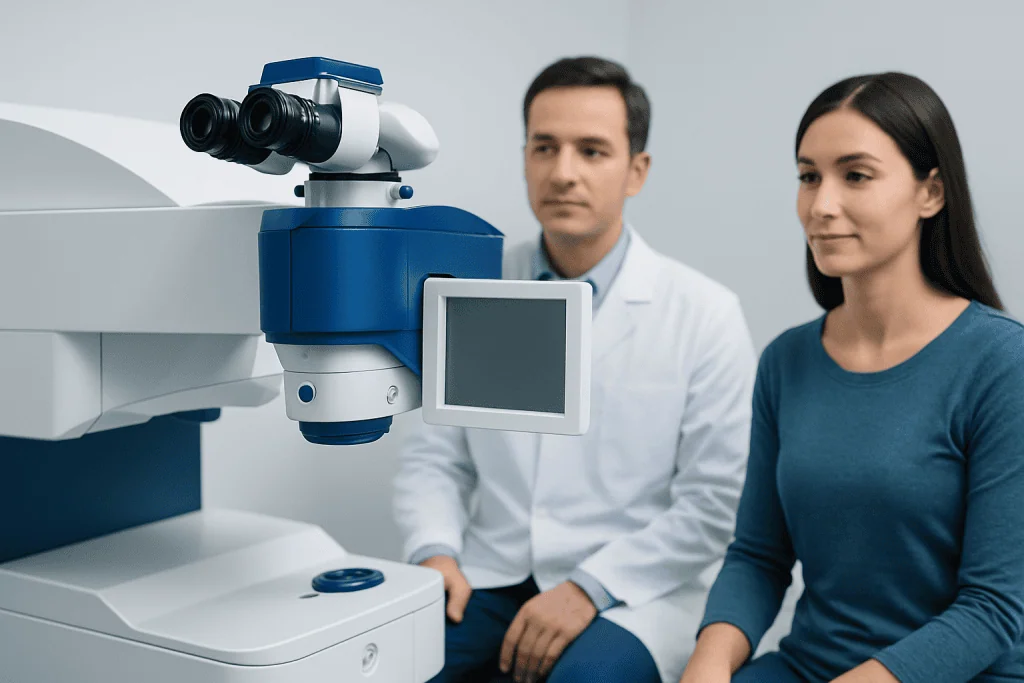
Not everyone who wants freedom from glasses is a good candidate for LASIK. In general, suitable candidates are adults with a stable glasses prescription, healthy corneas, and no active eye disease. Pregnancy, uncontrolled diabetes, certain autoimmune conditions, or medications that affect healing may influence timing or eligibility.
Corneal thickness and shape are especially important because LASIK reshapes the cornea. A person with very thin corneas, irregular corneal topography, or keratoconus may need a different approach or may be advised against corneal laser surgery. Dry eye symptoms also matter, since LASIK can temporarily worsen dryness in some patients.
Age and visual goals also affect the decision. Younger adults may focus on distance vision without glasses, while older adults may need a discussion about reading vision, presbyopia, and lens-based options. A thorough consultation helps clarify what surgery can improve, what it cannot change, and whether another procedure may better match the patient’s needs.
How Surgeons Evaluate the Eyes Before Surgery
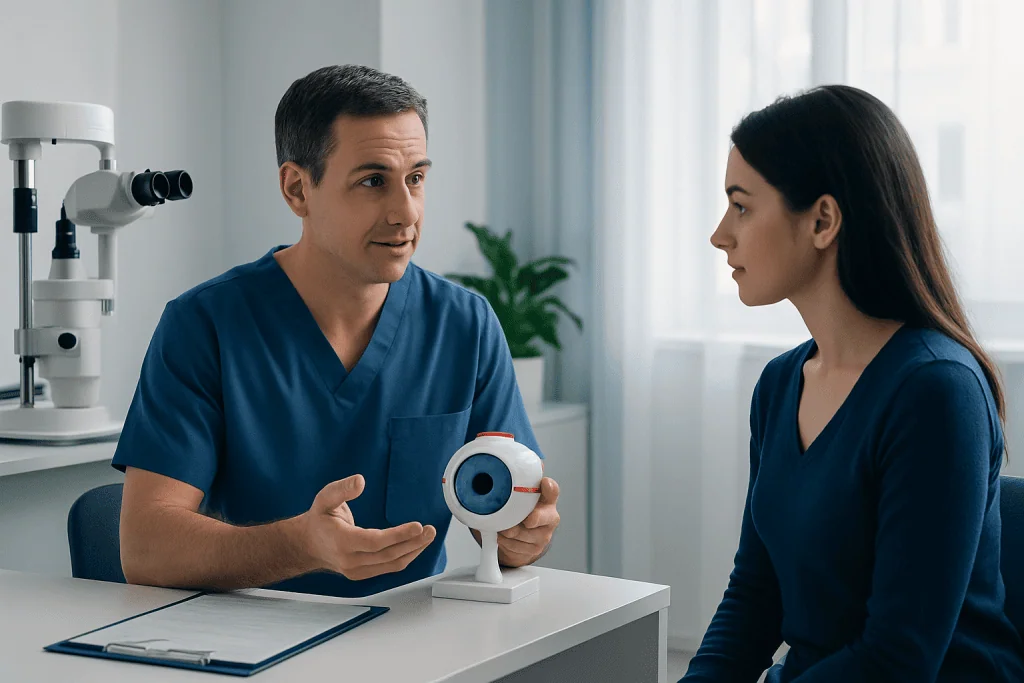
A careful preoperative workup is one of the most important signs of a high-quality LASIK provider. This usually includes a detailed medical and eye history, a refraction to confirm the glasses prescription, corneal mapping, pupil assessment, tear film evaluation, and a dilated eye examination. Comprehensive testing helps identify hidden problems that could affect results or safety.
Patients should expect more than a simple vision screening. A full eye examination can reveal conditions such as cataracts, retinal problems, dry eye disease, or corneal abnormalities that may need treatment first. In some cases, the surgeon may recommend postponing laser surgery or choosing a different procedure based on these findings.
Good clinics also discuss day-to-day habits. Night driving, screen time, sports, workplace dust exposure, and tolerance for healing time may affect the procedure selected. A personalized evaluation is often what separates a routine sales process from genuine medical decision-making.
How to Choose a LASIK Surgeon and Clinic
When comparing surgeons, patients can look for board certification or equivalent specialist credentials in ophthalmology, dedicated training in refractive surgery, and experience with multiple techniques rather than a single procedure. It is also helpful to ask how the surgeon handles complex corneas, enhancement procedures, dry eye management, and postoperative follow-up.
Communication is equally important. A trustworthy surgeon explains expected benefits, possible side effects such as glare, halos, or temporary dryness, and the small but real risks of surgery in language the patient can understand. The consultation should feel informative rather than rushed, and patients should never feel pressured to decide immediately.
Practical factors matter too. These may include emergency access after surgery, continuity of care, quality standards in the operating environment, and whether pre- and postoperative assessments are done carefully by the medical team. For international patients, some centers such as Acibadem International offer multidisciplinary ophthalmology care in JCI-accredited hospitals, which may be reassuring when planning treatment abroad.
- Ask who performs the key parts of the evaluation and surgery.
- Ask what alternatives are offered if LASIK is not ideal.
- Ask how complications or unexpected findings are managed.
- Ask what follow-up schedule is recommended after treatment.
LASIK Alternatives to Discuss
LASIK is only one form of refractive surgery. Alternatives may be safer or more effective depending on corneal thickness, occupation, sports participation, degree of refractive error, or dry eye symptoms. A clinic that offers several procedures is often better positioned to recommend the right option rather than steering every patient toward the same treatment.
PRK and LASEK are surface procedures that do not create a corneal flap, which may make them useful in some patients with thinner corneas or certain lifestyle needs. ReLEx SMILE is another laser option for selected patients, especially those with myopia and astigmatism. Each technique has its own strengths, recovery timeline, and suitability criteria.
Some people seeking laser surgery actually have another issue driving their symptoms. For example, poor vision may relate to early cataracts rather than refractive error alone, or discomfort may be due to ocular surface disease. In those cases, treating the underlying problem first is often more helpful than moving straight to LASIK.
Non-surgical options should also be part of the conversation. Updated glasses, specialty contact lenses, and careful management of dry eye can provide excellent vision for many patients. The best decision is the one that balances visual goals with safety and long-term eye health.
Questions Patients Should Ask at the Consultation
A consultation is the right time to ask direct, practical questions. Patients may want to know whether they are truly a good candidate, which procedure is recommended and why, what tests support that recommendation, and what level of vision correction is realistically expected. It is also sensible to ask about common side effects, healing time, and how often additional treatment is needed.
Questions about cost transparency can also be useful. Clinics should clearly explain what is included in the quoted price, such as consultations, medications, follow-up visits, and possible enhancement surgery if appropriate. A low advertised fee may not reflect the full cost of care.
Patients can also ask what conditions would lead the surgeon to advise against LASIK on the day of evaluation. A careful answer often signals a safety-focused practice. If responses feel vague, overly sales-driven, or dismissive of concerns, seeking another opinion may be wise.
- What procedure do you recommend for these eyes, and why?
- What are the main benefits and limitations for this prescription?
- Do I have dry eye, thin corneas, or any signs that affect safety?
- What should I expect during recovery and follow-up?
- What happens if the outcome is not exactly as planned?
Preparing for Surgery and Supporting Recovery
Once a procedure has been chosen, preparation usually includes stopping contact lens wear for a period advised by the surgeon, because lenses can temporarily alter the corneal shape. Patients may also be advised to avoid eye makeup, arrange transport on the day of surgery, and plan for a short recovery period with reduced screen time and eye strain.
After surgery, it is important to use prescribed drops as directed, avoid rubbing the eyes, and attend scheduled follow-up visits. Temporary blurry vision, light sensitivity, tearing, or dryness can occur during healing. Most patients improve steadily, but any significant pain or sudden vision change requires prompt medical advice.
Recovery guidance differs by procedure. Surface treatments such as PRK or LASEK often take longer to become comfortable and clear than LASIK, while other options may have different activity restrictions. Following the surgeon’s instructions closely helps support healing and the best possible visual result.
When to Seek Another Opinion or See a Doctor Urgently
Getting a second opinion is reasonable if a recommendation seems rushed, if one clinic says LASIK is ideal while another raises concerns, or if the patient has a history of dry eye, corneal disease, or previous eye surgery. A fresh review can clarify whether the original recommendation is appropriate and whether an alternative procedure may be safer.
Urgent medical review is important after any eye surgery if there is severe pain, worsening redness, a sudden drop in vision, increasing light sensitivity, or discharge. These symptoms do not always mean a serious problem, but they should be assessed promptly to protect vision.
Even before surgery, patients should see an ophthalmologist if they have unexplained visual loss, distorted vision, flashes, floaters, or chronic eye discomfort. These symptoms may point to a condition that needs diagnosis and treatment before refractive surgery is considered.
Frequently asked questions
Is LASIK the best option for everyone who wants to stop wearing glasses?
No. LASIK works well for many people, but some patients are better suited to PRK, LASEK, ReLEx SMILE, or non-surgical correction. The best choice depends on corneal shape and thickness, eye surface health, prescription stability, age, and personal visual goals.
What credentials should a patient look for in a LASIK surgeon?
Patients should look for an ophthalmologist with appropriate specialist certification or equivalent qualifications, experience in refractive surgery, and access to comprehensive diagnostic testing. It also helps if the surgeon offers more than one procedure and explains options clearly without pressure.
Why is a full preoperative exam so important?
A full exam helps identify conditions that may affect safety or results, such as dry eye, irregular corneas, early cataracts, or retinal disease. It also confirms whether the prescription is stable and whether the patient is a good fit for LASIK or another option.
How can a patient tell if a clinic is too focused on sales?
Warning signs may include rushed consultations, guaranteed results, little discussion of risks, or strong pressure to book quickly. A high-quality clinic usually takes time to review test results, explain alternatives, and answer questions in a balanced way.
Should patients get a second opinion before LASIK?
A second opinion can be very helpful, especially if there are borderline findings, dry eye symptoms, thin corneas, or conflicting recommendations. It can also give patients more confidence in their decision and help them compare treatment plans more objectively.
What symptoms after surgery need urgent medical attention?
Patients should contact their surgeon promptly if they develop severe pain, worsening redness, sudden vision loss, increasing sensitivity to light, or unusual discharge. These symptoms may need urgent assessment to rule out infection, inflammation, or another complication.
This article is for general information only and is not a substitute for professional medical advice. Please consult a qualified doctor about your individual situation.
LASIK in Turkey — costs, top hospitals & a free quote
JCI-accredited · board-certified surgeons · reply within 24h
Add us as a Preferred Source to see more of our trusted health content across Google Search, AI Overviews and Discover.

Related Treatments
More from the Health Library

Blepharitis: Eyelid Inflammation and Long-Term Care

Intraocular Lens Options After Cataract Surgery: Monofocal, Toric, and EDOF

Glaucoma: Silent Vision Loss and How It Is Treated

Dry Eye Syndrome: Symptoms, Causes, and Relief Options

LASIK Vision Institute vs Hospital Eye Centers