Contact Lens Intolerance: Causes of Dryness, Discomfort, and Blurry Vision

Contact lens intolerance is a common reason for dryness, burning, redness, and fluctuating blurry vision. The problem may be related to dry eye, lens fit, deposits, allergies, eyelid inflammation, or reduced oxygen reaching the cornea.
Key Takeaways
- Contact lens intolerance is a common reason for dryness, burning, redness, and fluctuating blurry vision.
- The problem may be related to dry eye, lens fit, deposits, allergies, eyelid inflammation, or reduced oxygen reaching the cornea.
- A proper eye examination can identify the cause and guide treatment, which may include changing lens type, improving hygiene, or treating eye surface disease.
- Persistent pain, marked redness, light sensitivity, or sudden vision changes need prompt medical attention.
- Self-care helps, but contact lenses should not be worn through ongoing discomfort.
Contact lens intolerance happens when contact lenses become uncomfortable or difficult to wear, often causing dryness, irritation, or blurry vision. It can have several causes, and many people improve with the right eye evaluation, lens changes, and treatment of underlying eye surface problems.
Overview
Contact lens intolerance is a term used when a person who wears contact lenses can no longer wear them comfortably for the usual amount of time. The eyes may feel dry, tired, gritty, irritated, or sensitive, and vision may become hazy or fluctuate during the day. Some people notice that lenses that once felt fine now become bothersome after only a few hours.
This is not a single disease. Instead, it is usually a sign that the eye surface, tear film, eyelids, or the lenses themselves are not working well together. Common contributors include dry eye, poor lens fit, allergies, protein deposits on the lens, or inflammation along the eyelid margins. In some cases, a person may also have an underlying corneal or tear film problem that needs attention.
Many cases are manageable. A careful eye assessment can help identify whether the issue is mainly related to the lens material, wearing schedule, cleaning routine, environment, or an eye condition such as dryness or inflammation. For some patients, a review of contact lens options and a detailed eye examination are important first steps.
Symptoms
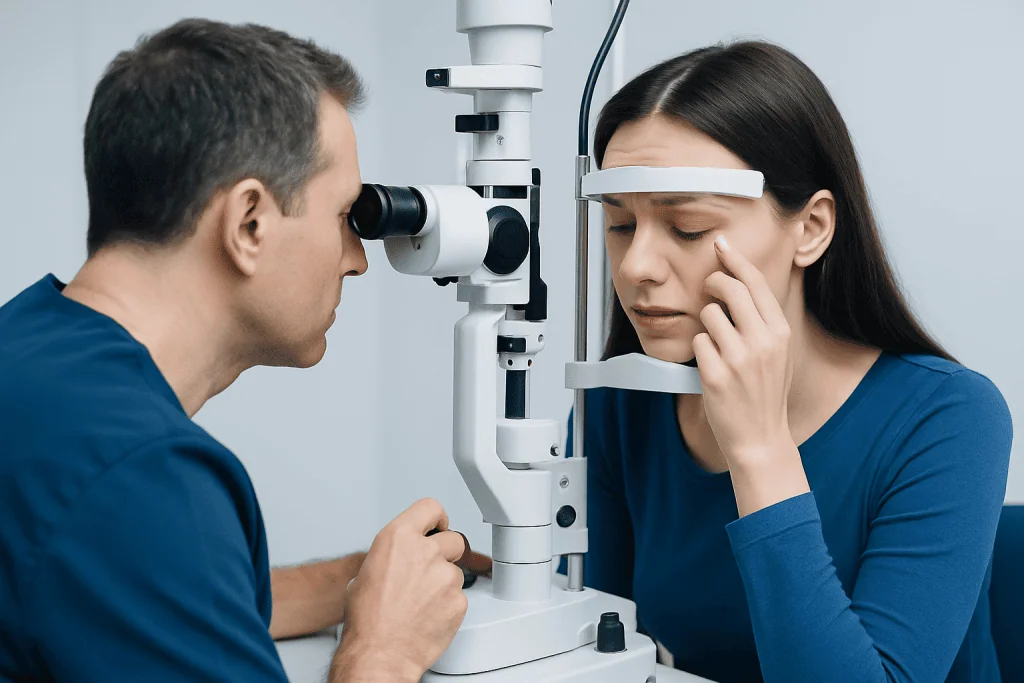
Symptoms of contact lens intolerance can begin gradually or appear after a change in lenses, solution, work environment, or general health. A person may feel fine early in the day but become increasingly uncomfortable with continued wear. Others notice a sudden decline in comfort after months or years of successful contact lens use.
Common symptoms include:
- Dryness or a sensation that the lenses are sticking to the eyes
- Burning, stinging, or itching
- Grittiness, as if sand or dust is in the eye
- Redness
- Watery eyes, which can happen as a reflex response to irritation
- Blurry or fluctuating vision, especially late in the day
- Light sensitivity
- Discomfort when blinking
- Reduced wearing time before the lenses need to be removed
These symptoms can overlap with other eye problems. For example, red or irritated eyes may also occur with conjunctivitis evaluation and care or with eyelid inflammation. Because symptoms alone do not reveal the exact cause, persistent problems should be assessed by an eye specialist.
Causes and Risk Factors

One of the most common causes of contact lens intolerance is dry eye disease. The tear film is needed to keep lenses comfortable and vision clear. If tears evaporate too quickly or are not produced in adequate quality or quantity, the lens can disrupt the eye surface and cause irritation. Dry indoor air, prolonged screen time, air travel, and climate conditions can make this worse.
Lens-related factors are also important. A lens that fits poorly, does not allow enough oxygen through to the cornea, is worn too long, or is not replaced on schedule may lead to discomfort. Buildup of protein, lipids, makeup, or environmental debris on the lens can irritate the eye and blur vision. Some people also react to preservatives in lens cleaning solutions.
Eyelid and surface conditions can contribute significantly. Blepharitis, meibomian gland dysfunction, ocular allergies, and corneal surface irregularities can all reduce comfort. In some cases, conditions affecting the cornea may need specialized assessment, including cornea and external eye disease evaluation. General health factors such as hormonal changes, autoimmune conditions, certain medications, and dehydration may also increase risk.
Risk factors include long daily wear, sleeping in lenses unless specifically prescribed for overnight use, poor lens hygiene, smoking, heavy digital device use, older lens materials, and a history of dry eye or allergies. Even high-performing lenses may become difficult to tolerate if the underlying tear film or eyelid health changes over time.
How Doctors Diagnose the Problem
Diagnosis begins with a discussion of symptoms, wearing habits, lens type, replacement schedule, and cleaning routine. The doctor may ask when the discomfort started, whether it is worse in certain environments, and whether vision changes improve after blinking or removing the lenses. General health, medications, and previous eye conditions are also relevant.
An eye examination usually includes checking visual acuity, evaluating the fit and movement of the lens, and examining the cornea, conjunctiva, eyelids, and tear film under magnification. The doctor may look for dryness, staining of the corneal surface, meibomian gland dysfunction, allergy signs, lens deposits, or reduced tear breakup time. In some cases, additional tests of tear production or the ocular surface may be useful.
The goal is to determine whether the main issue is lens-related, tear-related, eyelid-related, or due to another eye condition. Blurry vision may simply result from an unstable tear film, but it can also occur because of uncorrected refractive error or conditions such as astigmatism. A thorough evaluation helps avoid simply switching products without addressing the real cause.
Treatment Options
Treatment depends on the cause. In many cases, the first step is to stop lens wear temporarily so the eye surface can recover. The doctor may recommend preservative-free lubricating eye drops, changes in lens hygiene, or treatment for eyelid inflammation or allergies. If a cleaning solution is contributing to irritation, switching to a different system may help.
Changing the lens itself is often effective. Options may include a more breathable material, a different diameter or curve, daily disposable lenses, or a reduced wearing schedule. For people with dryness, lenses that are replaced more often may lead to fewer deposits and better comfort. The right approach is individualized, and not every lens type works equally well for every eye.
If contact lens intolerance is linked to dry eye or corneal surface disease, treatment may focus on improving the tear film and eyelid function. Warm compresses, lid hygiene, and targeted dry eye therapies may be advised by an eye specialist. Some patients who remain uncomfortable despite optimization may consider alternatives to contact lenses, such as glasses or vision correction procedures like LASIK or ReLEx SMILE, if they are suitable candidates.
It is important not to continue wearing lenses through persistent pain or redness. Ongoing irritation can worsen inflammation and raise the risk of corneal complications. Successful treatment usually comes from managing both the lenses and the health of the eye surface.
Prevention and Self-care
Good contact lens habits play a central role in prevention. Lenses should be worn exactly as prescribed, replaced on time, and never cleaned or stored in water. Hands should be washed and dried before handling lenses, and storage cases should be cleaned and replaced regularly. Unless specifically approved by an eye care professional, sleeping in contact lenses should be avoided.
Environmental and lifestyle adjustments can also reduce dryness and discomfort. Taking regular breaks during screen use, blinking more completely, staying well hydrated, and using a humidifier in dry rooms may help. Limiting exposure to cigarette smoke, direct airflow from fans or air conditioning, and dusty environments can also improve comfort.
People who wear eye makeup should remove it carefully and avoid getting products on the lens or along the inner eyelid margin. If dryness is a recurring issue, using doctor-recommended lubricating drops and attending regular follow-up visits can help prevent symptoms from becoming more persistent. Preventive care is especially important for anyone with allergies, eyelid inflammation, or a previous history of dry eye.
When to See a Doctor
Mild dryness at the end of a long day can happen, but repeated discomfort should not be ignored. A person should arrange an eye evaluation if contact lenses become harder to tolerate, wearing time shortens noticeably, or blurry vision keeps returning. These symptoms often improve once the underlying cause is identified and treated.
Urgent medical attention is needed if there is significant eye pain, marked redness, discharge, increasing light sensitivity, sudden blurred vision, or the feeling that the lens cannot be removed safely. These symptoms can signal a more serious problem, including a corneal injury or infection, and contact lenses should be removed unless a clinician advises otherwise.
Near the end of the care journey, some patients benefit from multidisciplinary support, especially when dry eye, eyelid disease, corneal surface problems, or refractive issues overlap. Acibadem International’s multidisciplinary specialists in JCI-accredited hospitals diagnose and treat eye surface and contact lens-related problems for international patients.
Frequently asked questions
Can contact lens intolerance go away?
Yes, in many people it improves once the cause is identified and treated. Relief may come from better dry eye management, changes in lens material or replacement schedule, or treatment of eyelid inflammation or allergy. The key is not to keep wearing uncomfortable lenses without evaluation.
Why do contacts suddenly feel dry when they used to be comfortable?
This can happen if the tear film changes over time, if screen use increases, or if the environment becomes drier. Hormonal changes, medications, allergies, or eyelid gland dysfunction can also reduce comfort even with the same lenses. A lens deposit problem or solution sensitivity may be involved as well.
Does blurry vision with contacts always mean the prescription is wrong?
No. Blurry vision can happen when the tear film is unstable, the lens surface is dry, or deposits build up on the lens. It may also be related to lens fit or a change in the eyes, so an examination is the best way to find the reason.
Should contact lenses be worn if the eyes are red or irritated?
In general, lenses should not be worn through ongoing redness, pain, or irritation. Continuing to wear them can worsen inflammation and may increase the risk of corneal injury or infection. If symptoms do not settle quickly after removing the lenses, medical advice is important.
Are daily disposable lenses better for contact lens intolerance?
For some people, yes. Daily disposable lenses may reduce deposit buildup and solution-related sensitivity because a fresh lens is used each day. However, the best choice depends on the eye surface, tear quality, prescription, and the specific reason for intolerance.
Can dry eye cause watery eyes while wearing contacts?
Yes. Although it seems surprising, dry eye can trigger reflex tearing as the eye responds to irritation. These tears often do not stay on the surface well enough to relieve the underlying dryness, so the eyes may feel both watery and dry.
This article is for general information only and is not a substitute for professional medical advice. Please consult a qualified doctor about your individual situation.
Explore treatments in Turkey — costs, top hospitals & a free quote
JCI-accredited · board-certified surgeons · reply within 24h
Add us as a Preferred Source to see more of our trusted health content across Google Search, AI Overviews and Discover.

Related Treatments
More from the Health Library

iLASIK vs IntraLase: Are These Laser Eye Procedures Different?

Contact Lenses: Which Type Is Best for Your Vision Needs?

Orbital Tumors: Symptoms, Imaging, and When Orbit Surgery Is Needed

Cataract Surgery in Turkey vs at Home: What International Patients Should Compare

Is Laser Eye Surgery Safe? Risks and Success Rates