What Does a Gastroenterologist Treat? Symptoms That May Need a GI Specialist

A gastroenterologist treats disorders of the digestive tract as well as many liver, gallbladder, and pancreatic conditions. Symptoms that last, return often, or interfere with daily life may need assessment by a GI specialist.
Key Takeaways
- A gastroenterologist treats disorders of the digestive tract as well as many liver, gallbladder, and pancreatic conditions.
- Symptoms that last, return often, or interfere with daily life may need assessment by a GI specialist.
- Warning signs such as bleeding, unexplained weight loss, trouble swallowing, jaundice, or anemia should not be ignored.
- Diagnosis may involve blood tests, stool tests, imaging, endoscopy, or colonoscopy depending on the symptoms.
- Treatment often includes diet and lifestyle changes, medicines, monitoring, and sometimes advanced endoscopic procedures.
A gastroenterologist is a doctor who diagnoses and treats conditions affecting the digestive system, including the esophagus, stomach, intestines, liver, gallbladder, pancreas, and rectum. Persistent digestive symptoms such as abdominal pain, heartburn, bloating, diarrhea, constipation, swallowing problems, or blood in the stool may be signs that specialist evaluation is needed.
Overview: What a Gastroenterologist Treats
A gastroenterologist is a physician who specializes in diseases of the digestive system. This includes the esophagus, stomach, small intestine, colon, rectum, liver, gallbladder, bile ducts, and pancreas. These organs work together to digest food, absorb nutrients, remove waste, and support many important body functions.
People often think of a gastroenterologist only for stomach pain or colonoscopy, but the specialty is much broader. A GI specialist may evaluate acid reflux, ulcers, chronic constipation, diarrhea, inflammatory bowel disease, liver disease, swallowing disorders, gallstones, pancreatitis, and gastrointestinal bleeding. Some symptoms are mild and temporary, while others need careful investigation to rule out more serious conditions.
Gastroenterologists also perform procedures that help diagnose and sometimes treat disease without surgery. Common examples include upper endoscopy, colonoscopy, removal of certain polyps, treatment of bleeding, and dilation of narrowed areas in the digestive tract. Their role often combines prevention, diagnosis, long-term management, and coordination with surgeons, radiologists, pathologists, and nutrition specialists.
Common Symptoms That May Need a GI Specialist
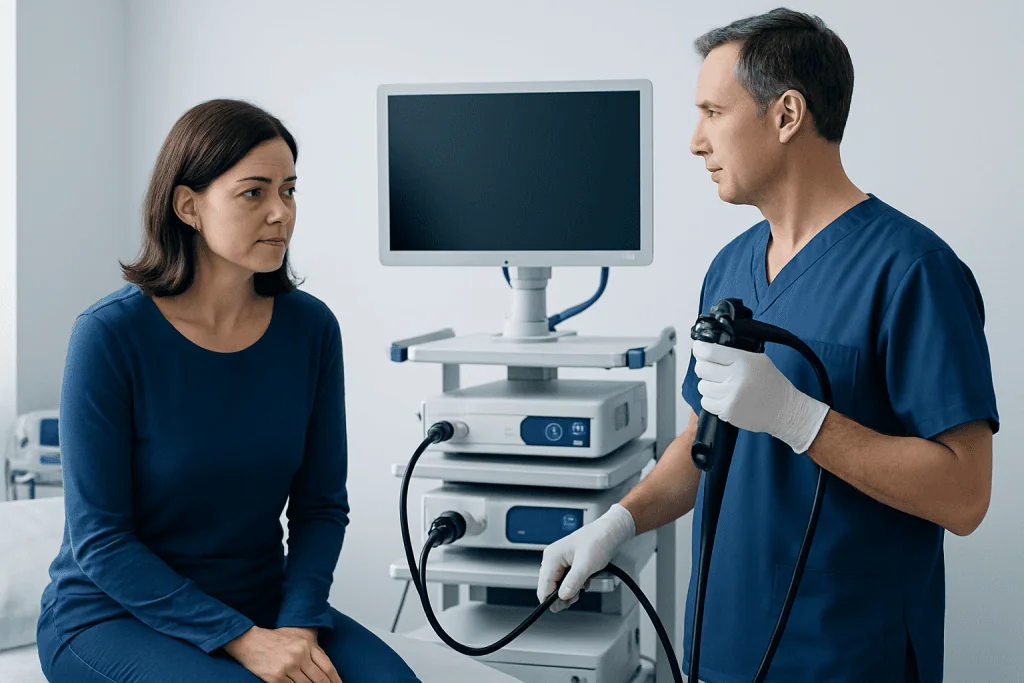
Many digestive complaints improve on their own, especially when linked to a short-term infection, dietary change, or stress. However, symptoms that persist, come back repeatedly, or affect quality of life deserve medical attention. A gastroenterologist can help identify whether symptoms are due to a functional problem, inflammation, infection, food intolerance, structural disease, or a liver or pancreatic disorder.
Symptoms that commonly lead to referral include frequent heartburn, acid reflux, ongoing abdominal pain, bloating, nausea, vomiting, constipation, diarrhea, excessive gas, and a change in bowel habits. Difficulty swallowing, a sensation that food gets stuck, early fullness, chronic indigestion, or pain after eating may also suggest a condition that needs specialist evaluation.
Some symptoms should be assessed more urgently, especially blood in vomit or stool, black tarry stools, unexplained weight loss, jaundice, persistent vomiting, severe dehydration, or symptoms that wake a person from sleep. A gastroenterologist may also be involved when routine blood work shows iron-deficiency anemia, abnormal liver tests, or signs of poor nutrient absorption.
- Heartburn or reflux more than occasionally
- Abdominal pain that does not improve
- Chronic diarrhea or constipation
- Bloating, gas, or food-related digestive symptoms
- Trouble swallowing or chest discomfort after eating
- Blood in stool, black stools, or vomiting blood
- Unexplained weight loss, anemia, or jaundice
Conditions a Gastroenterologist Commonly Diagnoses

Gastroenterologists diagnose both common and complex digestive disorders. Frequent examples include acid reflux and hiatal hernia, gastritis, peptic ulcer disease, hemorrhoids, and infections that cause vomiting or diarrhea. They also evaluate lactose or gluten-related symptoms, chronic indigestion, and bowel habit changes.
Many patients are referred for chronic conditions such as irritable bowel syndrome, inflammatory bowel diseases such as Crohn’s disease and ulcerative colitis, and malabsorption disorders including celiac disease. These conditions can require long-term follow-up, nutritional advice, symptom control, and monitoring for complications.
The specialty also covers liver, gallbladder, pancreatic, and bile duct problems. A gastroenterologist may assess fatty liver disease, viral hepatitis, gallstones, jaundice, pancreatitis, and cirrhosis. In some centers, doctors with advanced training focus specifically on hepatology, inflammatory bowel disease, motility disorders, or therapeutic endoscopy. This helps patients receive more targeted care when symptoms are complicated or difficult to explain.
Why Digestive Symptoms Happen: Causes and Risk Factors
Digestive symptoms can have many different causes. Some are temporary, such as viral gastroenteritis, food poisoning, medication side effects, dehydration, or eating habits that trigger reflux and bloating. Others are ongoing conditions involving inflammation, altered gut movement, food intolerance, autoimmune disease, or changes in the balance between the gut and the nervous system.
Risk factors depend on the symptom and the condition being considered. For example, reflux may be more likely with obesity, smoking, late meals, or a hiatal hernia. Constipation can be linked to low fiber intake, low fluid intake, inactivity, or certain medicines. Diarrhea may be caused by infection, inflammatory bowel disease, celiac disease, or bile acid disorders. Liver disease can be associated with alcohol use, metabolic syndrome, viral infection, autoimmune disease, or inherited conditions.
Age and family history also matter. A family history of colorectal cancer, polyps, inflammatory bowel disease, celiac disease, or some liver diseases may increase the need for screening or earlier specialist evaluation. Even when symptoms seem similar from one person to another, the cause can be very different, which is why a careful history and appropriate testing are important.
How a Gastroenterologist Makes a Diagnosis
Diagnosis usually starts with a detailed discussion about symptoms, diet, medications, bowel habits, weight changes, medical history, and family history. The doctor may ask when symptoms began, what makes them better or worse, and whether there are alarm features such as bleeding, fever, trouble swallowing, or nighttime symptoms. A physical examination can provide clues such as abdominal tenderness, signs of dehydration, liver enlargement, jaundice, or anemia.
Tests are chosen based on the person’s symptoms. Blood tests may look for inflammation, anemia, infection, liver injury, vitamin deficiencies, or celiac-related markers. Stool tests can help detect infection, blood, inflammation, or poor digestion. Imaging such as ultrasound, CT, or MRI may be used to examine the liver, gallbladder, pancreas, intestines, or bile ducts.
Endoscopic procedures are central to gastroenterology. Upper endoscopy helps evaluate swallowing problems, reflux, ulcers, stomach pain, and upper GI bleeding. Colonoscopy is used for bowel symptoms, rectal bleeding, colorectal cancer screening, and follow-up of polyps or inflammatory bowel disease. Depending on the findings, the doctor may recommend biopsy, motility testing, breath tests, or specialized evaluation such as neurogastroenterology assessment for suspected disorders of gut movement and gut-brain interaction.
Treatment Options and Ongoing Care
Treatment depends on the diagnosis and on how severe the symptoms are. Many digestive conditions can be managed with a combination of lifestyle changes, dietary adjustments, medicines, and regular follow-up. For example, reflux may improve with weight management, meal timing, and acid-suppressing therapy, while chronic constipation or diarrhea may respond to dietary changes and symptom-directed medication.
Some conditions need more specialized care. Inflammatory bowel diseases such as inflammatory bowel disorders may require anti-inflammatory medicines, immune-modifying treatment, nutritional support, and close monitoring. Conditions such as reflux disease, celiac disease, or chronic liver disease may need long-term management plans tailored to the patient’s symptoms and test results.
Endoscopic treatment can sometimes control bleeding, remove polyps, widen narrowed areas, or relieve blockage without open surgery. In more complex cases, a gastroenterologist may work closely with colorectal surgeons, hepatologists, oncologists, or dietitians. Near the end of the care pathway, some international patients may choose centers such as Acibadem International, where multidisciplinary specialists in JCI-accredited hospitals diagnose and treat digestive conditions using coordinated care.
Prevention, Self-care, and Digestive Health Habits
Not every digestive condition can be prevented, but healthy habits can lower the risk of many common problems and reduce symptom flare-ups. Regular meals, balanced fiber intake, adequate hydration, physical activity, limiting alcohol, and avoiding smoking all support digestive health. People with reflux may benefit from avoiding large late meals and identifying personal trigger foods.
Medicines should also be used carefully. Frequent use of anti-inflammatory pain relievers can irritate the stomach and increase the risk of ulcers or bleeding in some people. Antibiotics may sometimes disturb the gut and contribute to diarrhea. Anyone with recurrent digestive symptoms should review prescription drugs, supplements, and over-the-counter medicines with a doctor rather than assuming the problem is only dietary.
Screening and follow-up are also important forms of prevention. Colonoscopy helps detect and remove precancerous polyps and investigate unexplained bowel symptoms. People with chronic liver disease, inflammatory bowel disease, celiac disease, or a strong family history of digestive disease may need regular monitoring even when they feel well. Early evaluation often makes treatment simpler and can help prevent complications.
When to See a Doctor Urgently
Some digestive symptoms should not wait for a routine appointment. Immediate medical attention is important for vomiting blood, black tarry stool, heavy rectal bleeding, severe abdominal pain, a swollen rigid abdomen, inability to keep fluids down, confusion, or signs of severe dehydration. These symptoms can point to bleeding, obstruction, infection, or inflammation that needs urgent care.
Jaundice, sudden severe difficulty swallowing, persistent vomiting, and rapid unexplained weight loss also need prompt assessment. Fever with abdominal pain, ongoing diarrhea in a vulnerable person, or symptoms after recent travel may require timely testing and treatment. People with liver disease, inflammatory bowel disease, or a weakened immune system should be especially cautious about new or worsening digestive symptoms.
Even when symptoms are not urgent, it is sensible to seek specialist advice if they last more than a few weeks, keep returning, or interfere with eating, sleeping, work, or daily routines. A gastroenterologist can help clarify the cause, guide treatment, and reassure patients when symptoms are not linked to serious disease.
Frequently asked questions
What is the difference between a gastroenterologist and a general doctor?
A general doctor can assess many common digestive symptoms and may begin initial treatment or testing. A gastroenterologist has advanced training in diseases of the digestive tract, liver, pancreas, and biliary system, and can perform specialized procedures such as endoscopy and colonoscopy.
When should someone see a gastroenterologist for heartburn?
Occasional heartburn is common, but frequent or persistent symptoms deserve medical review. Specialist evaluation is especially important if heartburn is associated with trouble swallowing, chest discomfort after meals, chronic cough, weight loss, anemia, or symptoms that continue despite treatment.
Does a gastroenterologist treat liver problems too?
Yes. Gastroenterologists commonly diagnose and manage many liver and bile duct conditions, including fatty liver disease, hepatitis, jaundice, cirrhosis, and abnormal liver blood tests. Some gastroenterologists have additional expertise in hepatology, which focuses specifically on liver disease.
What tests might a GI specialist order?
The exact tests depend on the symptoms. They may include blood tests, stool tests, ultrasound, CT or MRI scans, upper endoscopy, colonoscopy, biopsies, breath tests, or other specialized studies to assess inflammation, bleeding, infection, malabsorption, or motility problems.
Should bloating and changes in bowel habits always be checked?
Not always urgently, but persistent or recurrent symptoms should be assessed, especially if they are new, worsening, or affecting daily life. Evaluation is more important when bloating or bowel changes occur with bleeding, weight loss, anemia, nighttime symptoms, fever, or a family history of bowel disease or colorectal cancer.
Can a gastroenterologist help even if tests were normal before?
Yes. Some digestive conditions are intermittent, subtle, or related to gut function rather than obvious structural disease. A gastroenterologist can review earlier results, decide whether further testing is needed, and help manage symptoms safely even when previous tests did not show a clear cause.
References
- National Institute of Diabetes and Digestive and Kidney Diseases
- American College of Gastroenterology
- National Health Service
- Mayo Clinic
- World Gastroenterology Organisation
This article is for general information only and is not a substitute for professional medical advice. Please consult a qualified doctor about your individual situation.
Persistent digestive symptoms? Get evaluated in Turkey
JCI-accredited · board-certified surgeons · reply within 24h
Add us as a Preferred Source to see more of our trusted health content across Google Search, AI Overviews and Discover.

Gastroenterology
Diagnosis and treatment of the digestive system and liver, with advanced endoscopy.
43 specialists in this unit