

Augmentation Mammoplasty: Procedure, Risks, and Results

Augmentation mammoplasty can enhance breast size, restore lost volume, or improve symmetry. The procedure may use saline implants, silicone implants, or fat transfer, depending on anatomy and goals.
Key Takeaways
- Augmentation mammoplasty can enhance breast size, restore lost volume, or improve symmetry.
- The procedure may use saline implants, silicone implants, or fat transfer, depending on anatomy and goals.
- Like any surgery, it has risks such as bleeding, infection, scarring, implant-related problems, and the need for future procedures.
- Results are not considered lifetime changes; implants often require monitoring and sometimes replacement or removal.
- Choosing a qualified plastic surgeon and following aftercare instructions are important for safety and satisfaction.
Augmentation mammoplasty is a surgical procedure that increases breast size or improves breast shape using implants or, in selected cases, fat transfer. Understanding the procedure, recovery, possible risks, and expected results helps patients make informed decisions with their surgeon.
Overview of Augmentation Mammoplasty
Augmentation mammoplasty, often called breast augmentation, is a cosmetic or reconstructive procedure designed to increase breast volume, improve contour, or correct asymmetry. It is one of the most commonly performed breast procedures and may be chosen after pregnancy, weight loss, age-related volume loss, or naturally small or uneven breasts.
The surgery is usually performed with breast implants filled with silicone gel or saline. In some carefully selected patients, fat transfer may also be used to add a modest increase in volume. The best technique depends on the patient’s body shape, skin quality, breast tissue, and personal goals.
For some individuals, augmentation is part of a broader breast reshaping plan. It may be discussed alongside aesthetic breast surgery options when a patient wants both more volume and a change in breast position or contour. A consultation with a qualified plastic surgeon helps clarify what is realistic and medically appropriate.
Why People Choose the Procedure
People consider augmentation mammoplasty for different reasons. Some want fuller breasts that are more proportionate to their frame, while others wish to restore volume lost after pregnancy, breastfeeding, or significant weight changes. It may also help improve breast symmetry when one breast is noticeably smaller than the other.
In reconstructive settings, breast augmentation can be used after previous surgery or congenital differences in breast development. Some patients seeking care for broader breast aesthetics concerns may be interested in balancing shape, cleavage, and upper-pole fullness rather than simply increasing cup size.
Motivation matters. The best candidates are people who are making the decision for themselves, have realistic expectations, and understand that surgery can improve shape and proportion but cannot guarantee perfection. A surgeon will usually explore a patient’s goals in detail to make sure the treatment plan matches their anatomy and priorities.
How the Procedure Is Performed
Before surgery, the plastic surgeon reviews medical history, examines the breasts, and discusses implant type, size, placement, and incision location. Common incision sites include the fold under the breast, around the edge of the areola, or occasionally the armpit. Implant placement may be above or below the chest muscle, depending on tissue coverage, body type, and the desired result.
Saline implants are filled with sterile salt water, while silicone implants contain a cohesive gel that many patients feel more closely resembles natural breast tissue. Fat transfer breast augmentation uses the patient’s own fat, usually taken with liposuction from another area of the body, processed, and then injected into the breasts. This option generally offers subtler enlargement than implants.
The operation is usually performed under general anesthesia. It commonly takes one to two hours, although timing can vary when combined with other procedures such as liposuction or contouring. After the implants are placed or fat is transferred, the incisions are closed and the breasts are supported with dressings or a surgical bra.
In selected cases, augmentation may be part of a broader cosmetic surgery plan. Even then, safety remains the priority, and combining procedures is considered only when appropriate for the patient’s health and recovery capacity.
Risks, Complications, and Long-Term Considerations
Augmentation mammoplasty is generally safe when performed by an experienced surgeon in an appropriate medical setting, but it is still surgery and carries potential risks. These include bleeding, infection, anesthesia-related problems, delayed wound healing, fluid buildup, changes in nipple or breast sensation, and visible or thickened scars. People prone to excessive scarring may wish to discuss the risk of keloid scars with their surgeon before surgery.
Implant-specific complications can include capsular contracture, where scar tissue around the implant becomes firm and changes the breast’s feel or shape; implant rupture or leakage; wrinkling; displacement; and asymmetry. Some patients may eventually need additional surgery to revise, remove, or replace implants. Breast implants are not considered lifetime devices.
There are also less common but important long-term issues to discuss. These include breast implant-associated anaplastic large cell lymphoma, a rare cancer of the scar capsule rather than the breast tissue itself, and breast implant illness, a term used by some patients to describe systemic symptoms that are still being studied. A careful, balanced conversation with the surgeon can help patients understand what is known, what remains uncertain, and how monitoring is done over time.
Augmentation can also affect future breast imaging. Routine breast cancer screening remains important, and patients should tell imaging staff if they have implants so the correct mammography views can be used. Depending on implant type and symptoms, the surgeon may also advise periodic imaging to check implant integrity.
Recovery and Expected Results
After surgery, some swelling, tightness, bruising, and discomfort are expected, especially in the first days. Many patients return to light daily activities within about a week, but this varies by procedure type, implant placement, and the physical demands of work. The surgeon usually recommends avoiding strenuous activity, heavy lifting, and chest-focused exercise for several weeks.
Breast appearance changes during healing. At first, the breasts may sit high, look swollen, or feel firm. Over time, swelling decreases and the implants or transferred fat settle into a more natural position. Final results are usually easier to judge after several weeks to months, once healing has progressed.
Scars generally fade with time but do not disappear completely. Good aftercare, including wearing the recommended support garment and attending follow-up visits, can support healing. Patients should promptly report increasing redness, fever, severe pain, sudden swelling, or unusual drainage, as these may signal a complication.
Results can be long-lasting, but the breasts continue to change naturally with aging, pregnancy, weight fluctuation, and hormonal changes. A well-planned procedure can improve proportion and confidence, yet future adjustments may sometimes be needed to maintain or refine the outcome.
Who Is a Good Candidate and How to Prepare
Good candidates are adults in good general health who have fully developed breasts, do not have an untreated breast infection or unexplained breast lump, and understand the limits of surgery. Emotional readiness is also important. Patients who feel pressured by others or expect surgery to solve broader self-esteem or relationship concerns may benefit from taking more time before making a decision.
Preparation begins with a detailed consultation. The surgeon may ask about prior surgeries, medications, smoking, family history of breast disease, and plans for pregnancy or breastfeeding. A breast examination and, in some cases, age-appropriate imaging may be recommended before surgery to support safe planning.
Patients are often advised to stop smoking well before surgery, as smoking can delay healing and raise complication risks. Certain medications or supplements that increase bleeding risk may need to be reviewed. Keeping weight stable and planning practical support for the first days after surgery can also make recovery easier.
People with chest wall differences, significant sagging, or conditions affecting breast development may need a more individualized approach. In some cases, alternative or additional procedures are discussed. Male patients seeking treatment for enlarged breast tissue, for example, may instead need assessment for gynecomastia, which is a different condition with different treatment goals.
Self-Care, Follow-Up, and When to See a Doctor
Self-care after augmentation mammoplasty usually includes resting, taking prescribed medications as directed, keeping incisions clean and dry, and wearing the recommended surgical bra or support garment. Sleeping on the back for a period of time and avoiding pressure on the chest may also be advised. Following the surgeon’s instructions closely can reduce complications and support a smoother recovery.
Follow-up care is an important part of long-term success. Regular visits allow the surgeon to check healing, breast shape, implant position, and scar development. Patients should also remain familiar with the normal look and feel of their breasts and report any new lump, persistent pain, hardening, shape change, or swelling, even years later.
Medical advice should be sought promptly if there are signs of infection, sudden one-sided swelling, worsening pain, shortness of breath, or wound opening. Ongoing concerns about breast appearance or comfort should also be discussed rather than ignored. Early evaluation often makes management simpler and more effective.
Near the end of the decision process, some international patients may wish to seek care at experienced centers. Acibadem International’s multidisciplinary specialists and JCI-accredited hospitals diagnose and treat patients seeking breast procedures, with treatment plans tailored to individual anatomy, health, and goals.
Frequently asked questions
What is augmentation mammoplasty?
Augmentation mammoplasty is surgery that increases breast size or improves breast shape, most often with implants and sometimes with fat transfer. It may be done for cosmetic reasons or as part of reconstruction or correction of asymmetry.
How long do breast implants last?
Breast implants are durable, but they are not considered lifetime devices. Some patients keep the same implants for many years, while others need replacement or removal sooner because of rupture, capsular contracture, changes in appearance, or personal preference.
Is breast augmentation painful?
Some pain, pressure, and tightness are common after surgery, especially during the first few days. Most discomfort improves gradually and can usually be managed with the surgeon’s recommended pain-control plan and activity restrictions.
Will augmentation mammoplasty affect breastfeeding?
Many people can breastfeed after breast augmentation, but this cannot be guaranteed. The chance of breastfeeding difficulty may depend on the incision location, surgical technique, and whether there were any pre-existing breast development issues.
Can breast implants interfere with mammograms?
Breast implants can make standard mammography views more challenging, but special techniques are used to improve imaging. It is important for patients to tell the imaging team that they have implants before a mammogram.
What is the difference between silicone and saline implants?
Silicone implants are filled with a cohesive gel and often feel more like natural breast tissue. Saline implants are filled with sterile salt water and may be adjusted in volume during surgery, but the best choice depends on body type, goals, and surgeon guidance.
Who should avoid or delay breast augmentation surgery?
Surgery may need to be delayed in people with uncontrolled medical conditions, active infection, unexplained breast findings, or those who are pregnant or not ready for the recovery process. A plastic surgeon can help determine whether the timing and plan are appropriate.
References
- American Society of Plastic Surgeons
- U.S. Food and Drug Administration
- National Health Service
- American College of Obstetricians and Gynecologists
- International Society of Aesthetic Plastic Surgery
This article is for general information only and is not a substitute for professional medical advice. Please consult a qualified doctor about your individual situation.
Medical weight-loss options in Turkey — costs & eligibility
JCI-accredited · board-certified surgeons · reply within 24h
Add us as a Preferred Source to see more of our trusted health content across Google Search, AI Overviews and Discover.

Related Treatments
Related Conditions
More from the Health Library



Related Specialists
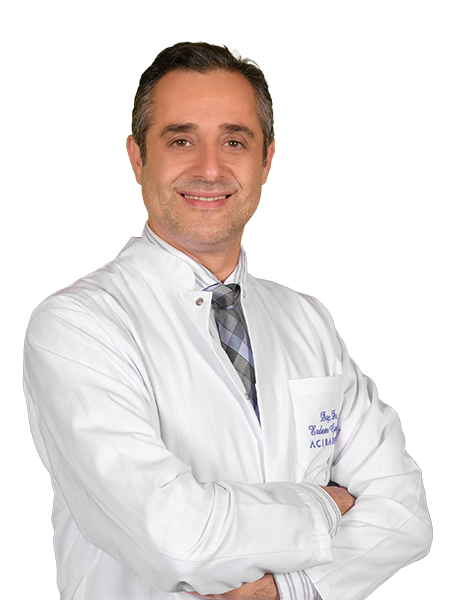
Assoc. Prof. Dr. Erdem Güven (m)
Aesthetic Plastic & Reconstructive Surgery
Prof. Dr. Şükrü Yazar
Aesthetic Plastic & Reconstructive Surgery
Prof. Dr. Hakan Ağır
Aesthetic Plastic & Reconstructive Surgery
Prof. Dr. Bülent Saçak
Aesthetic Plastic & Reconstructive Surgery