

BBL and Lipofilling: Safety, Results, and Realistic Expectations

BBL and lipofilling move fat from one area of the body to another to improve contour or volume. Safety depends heavily on surgeon experience, proper technique, and having the procedure in an accredited hospital setting.
Key Takeaways
- BBL and lipofilling move fat from one area of the body to another to improve contour or volume.
- Safety depends heavily on surgeon experience, proper technique, and having the procedure in an accredited hospital setting.
- Some transferred fat survives long term, while some is naturally reabsorbed, so final results take time to settle.
- Not everyone is a good candidate; overall health, skin quality, and available donor fat all matter.
- Following recovery instructions closely helps support healing and reduces the risk of complications.
BBL and lipofilling are fat-transfer procedures that reshape the body or restore volume using a person’s own fat. Good outcomes depend on careful patient selection, safe surgical technique, realistic expectations, and close follow-up during recovery.
Overview
BBL and lipofilling are cosmetic procedures that use fat taken from one part of the body and transfer it to another. In a Brazilian butt lift, or BBL, fat is usually removed with liposuction from areas such as the abdomen, flanks, back, or thighs and then injected to improve the shape and projection of the buttocks. Lipofilling, also called fat grafting or fat transfer, can be used more broadly to restore or enhance volume in areas including the hips, breasts, face, or areas with contour irregularities.
Many people are drawn to these procedures because they use the body’s own tissue rather than an implant. This can create a softer, more natural feel in the treated area while also slimming the donor area. In practice, BBL and lipofilling are often part of a wider body contouring approach tailored to the person’s anatomy and goals.
Even though these procedures are common, they are still real operations and should be approached thoughtfully. They require careful planning, anesthesia, and a recovery period. Most importantly, outcomes vary from person to person because fat survival, healing, skin elasticity, and body proportions are different in every patient.
How the Procedure Works
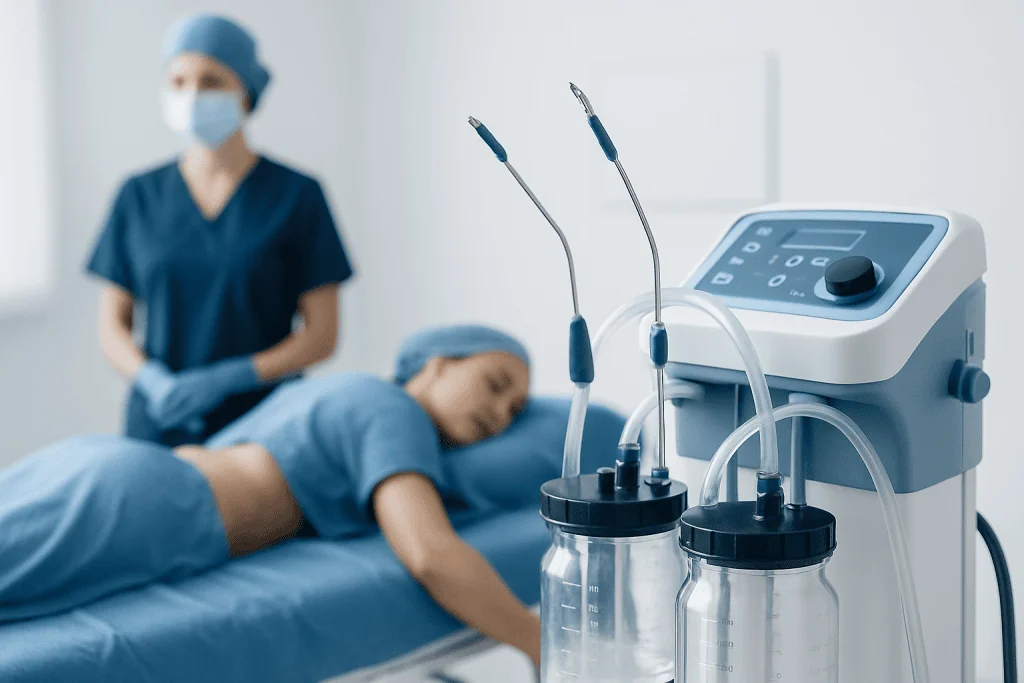
The procedure usually has three main steps: harvesting, processing, and injection. First, the surgeon removes fat using liposuction from areas with excess fat. Common donor sites include the waist, lower back, abdomen, arms, or thighs. For some patients, this part overlaps with techniques used in classic liposuction, although the fat must be handled carefully so it can be reused.
Next, the collected fat is processed to separate healthy fat cells from fluid, blood, and damaged tissue. The goal is to prepare purified fat that is more suitable for transfer. Finally, the surgeon injects the fat into the target area using small amounts in multiple layers to help support blood supply and improve the chance that the fat will survive.
In BBL, the surgeon aims to enhance shape, roundness, and proportion rather than simply adding volume. In lipofilling for other areas, the goal may be to soften hollows, correct asymmetry, or improve contour after weight changes, aging, or previous surgery. A personalized surgical plan is important because the same volume of fat can look very different depending on the patient’s body frame, skin quality, and underlying anatomy.
Safety and Possible Risks

Safety is the most important issue in BBL and lipofilling. Fat transfer can be done safely, but BBL in particular requires meticulous technique because serious complications have been reported when fat is injected too deeply. Current best practice emphasizes careful injection into the appropriate tissue planes, avoiding dangerous areas, and using techniques designed to lower risk. This is one reason why choosing a qualified plastic surgeon and an accredited hospital is so important.
All surgery carries some risk. General surgical risks include bleeding, infection, anesthesia-related problems, fluid collection, contour irregularities, and delayed healing. With fat transfer, there can also be partial loss of the grafted fat, unevenness, lumps, oil cysts, or asymmetry. Some patients may need a revision procedure if fat absorption is greater than expected or if the final shape is not as balanced as hoped.
Smoking, uncontrolled medical conditions, significant weight fluctuation, and poor adherence to aftercare can increase the chance of complications. People who have a history of abnormal scar formation, including keloid scars, should discuss this with their surgeon, especially if they are concerned about healing or incision marks. A careful preoperative assessment helps identify whether the benefits of surgery outweigh the risks for a particular person.
Patients should be wary of promises of dramatic change with little recovery or no risk. A responsible surgeon explains both the potential benefits and the limitations in clear terms. Safety also includes being prepared for recovery, arranging follow-up, and knowing what warning signs require urgent medical attention.
Who Is a Good Candidate?
A good candidate for BBL and lipofilling is generally in stable health, has realistic expectations, and has enough donor fat available for transfer. The person should understand that the procedure improves contour and proportion, but it cannot create perfection or guarantee a specific body shape. Skin elasticity also matters because tighter skin often helps the contour look smoother after liposuction and transfer.
Stable weight is important. If a person plans significant weight loss soon after surgery, the transferred fat may shrink along with the rest of the body fat, affecting the result. Patients who are very lean may not have enough donor fat for a meaningful transfer, while people with severe obesity may be advised to address overall health and weight first. In some cases, contour concerns after major weight loss are better addressed with procedures such as bariatric contouring rather than fat transfer alone.
Good candidates are also able to follow recovery instructions closely. This includes avoiding pressure on the treated area, attending follow-up visits, and being patient while swelling settles. A consultation should include discussion of medical history, medications, prior surgeries, and any concerns about body image so the treatment plan is realistic and appropriate.
Results and Realistic Expectations
One of the most important points to understand is that not all transferred fat survives. A portion of the fat naturally reabsorbs during the healing process, especially in the first few months. Because of this, surgeons typically plan for some expected loss, but it is never possible to predict the exact percentage that will remain in every individual.
Final results are not immediate. Right after surgery, swelling can make the area look larger or firmer than it will later. As swelling improves and the fat stabilizes, the shape becomes more accurate. Many patients need several months before they can judge the long-term outcome fairly. The result may continue to refine as tissues soften and settle.
Realistic expectations focus on improvement in proportion, contour, and balance rather than a perfect image. BBL can create a more defined waist-to-hip relationship and fuller buttock contour, while lipofilling can restore softness and volume in selected areas. Some people benefit from combining fat transfer with other procedures, such as BBL and lipofilling planning within a broader cosmetic surgery strategy, but combination surgery should always be guided by safety and overall health.
Long-term results are influenced by lifestyle. Significant weight gain can enlarge both natural and transferred fat, while major weight loss can reduce it. Maintaining a stable weight, staying active, and following the surgeon’s guidance can help preserve the outcome for longer.
Recovery and Aftercare
Recovery involves healing in both the donor area and the area where the fat was injected. Swelling, bruising, soreness, and temporary stiffness are common in the first days to weeks. Compression garments may be recommended for the liposuction areas to help manage swelling and support contour. The surgeon will explain how to move, rest, bathe, and gradually return to normal activities.
After a BBL, pressure on the buttocks usually needs to be limited for a period recommended by the surgeon. Patients may be told to sleep in specific positions and use support cushions when sitting. These steps are meant to protect the transferred fat during its early healing period, when it is developing a blood supply. Following instructions carefully can make a meaningful difference to comfort and to the final result.
Most people can return to light daily activities before they return to strenuous exercise, but the timeline varies. It is important not to rush recovery, even if pain seems manageable. Warning signs such as severe shortness of breath, chest pain, high fever, rapidly increasing swelling, or unusual drainage should be reported urgently. Regular follow-up allows the surgeon to monitor healing and address concerns early.
How to Choose a Surgeon and Prepare for Surgery
Choosing the right surgeon is one of the most important decisions. Patients should look for a doctor with formal training in plastic and reconstructive surgery, specific experience in fat transfer procedures, and access to an accredited hospital environment. It is reasonable to ask how the surgeon approaches BBL safety, where the surgery will take place, what recovery support is available, and what limitations they see in the individual case.
A thorough consultation should include an examination, discussion of goals, review of medications and health conditions, and a clear explanation of benefits, risks, alternatives, and likely recovery. Preoperative photographs and planning may be used to show areas of fat harvesting and transfer. Honest communication helps align expectations and reduces disappointment.
Preparation often includes stopping smoking, reviewing blood-thinning medications or supplements with the doctor, arranging transportation, and planning time off from work and exercise. Patients should also prepare their home for recovery, including comfortable sleeping arrangements and help with daily tasks if needed. For people considering other contouring or volume-restoring procedures, the surgeon may discuss alternatives such as breast fat transfer or other options depending on the area of concern.
Near the end of the treatment journey, some international patients choose centers that provide coordinated surgical, anesthesia, and aftercare services. Acibadem International’s multidisciplinary specialists and JCI-accredited hospitals diagnose and treat patients seeking procedures in this area, with individualized planning based on medical suitability and goals.
When to See a Doctor
Anyone considering BBL and lipofilling should schedule a consultation with a qualified plastic surgeon before making a decision. A medical evaluation is especially important for people with heart or lung disease, clotting problems, uncontrolled diabetes, previous complications from surgery, or concerns about abnormal scarring. The surgeon can explain whether the procedure is appropriate or whether another approach may be safer and more effective.
After surgery, patients should contact their doctor if they have worsening pain, increasing redness, marked asymmetry, persistent vomiting, fever, leg swelling, or signs that a wound is not healing well. Emergency care is needed for severe breathing problems, chest pain, or sudden fainting. Quick evaluation can be important because some complications need urgent treatment.
It is also worth seeking medical advice if expectations begin to feel unclear or if body image concerns are driving distress. Cosmetic procedures are most satisfying when the person understands both the possibilities and the limits of surgery. A thoughtful, informed decision is the best foundation for a safer experience and a result that feels balanced and natural.
Frequently asked questions
What is the difference between BBL and lipofilling?
A BBL is a type of fat transfer focused on improving the shape and volume of the buttocks. Lipofilling is a broader term for using a person’s own fat to restore or enhance volume in different parts of the body, such as the hips, breasts, or face.
Is BBL safer than implants?
They are different procedures with different risks. BBL avoids a synthetic implant, but it still has important safety considerations and should only be performed by an appropriately trained surgeon using accepted safety techniques in a properly equipped hospital setting.
How long do BBL and lipofilling results last?
The fat that successfully establishes a blood supply can remain long term. However, some of the transferred fat is naturally reabsorbed in the first months, and future weight changes can affect the final appearance over time.
Will all of the transferred fat survive?
No. Some fat survival is expected, but some reabsorption is normal and varies from person to person. This is why final results take time to assess and why touch-up procedures are sometimes discussed.
How painful is recovery after BBL and lipofilling?
Most patients experience soreness, bruising, swelling, and tightness rather than sharp severe pain. Discomfort often comes from both the liposuction areas and the fat transfer area, and it usually improves gradually with time and proper aftercare.
Can very slim people have BBL or lipofilling?
Sometimes, but only if there is enough donor fat to harvest safely and effectively. Very slim patients may not be able to achieve large-volume changes, so the surgeon may discuss smaller goals or alternative procedures.
When can someone sit or exercise again after a BBL?
The timeline varies depending on the surgeon’s technique and the individual’s healing. Patients are usually asked to limit direct pressure on the buttocks for a period and return to exercise gradually, following personalized instructions from their surgical team.
References
- American Society of Plastic Surgeons
- The Aesthetic Society
- International Society of Aesthetic Plastic Surgery
- U.S. Food and Drug Administration
- National Health Service
This article is for general information only and is not a substitute for professional medical advice. Please consult a qualified doctor about your individual situation.
Explore treatments in Turkey — costs, top hospitals & a free quote
JCI-accredited · board-certified surgeons · reply within 24h
Add us as a Preferred Source to see more of our trusted health content across Google Search, AI Overviews and Discover.
Check your numbers in seconds
BMI, calories, due date, blood pressure and 30+ more clinical calculators — free, instant, doctor-reviewed ranges.

Related Treatments
Related Conditions
More from the Health Library



Related Specialists
Assoc. Prof. Dr. Erdem Güven (m)
Aesthetic Plastic & Reconstructive Surgery
Prof. Dr. Şükrü Yazar
Aesthetic Plastic & Reconstructive Surgery
Prof. Dr. Hakan Ağır
Aesthetic Plastic & Reconstructive Surgery
Prof. Dr. Bülent Saçak
Aesthetic Plastic & Reconstructive Surgery