

Breast Augmentation: How to Choose Implant Size and Shape

The best implant size is the one that fits the chest, breast tissue, and desired look safely. Implant shape, profile, and placement all affect final appearance as much as volume does.
Key Takeaways
- The best implant size is the one that fits the chest, breast tissue, and desired look safely.
- Implant shape, profile, and placement all affect final appearance as much as volume does.
- A consultation often includes measurements, photographs, and implant sizers to help with decision-making.
- Larger implants are not always better and may increase the chance of discomfort, rippling, or tissue stretch over time.
- Recovery, long-term follow-up, and future life changes such as pregnancy or weight fluctuation should be part of the decision.
Choosing breast implants is not only about cup size. Breast augmentation decisions are usually based on body proportions, breast tissue, implant profile, shape, and a clear discussion of personal goals with a qualified plastic surgeon.
Overview: What Choosing Implant Size and Shape Really Means
Breast augmentation is a personal procedure designed to increase breast volume, improve symmetry, or restore shape after changes related to pregnancy, weight loss, or aging. When patients think about implant choice, many focus first on cup size. In practice, surgeons usually evaluate much more than that. The goal is to choose an implant that suits the body frame, existing breast tissue, skin quality, and the look the patient hopes to achieve.
Implants vary by volume, profile, shape, and material. These features work together to influence how the breasts look in clothing, how much upper-pole fullness they have, how natural or round they appear, and how they feel over time. Because every chest wall and breast base width is different, the same implant may look very different from one person to another.
A thoughtful consultation is one of the most important steps in the process. During planning for aesthetic breast surgery, the surgeon typically explains realistic outcomes, examines breast symmetry and tissue thickness, and discusses where implants may sit best. This helps patients move from a general wish, such as “natural” or “fuller,” to a more precise and safe surgical plan.
How Implant Size Is Chosen
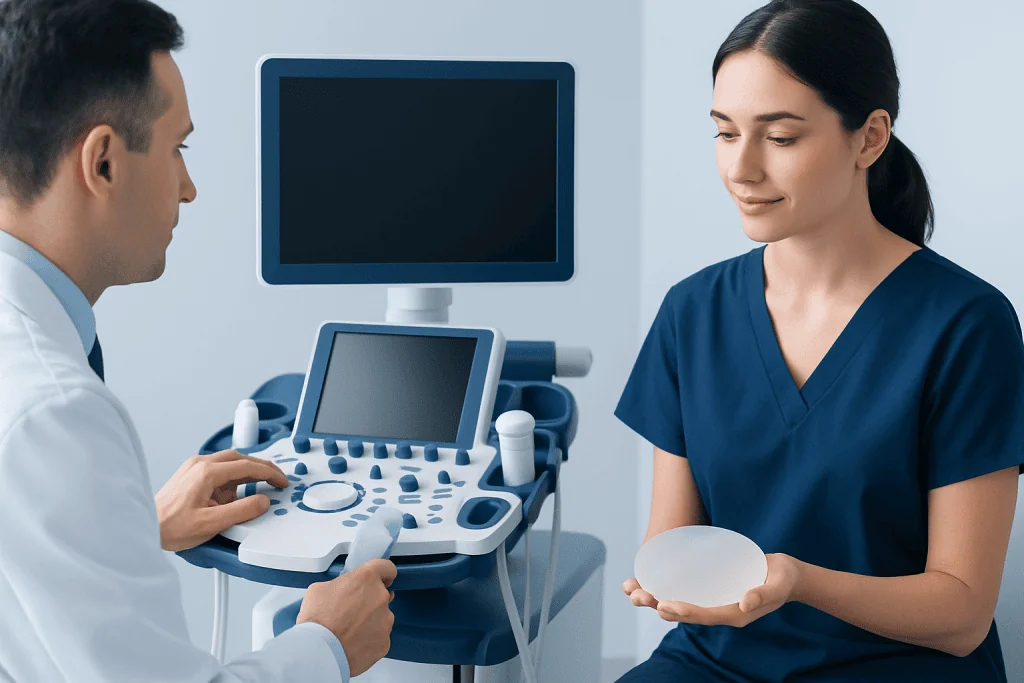
Implant size is usually measured in cubic centimeters, or cc, rather than bra cup size. Cup sizes can vary widely between brands and styles, so they are not a reliable surgical measurement. A surgeon generally considers chest width, shoulder proportions, breast base diameter, nipple position, tissue coverage, and skin elasticity before recommending a size range.
Many patients are surprised to learn that an implant can look larger or smaller depending on their body shape. A moderate-size implant may appear fuller on a petite frame, while the same implant may look subtle on a broader chest. This is why photographs, 3D imaging when available, and implant sizers can be more helpful than asking for a specific cup size alone.
In general, an appropriate implant size should create balance rather than place excessive strain on the skin and supporting tissues. Very large implants may increase the risk of visible edges, drooping over time, neck or back discomfort, and difficulty achieving a natural proportion. A careful size choice aims for the appearance the patient wants while respecting the limits of the body’s anatomy.
- Body height and frame
- Chest wall width and breast base width
- Existing breast volume and tissue thickness
- Skin stretch and elasticity
- Desired fullness in and out of clothing
- Long-term comfort and lifestyle
Understanding Implant Shape, Profile, and Projection
Implant shape is commonly described as round or anatomical, sometimes called teardrop-shaped. Round implants often provide more fullness in the upper part of the breast and can create a more noticeable augmented look. Anatomical implants are designed to resemble the natural slope of the breast, with more fullness in the lower part. The most suitable option depends on anatomy, aesthetic goals, and surgeon experience.
Profile is another important feature. It refers to how far the implant projects from the chest for a given base width. Low-profile implants are broader and flatter, while high-profile implants are narrower with greater projection. Two implants can have the same volume but look different because of profile. This means projection, not just size, helps determine the final shape.
For some patients, the distinction between shape and profile matters more than adding more volume. A person seeking subtle enhancement may prefer a moderate profile for softer contour, while someone wanting more cleavage or upper fullness may choose a higher profile if their anatomy allows it. In breast reshaping discussions, surgeons may also compare augmentation with other procedures such as breast reduction when a patient’s concern is less about volume and more about heaviness, asymmetry, or body proportion.
Other Factors That Influence the Final Look
Implant size and shape are important, but they are not the only factors that affect results. Implant placement can change appearance and feel. Implants may be placed above or below the chest muscle, depending on tissue thickness, body type, exercise habits, and desired contour. Each approach has benefits and trade-offs that the surgeon explains during planning.
Incision location also matters, though it does not directly change implant size. Common incision sites include the fold under the breast, around the areola, or in selected cases another discreet area. The surgeon chooses the method based on anatomy, implant type, scar considerations, and surgical safety. People with a history of thick or raised scars may want to mention this early, especially if they have concerns related to keloid scars.
Natural asymmetry is another common issue. Most breasts are not perfectly identical before surgery, so implant selection may sometimes differ slightly from one side to the other. Chest wall shape, nipple position, and skin stretch can all influence how symmetrical the result can be. For this reason, surgeons usually emphasize improvement and balance rather than perfection.
How the Consultation Helps Patients Decide
A breast augmentation consultation is usually a structured discussion rather than a quick selection of implants. The surgeon reviews medical history, previous surgeries, pregnancies, weight changes, smoking status, and any current breast concerns. This helps identify safety issues and clarify what outcomes are realistic. Patients are often encouraged to bring photographs showing styles they like, while also understanding that another person’s result may not be reproducible on a different body.
Measurements are an essential part of planning. These may include breast width, distance from the collarbone to the nipple, skin quality, and degree of asymmetry. Some clinics use implant samples in a bra or digital imaging tools so the patient can compare proportions. This process often gives a more realistic idea of outcome than choosing a number alone.
The consultation is also the right time to ask about implant material, longevity, scar care, future pregnancy and breastfeeding, mammograms, and possible revision surgery later in life. Patients who are also considering broader cosmetic surgery options may benefit from discussing how breast shape fits overall body balance rather than making the decision in isolation.
Safety, Risks, and Long-Term Considerations
Breast augmentation is commonly performed, but it remains a surgical procedure with potential risks. These can include bleeding, infection, changes in nipple sensation, implant rupture, fluid collection, visible rippling, capsular contracture, or dissatisfaction with size. The chance of a problem varies depending on the patient’s anatomy, implant choice, surgical technique, and healing process.
Implants are not considered lifetime devices. Some people keep the same implants for many years without issues, while others may eventually need monitoring, replacement, or revision surgery. Life events such as pregnancy, breastfeeding, menopause, aging, and significant weight changes can alter the appearance of the breasts even when the implants themselves remain intact.
Patients should also know that augmentation does not treat every breast-related concern. For example, if a person’s main issue is enlarged breast tissue in a male chest, this may relate more closely to gynecomastia than to cosmetic augmentation planning. Clear diagnosis helps ensure the right procedure is chosen for the right concern.
Recovery, Self-Care, and Preparing for Surgery
Recovery varies from person to person, but most patients can expect swelling, tightness, and soreness in the first days after surgery. The surgeon usually provides instructions on activity limits, sleeping position, wound care, bathing, and supportive garments. Following these instructions carefully can support healing and help the implants settle properly.
Before surgery, patients are often advised to stop smoking, review medications and supplements, and arrange help at home for the first day or two. It is also wise to plan time away from heavy lifting, intense exercise, and physically demanding work. Comfortable clothing that opens in the front can make the early recovery period easier.
Self-care after surgery includes rest, gradual return to activity, and attending follow-up appointments. Patients should avoid comparing their early appearance with the final result too soon, because swelling and implant settling can take time. When performed by an experienced team, body aesthetic procedures such as breast augmentation are usually planned with recovery and long-term follow-up in mind. Acibadem International’s multidisciplinary specialists and JCI-accredited hospitals diagnose and treat this condition for international patients.
When to Contact the Surgeon or Seek Medical Advice
Patients should contact their surgeon if they have increasing pain, worsening swelling on one side, fever, unusual redness, drainage from the incision, shortness of breath, or any symptom that feels out of proportion to normal recovery. It is always better to ask early than to wait if something seems unusual. Prompt review can help identify whether healing is normal or whether treatment is needed.
Long after recovery, it is also reasonable to seek medical advice if the breasts change shape, become firm, painful, or noticeably asymmetric, or if there is concern about implant integrity. Routine breast health screening should continue according to age, family history, and medical advice. Patients should tell imaging staff about implants before mammography or other breast imaging.
Anyone considering augmentation should seek a consultation with a qualified plastic surgeon and take time to make the decision carefully. Choosing implant size and shape is most successful when personal goals, anatomy, and safety are considered together, rather than focusing on volume alone.
Frequently asked questions
What is the best breast implant size?
There is no single best size for everyone. The most suitable implant size depends on chest width, breast tissue, skin elasticity, lifestyle, and the result the patient wants. A plastic surgeon usually recommends a size range that looks balanced and is less likely to strain the tissues over time.
Is implant shape as important as implant size?
Yes, shape can be just as important as size. Round and anatomical implants create different contours, and implant profile also affects fullness and projection. Two implants with the same volume can look quite different depending on shape and profile.
Can a patient choose implants by bra cup size?
Cup size can be used as a general preference, but it is not a precise surgical measurement. Bra sizing differs between brands, so surgeons usually rely on body measurements, implant dimensions, and visual planning tools instead. This approach gives a more accurate and predictable plan.
Do larger implants always give a better result?
Not necessarily. Larger implants may create more fullness, but they can also increase the chance of tissue stretching, rippling, or long-term sagging. A balanced result usually comes from matching implant size to the body rather than choosing the biggest option possible.
How long does it take to see the final result after breast augmentation?
Early swelling and tightness are common, so the breasts usually change during the first weeks and months after surgery. Final shape often becomes clearer as swelling improves and the implants settle. The exact timeline varies from person to person.
Will breast implants need to be replaced in the future?
Breast implants are not lifetime devices, so some patients may need replacement or revision at some point. Others may have no problems for many years. Regular follow-up and medical review of any new symptoms are important parts of long-term care.
References
- American Society of Plastic Surgeons
- U.S. Food and Drug Administration
- National Health Service
- International Society of Aesthetic Plastic Surgery
This article is for general information only and is not a substitute for professional medical advice. Please consult a qualified doctor about your individual situation.
Breast Augmentation in Turkey — costs, top hospitals & a free quote
JCI-accredited · board-certified surgeons · reply within 24h
Add us as a Preferred Source to see more of our trusted health content across Google Search, AI Overviews and Discover.

Plastic, Reconstructive & Aesthetic Surgery
Reconstructive and aesthetic procedures for the face and body, performed by experienced surgeons.
35 specialists in this unitRelated Treatments
Related Conditions
More from the Health Library


Related Specialists

Assoc. Prof. Dr. Erdem Güven (m)
Aesthetic Plastic & Reconstructive Surgery
Prof. Dr. Şükrü Yazar
Aesthetic Plastic & Reconstructive Surgery
Prof. Dr. Hakan Ağır
Aesthetic Plastic & Reconstructive Surgery
Prof. Dr. Bülent Saçak
Aesthetic Plastic & Reconstructive Surgery