

Hidradenitis Suppurativa: Painful Lumps and Long-Term Care

Hidradenitis suppurativa is not caused by poor hygiene and is not contagious. It commonly affects the armpits, groin, buttocks, under the breasts, and other skin-fold areas.
Key Takeaways
- Hidradenitis suppurativa is not caused by poor hygiene and is not contagious.
- It commonly affects the armpits, groin, buttocks, under the breasts, and other skin-fold areas.
- Treatment may include topical or oral medicines, biologic therapies, procedures, and lifestyle support.
- Early care can help reduce pain, drainage, scarring, and progression of the disease.
- People with recurring painful lumps or abscesses should see a dermatologist for diagnosis and a long-term plan.
Hidradenitis suppurativa is a chronic inflammatory skin condition that causes painful lumps, abscesses, and sometimes tunnels under the skin, most often in areas where skin rubs together. With early diagnosis, individualized treatment, and supportive self-care, many people can reduce flares and protect their long-term skin health.
Overview
Hidradenitis suppurativa, often shortened to HS, is a long-term inflammatory skin disease. It causes tender lumps, boil-like bumps, abscesses, and sometimes draining tunnels beneath the skin. These changes most often appear in areas with hair follicles and sweat glands, especially where skin rubs together, such as the armpits, groin, inner thighs, buttocks, and under the breasts.
HS can look like repeated boils or infected cysts, but it is different from an ordinary skin infection. The condition is related to inflammation around hair follicles and the immune system. Bacteria may become involved later, especially when lesions open or drain, but HS itself is not simply an infection and is not caused by being unclean.
The course of HS varies widely. Some people have occasional mild flare-ups, while others develop more frequent painful lesions, scarring, or sinus tracts, which are tunnel-like passages under the skin. Because it can affect comfort, movement, sleep, clothing choices, relationships, and emotional well-being, HS is best managed as a chronic condition with medical care and practical daily support.
Symptoms and Common Locations
HS usually begins after puberty and may be mistaken for acne, folliculitis, ingrown hairs, or recurrent boils. Early signs may include small tender bumps, blackhead-like openings, or deep painful nodules. These may heal slowly, return in the same area, or appear in several skin-fold regions over time.
Common symptoms include painful lumps, warmth, swelling, pus-like or blood-stained drainage, unpleasant odor from draining lesions, and sensitive scar tissue. Some people notice itching, burning, or discomfort before a flare becomes visible. Lesions may rupture and drain on their own, or they may remain firm and painful under the skin.
Typical HS locations include:
- Armpits
- Groin and genital-adjacent skin
- Inner thighs
- Buttocks and around the anus
- Under the breasts or along the bra line
- Lower abdomen or waistline where clothing rubs
Doctors often describe HS severity using stages. Mild disease may involve isolated nodules or abscesses without tunnels. More advanced disease can include repeated abscesses, scarring, and connected sinus tracts. Staging helps guide treatment, but a person’s pain and daily impact are also important when choosing care.
Causes and Risk Factors

The exact cause of hidradenitis suppurativa is not fully understood. Current evidence suggests that hair follicles become blocked and inflamed, triggering an immune response in the skin. Over time, this inflammation can lead to painful nodules, rupture beneath the skin, drainage, scarring, and tunnel formation.
HS is not contagious, and it is not caused by poor hygiene. Several factors may increase the likelihood of developing HS or make flare-ups more frequent. These include family history, smoking, higher body weight, friction in skin folds, hormonal influences, and certain immune or inflammatory pathways. HS can also occur in people without these risk factors.
Women are diagnosed with HS more often than men, and symptoms may fluctuate with menstrual cycles in some patients. The condition may also be associated with other health issues, including acne, pilonidal disease, inflammatory bowel disease, metabolic syndrome, and depression or anxiety related to living with chronic pain and skin changes.
Understanding risk factors is helpful, but blame should not be placed on the patient. HS is a medical condition. Supportive changes such as reducing friction, stopping smoking if applicable, and managing weight when appropriate may help some people, but they are usually part of a broader treatment plan rather than a cure on their own.
Diagnosis
There is no single blood test that confirms hidradenitis suppurativa. Diagnosis is usually clinical, meaning a dermatologist or qualified doctor recognizes the pattern based on symptoms, location, appearance, and recurrence. A history of repeated painful lumps in typical skin-fold areas is an important clue.
During the visit, the doctor may ask when symptoms began, how often flares occur, whether lesions drain, what treatments have been tried, and whether there is a family history of similar problems. The skin examination may look for nodules, abscesses, double-ended comedones, scars, and sinus tracts. The doctor may also assess the effect on pain, mobility, sleep, and emotional well-being.
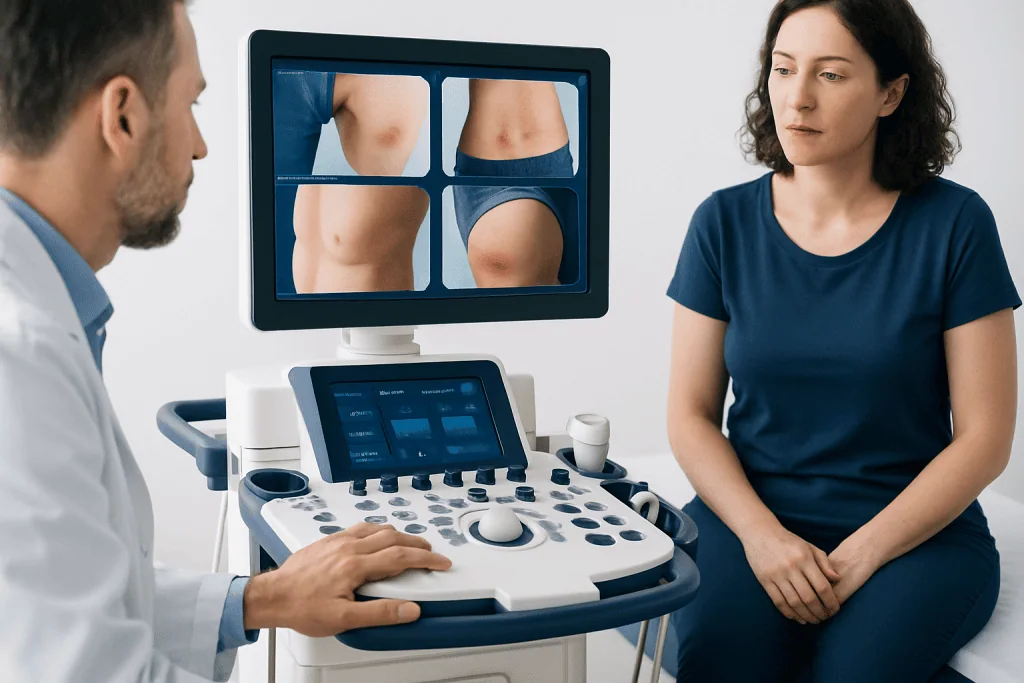
Tests are not always needed, but they may be used in selected cases. A swab or culture can help if a secondary infection is suspected. Blood tests may be considered before certain medicines, to assess inflammation, or to screen for associated conditions. Ultrasound of the skin can sometimes help map deeper tunnels before procedures or surgery.
HS is often diagnosed after years of recurring symptoms, partly because it resembles more common skin problems. Seeking care early is valuable, especially when lumps return in the same areas, leave scars, or cause drainage. A clear diagnosis helps patients avoid repeated short courses of treatment that do not address the chronic nature of the disease.
Treatment Options
Treatment for hidradenitis suppurativa is personalized. The goals are to reduce inflammation, relieve pain, shorten flares, prevent new lesions, reduce drainage and odor, and limit scarring. The best plan depends on severity, location, previous response to treatment, other health conditions, and patient preferences.
For mild HS, doctors may recommend topical treatments, antiseptic washes, warm compresses, and careful management of friction. Injectable corticosteroids may be used for selected painful nodules. Oral antibiotics can be prescribed for their anti-inflammatory effects as well as for bacterial involvement when appropriate. Hormonal treatments may be considered in some patients, especially when flares appear linked to menstrual cycles or signs of androgen sensitivity.
For moderate to severe HS, systemic therapies may be needed. These may include longer courses of anti-inflammatory antibiotics, biologic medicines that target specific immune pathways, or other immune-modulating treatments under specialist supervision. Biologic therapy requires careful screening and follow-up, but it can be an important option for people with persistent inflammatory disease.
Procedures may be helpful when lesions are recurrent, deep, or scarred. Incision and drainage can relieve a very painful abscess, but it may not prevent recurrence. Other approaches, such as deroofing, laser treatment, removal of sinus tracts, or wider surgical excision, may offer longer-lasting control in selected areas. Many patients benefit from a combined approach that includes medical therapy, wound care, pain management, and, when needed, surgical expertise.
Prevention and Self-Care
Self-care cannot always prevent HS flares, but it can reduce irritation and support healing. Gentle skin care is important. Patients are usually advised to avoid squeezing or cutting lesions at home, as this can worsen inflammation, increase pain, and raise the risk of infection. Warm compresses may ease discomfort and encourage natural drainage when a lesion is close to the surface.
Reducing friction and moisture can help many people feel more comfortable. Loose, breathable clothing and soft underwear may be preferable to tight seams or rough fabrics. Some patients benefit from absorbent dressings to manage drainage and protect clothing. A healthcare professional can recommend wound dressings that are suitable for sensitive skin and draining lesions.
Practical self-care measures may include:
- Using mild, non-irritating cleansers and avoiding harsh scrubbing
- Choosing fragrance-free products if the skin is sensitive
- Keeping affected areas as dry and cool as possible
- Avoiding shaving over active lesions; discussing safer hair-removal options with a dermatologist
- Stopping smoking with professional support if the patient smokes
- Discussing weight management support if body weight contributes to friction or flares
Emotional support is also part of care. HS can be painful, unpredictable, and difficult to talk about because it often affects private areas. Patients may find it helpful to discuss pain, mood, sexual health, work limitations, or social concerns with their doctor. Treating HS well means caring for the whole person, not only the visible skin lesions.
Living With HS and Long-Term Follow-Up
Because hidradenitis suppurativa is usually chronic, long-term follow-up is important even when symptoms improve. The treatment plan may need adjustment over time as flare patterns change, new areas appear, or medications become more or less effective. Regular review also helps monitor side effects and screen for associated conditions when appropriate.
Patients can support their care by keeping a simple symptom diary. Noting flare locations, timing, pain level, drainage, menstrual cycle changes, stress, clothing friction, smoking changes, and treatments used can help the dermatologist identify patterns. Photographs may also be useful, if the patient feels comfortable taking them, especially when flares improve before an appointment.
Long-term care may involve several professionals, including dermatologists, surgeons, wound-care nurses, pain specialists, nutrition professionals, mental health clinicians, and primary care doctors. Coordinated care is especially helpful for moderate to severe HS, disease in sensitive areas, or symptoms that interfere with daily life.
For international patients seeking evaluation, Acibadem International provides access to multidisciplinary specialists and JCI-accredited hospitals that diagnose and treat dermatologic conditions, including hidradenitis suppurativa. Treatment decisions should always be made after an individual medical assessment and discussion of risks, benefits, and alternatives.
When to See a Doctor
A person should consider seeing a dermatologist if painful lumps, boils, or abscesses keep returning in the armpits, groin, buttocks, under the breasts, or other skin-fold areas. Medical care is also recommended if lesions leave scars, drain repeatedly, smell unpleasant, limit movement, or cause significant pain or emotional distress.
Prompt medical advice is important if there are signs of a spreading skin infection, such as rapidly increasing redness, warmth, swelling, fever, or feeling generally unwell. People taking immune-suppressing medicines or those with diabetes or other conditions that affect healing should seek guidance early when skin infections are suspected.
Patients already diagnosed with HS should contact their doctor if flares become more frequent, treatment stops working, a new area becomes involved, or wound care becomes difficult. Early adjustment of therapy may prevent symptoms from becoming more disruptive. With the right diagnosis and a steady care plan, many people with HS can achieve better control and improved quality of life.
Frequently asked questions
Is hidradenitis suppurativa contagious?
No. Hidradenitis suppurativa is not contagious and cannot be spread through touch, shared towels, sexual contact, or close personal contact. It is an inflammatory skin condition related to hair follicles and immune activity.
Is HS caused by poor hygiene?
No. HS is not caused by being unclean, and harsh scrubbing can actually irritate the skin. Gentle cleansing and appropriate wound care may help comfort and healing, but the condition itself requires medical management when symptoms are recurrent or severe.
Can hidradenitis suppurativa be cured?
There is currently no guaranteed cure for HS, but many treatments can reduce flares, pain, drainage, and scarring. Some people have long periods of good control with the right combination of medical care, procedures, and self-care.
What should a person do during a painful flare?
Warm compresses, loose clothing, and avoiding pressure or squeezing may help reduce discomfort. A doctor should be contacted if pain is severe, the lesion is enlarging, there is fever, or flares are frequent. Prescription treatments may be needed to calm inflammation or treat infection if present.
Does diet affect hidradenitis suppurativa?
Diet affects people differently, and there is no single HS diet proven to work for everyone. Some patients report improvement after identifying personal triggers or making changes that support overall health. Any major dietary change should be discussed with a healthcare professional, especially for people with diabetes, digestive disease, or nutritional concerns.
When is surgery considered for HS?
Surgery or office-based procedures may be considered when there are persistent nodules, recurrent abscesses, sinus tracts, or scarred areas that do not respond well to medicines alone. The type of procedure depends on the location and extent of disease. Dermatologists and surgeons often work together to choose the most suitable approach.
References
- American Academy of Dermatology Association
- British Association of Dermatologists
- European Dermatology Forum
- National Institute of Arthritis and Musculoskeletal and Skin Diseases
- Mayo Clinic
This article is for general information only and is not a substitute for professional medical advice. Please consult a qualified doctor about your individual situation.
Hair transplant in Turkey — costs, graft counts & a free assessment
JCI-accredited · board-certified surgeons · reply within 24h
Add us as a Preferred Source to see more of our trusted health content across Google Search, AI Overviews and Discover.

Related Treatments
Related Conditions
More from the Health Library


Related Specialists

Prof. Dr. Sedef Şahin
Dermatology
Prof. Dr. Şükrü Yazar
Aesthetic Plastic & Reconstructive Surgery
Prof. Dr. Emel Öztürk Durmaz
Dermatology
Prof. Dr. Özlem Dicle
Dermatology