

How Much Does Liposuction Cost?

Liposuction cost is influenced by many factors, not just the size of the treatment area. The surgeon’s experience, anesthesia, facility fees, and location all affect the final quote.
Key Takeaways
- Liposuction cost is influenced by many factors, not just the size of the treatment area.
- The surgeon’s experience, anesthesia, facility fees, and location all affect the final quote.
- A lower advertised price may not include garments, tests, medications, or follow-up care.
- Liposuction is a body-contouring procedure, not a weight-loss treatment.
- Choosing safety, qualifications, and clear communication is more important than choosing the lowest cost.
Liposuction cost varies from person to person because the final price depends on the treatment area, surgical plan, facility, anesthesia, and recovery needs. A safe, realistic estimate comes from an in-person consultation with a qualified plastic surgeon rather than from a single advertised number.
Overview: Why Liposuction Cost Varies
Liposuction is a cosmetic procedure designed to remove localized fat deposits and improve body contours. It is commonly used in areas such as the abdomen, flanks, thighs, arms, back, or under the chin. Because every treatment plan is individualized, liposuction cost can vary widely even between patients who want the same body area treated.
Many people begin by searching for a single price, but there is rarely one universal answer. The total cost usually reflects several elements working together, including the size and number of areas treated, the surgical technique, whether general or local anesthesia is used, the surgeon’s qualifications, and the type of hospital or clinic where the procedure takes place.
It is also important to understand that liposuction is not primarily a treatment for obesity. Instead, it is a contouring procedure for patients who are close to a stable, healthy weight but have fat pockets that do not respond well to diet and exercise. In some cases, a surgeon may discuss alternatives or complementary options such as non-surgical fat reduction, body contouring procedures, or classic liposuction depending on the person’s goals and anatomy.
What Is Usually Included in Liposuction Cost?
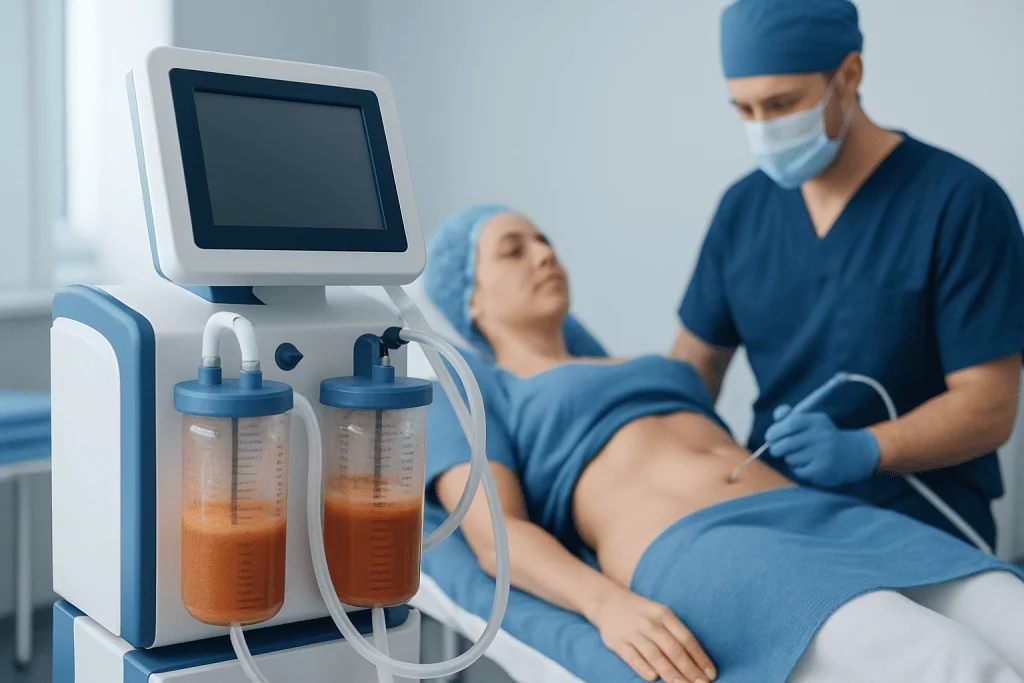
When a clinic provides a liposuction quote, the number may include more than the procedure itself. In many cases, the overall fee combines the surgeon’s professional fee, anesthesia charges, operating room or hospital costs, pre-operative assessment, compression garments, routine follow-up visits, and basic post-procedure medications. However, not every center includes the same items, so patients should always ask for a clear cost breakdown.
Some advertised prices reflect only the surgeon’s fee and do not include facility or anesthesia charges. Others may present a package price that covers several related services. This is one reason comparisons can be confusing: two prices may look different simply because one is more complete than the other.
It is helpful for patients to ask whether the quote includes:
- Initial consultation or pre-operative planning
- Laboratory tests or medical clearance
- Anesthesia and anesthesiologist fees
- Hospital or surgical facility charges
- Compression garments
- Follow-up appointments
- Prescription medications
- Revision policy, if further contour refinement is needed
Understanding what is included helps prevent unexpected costs later. A transparent discussion before surgery is an important part of informed decision-making.
Main Factors That Affect the Price

The size and number of treatment areas are among the biggest cost factors. Treating a small area, such as the chin or upper arms, may require less operative time than treating the abdomen, flanks, back, and thighs in one session. In general, more extensive treatment means more time in surgery, more resources, and a higher overall fee.
The surgical technique also matters. Traditional suction-assisted methods, power-assisted liposuction, ultrasound-assisted techniques, or fat processing for transfer may differ in complexity and equipment needs. For example, if liposuction is combined with reshaping elsewhere using the patient’s own fat, this may increase the cost because it adds preparation time and technical steps, such as in fat transfer procedures.
Another major factor is the surgeon’s training and experience. A board-certified or equivalently qualified plastic surgeon with substantial expertise in aesthetic body contouring may charge more than a less experienced provider. While cost is important, safety standards, surgical judgment, and complication management are often more important considerations than price alone.
Geographic location and facility type can also influence the quote. Fees may differ between countries, cities, private clinics, and full-service hospitals. A procedure performed in a well-equipped accredited hospital may cost more, but it can also offer additional safety measures, especially if multiple areas are treated or if the patient has other health considerations.
Can Combining Procedures Change the Cost?
Yes. Liposuction is sometimes performed on its own, but in other cases it is combined with another body procedure. For example, a person who has loose skin after significant weight loss may need more than fat removal alone, and a surgeon may discuss options such as arm lift surgery or post-weight-loss contouring. Combining procedures can increase the total price because the operation becomes longer and more complex.
At the same time, combining procedures may sometimes reduce certain duplicated expenses compared with staging everything separately. For example, there may be only one anesthesia session, one facility booking, and one recovery period. Whether this is appropriate depends on the patient’s health, goals, and how much surgery can be done safely in one session.
Liposuction may also be part of treatment planning for selected contour concerns related to conditions such as gynecomastia, although cost and approach depend on whether glandular tissue removal, skin tightening, or other techniques are also needed. A thorough consultation helps determine whether liposuction alone will achieve the desired outcome or whether a different or combined operation would be more suitable.
Why the Cheapest Option Is Not Always the Best Value
It is natural to compare prices, but the lowest quote does not always represent the best value. A very low price may reflect limited aftercare, less experienced providers, minimal pre-operative assessment, or a setting with fewer safety resources. Cosmetic surgery should be approached as a medical procedure first, not only as a purchase.
Patients benefit from asking about the surgeon’s qualifications, how often the procedure is performed, where the surgery will take place, who will provide anesthesia, and what support is available during recovery. Clear communication, a realistic discussion of expected results, and attention to safety are essential parts of high-quality care.
It is also wise to be cautious about marketing language that promises dramatic results for a fixed low fee. Liposuction outcomes depend on skin quality, body shape, general health, and healing patterns. A careful surgeon will explain both the possibilities and the limitations rather than offering guarantees.
In some cases, lower upfront cost may lead to higher long-term expense if revision treatment becomes necessary. Choosing an experienced team and a proper medical setting can help reduce avoidable problems and support a smoother recovery.
How to Get an Accurate Liposuction Quote
The best way to estimate liposuction cost is through a formal consultation with a qualified plastic surgeon. During this visit, the surgeon usually reviews the person’s goals, examines the treatment area, discusses medical history, and evaluates skin elasticity, fat distribution, and whether liposuction alone is likely to meet expectations.
Patients can prepare by making a list of the areas they want treated and by asking practical questions about total cost, what is included, how recovery may affect time away from work, and what kind of support will be needed at home. Photos or online price lists can be useful starting points, but they cannot replace an individualized assessment.
Questions to ask during consultation may include:
- Am I a good candidate for liposuction?
- Which areas can be treated safely in one session?
- What costs are included in the quote?
- Will I need lab tests, compression garments, or medicines in addition to the quoted price?
- What is the expected recovery time?
- If I need a revision, how is that handled?
For international patients, travel-related costs should also be considered. These may include flights, accommodation, local transport, companion support, and the possibility of staying longer than planned for follow-up. Near the end of the planning process, some patients choose centers such as Acibadem International, where multidisciplinary specialists and JCI-accredited hospitals diagnose and treat aesthetic concerns for international patients.
Recovery, Results, and Ongoing Costs to Consider
Recovery is an important part of the overall cost picture. Even when the procedure itself is straightforward, patients may need time off work, help at home for the first few days, and transportation after surgery. Compression garments are commonly recommended, and some people may need more than one garment during the healing period.
Swelling and bruising are common after liposuction and usually improve gradually. Final contour results are not immediate and often take time to settle as the tissues heal. Follow-up visits are important so the surgical team can monitor progress and address any concerns early.
Patients should also think about long-term maintenance. Liposuction removes fat cells from treated areas, but remaining fat cells can still enlarge if body weight increases significantly. For this reason, lasting satisfaction often depends on maintaining stable habits such as balanced nutrition, regular physical activity, and realistic expectations about body shape.
Occasionally, further contour adjustment may be discussed if healing reveals asymmetry or if a person decides to treat another area later. Not everyone needs additional treatment, but it is useful to ask ahead of time how future procedures are priced and whether aftercare is included.
When to Speak With a Doctor
A consultation with a plastic surgeon is appropriate whenever a person is considering liposuction and wants a reliable idea of cost, candidacy, and expected results. Medical evaluation is especially important for people with chronic conditions, a history of clotting problems, prior surgery in the same area, or concerns about healing and scarring, including conditions such as keloid scars.
Patients should seek medical advice promptly if they experience significant swelling, severe pain, fever, shortness of breath, unusual drainage, or other concerning symptoms after a procedure. While most people recover without major problems, early communication with the care team is the safest approach.
Anyone comparing providers should feel comfortable asking detailed questions and taking time before making a decision. A qualified doctor can explain whether liposuction is suitable, what alternatives exist, what the full cost is likely to be, and how to prepare safely for surgery and recovery.
Frequently asked questions
How much does liposuction cost on average?
There is no single universal average because liposuction cost varies by country, clinic, surgeon, treatment area, and technique. The most accurate figure comes from a personalized consultation and a written quote that explains exactly what is included.
Why do liposuction prices differ so much between clinics?
Prices differ because clinics may include different items in the quote, such as anesthesia, hospital fees, garments, and follow-up care. Cost can also reflect the surgeon’s experience, the complexity of the treatment plan, and the safety standards of the facility.
Is liposuction covered by insurance?
In most cases, liposuction performed for cosmetic body contouring is not covered by health insurance. If a procedure is being done for a specific medical reason, coverage rules may differ, so it is best to check directly with the insurer and treating doctor.
Does treating more than one area at the same time cost less?
Treating multiple areas in one session often increases the total price because surgery takes longer and may be more complex. However, some combined costs, such as facility use or anesthesia, may be shared, so the overall expense may be more efficient than scheduling separate procedures.
Are there extra costs after liposuction?
Yes, there can be additional expenses such as compression garments, prescription medicines, medical tests, transport, and time away from work. International patients should also plan for travel, accommodation, and possible extra recovery days before returning home.
Is the cheapest liposuction option safe to choose?
A low price alone should not guide the decision. It is safer to focus on the surgeon’s qualifications, the quality of the facility, anesthesia support, and whether the quote clearly includes proper aftercare and follow-up.
References
- American Society of Plastic Surgeons
- International Society of Aesthetic Plastic Surgery
- National Health Service
- Mayo Clinic
- U.S. Food and Drug Administration
This article is for general information only and is not a substitute for professional medical advice. Please consult a qualified doctor about your individual situation.
Explore treatments in Turkey — costs, top hospitals & a free quote
JCI-accredited · board-certified surgeons · reply within 24h
Add us as a Preferred Source to see more of our trusted health content across Google Search, AI Overviews and Discover.

Related Treatments
Related Conditions
More from the Health Library



Related Specialists

Assoc. Prof. Dr. Erdem Güven (m)
Aesthetic Plastic & Reconstructive Surgery
Prof. Dr. Şükrü Yazar
Aesthetic Plastic & Reconstructive Surgery
Prof. Dr. Hakan Ağır
Aesthetic Plastic & Reconstructive Surgery
Prof. Dr. Bülent Saçak
Aesthetic Plastic & Reconstructive Surgery