

How to Choose Between Breast Augmentation and Breast Fat Transfer

Breast augmentation with implants usually provides a larger and more predictable increase in size. Breast fat transfer offers a modest increase using the person’s own fat and can feel very natural.
Key Takeaways
- Breast augmentation with implants usually provides a larger and more predictable increase in size.
- Breast fat transfer offers a modest increase using the person’s own fat and can feel very natural.
- Body shape matters because fat transfer requires enough donor fat to harvest safely.
- Recovery, scarring, long-term maintenance, and future imaging should all be discussed before surgery.
- A consultation with a qualified plastic surgeon helps match the procedure to personal goals and anatomy.
Choosing between breast augmentation and breast fat transfer depends on a person’s goals, anatomy, preferred feel, and tolerance for scars, implants, and recovery. Both procedures can improve breast shape and volume, but they do so in different ways and suit different expectations.
Overview: understanding the two options
When comparing breast augmentation vs fat transfer, the main difference is how volume is added to the breasts. Breast augmentation usually uses implants placed under or over the chest muscle to create more fullness and a clearer size increase. Breast fat transfer uses liposuction to remove fat from another area of the body, then purifies and injects that fat into the breasts.
Both approaches can improve breast contour, symmetry, and overall body proportions. However, they are not interchangeable for every patient. Implants are generally better for people who want a more noticeable size change, while fat transfer may suit those who prefer a subtler enhancement and want to avoid implants.
It can be helpful to think of the decision in terms of goals rather than trends. Someone seeking upper-pole fullness, a defined increase in cup size, or correction of more obvious asymmetry may lean toward breast augmentation. Someone who wants a softer, modest enhancement and has enough extra body fat may be a better candidate for breast fat transfer.
In some cases, the best plan may also involve combining procedures, such as reshaping the breast with a breast lift if there is sagging. A surgeon evaluates skin quality, breast tissue, chest shape, and overall health before recommending the most suitable option.
Who may be a good candidate for each procedure
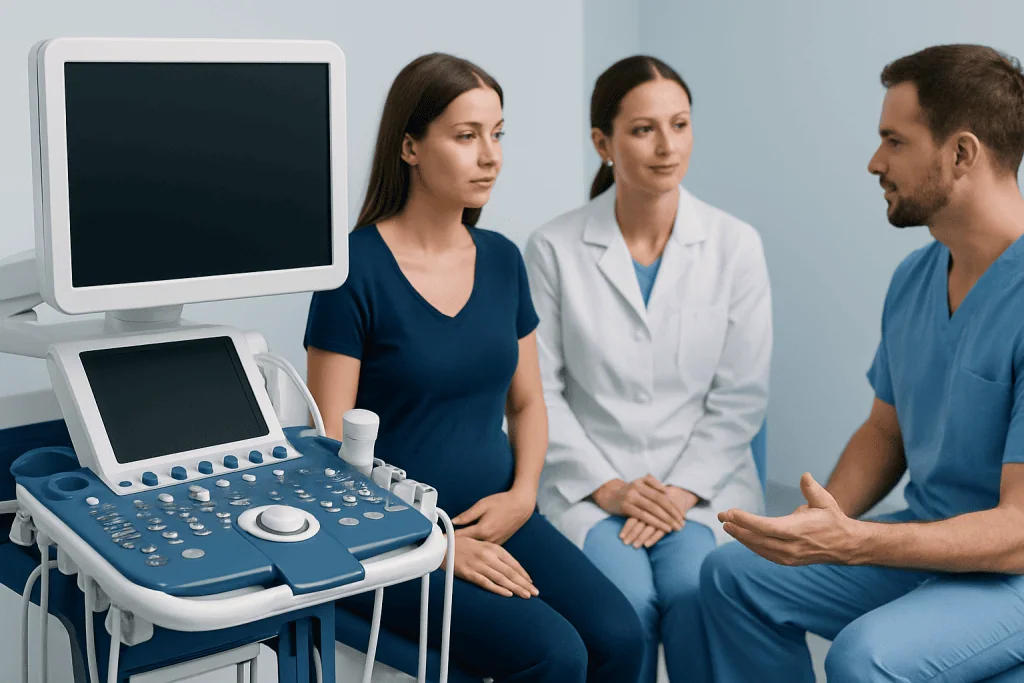
Breast implants may be a good choice for adults who want a clearer increase in volume, more predictable size planning, or restoration of fullness after pregnancy or weight loss. They may also help when breast tissue is naturally limited and the person does not have enough donor fat for transfer. Implant-based surgery can address asymmetry more precisely in many cases.
Fat transfer may suit people who want a smaller increase in size, often around a subtle to moderate enhancement rather than a dramatic change. It may appeal to those who prefer to use their own tissue instead of an implant. Because the procedure includes liposuction, it may also be attractive to people who want contouring in areas such as the abdomen, flanks, or thighs.
Not everyone is a candidate for both. A very lean person may not have enough donor fat for transfer, while someone with certain breast conditions, unrealistic expectations, or health risks may need further evaluation before any cosmetic breast procedure. Smoking, poor wound healing, and uncontrolled medical problems can affect safety and results.
People with significant sagging may need a lift in addition to volume enhancement. Others may be seeking revision after earlier surgery, such as implant replacement or breast prosthesis removal. A detailed consultation helps clarify whether one procedure, or a combined approach, is most appropriate.
Results: size, shape, feel, and predictability

One of the biggest differences in breast augmentation vs fat transfer is the degree of enlargement that can usually be achieved. Implants offer the most reliable way to increase breast size by a greater amount. The volume selected before surgery is more predictable, so patients often find it easier to match the result to a specific aesthetic goal.
Fat transfer usually creates a more modest size increase. Some of the transferred fat will naturally be reabsorbed by the body, so final volume is less exact than implant surgery. A surgeon may slightly overfill the area to account for this, but the body ultimately determines how much of the fat survives long term. Some patients choose a second session if they want more fullness.
In terms of feel, both methods can look and feel natural when carefully planned. Fat transfer often has the advantage of using living tissue from the person’s own body, which can create soft contours. Modern implants can also produce natural-looking results, especially when the implant size and shape are chosen in balance with the chest and existing breast tissue.
Shape goals also matter. Implants are generally better for adding fullness to the upper breast and creating a rounder or more projected appearance. Fat transfer may be especially useful for smoothing mild contour irregularities or refining shape as part of broader breast aesthetic surgery. The most satisfying result usually comes from choosing the technique that matches what the patient actually wants to see in the mirror.
Procedure differences, scars, and recovery
Implant-based augmentation and fat transfer differ in how surgery is performed. With implants, the surgeon makes incisions, creates a pocket, and places the implant in the planned position. Incisions may be placed in discreet areas, but they do leave scars. With fat transfer, small liposuction incisions are used to remove fat, and tiny entry points are used for injection into the breasts.
Recovery also feels different because fat transfer involves two treatment areas: the breasts and the donor sites. Patients may have soreness, swelling, and bruising where liposuction was performed. Implant surgery may involve more chest tightness at first, especially if the implant is placed under the muscle. In both cases, most people need a period of reduced activity and careful follow-up.
Scarring is usually limited with both procedures, but the pattern differs. Implant surgery tends to leave one or more short but definite breast scars, while fat transfer leaves smaller scars from liposuction and injection access points. Good scar care, sun protection, and time all help scars mature. People prone to thick scars should mention any personal or family history of keloid scars during consultation.
Healing timelines vary by person and procedure. Swelling can make early results look higher, firmer, or less settled than the final appearance. Surgeons usually advise avoiding strenuous exercise for a period and wearing recommended support garments. Following instructions closely supports healing and helps protect the result.
Safety, risks, and long-term considerations
All surgery carries some risk, so choosing between these options should include an honest discussion about safety. General surgical risks may include bleeding, infection, anesthesia-related complications, delayed healing, and asymmetry. These risks are reduced by careful screening, good surgical technique, and appropriate aftercare, but they cannot be removed completely.
Implants have specific long-term considerations. These may include capsular contracture, implant rupture, visible rippling in some body types, changes in sensation, or the need for future revision surgery. Implants are not considered lifetime devices, so many patients should expect ongoing monitoring and the possibility of another procedure later in life.
Fat transfer has its own limitations and risks. Not all transferred fat survives, and some reabsorption is expected. Small lumps, oil cysts, calcifications, or unevenness can sometimes occur. Experienced surgeons use careful injection methods to support fat survival and reduce complications, but outcomes remain less predictable than implant volume.
Breast imaging and future breast health should also be part of preoperative planning. Patients should tell their surgeon and radiology team about any past breast surgery. Cosmetic surgery does not replace routine breast health care, and anyone with a new lump, skin change, or concerning symptom needs proper medical assessment. People considering surgery because of reconstruction needs after illness may require a different pathway, such as breast reconstruction.
How lifestyle, body shape, and future plans affect the decision
Daily habits and long-term plans can influence which procedure fits best. Weight stability is important for both methods, but especially for fat transfer, because major weight change may affect the size and shape of the transferred fat. Pregnancy, breastfeeding, and natural aging can also change the breasts over time, regardless of the procedure chosen.
Body shape plays a practical role. Fat transfer depends on having enough donor fat available, usually from the abdomen, flanks, thighs, or other areas. Very slim people may simply not have enough fat for the amount of breast enhancement they want. By contrast, implants can create volume even in a lean frame, although tissue thickness affects how natural the implant edges feel and look.
Sports, work, and personal comfort matter too. Some patients prefer to avoid implants because they do not want a device in the body or anticipate future replacement. Others prefer implants because they want a more dependable result in a single operation. There is no universally better option; the better option is the one that safely aligns with the person’s priorities.
People who have had previous chest or breast procedures, significant asymmetry, or developmental concerns may need more tailored planning. For example, different surgical strategies are used for conditions such as gynecomastia in men, even though the broader specialty is similar. A plastic surgeon can explain how anatomy, skin elasticity, and existing breast tissue influence the likely outcome.
Questions to ask at the consultation
A consultation is the best time to turn general information into a personalized plan. Patients can bring photos that show the type of result they prefer, but they should also be open to professional guidance. Surgeons assess what is realistic based on chest width, skin quality, breast position, and overall body proportions.
Useful questions include whether the desired size is achievable with fat transfer alone, what type and placement of implant is being considered, how scars are expected to heal, and what the likely recovery timeline will be. It is also reasonable to ask about the surgeon’s experience, how complications are handled, and whether revision surgery may be needed in the future.
Patients may also want to ask how future pregnancy, breastfeeding, or weight change could affect the result. Those considering fat transfer can ask where donor fat would be taken from and how much of the transferred fat usually remains. Those considering implants can ask about follow-up imaging and signs that would require reassessment later on.
Near the end of the decision process, some people benefit from a second opinion, especially if they are uncertain or have complex anatomy. Acibadem International’s multidisciplinary specialists in JCI-accredited hospitals diagnose and treat cosmetic and reconstructive breast concerns for international patients, including evaluation for procedures such as aesthetic breast surgery.
When to seek medical advice before or after surgery
Anyone thinking about breast enhancement should consult a qualified plastic surgeon rather than relying only on photos, social media, or anecdotal advice. A medical review is especially important for people with a personal history of breast disease, prior breast surgery, significant asymmetry, or concerns about healing. Preoperative evaluation helps identify whether surgery is appropriate and how risks can be reduced.
After surgery, patients should contact their care team if they develop increasing pain, fever, marked swelling, spreading redness, unusual drainage, breathing difficulty, or one breast suddenly changing shape. These symptoms do not always mean a serious problem, but they should be assessed promptly. Early communication often allows concerns to be managed more effectively.
It is also sensible to seek medical advice if results do not settle as expected, if a new lump is felt, or if there are changes in breast sensation or firmness over time. Long-term follow-up is part of responsible breast surgery care, especially for implants. Regular routine health checks and age-appropriate breast screening should continue as recommended by a doctor.
For many people, the right choice comes down to balancing goals, anatomy, and comfort with each method’s trade-offs. A thoughtful consultation can clarify whether breast augmentation or fat transfer is the safer and more satisfying path for that individual.
Frequently asked questions
Which gives a bigger size increase: implants or fat transfer?
Breast implants usually provide a larger and more predictable increase in size. Fat transfer is generally better for a subtle to moderate enhancement rather than a dramatic change.
Does breast fat transfer feel more natural than implants?
Fat transfer often feels very natural because it uses the person’s own tissue. However, modern implants can also look and feel natural when they are chosen carefully for the patient’s anatomy.
Can a very slim person have breast fat transfer?
Sometimes, but it depends on whether there is enough donor fat to harvest safely. Very slim patients may be better candidates for implants if they want more noticeable volume.
Do breast implants need to be replaced?
Implants are not considered lifetime devices, so some patients will need replacement or revision in the future. The exact timing varies and depends on the implant, the body’s response, and whether symptoms or changes develop.
Will fat transfer results last?
The fat that successfully establishes a blood supply can remain long term. Some of the transferred fat is normally reabsorbed during healing, which is why the final result may be less predictable than implants.
Can breast augmentation or fat transfer affect mammograms?
Any prior breast surgery should be reported to the radiology team because it can influence how images are interpreted. Routine breast screening should still continue, and the imaging team can use appropriate techniques based on the surgery performed.
References
- American Society of Plastic Surgeons
- International Society of Aesthetic Plastic Surgery
- U.S. Food and Drug Administration
- National Health Service
- American College of Radiology
This article is for general information only and is not a substitute for professional medical advice. Please consult a qualified doctor about your individual situation.
Breast Fat Transfer in Turkey — costs, top hospitals & a free quote
JCI-accredited · board-certified surgeons · reply within 24h
Add us as a Preferred Source to see more of our trusted health content across Google Search, AI Overviews and Discover.
Check your numbers in seconds
BMI, calories, due date, blood pressure and 30+ more clinical calculators — free, instant, doctor-reviewed ranges.

Plastic, Reconstructive & Aesthetic Surgery
Reconstructive and aesthetic procedures for the face and body, performed by experienced surgeons.
35 specialists in this unitRelated Treatments
Related Conditions
More from the Health Library

Related Specialists
Assoc. Prof. Dr. Erdem Güven (m)
Aesthetic Plastic & Reconstructive Surgery
Prof. Dr. Şükrü Yazar
Aesthetic Plastic & Reconstructive Surgery
Prof. Dr. Hakan Ağır
Aesthetic Plastic & Reconstructive Surgery
Prof. Dr. Bülent Saçak
Aesthetic Plastic & Reconstructive Surgery