Hysteroscopy Before IVF: Uterine Cavity Checks and Treatment Decisions

Hysteroscopy uses a thin camera to examine the inside of the uterus before IVF or embryo transfer. It may identify and sometimes treat polyps, adhesions, a uterine septum or fibroids that distort the cavity.
Key Takeaways
- Hysteroscopy uses a thin camera to examine the inside of the uterus before IVF or embryo transfer.
- It may identify and sometimes treat polyps, adhesions, a uterine septum or fibroids that distort the cavity.
- Not every patient needs hysteroscopy before IVF; the decision depends on medical history, symptoms and prior test results.
- Most diagnostic hysteroscopies are brief procedures, and recovery is usually quick with mild cramping or spotting.
- Treatment decisions should be individualized by a fertility specialist, especially after recurrent implantation failure or miscarriage.
Hysteroscopy before IVF is a procedure that allows a fertility specialist to look directly inside the uterus and, when needed, treat findings that may affect implantation. It is not required for every patient, but it can be valuable when ultrasound findings, symptoms or previous IVF outcomes suggest a possible uterine cavity problem.
Overview
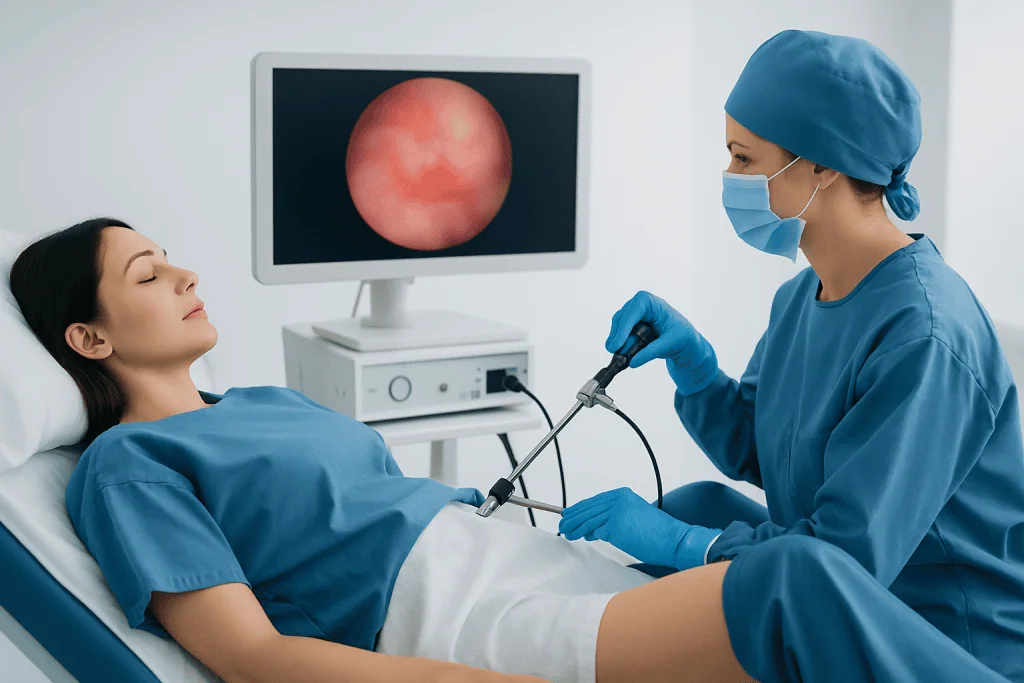
Hysteroscopy before IVF is a uterine cavity check performed with a very thin telescope-like instrument called a hysteroscope. The doctor gently passes the hysteroscope through the vagina and cervix into the uterus, allowing direct visualization of the endometrial cavity, where an embryo is expected to implant. This differs from an ultrasound because the doctor can inspect the cavity from inside rather than viewing it indirectly through images.
In fertility care, hysteroscopy may be used for diagnosis, treatment or both. A diagnostic hysteroscopy is done to look for abnormalities such as polyps, adhesions, a uterine septum or fibroids that bulge into the cavity. An operative hysteroscopy can treat some of these findings during the same procedure or at a planned later time.
The goal is not to add unnecessary procedures before IVF treatment, but to make the uterine environment as suitable as possible when there is a reason to suspect a cavity issue. For many patients, a careful ultrasound or saline infusion test is enough. For others, hysteroscopy provides the clarity needed to make confident treatment decisions before embryo transfer.
Why the Uterine Cavity Matters in IVF
Successful IVF depends on several factors, including embryo quality, endometrial receptivity, hormone balance and the structure of the uterus. Even when embryos are healthy, implantation requires a receptive endometrial lining and a cavity that allows the embryo to attach and develop normally. Small abnormalities may not always cause symptoms, which is why evaluation can be important in selected patients.
Some uterine findings are incidental and may not affect the chance of pregnancy. Others can interfere with implantation by changing the shape of the cavity, causing local inflammation or reducing the area of healthy lining. Polyps, submucosal fibroids, scar tissue and congenital shape differences are examples of findings that a fertility specialist may investigate before deciding whether to proceed with transfer.
Hysteroscopy is one of several tools used in the evaluation of female infertility. It is often considered alongside transvaginal ultrasound, hormone testing, semen analysis, ovarian reserve assessment and review of previous treatment cycles. The best approach is individualized, because the same finding may have different significance depending on its size, location, symptoms and the patient’s reproductive history.
Who May Benefit from Hysteroscopy Before IVF
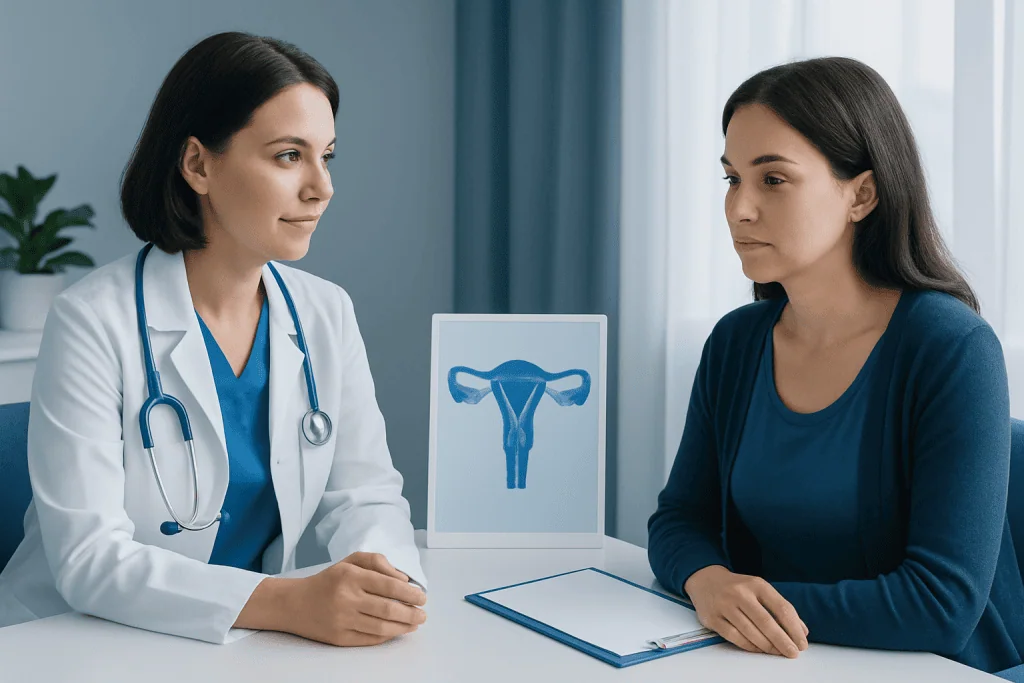
Routine hysteroscopy for every person before a first IVF cycle is not universally recommended. Many fertility specialists reserve it for patients with symptoms, abnormal imaging or a history suggesting a higher chance of uterine cavity abnormalities. This helps balance the potential benefit of detecting and treating a problem against the need to avoid procedures that may not change management.
Hysteroscopy may be considered when there is abnormal uterine bleeding, repeated miscarriages, suspected polyps or fibroids on ultrasound, a possible uterine septum, a history of uterine surgery, previous infection, or difficulty after procedures involving the uterine cavity. It may also be discussed after recurrent implantation failure, especially when embryo quality and transfer technique appear satisfactory.
Common reasons a doctor may recommend hysteroscopy before IVF include:
- Unclear or suspicious findings on ultrasound or saline sonography
- Previous failed embryo transfers without an obvious explanation
- Recurrent pregnancy loss
- Known fibroids, polyps or adhesions affecting the uterine cavity
- History of curettage, cesarean section, uterine surgery or pelvic infection
- Bleeding between periods or unusually heavy menstrual bleeding
How the Procedure Is Performed
Hysteroscopy is usually scheduled when the uterine lining is thin, often after menstruation and before ovulation, although timing can vary in fertility treatment cycles. A pregnancy test may be required before the procedure. The doctor may advise avoiding intercourse or using contraception in the cycle of the procedure if pregnancy is possible.
During hysteroscopy, the patient lies in a gynecologic examination position. The hysteroscope is gently introduced through the cervix, and sterile fluid is used to expand the uterine cavity so the walls can be seen clearly. The doctor examines the opening of the fallopian tubes, the shape of the cavity and the surface of the endometrium.
Diagnostic hysteroscopy may be performed in an outpatient setting, sometimes with local anesthesia or mild pain relief. Operative hysteroscopy, such as removal of a polyp or division of adhesions, may require sedation or general anesthesia depending on the complexity of the procedure and the patient’s preference. The medical team explains the expected steps, anesthesia plan and aftercare before treatment.
Possible Findings and What They Mean
A normal hysteroscopy can be reassuring because it confirms that the cavity appears suitable for embryo transfer. In that situation, the fertility team may proceed with IVF planning without additional uterine treatment. When an abnormality is found, the next decision is whether it is likely to affect implantation, pregnancy or miscarriage risk.
Endometrial polyps are localized overgrowths of the uterine lining. Some are small and may be asymptomatic, while others are associated with irregular bleeding or infertility. If a polyp is located where an embryo may implant, removal is often considered before embryo transfer.
Submucosal fibroids are benign muscle growths that project into the uterine cavity. Fibroids that distort the cavity are more likely to affect fertility than fibroids located entirely within the uterine wall or outside the uterus. Hysteroscopy can help confirm the degree of cavity distortion and, in selected cases, remove the portion of the fibroid inside the cavity.
Other findings include intrauterine adhesions, also called scar tissue, and uterine septum, a congenital partition that changes the shape of the cavity. Adhesions may follow uterine procedures, infection or pregnancy-related complications. A septum may be associated with pregnancy loss in some patients, and hysteroscopic correction may be discussed when the diagnosis is clear and clinically relevant.
Treatment Decisions Before Embryo Transfer
The main decision after hysteroscopy is whether to proceed directly to embryo transfer or treat a finding first. This decision depends on the type of abnormality, its size, location, symptoms, prior fertility history and the urgency of treatment. In some cases, a small finding may be monitored; in others, correcting the uterine cavity is considered part of preparing for transfer.
Operative hysteroscopy can often remove polyps, cut scar tissue or resect a small septum using fine instruments passed through the hysteroscope. After more complex surgery, the doctor may recommend a short healing period before embryo transfer. Follow-up imaging or a repeat hysteroscopy may be considered if adhesions were extensive or if healing needs to be confirmed.
Hysteroscopy should be integrated with the broader fertility plan. For example, embryo creation, genetic testing decisions, ovarian stimulation, frozen embryo transfer timing and male factor evaluation all influence the overall strategy. Patients considering options such as intracytoplasmic sperm injection or other assisted reproduction approaches benefit from a coordinated plan that addresses both embryo and uterine factors.
Benefits, Limits and Possible Risks
The main benefit of hysteroscopy is direct visualization of the uterine cavity. It can clarify uncertain imaging results and allow treatment during the same session in some cases. For selected patients, this can reduce uncertainty before embryo transfer and help avoid transferring embryos into a cavity with a correctable problem.
However, hysteroscopy is not a guarantee of pregnancy, and it does not assess every factor involved in IVF success. A normal uterine cavity does not rule out embryo-related, hormonal, immunologic, genetic, sperm-related or age-related factors. Likewise, not all abnormalities discovered during hysteroscopy require treatment before IVF.
Hysteroscopy is generally considered safe when performed by experienced clinicians, but all procedures have potential risks. These may include temporary cramping, light bleeding, infection, cervical injury, uterine perforation or complications related to anesthesia. Serious complications are uncommon, but patients should receive clear instructions about symptoms that require medical attention.
Recovery, Self-Care and When to See a Doctor
After diagnostic hysteroscopy, many patients return to normal activities the same day or the next day, depending on the anesthesia used and how they feel. Mild cramping and light spotting can occur for a short time. If tissue was removed, recovery instructions may include avoiding tampons, swimming or intercourse for a period advised by the doctor to reduce infection risk.
Patients should contact their healthcare provider if they develop heavy bleeding, increasing pelvic pain, fever, chills, foul-smelling discharge or dizziness. They should also ask when it is safe to resume fertility medications, begin an embryo transfer cycle or attempt pregnancy. Clear communication helps avoid confusion, especially when hysteroscopy is performed close to an IVF cycle.
At Acibadem International, multidisciplinary fertility specialists in JCI-accredited hospitals evaluate and treat uterine cavity conditions for international patients as part of individualized infertility care, including infertility evaluation and treatment. Patients should bring previous ultrasound reports, surgical records, embryo transfer history and medication lists to help the team make appropriate decisions.
Frequently asked questions
Is hysteroscopy necessary before every IVF cycle?
No. Hysteroscopy is not required for every patient before IVF. It is usually considered when symptoms, ultrasound findings, prior miscarriages or previous failed embryo transfers suggest a possible uterine cavity problem.
Can hysteroscopy improve IVF success?
Hysteroscopy may help when it identifies and treats a uterine abnormality that could interfere with implantation, such as a polyp, adhesion or cavity-distorting fibroid. However, it does not guarantee pregnancy because IVF outcomes depend on many factors, including embryo quality, age, sperm factors and overall reproductive health.
Is hysteroscopy painful?
Some patients feel mild cramping similar to menstrual cramps during or after the procedure. Pain control depends on whether the hysteroscopy is diagnostic or operative and may include local anesthesia, sedation or general anesthesia. The care team explains the plan before the procedure.
How soon after hysteroscopy can embryo transfer be done?
Timing depends on what was done during the procedure. After a simple diagnostic hysteroscopy with normal findings, transfer may be planned relatively soon if the cycle timing is appropriate. If tissue was removed or adhesions were treated, the doctor may recommend allowing the lining to heal before embryo transfer.
What is the difference between hysteroscopy and saline sonography?
Saline sonography uses ultrasound and sterile fluid to outline the uterine cavity, while hysteroscopy uses a camera to look directly inside the uterus. Saline sonography is less invasive and often used as an initial test. Hysteroscopy may be chosen when direct confirmation or treatment is needed.
Can polyps or fibroids be removed during hysteroscopy?
Many polyps and some fibroids that project into the uterine cavity can be removed hysteroscopically. The suitability depends on the size, depth and location of the finding. Larger or deeply embedded fibroids may require a different surgical approach or staged treatment.
What warning signs should be reported after hysteroscopy?
Patients should contact a doctor if they have heavy bleeding, worsening pelvic pain, fever, chills, faintness or foul-smelling discharge. Mild spotting and cramping can be expected for a short time, but symptoms that intensify or feel unusual should be assessed promptly.
This article is for general information only and is not a substitute for professional medical advice. Please consult a qualified doctor about your individual situation.
IVF & fertility treatment in Turkey — success rates and costs
JCI-accredited · board-certified surgeons · reply within 24h
Add us as a Preferred Source to see more of our trusted health content across Google Search, AI Overviews and Discover.
Check your numbers in seconds
BMI, calories, due date, blood pressure and 30+ more clinical calculators — free, instant, doctor-reviewed ranges.

Related Treatments
Related Conditions
More from the Health Library

Egg Freezing Before IVF: Who May Benefit and What to Expect

Egg Freezing: Candidates, Process, Success Factors, and Risks

IVF With Diminished Ovarian Reserve: What Treatment Planning Looks Like

When Are You Most Fertile? Understanding the Fertile Window

Female Infertility Symptoms: Early Signs You Should Not Ignore

IVF With Diminished Ovarian Reserve: How Doctors Tailor Stimulation Plans
Gynecology & Obstetrics Specialists at Acibadem

Dr. Birgül Karakoç
Gynecology & Obstetrics
Prof. Dr. Bülent Özçelik
Gynecology & Obstetrics
Prof. Dr. Bülent Tıraş
Gynecology & Obstetrics
Dr. Burak Güler
Gynecology & Obstetrics