iLASIK: How It Works and Who May Benefit
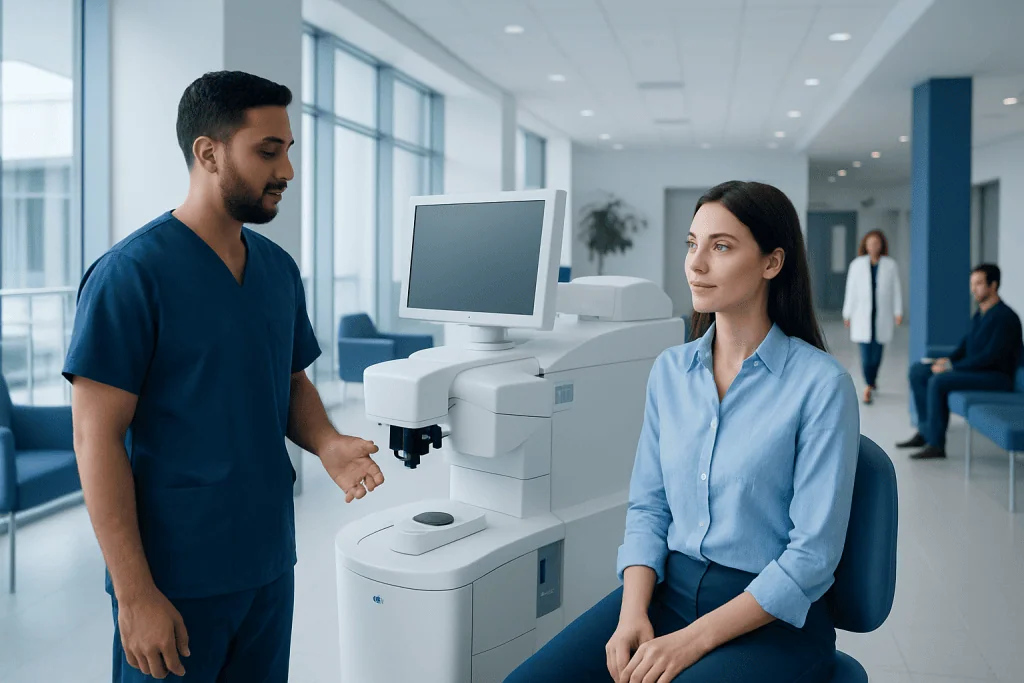
iLASIK is a customized version of LASIK that uses detailed measurements of the eye. It is commonly used to treat nearsightedness, farsightedness, and some types of astigmatism.
Key Takeaways
- iLASIK is a customized version of LASIK that uses detailed measurements of the eye.
- It is commonly used to treat nearsightedness, farsightedness, and some types of astigmatism.
- Not everyone is a suitable candidate; corneal health, prescription stability, and overall eye health matter.
- Most people recover quickly, but temporary dryness, glare, or fluctuating vision can occur.
- A comprehensive eye examination is essential before deciding on treatment.
iLASIK is a personalized form of laser vision correction that uses detailed eye mapping to help reshape the cornea more precisely. For carefully selected adults, it may reduce dependence on glasses or contact lenses and provide clear vision with a relatively quick recovery.
Overview: What Is iLASIK?
iLASIK is a type of laser vision correction designed to reduce a person’s need for glasses or contact lenses. It is often described as a customized or wavefront-guided form of LASIK because it uses highly detailed measurements of the eye to help tailor treatment to the individual. The goal is to reshape the cornea, the clear front surface of the eye, so that light focuses more accurately on the retina.
In standard LASIK, the surgeon corrects common refractive errors such as nearsightedness, farsightedness, and astigmatism based mainly on the glasses prescription and corneal measurements. With iLASIK, advanced mapping technology can also detect subtle optical irregularities unique to the person’s eye. This extra information may help improve visual quality for selected patients, especially in low-light conditions.
iLASIK is not a separate disease treatment but a refractive procedure. It is most often considered by adults who want greater freedom from corrective lenses and who meet specific safety criteria. A full eye examination is the first step in deciding whether this approach is suitable.
How iLASIK Works
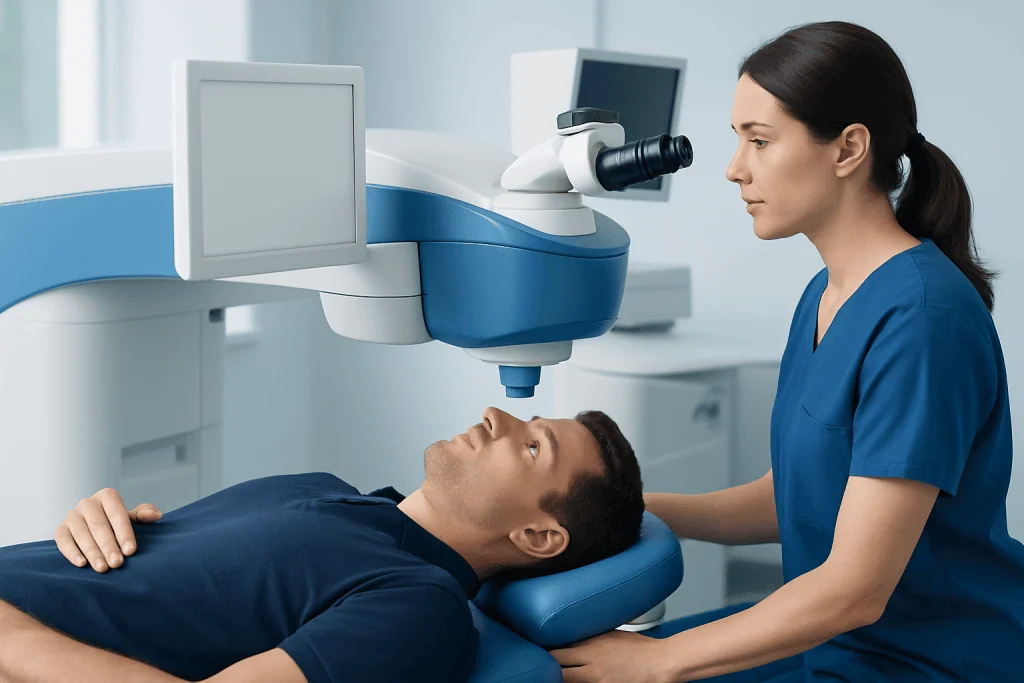
iLASIK usually involves three main stages: measuring the eye in detail, creating a thin corneal flap, and reshaping the cornea with an excimer laser. The customized measurements are often obtained using wavefront technology, which creates a very precise map of how light travels through the eye. This map can identify both common refractive errors and finer optical imperfections.
After the eye is prepared, the surgeon creates a very thin flap in the cornea, often with a femtosecond laser. The flap is gently lifted, and the excimer laser removes microscopic amounts of corneal tissue according to the customized treatment plan. The flap is then repositioned, where it naturally adheres without stitches in most cases.
Because iLASIK is highly individualized, it is sometimes associated with terms such as Femto LASIK or eye laser treatment, depending on the technologies used. The procedure itself is usually brief, and numbing eye drops are typically used to keep the person comfortable. Although vision may improve quickly, the final visual result can continue to stabilize over days to weeks.
What Vision Problems Can iLASIK Treat?

iLASIK is used to correct refractive errors, which are focusing problems rather than eye diseases. The most common are myopia (nearsightedness), hyperopia (farsightedness), and astigmatism. By reshaping the cornea, the procedure helps light focus more precisely on the retina, which can improve uncorrected vision.
For people with nearsightedness, the cornea is typically too steep or the eye is too long, causing distant objects to appear blurry. In farsightedness, the eye may be too short or the cornea too flat, making near vision—and sometimes distance vision—less clear. Astigmatism occurs when the cornea has an irregular shape, leading to blurred or distorted vision at multiple distances. Customized treatment may be especially useful when these refractive errors are combined.
It is important to remember that iLASIK does not treat every cause of blurred vision. Cataracts, retinal disease, corneal scarring, uncontrolled dry eye, and some other conditions may affect whether laser vision correction is appropriate. In some cases, the doctor may identify a separate issue that needs attention first, such as astigmatism correction options or evaluation through general ophthalmology.
Who May Benefit From iLASIK?
Adults with a stable vision prescription who want to reduce dependence on glasses or contact lenses may benefit from iLASIK. In general, the best candidates have healthy eyes, an appropriate corneal thickness and shape, and refractive errors within the treatment range of the technology being used. They should also have realistic expectations about what the procedure can and cannot achieve.
People who often find glasses inconvenient for work, sports, or daily activities may consider iLASIK. It may also appeal to those who experience discomfort with contact lenses or who prefer a long-term refractive solution. However, convenience alone does not determine suitability. The eyes must be carefully evaluated for dryness, corneal stability, pupil size, and any signs of disease.
Some people may not be ideal candidates. This can include those with unstable prescriptions, significant corneal thinning, keratoconus, active eye inflammation, severe dry eye, pregnancy-related vision changes, or certain autoimmune conditions. In older adults, age-related issues such as presbyopia or cataracts may affect the choice of treatment. A doctor will compare the expected benefits with the risks before recommending surgery.
Evaluation and Diagnosis Before Surgery
A detailed preoperative assessment is essential before iLASIK. During the consultation, the ophthalmologist reviews the person’s medical history, glasses and contact lens use, current symptoms, and visual goals. Contact lenses may need to be stopped for a period before measurements are taken, because lenses can temporarily alter the shape of the cornea.
Testing often includes a refraction to determine the glasses prescription, corneal topography or tomography to map the cornea, tear film evaluation, pupil measurement, and a dilated eye examination. Wavefront analysis may also be performed to identify subtle optical irregularities that can be included in the customized treatment plan. These tests help the surgeon decide whether the eye is safe and suitable for the procedure.
The evaluation is also used to rule out other problems that could affect vision or healing. Examples include cataracts, glaucoma, retinal disorders, or corneal disease. If another condition is found, the doctor may recommend further assessment or treatment first, such as cataract surgery when lens clouding is the main cause of blurred vision rather than a refractive error.
Benefits, Risks, and Recovery
The main benefit of iLASIK is personalized vision correction based on highly detailed eye measurements. Many people experience improved uncorrected vision and greater freedom from glasses or contact lenses after recovery. The procedure is usually quick, performed on an outpatient basis, and does not typically require stitches.
Like any eye procedure, iLASIK also has risks and limitations. Possible side effects include temporary dryness, glare, halos, light sensitivity, mild discomfort, and fluctuating vision during early healing. Some people may still need glasses for certain activities, and age-related near-vision changes can still develop later. Rare but more serious complications can include infection, flap-related problems, undercorrection, overcorrection, or visual symptoms that are bothersome.
Recovery is often relatively fast. Many people notice better vision within a day or two, though healing varies from person to person. Eye drops are usually prescribed to support healing and reduce dryness. It is important to avoid rubbing the eyes and to follow the surgeon’s aftercare instructions closely. Follow-up visits allow the doctor to monitor recovery and address any concerns early.
Self-care, Alternatives, and When to See a Doctor
Before deciding on iLASIK, it helps to think about lifestyle, work demands, and long-term eye health. People considering surgery should ask about expected outcomes, possible side effects, and whether alternatives might fit their needs better. Good habits such as managing screen-related eye strain, using lubricating drops if recommended, and protecting the eyes from injury remain important whether or not surgery is chosen.
Alternatives to iLASIK may include glasses, contact lenses, other laser procedures, or different surgical approaches depending on the person’s eyes and goals. Someone with thin corneas, irregular corneal shape, cataracts, or another eye condition may be guided toward a different option. This is why careful individualized evaluation matters more than choosing a treatment name alone.
A person should see an ophthalmologist if they are interested in vision correction surgery, have changing vision, or notice symptoms such as persistent dryness, pain, redness, flashes, floaters, or sudden vision loss. These symptoms are not typical reasons to proceed directly to refractive surgery and should be assessed properly. Near the end of the decision process, some patients choose centers with broad ophthalmology support; Acibadem International’s multidisciplinary specialists in JCI-accredited hospitals diagnose and treat eye conditions for international patients, including refractive surgery assessment and care through eye surgery and ophthalmic laser services.
Frequently asked questions
Is iLASIK different from regular LASIK?
Yes. iLASIK generally refers to a more customized form of LASIK that uses advanced mapping, often including wavefront measurements, to plan treatment. Regular LASIK also reshapes the cornea, but iLASIK aims to personalize the correction in greater detail for suitable patients.
Does iLASIK hurt?
The procedure is usually not painful because numbing eye drops are used. Some people feel pressure during the treatment and mild irritation, watering, or a gritty sensation afterward. These symptoms are commonly temporary and usually improve as the eye heals.
How long does it take to recover from iLASIK?
Many people notice improved vision within one to two days, but full stabilization can take longer. Recovery varies based on the eye, the prescription, and healing response. Follow-up visits are important to confirm that healing is progressing normally.
Can everyone have iLASIK?
No. Suitability depends on factors such as age, stable prescription, corneal thickness, dry eye status, overall eye health, and general medical history. A thorough assessment by an ophthalmologist is needed to decide whether iLASIK is a safe and appropriate choice.
Will iLASIK eliminate the need for glasses forever?
It may significantly reduce dependence on glasses or contact lenses, but it does not guarantee perfect vision in every situation. Some people still need glasses for night driving, detailed tasks, or reading later in life due to age-related presbyopia. Vision can also change over time for reasons unrelated to the original procedure.
What are the most common side effects after iLASIK?
Temporary dry eye, glare, halos, light sensitivity, and mild fluctuating vision are among the more common early side effects. These often improve during healing, especially with proper aftercare. Persistent or severe symptoms should be reviewed by the treating doctor.
This article is for general information only and is not a substitute for professional medical advice. Please consult a qualified doctor about your individual situation.
ILASIK in Turkey — costs, top hospitals & a free quote
JCI-accredited · board-certified surgeons · reply within 24h
Add us as a Preferred Source to see more of our trusted health content across Google Search, AI Overviews and Discover.

Related Treatments
More from the Health Library

Cataracts: Cloudy Vision, Lens Surgery, and Recovery Expectations

Secondary Cataract After Surgery: Why Vision Gets Cloudy Again

iLASIK vs IntraLase: Are These Laser Eye Procedures Different?

Femto LASIK Recovery: When Vision Clears and When You Can Travel

Is LASIK Worth It? Benefits, Costs, and Long-Term Results